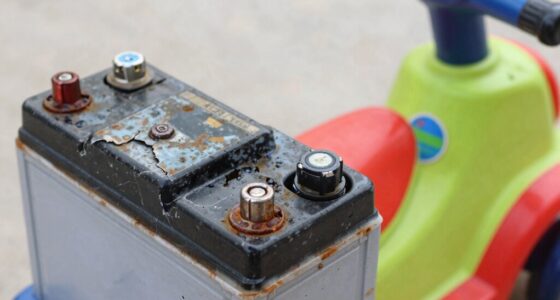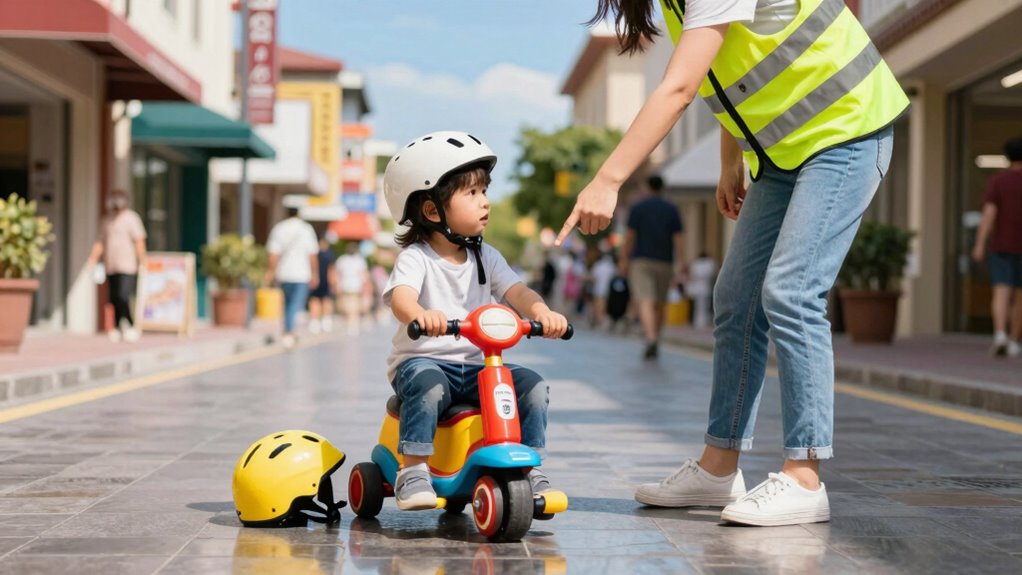

Wearing a helmet while your child rides a ride-on is essential to prevent head injuries, no matter their age or experience. Helmets protect against unpredictable accidents and should meet safety standards, fit snugly, and be comfortable to encourage consistent use. While kids can ride without helmets if they understand safety rules and are on safe surfaces, it’s safest to keep helmets on to ensure maximum protection. Find out more about choosing the right helmet and safety tips to keep them secure.

Turn the school run and nap time into listening time
- Thousands of audiobooks, podcasts and originals
- Listen on your phone, tablet or Echo — also offline
- Cancel anytime
Key Takeaways
- Helmets are essential for safety, especially for young children, due to their impact-absorbing features and visibility benefits.
- Properly fitted helmets meeting safety standards (CPSC, ASTM, EN 1078) are crucial for effective protection during rides.
- Children should wear helmets until they demonstrate understanding of safety rules, good balance, and riding on safe surfaces.
- Regular helmet maintenance and adjustment ensure continued safety and comfort for growing children.
- Supervision and safe riding environments are vital; removing helmets prematurely increases risk of injury.
kids' bike helmet with impact absorption
As an affiliate, we earn on qualifying purchases.
As an affiliate, we earn on qualifying purchases.
Why Helmets Matter When Kids Ride on Ride-Ons
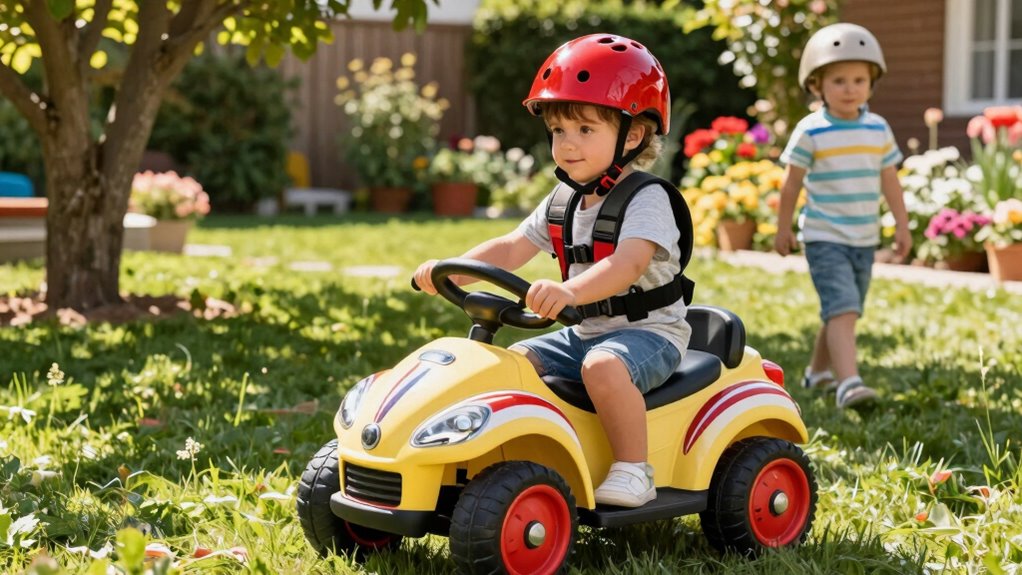
Wearing a helmet is essential whenever kids ride on ride-ons because accidents can happen suddenly and without warning. The helmet design plays a pivotal role in providing maximum protection while remaining comfortable. A well-designed helmet absorbs impact and reduces injury risk, making it a smart safety choice. Additionally, helmet color isn’t just about style—it can improve visibility, helping others spot your child easily. Bright colors like neon or fluorescent shades stand out in busy areas, ensuring your kid stays seen and safe. Choosing a helmet with a secure fit and appealing design encourages your child to wear it consistently. Remember, the right helmet combines safety features with an attractive look, reinforcing good habits while riding. Proper helmet fit and color accuracy can significantly influence how effectively the helmet protects and how appealing it is to your child. Ensuring the helmet meets safety standards and is properly fitted is crucial for optimal protection. Furthermore, selecting a helmet with impact-absorbing materials enhances safety during potential falls or collisions. Proper helmet fit and adjustment are essential for maintaining safety and comfort during every ride.
Key Factors to Decide If Your Child Should Wear a Helmet
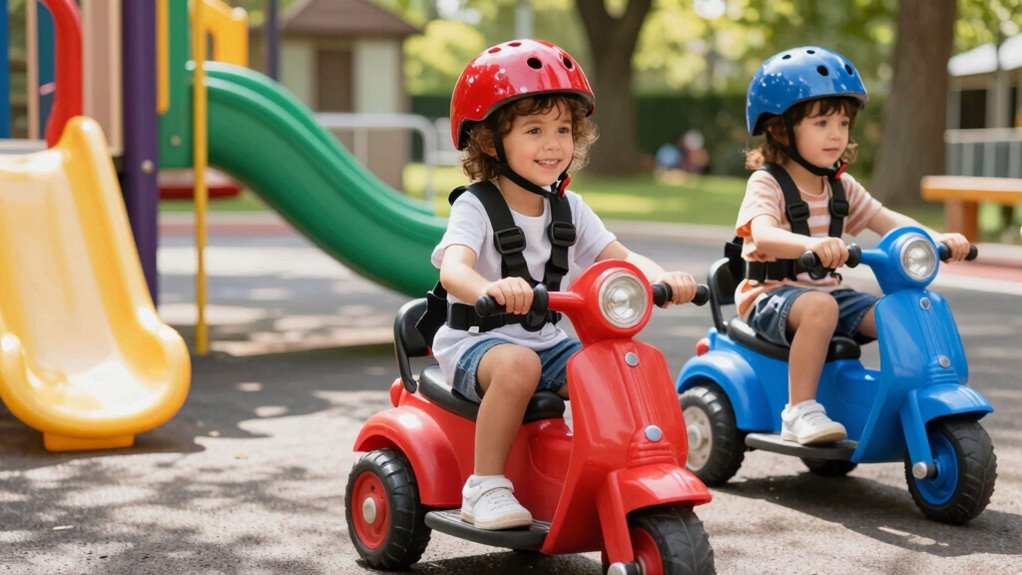
When deciding if your child should wear a helmet, consider their age and size to make certain of proper fit. Think about the type of ride and terrain, as some situations demand extra protection. Additionally, check safety regulations and guidelines to stay compliant and keep your child safe. To further ensure safety, assess the effectiveness of home soundproofing in your living space to create a quieter environment that reduces distractions during riding or outdoor activities. Being aware of accessibility features can also help you choose gear that best supports your child’s safety and comfort. Recognizing cycling gear maintenance tips can help prolong the lifespan of safety equipment and ensure it functions correctly when needed. Understanding tights for different activities can also inspire you to select appropriate protective gear that complements your child’s riding needs. Moreover, incorporating ergonomic workspace setup principles can help you organize your child’s riding gear and accessories for easier access and better safety management.
Age and Size Suitability
Determining if your child should wear a helmet largely depends on their age and size. Younger children may not fit standard helmet designs properly, which affects safety and comfort. Ensure the helmet fits snugly without being too tight, and check that it covers the forehead adequately. As kids grow, their helmet needs change, so regular ride-on maintenance is essential to guarantee proper fit and protection. Proper helmet design considers head size and shape, making it easier to find a suitable option for your child’s age. For smaller or younger children, helmets with adjustable straps and sizes are best. Remember, a helmet that’s too big or too small compromises safety, so always assess your child’s age and size before allowing them to ride. Additionally, helmet safety standards play a crucial role in ensuring the protective quality of the helmet you choose.
Ride Type and Terrain
The type of ride and the terrain your child will encounter play a significant role in deciding whether they should wear a helmet. For smooth, flat surfaces like sidewalks or indoor rides, a basic helmet design might suffice, but for uneven or rugged terrain, a more durable helmet is essential. Off-road trails or steep hills increase the risk of falls, making helmets critical for safety. Keep in mind, the helmet’s fit and design should match the activity—proper maintenance tips include regular checks for cracks, secure straps, and clean padding. Also, choose a helmet with good ventilation for longer rides. Proper helmet selection is a crucial aspect of ride safety and comfort. Additionally, using helmets designed specifically for off-road riding can provide better protection in more challenging environments. Recognizing the importance of helmet fit can significantly reduce the risk of injury during a fall or collision. Moreover, selecting helmets with impact-absorbing materials enhances safety during impacts.
Safety Regulations and Guidelines
Safety regulations and guidelines are essential factors to contemplate when deciding if your child should wear a helmet. Helmet laws vary by location, so check local regulations to guarantee compliance. These laws often specify age requirements and helmet types that meet safety standards. Safety standards set the minimum criteria for helmet construction, ensuring they provide adequate impact protection. Look for helmets that meet recognized safety standards, such as CPSC or ASTM certifications. Adhering to helmet laws and safety standards helps protect your child from serious injuries. Even if regulations aren’t strict, using a helmet that complies with safety standards is a smart choice. Staying informed about current helmet laws and guidelines ensures you make the safest decision for your child’s ride-on experiences. Additionally, understanding floating on water can help you better manage online safety information related to child safety products. Being aware of helmet safety standards can further assist in choosing the most protective gear for your child.
When Is It Safe for Kids to Ride Without a Helmet?

Deciding when kids can ride without a helmet depends on their age, size, and riding experience. It is crucial to prioritize helmet safety while considering their confidence and skill level. Usually, children can ride without a helmet when they:
Children can ride without helmets when they understand safety, have good balance, and ride on safe surfaces.
- Are old enough to understand safety rules
- Have good balance and coordination
- Can ride on flat, low-traffic surfaces
- Show consistent ride-on maintenance and control
Always supervise their riding and start in safe environments. Keep in mind that even experienced kids should wear helmets if there’s any doubt about their riding situation. Removing helmets too early can increase injury risk. Proper fitment and helmet quality are essential for effective protection. Additionally, understanding helmet regulations can help ensure compliance and safety standards are met. Research shows that appropriate helmet use significantly reduces head injuries during falls. Ensuring helmet compliance by following local laws and guidelines further enhances safety. Use these guidelines to ensure safety and avoid accidents. Remember, a well-maintained helmet is key to protecting your child.
How to Choose the Right Helmet for Your Child’s Ride-On
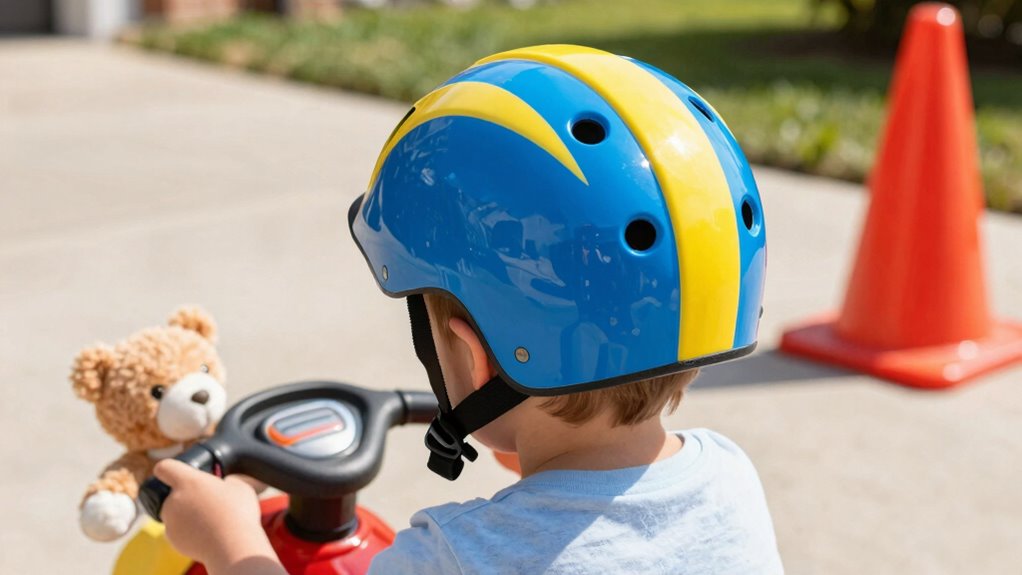
When choosing a helmet for your child’s ride-on, it’s essential to focus on fit and comfort so they’ll actually wear it. Make certain it meets safety certifications to guarantee it offers proper protection. Prioritize these points to help you pick a helmet that keeps your kid safe and comfortable. Additionally, consider selecting a helmet that incorporates smart lock technology for added security during playtime. Ensuring the helmet’s proper fit is crucial, as an ill-fitting helmet can compromise safety and discourage wearing it consistently. Paying attention to helmet materials can also enhance durability and comfort, making it more likely your child will keep it on.
Fit and Comfort
Choosing the right helmet for your child’s ride-on involves making sure it fits snugly without being too tight or uncomfortable. Proper helmet fit is essential for safety and comfort considerations, so take time to find the right size. Measure your child’s head accurately and check sizing charts. When trying on helmets, ensure they sit level and low on the forehead, about one to two finger widths above the eyebrows. Look for these comfort features:
- Adjustable straps for a secure fit
- Padding that feels soft and breathable
- Lightweight design to reduce fatigue
- Ventilation to keep your child cool
A well-fitting helmet shouldn’t cause pressure points or slip easily, making your child’s ride-on experience both safe and enjoyable.
Safety Certifications
Ensuring your child’s helmet provides the right level of protection starts with checking its safety certifications. Look for certification standards like the CPSC, ASTM, or EN 1078, which verify that the helmet meets strict safety requirements. These standards guarantee the helmet has undergone rigorous testing for impact absorption, strap strength, and overall durability. When shopping, always verify the label or packaging for these certifications to confirm the helmet’s helmet safety. Avoid helmets that lack recognized certification standards, as they may not offer adequate protection during a fall or collision. Choosing a helmet with proper safety certifications guarantees that your child’s ride-on is equipped with a reliable, tested protective gear, giving you peace of mind while they enjoy their ride.
Tips for Ensuring Safe and Fun Ride-On Experiences
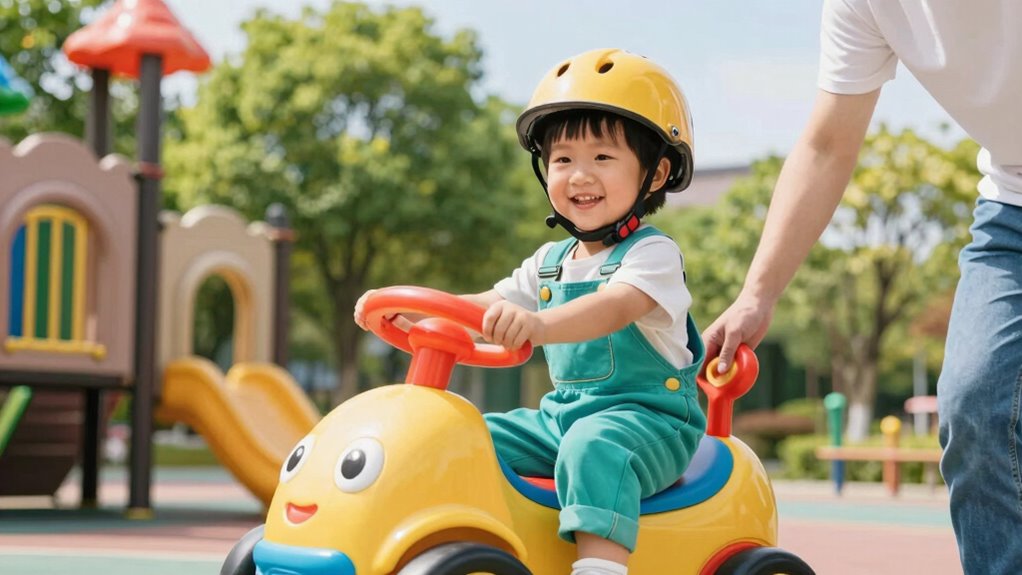
To make the most of ride-on experiences, start by choosing the right vehicle for your child’s age and skill level. Ensuring helmet safety is vital; always fit helmets properly and check them regularly. Keep ride-ons in good condition through regular maintenance—tighten screws, clean surfaces, and inspect for damage. Supervise your child during play to prevent accidents and promote safe riding habits. Encourage them to wear protective gear, including helmets, even if it’s not required. Limit ride-on use to safe areas free of obstacles or traffic. Teach your child how to control speed and steer correctly. Finally, model safe behavior yourself, reinforcing the importance of safety while making riding fun. These steps help create a safe, enjoyable experience for your child.
Final Thoughts: Keeping Your Child Safe While Enjoying Ride-Ons
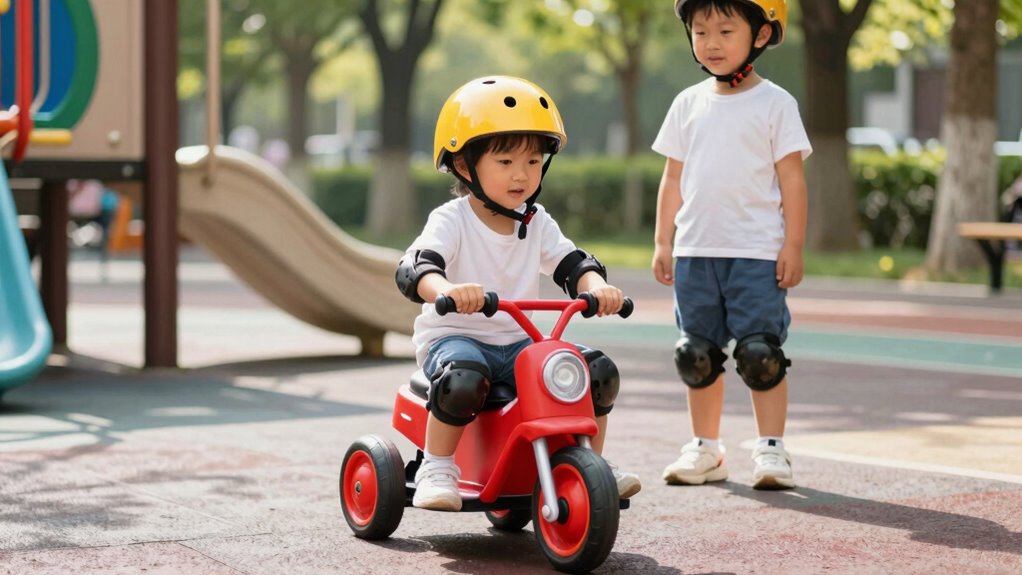
Keeping your child safe while they enjoy ride-ons requires ongoing attention and good habits. Following helmet laws in your area helps guarantee your child wears a helmet whenever necessary, reducing injury risk. Remember, no safety measure replaces active parental supervision; stay close and engaged while your child plays. Regularly check that their ride-on is in good condition and appropriate for their age. Encourage safe riding practices and set clear boundaries to prevent accidents. Teaching your child the importance of wearing a helmet and supervising their play instills lifelong safety habits. Ultimately, combining adherence to helmet laws with vigilant supervision creates a safer environment, allowing your child to enjoy their ride-on adventures with confidence and fun.
Frequently Asked Questions
Are There Legal Requirements for Kids to Wear Helmets on Ride-Ons?
Legal mandates for kids to wear helmets on ride-ons vary by location, so you should check your local safety regulations. In many areas, safety regulations require children to wear helmets to guarantee their protection while riding. As a parent or guardian, it’s your responsibility to follow these legal mandates to keep your child safe. Wearing a helmet not only complies with safety regulations but also markedly reduces the risk of head injuries during rides.
How Do Helmet Types Vary for Different Ride-On Vehicles?
When choosing helmet types for ride-ons, you’ll find designs vary more than your child’s favorite toy. Some helmets prioritize ride-on compatibility, with snug fits and adjustable straps, while others focus on style over safety. You should pick a helmet that aligns with your kid’s ride-on vehicle, ensuring proper fit and protection. Remember, a helmet’s design isn’t just about looks—it’s about safety, so don’t compromise on quality for style.
Can Wearing a Helmet Affect a Child’s Balance or Comfort?
Wearing a helmet might affect your child’s balance or comfort initially, but choosing a well-fitting helmet considerably reduces these concerns. Look for helmets with adjustable straps and proper padding to ensure helmet comfort. When fitted correctly, your child’s balance stays steady, and they can enjoy ride-ons safely. Regularly check the fit as they grow, and encourage them to wear the helmet consistently for both comfort and safety.
What Are Common Misconceptions About Helmet Safety for Kids?
Many helmet myths circulate, like thinking they’re unnecessary or hinder kids’ movement. These safety misconceptions can lead you to underestimate helmet importance. In reality, helmets considerably reduce head injury risk and are designed to fit comfortably for kids. Don’t fall for false safety myths—wearing a helmet is a simple, effective way to protect your child while they enjoy ride-ons. Prioritize safety by debunking common helmet myths today.
How Often Should Helmet Fit and Safety Be Checked?
You should check your child’s helmet fit and safety regularly, ideally before each ride. Conduct a thorough safety check at least once a month to make certain helmet maintenance is up to date. Look for cracks, wear, or damage, and make sure the straps fit snugly without being too tight. Proper safety check frequency helps keep your child protected and ensures the helmet functions effectively every time they ride.
Conclusion
Think of a helmet as your child’s shield of confidence on their ride-on adventures. It’s more than just safety gear—it’s a symbol of your care and their independence. When they strap it on, they’re donning a crown of protection, ready to explore with joy and courage. So, choose wisely, and remember: the right helmet turns every ride into a safe, empowering journey where fun and safety ride side by side.
Cold & flu season Picks
humidifiers
As an affiliate, we earn on qualifying purchases.