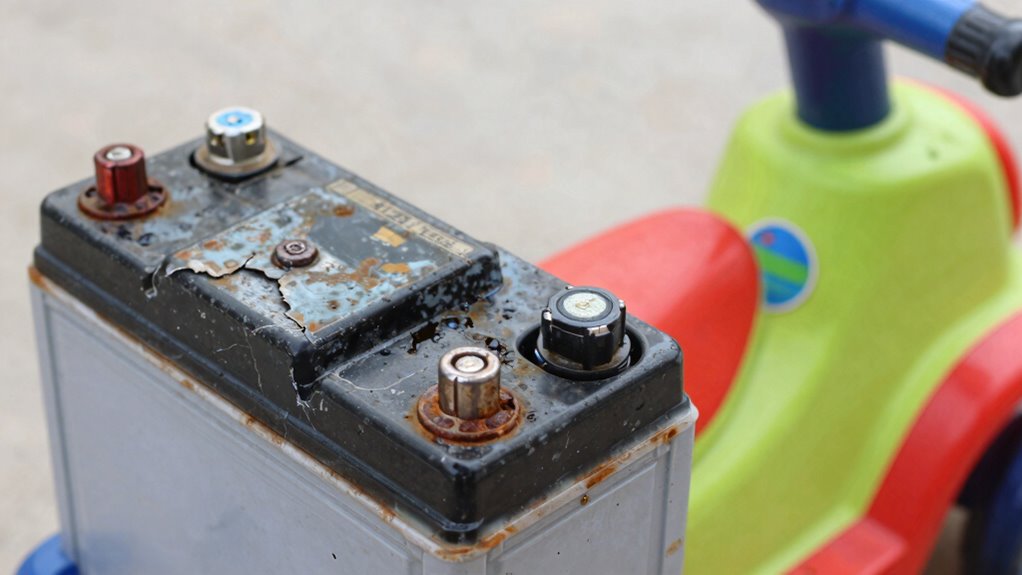

You should replace your ride-on battery when recharging no longer restores full power or the vehicle’s performance drops markedly. If you notice shorter runtimes, slower speeds, physical damage, or leaks, it’s a clear sign the battery is nearing the end of its life. Persistent performance decline despite proper charging indicates it’s time for a replacement. Keep an eye on these signs, and you’ll discover more tips to keep your ride-on vehicle in top shape.

Turn the school run and nap time into listening time
- Thousands of audiobooks, podcasts and originals
- Listen on your phone, tablet or Echo — also offline
- Cancel anytime
Key Takeaways
- The battery no longer holds a charge or charges only briefly despite proper recharging.
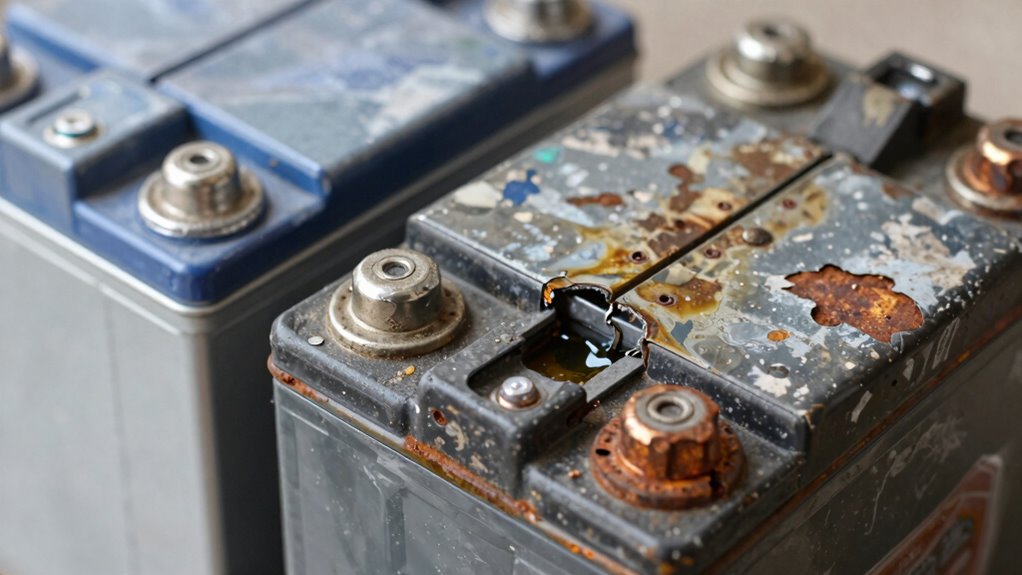
- Physical damage such as swelling, leaks, or corrosion is visible on the battery.
- Vehicle performance significantly declines or operates unpredictably even after charging.
- Battery capacity tests show a marked decrease in runtime or voltage below recommended levels.
- The battery is over 1-3 years old and exhibits persistent signs of degradation.
Knowing when to replace a ride-on battery is essential to keep your child’s vehicle running smoothly and safely. Batteries don’t last forever, and understanding the signs that it’s time for a replacement can prevent frustration and ensure your child’s safety. The battery lifespan is a key factor here; most ride-on batteries last between one and three years, depending on usage, maintenance, and quality. If your child’s vehicle isn’t performing as well as it used to, or if it struggles to hold a charge, it might be a sign that the battery is nearing the end of its life. Keep in mind that no matter how well you care for it, batteries degrade over time, and eventually, they need replacing.
Your charging habits significantly influence how long the battery remains effective. Proper charging practices can extend the battery’s lifespan, while poor habits can accelerate deterioration. Always use the charger supplied with the vehicle and avoid overcharging—leaving the battery plugged in after it’s fully charged can lead to overheating and damage. Additionally, don’t let the battery completely drain regularly, as deep discharges can shorten its overall life. Instead, aim for regular, moderate charging sessions, and try to keep the battery between 20% and 80% charge whenever possible. Storing the vehicle in a cool, dry place when not in use also helps preserve the battery’s health. Maintaining the battery’s overall health through proper care can significantly delay the need for replacement.
A good understanding of the battery’s lifespan and maintenance can help you make informed decisions about when to replace it. If you notice that your child’s ride-on vehicle is taking longer to reach full speed, or if it’s losing power sooner than usual, those are clear signs the battery might need replacing. Diminished runtime, frequent recharging, or a noticeable decrease in performance all point to aging or failing cells. Sometimes, even if the vehicle still runs, it may not operate efficiently, which can be dangerous if the battery unexpectedly dies mid-ride. It’s essential to test the battery’s voltage and capacity periodically, especially if it’s over a year old. If recharging no longer restores adequate power or if the battery shows signs of swelling or leaks, it’s time to replace it.
In the end, trusting your instincts and paying close attention to the vehicle’s performance are your best guides. Proper maintenance and mindful charging habits can extend the life of your ride-on battery, but eventually, wear and tear make replacement unavoidable. By recognizing the signs and understanding the role of battery lifespan and charging habits, you’ll ensure your child’s vehicle remains safe, reliable, and fun for years to come.
ride-on vehicle replacement battery
As an affiliate, we earn on qualifying purchases.
As an affiliate, we earn on qualifying purchases.
Frequently Asked Questions
How Long Does a Typical Ride-On Battery Last?
A typical ride-on battery lasts about 2 to 4 years with proper care. You should consider replacing it if you notice reduced run time or frequent recharging. Be mindful of battery recycling guidelines, and confirm your charger is compatible to avoid damage. When the battery no longer holds a charge or shows signs of deterioration, it’s time for a replacement, rather than risking further damage or safety issues.
Can Overcharging Damage the Battery?
Overcharging hazards can seriously damage your ride-on battery, leading to overheating and reduced lifespan. If you keep recharging it beyond full capacity, you risk irreversible harm that might force you to replace the battery prematurely. Always monitor charging times to prevent overcharging, and consider proper battery recycling when it’s time for a replacement. Ignoring these signs could cost you more in the long run, so stay vigilant.
What Are Signs of a Failing Ride-On Battery?
You’ll know your ride-on battery is failing if it struggles to hold a charge, the engine runs sluggishly, or the vehicle stops suddenly. Poor battery maintenance and ignoring charging best practices can accelerate this. If the battery’s voltage drops below recommended levels or it shows visible signs of damage, like bulging or corrosion, it’s time to replace it. Regular checks help guarantee safe, reliable performance.
Is It Cost-Effective to Replace the Battery?
Replacing your ride-on battery can be cost-effective if it no longer holds a charge or shows signs of failure, saving you frequent recharge costs. When you do replace it, consider eco-friendly disposal options like battery recycling to prevent environmental harm. While initial costs might seem high, a new battery guarantees better performance and longevity. Proper disposal supports environmental protection, making the replacement a responsible choice.
How Can I Extend My Battery’s Lifespan?
To extend your ride-on battery’s lifespan, focus on proper battery maintenance and follow charging best practices. Regularly clean terminals, keep the battery charged but avoid overcharging, and store it in a cool, dry place. Use a quality charger and avoid deep discharges. By maintaining your battery well and adhering to proper charging routines, you’ll maximize its longevity and performance, saving you money and hassle in the long run.
Conclusion
Think of your ride-on battery like a trusty steed. When it’s lost its spark and no longer responds to your coaxing, it’s time to find a new companion. Recharging can revive a tired horse, but if it’s worn out and refuses to gallop again, replacing it becomes the best choice. Keep an eye on its strength, and you’ll always have a loyal partner ready for adventure — whether it’s time for a new one or a well-earned rest.
Cold & flu season Picks
humidifiers
As an affiliate, we earn on qualifying purchases.