A kids’ backpack with ergonomic support is really about fit: padded shoulder straps, a sternum strap, breathable back panels, and a load sized to your child’s frame — not just a cute print. After comparing six popular options, the SKYSPER Kids Backpack 12L/18L stands out as the best overall pick because it offers a chest strap, structured padding, and two size options that grow with kids ages 4-10. The Mountaintop 15L is a close runner-up for younger children thanks to its genuinely scaled-down torso fit, while the Bluboon makes sense for elementary and middle schoolers hauling heavier loads. The main tradeoff in this category is capacity versus comfort: bigger bags carry more but sit awkwardly on small bodies, and the cheapest options almost always cut corners on strap padding. Keep reading for the full breakdown of which backpack fits which age, budget, and school day.

Turn the school run and nap time into listening time
- Thousands of audiobooks, podcasts and originals
- Listen on your phone, tablet or Echo — also offline
- Cancel anytime
Complete the kit


Key Takeaways
- The SKYSPER 12L/18L earned the top spot because it’s the only pick with two size options plus a sternum strap, letting the same design fit a range of ages without sacrificing ergonomics.
- Capacity was the clearest differentiator: 8L bags like the Cherry Blossoms suit half-day kindergarten, while the Bluboon‘s 15.6-inch laptop sleeve only pays off for older elementary and middle school students.
- Budget models (the generic Waterproof Lightweight pack and the Unicorn backpack) offer decent strap padding but skip sternum straps and lumbar support — fine for light loads, weak for heavy homework hauls.
- The Mountaintop 15L fits ages 5-7 best because its torso length is actually shortened, not just narrowed; most competitors shrink width but leave adult-length proportions.
- Water resistance claims varied widely in practice: coated polyester shells shed drizzle, but only packs with rain covers or welded zips deserve the ‘waterproof’ label.
| SKYSPER Kids Backpack 12L/18L for Ages 4-10 |  | Best Overall | Capacity: 12L or 18L | Material: Water-resistant, stain-resistant fabric | Age Range: 4-10 years | VIEW LATEST PRICE | See Our Full Breakdown |
| Kids Backpack for School, Waterproof and Lightweight, Blue |  | Best for Safety Features | Material: Oxford fabric, lightweight, odor-free | Color: Blue | Design: Minimalist, bold color blocking | VIEW LATEST PRICE | See Our Full Breakdown |
| Bluboon Boys School Backpack, Water-Resistant Kids Bookbag, Fits 15.6 Inch Laptop |  | Best for Older Elementary and Middle School | Dimensions: 17.5 x 12 x 6.5 inches | Laptop Fit: Up to 15.6 inches | Material: Water-resistant fabric | VIEW LATEST PRICE | See Our Full Breakdown |
| Girls Unicorn Backpack – Ergonomic, Lightweight Schoolbag for Elementary Students (Purple, Small) |  | Best for Youngest Students | Material: Waterproof polyester | Dimensions: 11.4 x 7.48 x 5.8 inches | Storage Volume: 21 liters | VIEW LATEST PRICE | See Our Full Breakdown |
| Mountaintop 15L Kids Backpack, Kindergarten Bag for Ages 5-7 |  | Best Value for Outdoor Families | Capacity: 15L | Dimensions: 9.5″L x 5.9″W x 15.4″H | Weight: 0.8 lbs | VIEW LATEST PRICE | See Our Full Breakdown |
| Cherry Blossoms 13.5 Inch Kids Backpack for Kindergarten (Ages 3-5), 8L Capacity | 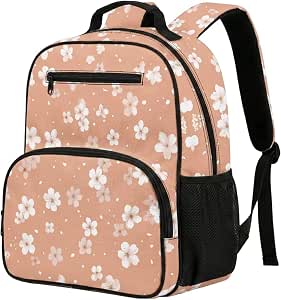 | Best for Preschoolers | Capacity: 8L | Dimensions: 13.5″ x 11″ x 7″ | Recommended Age: 3-5 years | VIEW LATEST PRICE | See Our Full Breakdown |
| kids’ backpack with ergonomic support | Material | Dimensions | Capacity | Straps |
|---|---|---|---|---|
| SKYSPER Kids Backpack 12L/18L | Water-resistant, stain-resistant fabric | — | 12L or 18L | Adjustable, padded |
| Kids Backpack for School | Oxford fabric, lightweight, odor-free | — | — | S-curve shoulder straps, anti-slip chest buckle, waist belt |
| Bluboon Boys School Backpack | Water-resistant fabric | 17.5 x 12 x 6.5 inches | — | — |
| Girls Unicorn Backpack | Waterproof polyester | 11.4 x 7.48 x 5.8 inches | — | — |
| Mountaintop 15L Kids Backpack | 600D nylon | 9.5"L x 5.9"W x 15.4"H | 15L | Ergonomic, padded, with chest strap |
| Cherry Blossoms 13.5 Inch Kids | Polyester | 13.5" x 11" x 7" | 8L | — |
More Details on Our Top Picks
SKYSPER Kids Backpack 12L/18L for Ages 4-10
This option stands out for balancing everyday school use with genuine outdoor capability, which is rare in this price bracket. The ventilated back panel does real ergonomic work here — it keeps the load off your child’s back and reduces the sweaty-back complaint that cheaper bags invite. Compared with the Mountaintop 15L, the SKYSPER offers more capacity flexibility with its two size options, letting the bag grow with your child rather than being outgrown in a year. The tradeoff is honest: there are no reflective safety strips, so if your child walks to school in low light, the Blue waterproof school bag or the Unicorn backpack are safer picks. This pick makes the most sense for families who want one bag that handles Monday’s homework and Saturday’s hike without paying a premium.
Pros:- Two capacity options (12L/18L) let the bag grow with your child
- Ventilated back panel genuinely improves carrying comfort on warm days
- Water- and stain-resistant fabric survives muddy trails and spilled juice alike
- Featherweight design keeps the empty bag from adding to the load
Cons:- No reflective safety features for low-light visibility
- Capacity tops out quickly for binders, lunch bags, and bulkier school gear
Best for: Active families who want one versatile backpack for school, travel, and weekend outdoor trips
Not ideal for: Parents of kids who walk to school in early morning or evening darkness — the lack of reflective detailing is a real safety gap
- Capacity:12L or 18L
- Material:Water-resistant, stain-resistant fabric
- Age Range:4-10 years
- Back Panel:Ventilated
- Straps:Adjustable, padded
- Pockets:Multiple organization pockets
- Best Use:School, travel, outdoor activities
Our verdict“Buy this if you want the most versatile ergonomic pick for a 4-to-10-year-old who splits time between school and the outdoors.”
Kids Backpack for School, Waterproof and Lightweight, Blue
Where this model separates itself from the pack is its complete ergonomic harness system: S-curve shoulder straps, an anti-slip chest buckle, and a waist belt. That trio keeps weight anchored to the hips and off a child’s spine, and few bags in this roundup attempt all three — the Bluboon offers a chest strap but no waist belt, while the Unicorn backpack stops at padded straps. Add reflective strips and a breathable back panel, and this becomes the strongest choice for kids who walk or bike to school in dim conditions. The compromises are aesthetic and size-related: color options are thin, and older elementary kids hauling big binders may find the capacity tight. Compared with the SKYSPER, you give up outdoor ruggedness but gain meaningful daily-commute safety and support.
Pros:- Full harness system (S-curve straps, chest buckle, waist belt) actively protects posture
- Reflective strips make it the safest pick for dark commutes
- Waterproof Oxford fabric keeps books and devices dry
- Breathable back panel prevents overheating during the walk to school
Cons:- Very limited color selection
- May run small for older children or teenagers with heavier loads
Best for: Parents of kids who walk or bike to school and need reflective visibility plus serious load-stabilizing straps
Not ideal for: Families wanting color choice or older kids needing laptop and large-binder capacity
- Material:Oxford fabric, lightweight, odor-free
- Color:Blue
- Design:Minimalist, bold color blocking
- Straps:S-curve shoulder straps, anti-slip chest buckle, waist belt
- Safety:Reflective strips
- Back Panel:Breathable, ergonomic
- Compartments:Multiple zippered pockets
Our verdict“This is the pick when visibility and spinal support during the school commute matter more than style or capacity.”
Bluboon Boys School Backpack, Water-Resistant Kids Bookbag, Fits 15.6 Inch Laptop
This is the load-carrier of the lineup. At 17.5 inches tall with a padded 15.6-inch laptop sleeve, it bridges the gap between little-kid backpacks and teen bags — nobody else here can hold a device, and the Unicorn backpack is positively tiny next to it. The ergonomic story is respectable rather than exceptional: padded back support, adjustable straps, and a chest strap that helps distribute heavier middle-school loads. But bigger capacity plus ergonomic support is exactly what a fifth grader with textbooks needs, and the Bluboon delivers that where the SKYSPER’s 18L cap starts to pinch. Know the tradeoffs: only two colorways, no reflective elements (a step behind the Blue school bag on safety), and the sheer size can swamp a first grer. This model is better suited to the top of the age range than the bottom.
Pros:- Only bag in this lineup with a padded 15.6-inch laptop compartment
- Chest strap plus padded back support handles heavier loads comfortably
- Multiple compartments keep textbooks and devices separated
- Water-resistant fabric holds up to daily middle-school abuse
Cons:- Only two color options (blue graffiti and black)
- No reflective safety elements for evening commutes
- Oversized for younger elementary students
Best for: Upper elementary and middle school students carrying a laptop, textbooks, and a full day’s gear
Not ideal for: Young children in K-2 — the tall frame and capacity are simply too much bag for a small torso
- Dimensions:17.5 x 12 x 6.5 inches
- Laptop Fit:Up to 15.6 inches
- Material:Water-resistant fabric
- Support:Padded back panel, adjustable shoulder straps
- Extras:Chest strap, multiple pockets
- Colors:Blue graffiti, black
- Best Use:Elementary and middle school
Our verdict“The obvious choice once homework includes a laptop and the little-kid bags stop fitting the load — or the child.”
Girls Unicorn Backpack – Ergonomic, Lightweight Schoolbag for Elementary Students (Purple, Small)
For kindergarten through second grade, ergonomics is mostly about scale — a bag sized to a small torso is inherently better for a child’s posture than a shrunken big-kid pack. At 11.4 inches tall with small-sized padded straps, this is the best-proportioned option here for little ones, and the breathable back panel plus waterproof polyester round out a genuinely thoughtful design. Unlike the SKYSPER, it includes reflective safety strips, a meaningful plus for winter school runs. Compared with the Mountaintop 15L, the Unicorn trades outdoor ruggedness for eight compartments that teach early organization habits. The downsides are real though: 21 liters sounds generous but the small frame limits bulky items, and hand-wash-only care is a hassle after a muddy recess. This pick makes the most sense for the early-elementary years specifically.
Pros:- Scaled-down dimensions and small straps fit young torsos properly
- Reflective strips add low-light and rainy-day visibility
- Eight compartments and five pockets build early organization habits
- Waterproof polyester wipes clean easily
Cons:- Outgrown quickly — capacity is tight beyond 2nd grade
- Hand wash only, which is inconvenient for frequent spills and messes
Best for: Kindergarten through 2nd graders who need a small, posture-friendly first backpack with safety visibility
Not ideal for: Kids in 3rd grade and up — the small frame and limited capacity won’t fit their supplies
- Material:Waterproof polyester
- Dimensions:11.4 x 7.48 x 5.8 inches
- Storage Volume:21 liters
- Pockets:5 pockets, 8 compartments
- Recommended Age:Kindergarten to 2nd grade
- Strap Size:Small, padded
- Safety:Reflective strips
- Care:Hand wash only
Our verdict“The right first backpack for a K-2 student, as long as you accept she’ll outgrow it within a couple of years.”
Mountaintop 15L Kids Backpack, Kindergarten Bag for Ages 5-7
Mountaintop brings actual hiking-backpack DNA to the kindergarten set. The 600D nylon construction is tougher than anything else in this lineup — the Unicorn backpack’s polyester and the SKYSPER’s lighter fabric will both scuff before this does — and at 0.8 pounds, the bag itself adds almost nothing to the load. The standout safety touch is the chest strap with a built-in whistle, which keeps the shoulder straps anchored on a small frame and doubles as an emergency signal on trails. That chest strap is the ergonomic differentiator over simpler designs, keeping weight centered instead of pulling backwards off the shoulders. The limits: 15L fills fast, there are no reflective elements for road-side visibility, and like the Unicorn bag it’s hand wash only. This option stands out for families whose kindergartner’s backpack doubles as a hiking pack.
Pros:- 600D nylon is the most durable fabric in this lineup
- Chest strap with built-in whistle adds both stability and trail safety
- At 0.8 lbs, one of the lightest full-featured options here
- Multiple compartments organize school gear and trail snacks alike
Cons:- 15L capacity fills up quickly with school supplies and bulky items
- Hand wash only, inconvenient for frequent kid-level messes
- No reflective elements for street-side visibility
Best for: Outdoor families who want a rugged, trail-ready kindergarten pack that also handles school days
Not ideal for: Kids who walk along roads in low light — no reflective detailing — or anyone wanting machine-washable convenience
- Capacity:15L
- Dimensions:9.5″L x 5.9″W x 15.4″H
- Weight:0.8 lbs
- Material:600D nylon
- Straps:Ergonomic, padded, with chest strap
- Safety Features:Whistle built into chest buckle
- Age Range:5-7 years
- Care:Hand wash only
Our verdict“The best value for adventurous 5-to-7-year-olds whose bag needs to survive trails as well as classrooms.”
Cherry Blossoms 13.5 Inch Kids Backpack for Kindergarten (Ages 3-5), 8L Capacity
Most bags in this roundup are built for elementary-age loads, but this Cherry Blossoms pack deliberately goes smaller — and that restraint is its strength. At 8L and 13.5 inches tall, it matches the torso of a 3-to-5-year-old far better than the Mountaintop 15L, which tends to overwhelm kindergarteners with its taller frame. The padded straps and ergonomic back panel matter most at this age, when posture habits are just forming, and the easy-grip zippers let little kids open the bag without an adult’s help. Organization is genuinely useful: three compartments keep a lunchbox separate from a change of clothes.
The tradeoff is obvious — an 8-liter capacity is outgrown quickly. Compared with the SKYSPER 12L, this bag won’t survive past first grade, so families hoping for one purchase to last several years should size up instead.
Pros:- True preschool sizing that fits 3-to-5-year-old torsos without sagging or dragging
- Ergonomic back support and padded straps that suit developing posture
- Easy-to-open zippers small hands can manage independently
- Three separate compartments that keep snacks, clothes, and folders organized
Cons:- 8L capacity is outgrown quickly and can’t handle elementary-age school loads
- Water resistance is minimal — polyester shell won’t protect contents in real rain
- Playful cherry blossom styling will be rejected by older kids and teens
Best for: Parents of preschool and kindergarten children (ages 3-5) who want a correctly sized first backpack with genuinely padded straps
Not ideal for: Families buying for elementary students or hoping to hand the bag down — the 8L capacity and playful design will be outgrown within a couple of school years
- Capacity:8L
- Dimensions:13.5″ x 11″ x 7″
- Recommended Age:3-5 years
- Material:Polyester
- Water Resistance:Water resistant
- Pockets / Compartments:3 pockets, 3 compartments
- Strap Type:Padded shoulder straps
- Weight Class:Lightweight
Our verdict“Buy this if your child is starting preschool or kindergarten and needs a bag sized for their body — skip it if you want something that lasts beyond first grade.”
How We Picked
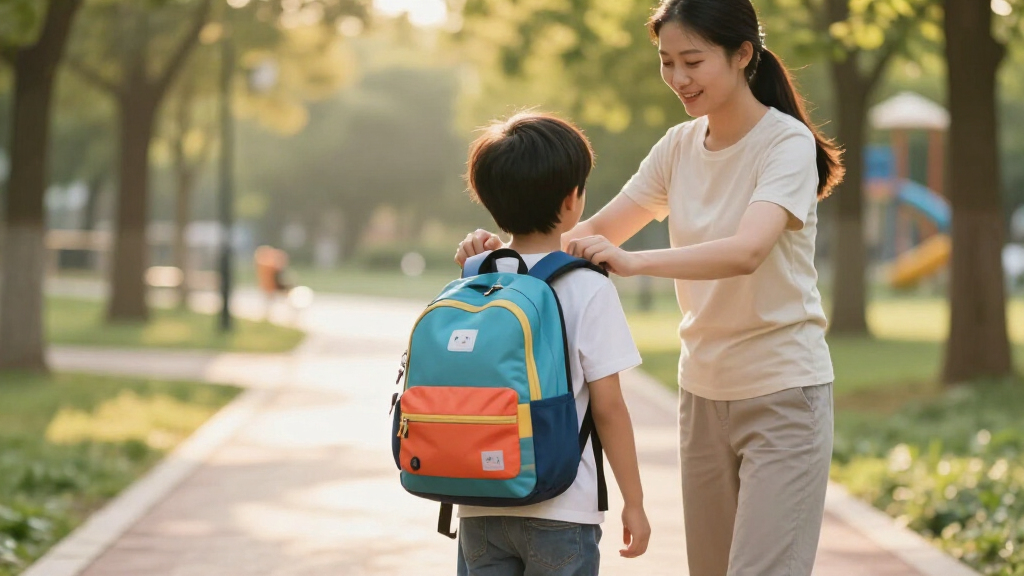
I evaluated each backpack against the criteria that actually affect a child’s comfort and posture: torso fit and adjustability, shoulder strap width and padding density, presence of a sternum or chest strap, back panel ventilation, empty weight, and whether the capacity matches the stated age range. A bag can claim ergonomic support, but if the straps are thin or the pack rides below the waist, that claim falls apart under a real load of books and a lunchbox.
I also weighed build quality versus price — reinforced stitching, zipper quality, and fabric denier — because kids’ backpacks take abuse that adult bags never see. Ranking favored packs whose ergonomic features scale correctly to the child’s size rather than ones with the most features overall. That’s why the Mountoptop outranks flashier bags for young kids while the Bluboon earns its place for older students, and why budget picks sit lower despite attractive prices.
| kids’ backpack with ergonomic support | Straps |
|---|---|
| SKYSPER Kids Backpack 12L/18L | Adjustable, padded |
| Kids Backpack for School | S-curve shoulder straps, anti-slip chest buckle, waist belt |
| Bluboon Boys School Backpack | — |
| Girls Unicorn Backpack | — |
| Mountaintop 15L Kids Backpack | Ergonomic, padded, with chest strap |
| Cherry Blossoms 13.5 Inch Kids | — |
Factors to Consider When Choosing Kids’ Backpack With Ergonomic Support
The right ergonomic backpack depends less on brand and more on matching the pack to your child’s size, daily load, and how they actually treat their gear. These are the factors I weigh before spending anything in this category.Torso Length Matters More Than Age Labels
Manufacturers label backpacks by age, but kids of the same age can differ by a head in height. What matters is torso length — the distance from the base of the neck to the hip bones. A properly fitted pack should rest between the shoulder blades and never extend past the waist. The most common mistake parents make is buying a larger bag ‘to grow into,’ which pushes weight onto the lower back and defeats every ergonomic feature the bag has. Measure your child before shopping, and if they’re between sizes, always choose the smaller option and plan to replace it in a year or two. That replacement cost is cheaper than a year of poor posture.
Sternum Straps: The Feature That Separates Real Ergonomics From Marketing
Sternum straps keep shoulder straps from sliding off small shoulders, which is the single most common comfort failure in kids’ backpacks. When straps slip, children unconsciously hunch forward to compensate. Many budget backpacks skip the sternum strap entirely because it adds cost, and parents don’t notice until the first month of school. If your child carries more than a few pounds regularly, treat a chest strap as non-negotiable rather than a bonus. If they only carry a folder and a snack, it matters far less, and you can safely prioritize other features instead.
Empty Weight Eats Into the Load Budget
Pediatric guidance generally suggests kids carry no more than 10-15% of their body weight, and a typical six-year-old weighs around 45 pounds — meaning roughly 5-7 pounds total. A backpack that already weighs 2 pounds empty consumes a third of that budget before a single book goes in. Heavier fabrics and padded laptop sleeves are the usual culprits. Weigh any backpack you’re considering (most listings state empty weight) and calculate the real remaining capacity. Lighter is almost always better for young kids, even if it means thinner fabric, because the loads they carry rarely stress the material anyway.
Water Resistance Claims Are Rarely What They Seem
‘Waterproof’ on a kids’ backpack listing almost always means water-resistant coated polyester — it handles a walk to the car in drizzle but not a downpour or a dropped juice box. Zippers are the weak point: water runs straight through standard coil zips even when the fabric repels it. If your child walks to school in wet climates, look for rain flaps over zippers or buy a cheap universal rain cover. Also check whether the coating is on the outside (durable) or the inside (peels over time). Interior coatings that feel plasticky to the touch tend to crack and flake within a school year of daily use.
Capacity: Buy for the Actual School Day, Not the Worst Case
An 8-liter pack handles a half-day kindergarten routine: a folder, snack, and change of clothes. A 15-20 liter pack suits full elementary days with lunch, books, and a jacket. The mistake is buying for the rare field-trip day and ending up with an oversized daily bag that fits poorly. Empty space also invites kids to fill it with toys and rocks, which is how ergonomic loads quietly double. Match capacity to the typical Tuesday, not the exceptional Friday. Older students with laptops or tablets need a dedicated padded sleeve — a loose device floating in the main compartment shifts weight unpredictably with every step.
Durability versus Price: Where to Spend and Where to Save
Kids destroy backpacks in predictable ways: dragging them on pavement, overstuffing them until zippers split, and yanking straps. Reinforced bottoms and quality YKK-style zippers are where spending more genuinely pays off; fancy prints and name-brand characters do not. A $20 bag that lasts one year costs the same annually as a $60 bag that lasts three. The sweet spot for most families is the $25-45 range, where you get real strap padding and decent stitching without paying for premium branding. If your child is rough on gear or you have multiple kids to hand bags down to, moving upmarket makes sense; if they’re gentle or will outgrow the size in a year, save the money.
Frequently Asked Questions
What size backpack does my child actually need for ergonomic support?
The backpack should sit between your child’s shoulder blades and never hang below the waist, which usually means matching torso length rather than trusting age labels. For preschoolers ages 3-5, something in the 8-10 liter range works; elementary kids ages 6-10 typically need 12-18 liters. Measure from the base of the neck to the top of the hips and compare that against the pack’s listed dimensions — width matters less than height. If the pack rides low even with straps fully tightened, it’s too big and no amount of padding will fix the fit. When in doubt between two sizes, choose the smaller one.
Are chest straps on kids’ backpacks really necessary, or just a gimmick?
They’re genuinely useful, not a gimmick — but their value scales with load weight. A sternum strap keeps shoulder straps anchored so weight distributes evenly across the chest instead of pulling backward on the shoulders, which is the mechanism behind most backpack-related posture complaints. For a kindergartner carrying a snack and a folder, it’s optional. For a second-grader hauling books, a lunchbox, and a water bottle, it makes a noticeable daily difference. The catch is that kids sometimes unclip them because they find them fussy, so look for straps that adjust easily and sit at chest height, not neck height. This is one reason the SKYSPER ranked highest: its sternum strap is both included and well-positioned.
How much weight is too much for my child to carry?
The widely cited guideline is 10-15% of body weight, so a 50-pound child shouldn’t carry more than 5-7 pounds including the backpack itself. Weigh the loaded pack on a bathroom scale during a typical school week — most parents are surprised by the result. If it’s over the limit, the fixes are practical: a second set of textbooks kept at home, a lighter water bottle, or leaving the laptop sleeve empty on days it’s not needed. Also remember that a heavier empty backpack eats the budget before contents are added, which is why I flagged empty weight for every pick in this roundup. Ergonomic design reduces strain from a reasonable load; it can’t cancel out an unreasonable one.
Should I buy a backpack with a laptop sleeve for an elementary school student?
Only if the school actually assigns a device, and even then, only from around third grade up. Laptop sleeves add weight, rigidity, and bulk that younger children don’t benefit from, and an empty sleeve still adds roughly half a pound. The Bluboon’s 15.6-inch sleeve makes sense for a middle schooler or an upper-elementary student with a school-issued Chromebook, but it would be wasted on a first-grader. A better test: if your child currently carries a tablet in a padded case, a simple slip pocket inside the main compartment is usually enough. Save the dedicated sleeve — and its weight — for when it’s genuinely needed.
How long should a quality kids’ backpack last, and when is it worth replacing?
A well-made pack should survive two to three school years of daily use; zipper failure and bottom abrasion are the usual endpoints, not strap wear. Replace earlier if the fit becomes wrong — a growth spurt can turn a properly sized pack into a poorly fitting one within a year, and fit problems outweigh durability at that point. Visible seam fraying, a zipper that splits when the bag is full, or a permanently misshapen back panel are signs it’s done. Cosmetic scuffs and faded prints don’t count. Budgeting roughly $20-25 per school year across a mid-range bag’s lifespan is a realistic baseline, and it’s the fairest way to compare a $25 bag against a $55 one.
Conclusion
For most families, the SKYSPER Kids Backpack 12L/18L is the best overall choice: it’s the only pick that scales across ages 4-10 with two sizes, and its sternum strap plus structured padding deliver real ergonomic support rather than marketing language. For best value, the generic Waterproof Lightweight pack covers the basics — decent strap padding and a low price — as long as your child carries a light load. Younger kids just starting school are best served by the Mountaintop 15L, whose shortened torso fit suits ages 5-7 better than anything else here, while the Cherry Blossoms 8L is the right call for preschoolers ages 3-5 who only carry a snack and a folder. For older or heavier-haul students, the Bluboon with its laptop sleeve and water-resistant build earns the premium slot. The Unicorn backpack sits in between: a reasonable ergonomic option for elementary girls with lighter loads, as long as the print appeals. Match the pack to the child in front of you — their height, their real daily load — and the decision makes itself.
Cold & flu season Picks
humidifiers
As an affiliate, we earn on qualifying purchases.