
TL;DR

Turn the school run and nap time into listening time
- Thousands of audiobooks, podcasts and originals
- Listen on your phone, tablet or Echo — also offline
- Cancel anytime
The Toy Association has started its sixth annual Toy Safety Awareness Month, sharing holiday guidance on choosing toys, understanding age labels and checking recalls. A survey of 1,000 U.S. parents found gaps in awareness about counterfeit toys, squishy toys and age recommendations; the survey findings and safety concerns are attributed to the organization and its research.
The Toy Association has launched its sixth annual Toy Safety Awareness Month, sharing guidance for families shopping for holiday gifts and supervising children’s play. The campaign focuses on counterfeit toys, age labels, squishy-toy use and product recalls, and includes resources at PlaySafe.org.
The association says it will post safety guidance on social media throughout November and make resources available through PlaySafe.org. Materials include a Toy Shopping Checklist and a tip sheet on identifying counterfeit toys. The campaign asks shoppers to look for manufacturer details, age labels, safe-use instructions and company contact information on products and packaging.
A Wakefield Research survey of 1,000 U.S. parents, cited by The Toy Association, found that 87% said the lower price of a counterfeit or knockoff toy was not worth the potential safety risk. At the same time, the association says shoppers may not recognize counterfeit products. It warns that such toys may fail to meet federal safety requirements and could pose hazards, including choking risks from broken small parts or exposure to chemicals prohibited in toys for children.
The campaign also addresses squishy toys, which the association says can tear or burst and release small parts or filling, or contain hazardous chemicals. The same survey found that 84% of parents surveyed believed knockoff squishy toys were safe for play. The association advises caregivers not to heat, freeze, puncture, bite or otherwise misuse squishy toys.
Holiday Shopping Safety Checks
The advice is aimed at decisions families make while buying gifts, choosing secondhand items and overseeing play. Counterfeit listings and unfamiliar sellers can make it harder to assess who made a toy and what safety information is available. Checking packaging and product details, as well as buying from known brands and trusted retailers, gives shoppers practical steps to follow without treating a low price as proof of a safety problem.
Age labels also matter because they are safety guidance, not just a description of a toy’s intended audience. The association points to small parts as a particular concern for younger children. Its checklist also reminds caregivers that items often present around the holidays—such as costumes, party supplies, electronics and home décor—are not necessarily designed or tested as toys. Those products may include hazards such as small batteries, non-toy water beads or high-powered magnets.
For families considering a used toy, the recommendation to check recalls.gov provides a way to look for known product recalls before purchase or use. These steps do not establish that a particular item is unsafe; they help caregivers identify information and potential warnings before children play with it.
Products Worth Considering
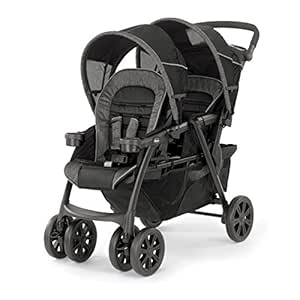
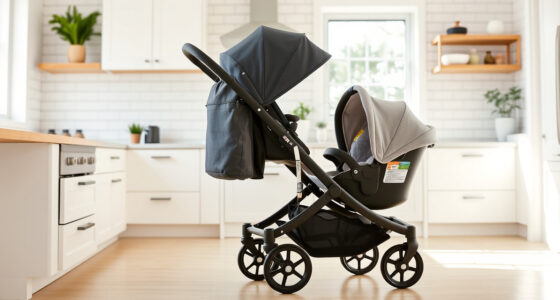
Chicco Cortina Together Double Stroller for Infants & Toddlers

Owlet Dream Duo 2 Smart Baby Monitor System with Camera and Sock

LEGO Boost Creative Toolbox 17101 Robot Building and Coding Kit, 847 Pieces
As an affiliate, we earn on qualifying purchases.
What the November Campaign Covers
The Toy Association describes this as the sixth annual Toy Safety Awareness Month. Its current holiday campaign combines shopping advice with reminders about play and supervision. The organization says its materials cover how to spot counterfeit toys, how to use squishy toys safely, why age labels matter and how to check for product recalls.
The association’s survey provides figures about the views of 1,000 U.S. parents, rather than a measure of toy injuries or the number of unsafe products on sale. It found that 35% of respondents viewed age recommendations as merely suggestions; the share was 49% among Baby Boomers surveyed. The published material does not provide further survey methodology or a comparison with earlier years.
“The lower price of a counterfeit or knockoff toy isn’t worth the potential safety risk to kids.”
— The Toy Association
Survey Scope and Product Risks
The source material does not give the survey’s field dates, sampling approach, margin of error or full question wording. The reported percentages should be read as findings from the 1,000 U.S. parents surveyed, not as estimates of all families or of the prevalence of counterfeit toys.
The association describes possible hazards associated with counterfeit toys and squishy toys, but the material does not identify particular products, sellers, injuries or enforcement actions. It also does not say how many counterfeit toys are being sold or how often they fail safety requirements. Whether an individual product is safe cannot be determined from the survey figures alone; families are directed to examine product information and check recall listings.
More Tips Through November
The Toy Association says it will share additional guidance on social media throughout November. Families can consult the Toy Shopping Checklist and squishy-toy tip sheet at PlaySafe.org, and check recalls.gov when considering secondhand toys or hand-me-downs. The source material does not announce a later report, campaign end date or other scheduled milestone.
Key Questions
What is the Toy Association announcing?
It has started its sixth annual Toy Safety Awareness Month, a November campaign with holiday shopping and play-safety guidance for families.
Where can families find the safety resources?
The association says its Toy Shopping Checklist and squishy-toy tip sheet are available at PlaySafe.org. It also plans to share guidance on social media throughout November.
What should shoppers check when buying a toy?
The association recommends looking for manufacturer information, age labels, safe-use instructions and company contact details. It also advises buying from known brands and trusted retailers and avoiding suspicious listings with misspellings or missing safety information.
What does the campaign say about age labels?
The Toy Association says age grading is safety guidance, not merely a suggestion. It notes that toys labeled for children ages 3 and up may contain small parts.
How can caregivers check whether a used toy has been recalled?
The association advises checking recalls.gov before buying secondhand toys or accepting hand-me-down items.
Source: thetoyinsider.com