To teach gratitude and care for belongings through ride-on play, involve children in sharing, taking turns, and helping repair their toys. Use personal stories about losing or damaging items to highlight responsibility and empathy. Foster understanding by discussing how careless behavior affects friends’ belongings. Incorporate visual and reinforcement tools like praise or visual stories to make lessons memorable. If you want to see more ways to turn play into meaningful lessons, keep exploring these helpful strategies.
Key Takeaways
- Use personal stories about losing or damaging ride-on toys to teach responsibility and respect for belongings.
- Encourage sharing, taking turns, and caring for ride-on toys to develop empathy and responsible behavior.
- Incorporate visual stories or multimedia tools to make lessons engaging and reinforce the importance of gratitude.
- Praise children’s efforts in caring for and repairing ride-on toys to foster pride and responsible stewardship.
- Connect play activities to real-life lessons about empathy, respect, and the value of possessions for lifelong learning.

Teaching children to appreciate and care for their belongings is essential for fostering responsibility and respect. One effective way to do this is through ride-on play, which offers a natural and engaging context for children to learn about gratitude and stewardship. As you guide them through these activities, sharing personal stories can be incredibly powerful. For example, you might tell a story about a time you lost or damaged something valuable and how you learned to take better care of your belongings afterward. When children hear about real-life experiences, they begin to understand that caring for their things isn’t just about rules—it’s about respect and empathy. Sharing stories makes the lessons relatable, helping children see the importance of their actions and how they connect to the feelings of others.
Fostering empathy is at the core of teaching responsibility for belongings. When kids understand how their actions impact others, they develop a deeper appreciation for their possessions. For instance, if a child notices a friend’s ride-on toy gets damaged because it wasn’t stored properly, you can use that moment to discuss how their carelessness might make others feel. You might say, “Imagine how you’d feel if someone didn’t treat your favorite toy with respect.” This kind of conversation encourages children to see their belongings as more than just objects—they’re part of their social world and emotional experience. When kids realize that their behavior affects not just their own feelings but also those of their friends, they’re more likely to develop a sense of responsibility and genuine gratitude for what they have.
Using ride-on play as a teaching tool also gives children practical opportunities to practice sharing and caring. When they take turns with a ride-on vehicle or help a sibling fix a broken part, they’re practicing patience and kindness, which are key aspects of gratitude. You can reinforce this by acknowledging their efforts with praise, saying, “I love how you’re sharing your toy. It shows you care about others’ happiness.” This positive reinforcement helps children internalize the value of caring for belongings. Additionally, introducing projector technology can create engaging visual stories that illustrate the importance of responsibility and empathy, making lessons more impactful. Over time, they start to see their possessions as something to cherish and protect, rather than take for granted. Through these shared experiences, storytelling, and empathetic conversations, you’re laying a foundation for lifelong respect, responsibility, and gratitude for their belongings.

COMFYRA 10 PCS Modular Kids Play Couch with 6 Inflatable Balls – Convertible Foam and Floor Cushion Sofa for Boys and Girls, Perfect Play Couch for Toddlers, Playrooms or Bedrooms (Grey)
Includes Colorful Balls – Our kids play couch comes with 6 soft complementary colorful balls and Pump, adding...
As an affiliate, we earn on qualifying purchases.
Frequently Asked Questions
How Can Parents Model Gratitude During Play?
You can model gratitude during play by consistently expressing appreciation for your child’s efforts and their belongings. Say things like, “Thanks for sharing your ride-on; I appreciate how you take care of it,” to nurture appreciation. Show gratitude when they care for their toys, and verbally acknowledge their kindness. Your active modeling of gratitude helps them understand the importance of caring and appreciating their belongings and others’.
What Are Effective Ways to Encourage Sharing Among Children?
You can spark sharing among children with simple, effective strategies. Start by modeling sharing yourself and setting clear expectations. When conflicts arise, guide them through conflict resolution, encouraging empathy and communication. Use sharing strategies like taking turns and offering praise when they share willingly. Keep the atmosphere positive, and celebrate small successes. This approach not only encourages sharing but also teaches valuable social skills that last a lifetime.
How Do I Handle a Child’s Frustration Over Toy Sharing?
When a child feels frustrated over toy sharing, you can help by acknowledging their feelings and teaching emotional regulation. Remind them that toy ownership doesn’t mean they can’t share, and encourage patience. Use calming techniques like deep breaths or counting. Reinforce that sharing fosters friendship and respect. By validating emotions and guiding them calmly, you help your child develop healthy sharing habits and understanding of ownership.
When Should I Introduce Rules About Toy Care?
You should introduce rules about toy care early, ideally when your child starts engaging with ride-on toys regularly. Establish clear guidelines for toy maintenance and respectful boundaries to foster responsibility. Kids thrive on consistent expectations, so setting these rules before issues arise helps prevent damage and teaches respect. Reinforce these boundaries gently, encouraging your child to care for their belongings and understand the importance of maintaining their toys.
How Can I Make Cleanup Time Engaging for Kids?
You can make cleanup time engaging by creating creative routines, like singing a cleanup song or turning it into a game. Incorporate reward systems, such as stickers or praise, to motivate kids. Make it fun and interactive, encouraging their participation. When kids see cleanup as a positive activity, they’ll be more willing to help, fostering gratitude and care for their belongings naturally.

Children's Factory The Whatsit Modular Kids Couch, Toddler Sofa Bed, Modular Play Couch, Gray
YOU BUILD IT COUCH: Reconfigure The Whatsit a dozen different ways for new adventures every day. When not...
As an affiliate, we earn on qualifying purchases.
Conclusion
By teaching gratitude and care through ride-on play, you cultivate a garden of respect and responsibility in your child’s heart. When they treat their toys with kindness, it’s like watering a seed that grows into a mighty tree of good habits. Remember, every gentle touch and thankful word helps your little one understand that their belongings, like precious treasures, deserve love and care. Together, you’re nurturing a future full of gratitude and thoughtful care.

zefinot Modular Kids Play Couch 10PCS – Convertible Kids Sofa & Toddler Play Couch with DIY Foam Pieces for Imaginative Play, Climbing & Relaxation for Playroom, Bedroom, Nursery & Living Room
【Versatile Design】The modular kids play couch offers different shapes foam for DIY unlimited builds,such as sofas, forts, tunnels,...
As an affiliate, we earn on qualifying purchases.
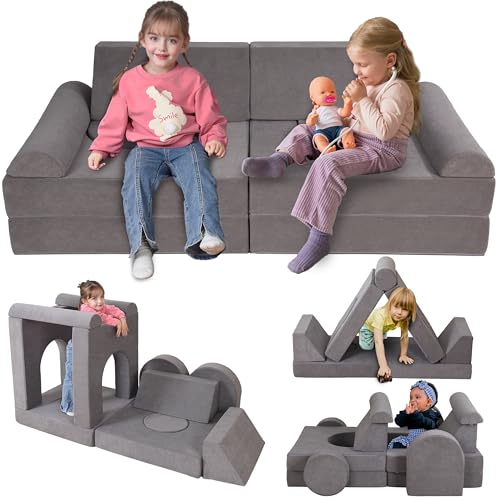
Winhomish 12-Piece Modular Kids Play Couch – Premium Soft Foam, Removable Cover, Comfortable & Safe Toddler Couch for Children 1-6 Years, Portable & Easy to Clean, Ideal for Living Room & Playroom
Premium Quality Modular Design – The Winhomish 12-piece kids modular play couch offers a luxurious and customizable solution...
As an affiliate, we earn on qualifying purchases.