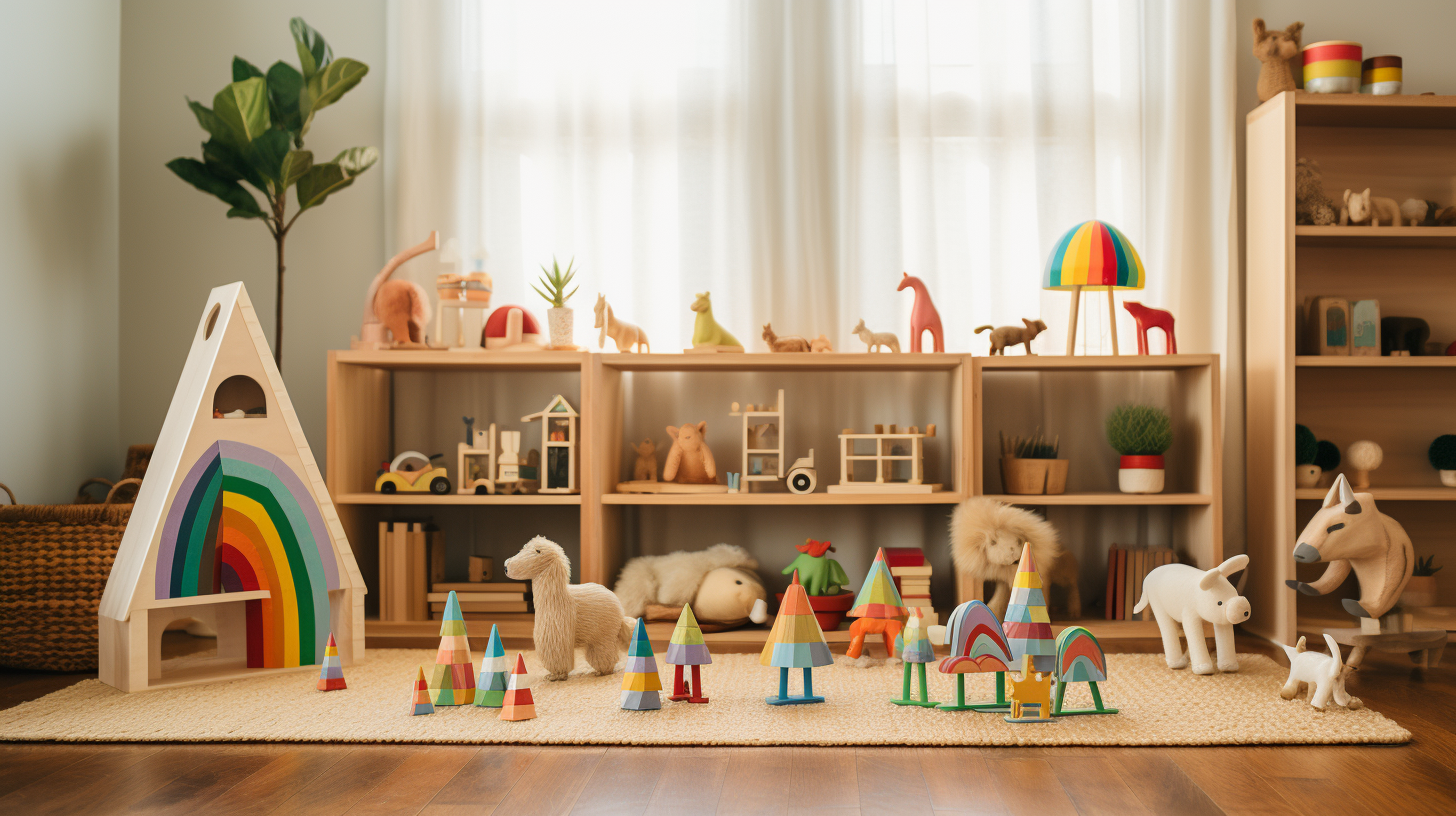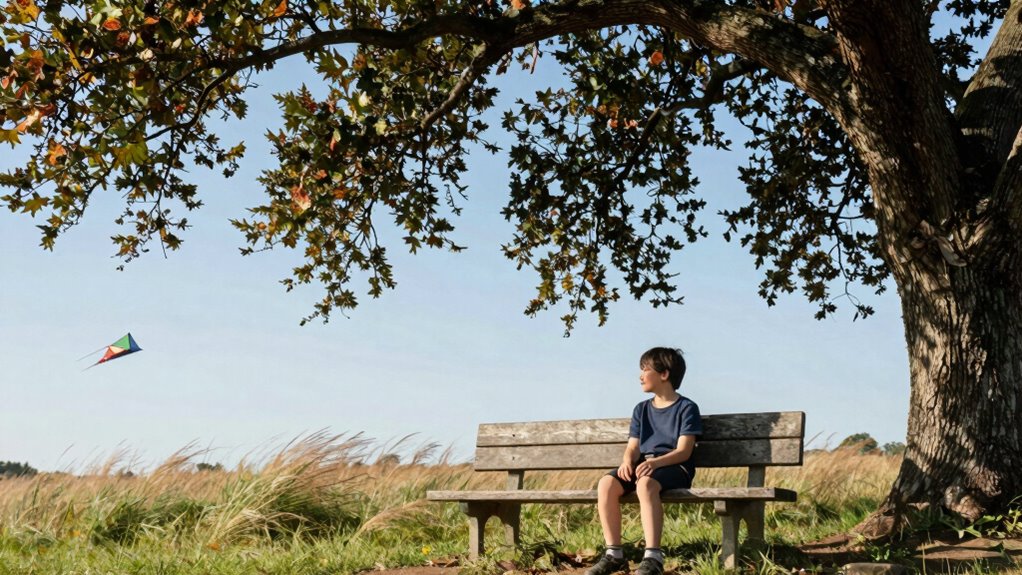

After a busy day, slower outdoor play helps you unwind by providing a calming space for your child to relax and reconnect with nature. It reduces stress, prevents overstimulation, and encourages gentle exploration through sensory activities. This laid-back approach promotes emotional regulation and independence while fostering curiosity with natural surroundings. If you want to discover more about how these peaceful moments can boost your child’s well-being, keep exploring these ideas further.

Turn the school run and nap time into listening time
- Thousands of audiobooks, podcasts and originals
- Listen on your phone, tablet or Echo — also offline
- Cancel anytime
Key Takeaways
- Slower outdoor play helps children unwind and reduce overstimulation after a busy day.
- Gentle outdoor activities promote emotional regulation and calmness, easing transitions to evening routines.
- Unstructured, relaxed play supports sensory processing and emotional resilience.
- Nature-based play fosters independence and confidence, helping children feel more in control.
- The calming environment of outdoor nature encourages mindfulness and physical relaxation.
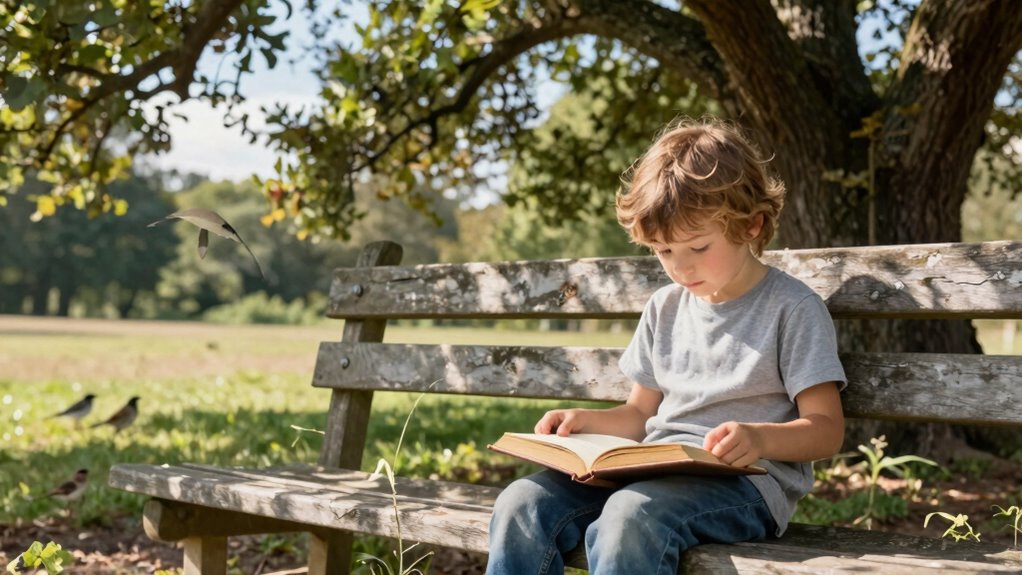
After a busy day filled with structured activities and constant stimulation, slower outdoor play can be surprisingly beneficial for children. When your child steps outside for some unhurried time, they give their mind and body a chance to unwind naturally. This kind of outdoor relaxation helps reduce stress and prevents overstimulation from a day packed with lessons, sports, or social interactions. It’s not about rushing to the next activity but about letting your child experience freedom in a calm environment. As they explore at their own pace, they develop a sense of control and comfort, which is essential after a hectic day.
During slower outdoor play, sensory exploration becomes a key part of the experience. Children are naturally curious, and when given time to quietly observe their surroundings, they pick up on textures, sounds, and smells that they might overlook during busier times. They might run their fingers over tree bark, listen to the rustling leaves, or watch insects crawl along the ground. These small sensory moments help children process their environment in a gentle way, fostering mindfulness and emotional regulation. It’s a perfect opportunity for them to reconnect with nature, which can be calming and grounding. Sensory experiences are fundamental for helping children develop emotional resilience and a sense of calm.
This relaxed outdoor time also encourages children to engage in imaginative and independent play. Without the pressure of structured rules or competitive games, they can invent stories, build with natural materials, or simply sit and watch the world around them. Such activities nurture creativity and problem-solving skills while allowing your child to feel more centered. The fresh air and natural surroundings act as a soothing backdrop that supports emotional well-being, especially after a day that’s been filled with demands and expectations. Moreover, unstructured outdoor activities promote child autonomy, which boosts confidence and decision-making skills. Engaging in biodiversity during outdoor play helps children develop an appreciation for different plant and animal species, fostering a deeper connection with nature.
You’ll notice that children tend to settle into a more peaceful state during slower outdoor play. Instead of needing constant entertainment, they find joy in the simple act of being outside—listening to birds, feeling the grass beneath their feet, or watching clouds drift by. This quiet time helps reset their energy levels, making it easier for them to transition into calm evenings or bedtime routines. It’s a gentle way to balance their mental and physical health, proving that sometimes, doing less outdoors is exactly what they need to recharge and feel whole again.
Engaging in unstructured outdoor activities also nurtures independence and confidence, as children learn to make choices and explore their environment freely.
outdoor sensory play toys for kids
As an affiliate, we earn on qualifying purchases.
As an affiliate, we earn on qualifying purchases.
Frequently Asked Questions
How Can I Tell if My Child Needs Slower Outdoor Play?
You can tell your child needs slower outdoor play if they show signs of sensory overload or become easily overwhelmed after busy days. Look for behaviors like irritability, difficulty focusing, or avoiding active play. If your child seems overstimulated by excessive stimulation, slowing down outdoor activities helps them reset and relax. Pay attention to their cues, and adjust the pace of play to support their emotional and sensory needs effectively.
Are There Specific Activities That Work Best for Calming Children?
Think of calming activities as gentle waves easing a stormy sea. Creative activities like drawing or storytelling and sensory experiences, such as playing with textured materials or water, work wonderfully. These activities help your child focus and relax, turning chaos into calm. By engaging their senses and creativity, you give them a safe harbor to unwind after a busy day, fostering peace and emotional balance.
How Does Outdoor Play Improve Children’s Mental Health?
Outdoor play boosts children’s mental health by supporting sensory integration and emotional regulation. When you let your child explore nature, they engage their senses, which helps process emotions and reduce stress. Active outdoor activities encourage mindfulness, improve mood, and foster resilience. As they navigate different environments, they learn to manage feelings better, leading to increased confidence and overall mental well-being. You’re helping your child build a healthy emotional foundation through outdoor play.
What Age Groups Benefit Most From Slower Outdoor Play?
You’ll find that younger children, especially those aged 2 to 5, benefit most from slower outdoor play. During this time, they experience deeper nature connection and engage in sensory exploration, which helps calm their minds after busy days. Slow, unstructured play allows them to process their surroundings at their own pace, fostering emotional regulation and curiosity. As children grow older, they still gain from this calm, nature-focused time, but the youngest children benefit the most.
Can Slower Outdoor Play Replace Other Calming Routines?
You might find that slower outdoor play can sometimes replace indoor relaxation or quiet time, especially after a busy day. As you watch your child wander calmly through the yard, it’s like the peaceful moment coincides with their need to unwind. This gentle outdoor activity can serve as a natural calming routine, helping your child settle down better than indoor quiet time alone, providing both fresh air and mental relaxation.
Conclusion
After a busy day, slower outdoor play can be just what you need. It helps you unwind, reconnect with nature, and reset your energy levels without overwhelming yourself. This gentle approach allows your mind and body to relax and recharge naturally. So, next time your day’s been hectic, try a calm outdoor activity. You might find that it’s the perfect way to unwind, refresh, and enjoy your time outside without feeling rushed or overstimulated.
Halloween Picks
halloween
As an affiliate, we earn on qualifying purchases.