
If your child’s playroom is often cluttered or toys go untouched, it’s a sign they might not need more big toys. Watch for signs of boredom or frustration with current toys, and note if they tend to leave toys unused or outgrow them quickly. Overwhelmed spaces can also indicate a need to reassess before adding new items. Keep exploring to discover more helpful clues that guide your toy choices effectively.

Turn the school run and nap time into listening time
- Thousands of audiobooks, podcasts and originals
- Listen on your phone, tablet or Echo — also offline
- Cancel anytime
Key Takeaways
- Frequent boredom or disinterest in current large toys suggest a need for new options.
- Overcrowded, cluttered play areas hinder safety and indicate limited space for additional big toys.
- Toys showing signs of damage or not being used as intended point to the need for replacement or fewer toys.
- Child quickly outgrowing toys or preferring smaller, versatile options signals that more large toys may be unnecessary.
- Limited storage or safety concerns in the play area make adding another big toy impractical.
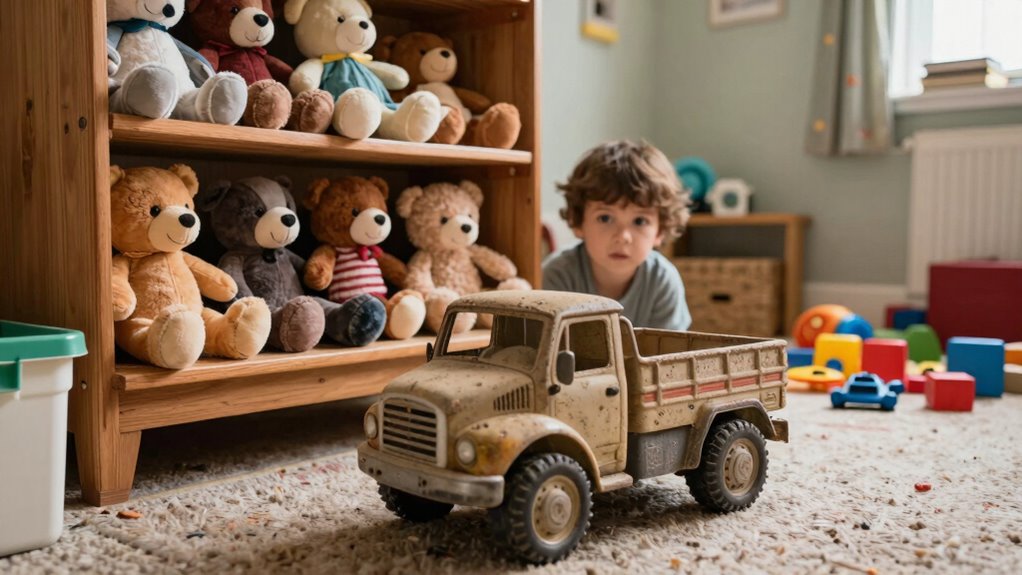
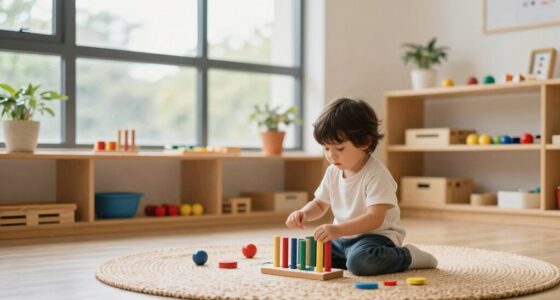
Before adding another big toy to your child’s collection, it’s helpful to pay attention to some clear observation clues. Think about how your child interacts with their current toys. Do they frequently play with the ones they already have, or do they seem overwhelmed or uninterested? If your child shows little interest in their existing large toys, bringing in another might not be necessary. Instead, observe whether your child’s play space is cluttered or organized. If it’s overflowing with big toys that rarely get played with, adding more could contribute to clutter and make it harder to maintain a tidy, safe environment.
Before adding more large toys, observe your child’s interest and play space organization to ensure safety and avoid clutter.
Child safety should always be your top priority. When considering whether to add another big toy, look for signs that your current toys are safe and age-appropriate. Are they in good condition, free of sharp edges or broken parts? If your child has access to toys that are no longer safe, it signals a need to replace or remove some items before adding new ones. Also, if your child tends to climb on or around large toys in ways that seem risky, it’s worth reassessing whether more big toys are necessary or if existing ones need better safety features. Remember, storage solutions are crucial here. If your play area lacks proper storage for big toys, they tend to be left out, creating hazards like tripping or falling. Ensuring you have enough storage options, such as bins, shelves, or toy chests, can help keep the space safe and organized. Proper storage solutions are essential for maintaining a clutter-free environment.
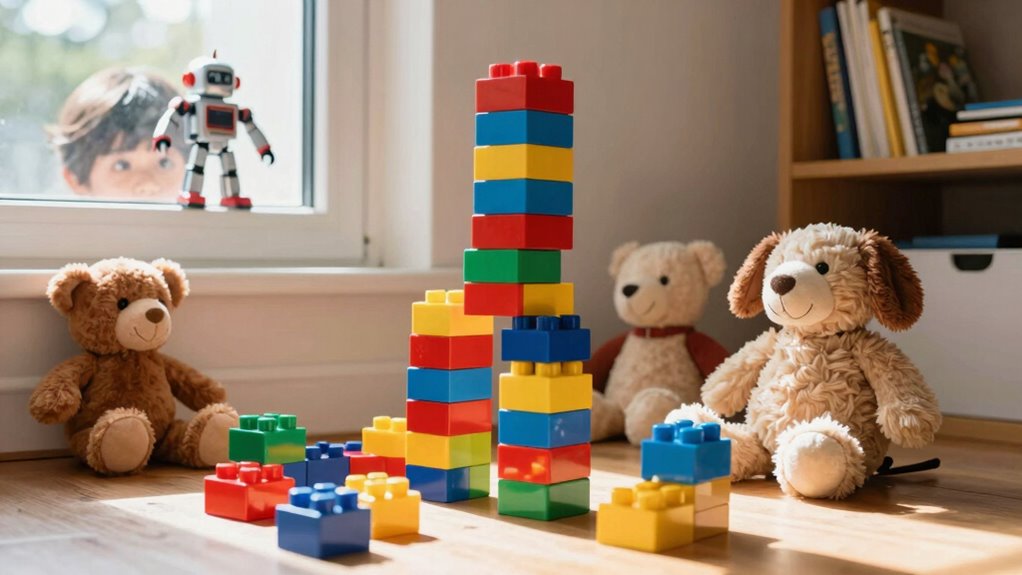
Additionally, observe your child’s play habits. Do they use the big toys as intended, or do they often leave them untouched? Sometimes, kids outgrow toys quickly or simply lose interest, which results in unused clutter. If that’s the case, investing in smaller, more versatile toys or activities might be more beneficial. You also want to consider your own capacity to manage additional toys. Do you have enough space to store and maintain another large item? If not, it might be better to hold off until you can find suitable storage solutions that keep the area safe and clutter-free.
It’s important to recognize that play environment safety plays a key role in your decision-making process. In the end, the decision to add another big toy hinges on careful observation of your child’s interest, safety considerations, and your ability to manage storage. By paying close attention to these clues, you can make a thoughtful choice that benefits your child’s development while maintaining a safe and organized play environment.
As an affiliate, we earn on qualifying purchases.
Frequently Asked Questions
How Often Should I Reassess My Child’s Interest in Their Toys?
You should reassess your child’s interest in their toys every few months. Keep an eye on toy durability and age appropriateness, as children’s preferences change quickly. If a toy becomes damaged or your child loses interest, it’s time to evaluate whether they still benefit from it. Regular checks help you decide if a new big toy is needed or if the current ones still serve their purpose, ensuring ongoing engagement and safety.
What Safety Concerns Should I Consider Before Buying a New Big Toy?
Before buying a new big toy, consider the subtle signals your child’s safety needs. Check toy safety guidelines and confirm it’s age-appropriate to prevent potential hazards. Look for sturdy construction, smooth edges, and non-toxic materials. Remember, a toy that’s too advanced may cause frustration or accidents. Prioritizing toy safety and age appropriateness ensures your child’s enjoyment and well-being, making playtime safe and fun for everyone.
How Can I Involve My Child in Choosing Their Next Toy?
You should involve your child in choosing their next toy by asking about their preferences and interests, making the process fun and interactive. Focus on toy durability to guarantee it lasts through playtime, and encourage parental involvement to guide choices that are safe and age-appropriate. Listening to your child’s input helps build excitement and responsibility, while also making sure you select a toy that’s both enjoyable and long-lasting.
Are There Eco-Friendly Big Toy Options Available?
You might be surprised to find eco-friendly big toy options, made from eco-friendly materials and produced through sustainable manufacturing. These toys help reduce environmental impact while still delighting your child. Look for brands committed to eco-conscious practices, and you’ll discover sturdy, safe toys that promote sustainability. Choosing these options not only benefits the planet but also teaches your child the importance of caring for the environment from a young age.
How Do I Store or Organize Large Toys Effectively?
To store large toys effectively, try using designated storage solutions like big bins, shelves, or storage cubes that fit the toys’ size. Implement a toy rotation system to keep things fresh and reduce clutter. Regularly sort and tidy up, making sure toys are accessible yet organized. This approach keeps your space neat and encourages your child to develop good cleanup habits while maximizing storage efficiency.
Conclusion
So, before you bring home another big toy, take a moment to observe. Notice if your child’s interest has truly waned or if they’re just bored. Watch for signs of clutter or untouched playthings. Consider whether it will spark joy or just add to the chaos. Ask yourself if it encourages creativity or simply fills space. By paying attention to these clues, you’ll make mindful choices that foster meaningful play and keep your home balanced.
Fall Picks
fall essentials
As an affiliate, we earn on qualifying purchases.