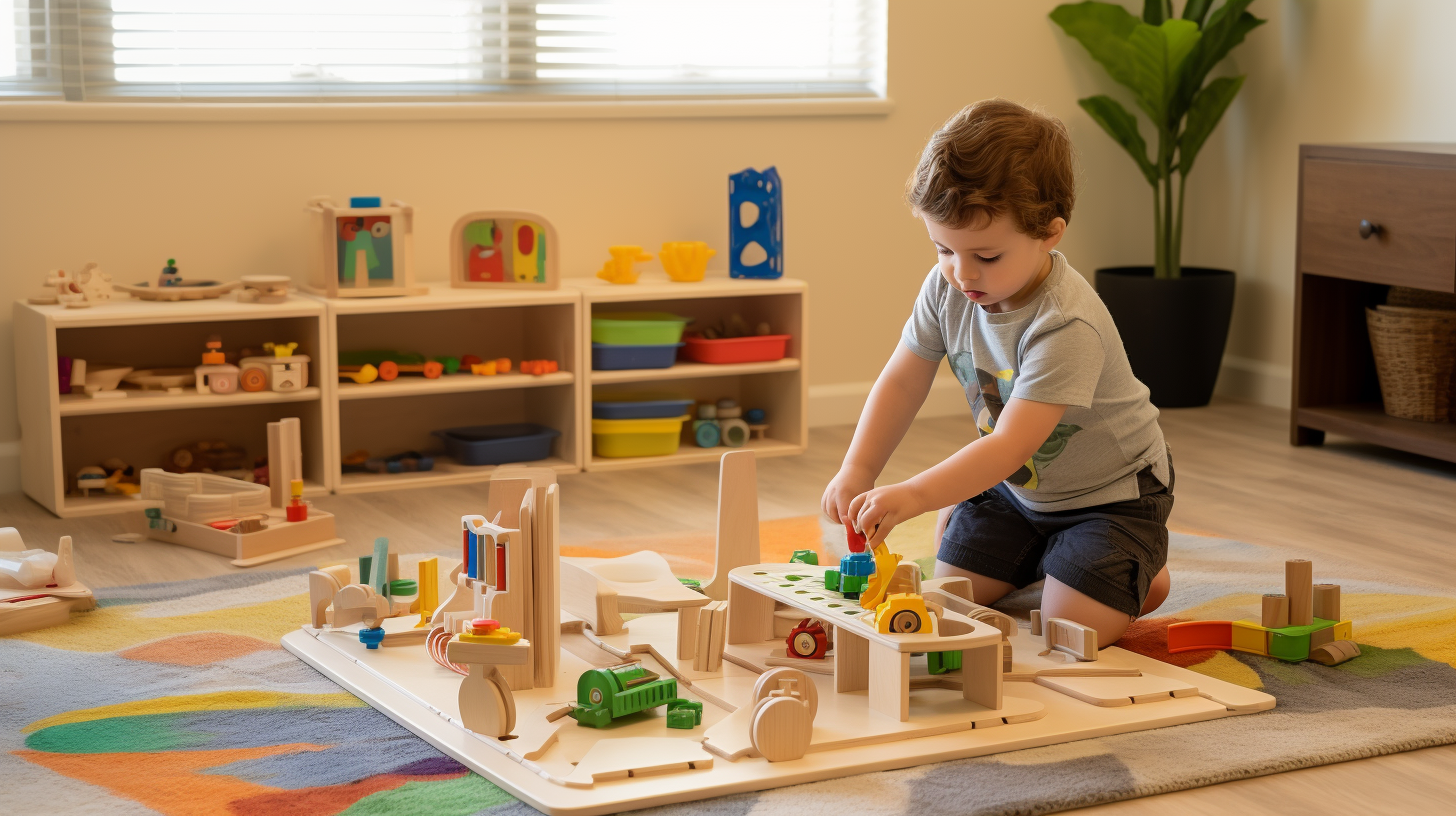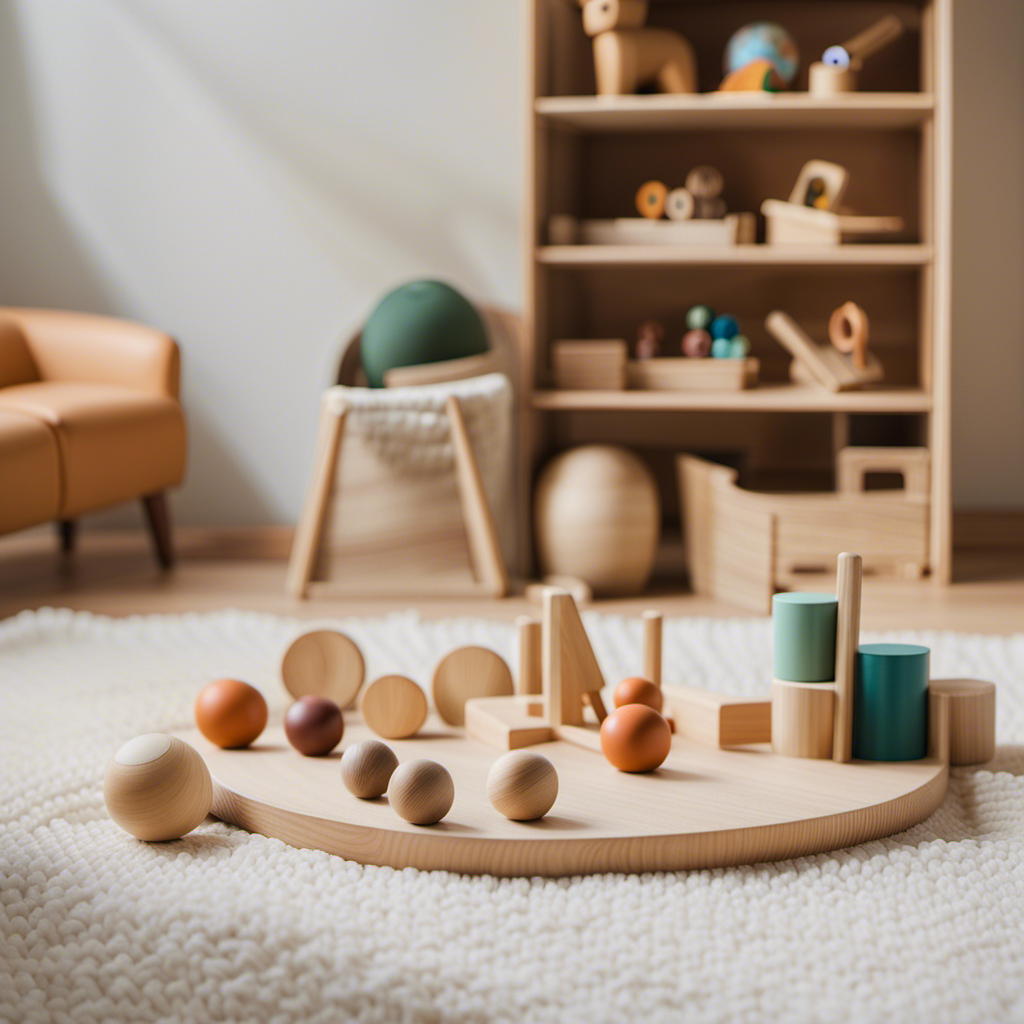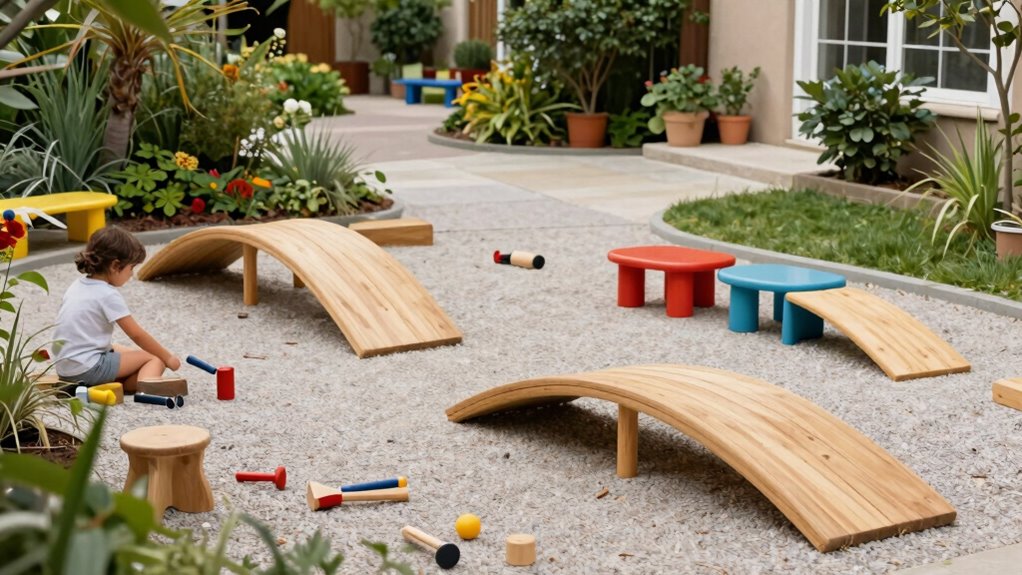
Transform your driveway into a safe, colorful outdoor space inspired by Montessori principles by incorporating textured stations, child-sized tools, and natural elements. Use low barriers for boundaries and guarantee surfaces are even and slip-resistant. Add sensory activities like water tables and sandboxes, promoting exploration and fine motor skills. Balance active play with quiet areas for reflection. By continuously inspecting and updating the space, you create an engaging environment that fosters independence, discovery, and a deep connection with nature—explore how to make it work for you.

Turn the school run and nap time into listening time
- Thousands of audiobooks, podcasts and originals
- Listen on your phone, tablet or Echo — also offline
- Cancel anytime
Key Takeaways
- Design the driveway with safety features, low barriers, and non-slip surfaces to create a secure Montessori-inspired outdoor space.
- Incorporate sensory-rich stations with varied textures, water activities, and natural elements to foster exploration and motor skills.
- Use natural materials and sustainable tools to connect children with nature and promote ecological awareness.
- Include child-sized tools and organized zones to encourage independence and decision-making during active and quiet play.
- Regularly update and inspect the environment to ensure safety, engagement, and opportunities for holistic outdoor learning.

When the weather warms up, turning your driveway into a fun outdoor play area can be a great way to keep kids active and entertained. With a little planning, you can create a space that’s both engaging and safe, encouraging your child’s independence while supporting their development. Start by considering garden safety; ensure the area is free from sharp objects, debris, or anything that could cause injury. Use non-toxic paints or chalk to create colorful markings or games on the pavement, making the space inviting and playful. Adding low, sturdy barriers can help define the area and prevent children from wandering into unsafe zones like the street.
To make the driveway a truly Montessori-inspired environment, incorporate sensory activities that stimulate your child’s senses and promote learning through exploration. Set up stations with different textures—such as a tray of smooth stones, squishy sponges, or coarse sand—so your child can engage with varied tactile experiences. You might also include a water table for pouring and splashing, which enhances fine motor skills and introduces concepts like volume and flow. Incorporate natural elements like potted plants or small garden beds nearby, where children can dig, plant, and observe growth. These activities foster a connection to nature and teach responsibility in caring for living things. Additionally, understanding the importance of biodiversity can inspire children to appreciate the variety of plants and animals in their environment. Creating opportunities for children to observe ecosystems firsthand can deepen their understanding of nature’s complexity. Integrating nature-based learning into play helps develop a sense of curiosity and conservation awareness from an early age. Incorporating environmentally friendly materials in your outdoor setup can further support sustainability and model eco-conscious habits. Introducing simple, child-friendly tools made from sustainable materials can enhance the learning experience while reinforcing eco-awareness.
Designing a sensory-rich environment encourages children to explore independently, which aligns with Montessori principles. Use child-sized tools—like shovels, watering cans, or brushes—so your little one can participate actively without feeling overwhelmed. Setting up a small, shaded area with a blanket or picnic table offers a cozy spot for quiet observation or storytime, balancing active play with moments of calm. Keep the surface of the driveway even and non-slip to reduce the risk of falls, especially when children are running or climbing.
Supervision remains essential, but a well-organized space allows your child to make choices and learn from their environment safely. As they experiment with different textures, sounds, and movements, they develop their senses and motor skills naturally. Regularly inspecting the play area ensures garden safety is maintained and that sensory activities stay engaging and safe. With thoughtful preparation, your driveway becomes more than just a parking spot—it turns into a vibrant, educational outdoor space where your child can grow, learn, and enjoy the fresh air with confidence.
Frequently Asked Questions
What Safety Precautions Are Recommended for Driveway Outdoor Play?
You should actively supervise your child during driveway outdoor play to prevent accidents. Remove driveway hazards like debris and sharp objects, and set clear boundaries to keep kids within a safe area. Use barriers or cones to mark play zones, ensuring your child doesn’t wander into the driveway when vehicles are nearby. Always stay alert, monitor their activities, and teach safety rules to minimize risks and promote a secure outdoor play environment.
How Can I Create a Versatile Play Space in the Driveway?
You can create a versatile play space in your driveway by designing a creative layout that combines different activity zones. Incorporate sensory integration by adding textured mats, water tables, or sandboxes to stimulate senses. Use portable equipment like cones, hoops, and balance beams to easily rearrange the area. This setup encourages exploration and movement, making the driveway a dynamic, engaging environment tailored to your child’s developmental needs.
Are There Specific Montessori-Approved Materials Suitable for Driveway Play?
Yes, you can use Montessori materials and outdoor toys for driveway play. Opt for simple, natural items like wooden blocks, a small sandpit, or a balance beam to promote coordination and independence. Outdoor toys like riding trikes, climbing structures, and sensory bins also work well. These materials foster hands-on learning and exploration, aligning with Montessori principles. Make certain everything is safe, durable, and suited for outdoor use to create an engaging, educational environment.
How Do I Involve Children in Setting up the Driveway Play Area?
Think of setting up the driveway play area as planting seeds for independence. You involve children through child-led planning, encouraging them to share ideas and choose natural materials like stones, sticks, or flowers. Let them decide where things go and how they want the space to look. This hands-on approach fosters ownership, creativity, and a sense of responsibility, making the outdoor environment a true extension of their learning journey.
What Are Some Common Challenges With Driveway Outdoor Play?
You might face challenges like driveway clutter, which can make the space unsafe or less inviting. Weather considerations also play a big role; rain, snow, or excessive heat can limit outdoor play opportunities. To manage these, regularly tidy up and store toys properly, and schedule outdoor activities during suitable weather conditions. Planning ahead helps create a safe, engaging environment that encourages children to explore and learn through outdoor play.
Conclusion
By creating a prepared driveway environment, you open the door to endless outdoor adventures that foster independence and creativity. Your child will thrive in this safe, stimulating space where learning happens naturally. Remember, a little effort goes a long way, and with patience, you’ll see their confidence grow by leaps and bounds. So, roll up your sleeves and get ready—this is one project where you truly reap what you sow, and the rewards are priceless.
Fall Picks
fall essentials
As an affiliate, we earn on qualifying purchases.