
Repetition in Waldorf toys helps you support children’s growth by encouraging mastery, creativity, and emotional resilience through familiar play. When kids repeatedly manipulate and explore the same toy, they develop fine motor skills, confidence, and patience. It also sparks their imagination as they invent new stories with familiar objects. This steady, meaningful engagement creates a sense of stability and encourages ongoing curiosity. To understand how repetition truly benefits your child’s development, keep exploring this fascinating approach.

Turn the school run and nap time into listening time
- Thousands of audiobooks, podcasts and originals
- Listen on your phone, tablet or Echo — also offline
- Cancel anytime
Key Takeaways
- Repetition with a single toy fosters motor skill mastery, coordination, and confidence through consistent practice.
- It encourages imaginative storytelling, deepening understanding and creativity with familiar objects.
- Repeated play provides comfort, stability, and emotional resilience, supporting patience and perseverance.
- It enhances cognitive and social development by allowing children to explore scenarios and problem-solve repeatedly.
- Waldorf toys are intentionally designed to promote growth beyond entertainment through meaningful, repetitive interactions.
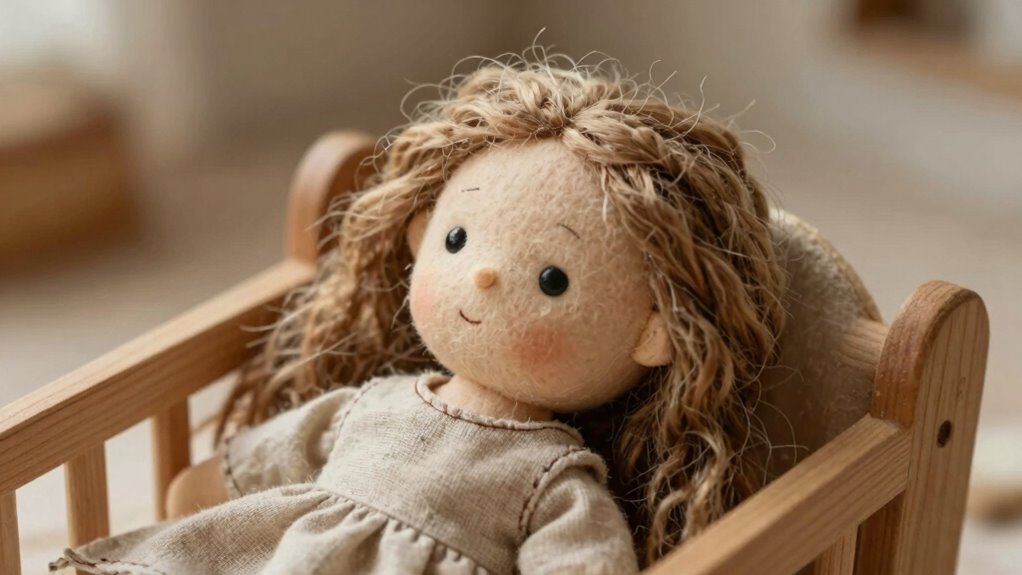
Repetition is a fundamental aspect of Waldorf toys, serving a purpose that goes beyond mere entertainment. When you introduce a toy that encourages repeated use, you’re not just providing a fun object—you’re supporting your child’s growth in meaningful ways. Repetition helps children master skills, build confidence, and develop a deep understanding of their environment. With Waldorf toys, this repetition fosters motor skill development as your child repeatedly manipulates, grasps, or stacks, refining their coordination and fine motor abilities over time. This consistent practice supports developmental milestones and enhances overall coordination. As they repeatedly engage with the same toy, they learn to control their movements more precisely, strengthening muscles and enhancing hand-eye coordination. This process isn’t just about physical growth; it’s about creating a foundation for future learning and confidence.
At the same time, Waldorf toys are designed to spark and nurture imaginative play, which is crucial for your child’s cognitive and emotional development. When they encounter a familiar toy, they can invent new stories or scenarios, layering their imagination onto the simple object. This repetition allows your child to explore different roles, settings, and emotions, deepening their understanding of the world around them. Repetition also helps solidify imaginative play as a key skill, allowing children to experiment more confidently with new ideas. Each time they re-engage with the same toy, they’re not simply repeating an action—they’re expanding their creative horizons. Repetition also cultivates emotional resilience, as children learn to persevere through challenges and develop patience. The familiarity of the toy provides a safe base from which they can experiment with storytelling, problem-solving, and social interaction, making each play session richer and more meaningful.
You might notice that your child often returns to the same Waldorf toy again and again. That’s because repetition offers comfort and stability, creating a sense of mastery and allowing your child to build their confidence. They learn the nuances of the toy, discovering new ways to use it and new stories to tell. This process encourages patience and perseverance, as they become more skilled and inventive with each encounter. Repetition doesn’t bore them—it fuels their curiosity and supports their development in subtle yet powerful ways. When you see your child repeatedly engaging with a single toy, remember that each repeated interaction is an opportunity for growth—enhancing motor skills and unlocking endless possibilities for imaginative play. Recognizing the importance of repetition in Waldorf toys helps us understand how they are designed to foster development beyond simple entertainment.
As an affiliate, we earn on qualifying purchases.
Frequently Asked Questions
How Does Repetition Support Child Development Beyond Waldorf Education?
Repetition supports your child’s development by strengthening motor skills and fostering emotional growth. When they repeat activities, they refine coordination and build confidence, which boosts their motor abilities. It also helps them process emotions, develop patience, and gain a sense of mastery. You’ll notice that through consistent repetition, your child feels more secure, learns better self-regulation, and develops resilience, all essential for healthy emotional development beyond Waldorf education.
Are There Any Risks Associated With Excessive Repetition in Toy Play?
Excessive repetition in toy play can pose risks like boredom and child overstimulation. When a child repeatedly engages with the same toy, they might lose interest, leading to frustration or disengagement. Overstimulation from constant exposure can also overwhelm their senses, making it harder to focus or relax. To avoid these risks, introduce variety and balance, allowing your child to explore new activities while still enjoying familiar play.
How Can Parents Encourage Meaningful Repetition Without Boredom?
You can encourage meaningful repetition by fostering parental engagement and creating a rich play environment. Let your child explore the same toy repeatedly, but introduce gentle variations—different stories, new ways to play, or added accessories—to keep their curiosity alive. This approach deepens their understanding and builds confidence, while your active involvement and a thoughtfully prepared play space make the experience engaging and meaningful, preventing boredom and promoting growth.
What Are Some Cultural Differences in Views on Repetition in Play?
Cultural perceptions deeply influence how you view repetition in play. In some cultures, like Western ones, repetition might seem boring or unnecessary, emphasizing variety and novelty. Conversely, in many Asian or indigenous cultures, play traditions value repetition for developing mastery, patience, and understanding. By recognizing these cultural differences, you can appreciate that repeated play isn’t just about entertainment but also about nurturing skills, cultural identity, and deeper learning.
How Does Repetition Influence a Child’s Creativity and Imagination?
Repetition boosts your child’s creativity and imagination by providing creative reinforcement, allowing them to deepen their understanding and explore new ideas within familiar routines. As they repeat activities, they gain imaginative mastery, transforming simple play into innovative storytelling and problem-solving. This steady practice helps children feel confident, encourages experimentation, and sparks new ways to reimagine their toys and scenarios, fueling their creative growth over time.
Conclusion
Repetition in Waldorf toys isn’t just about sameness; it’s the steady drumbeat of a child’s imagination, inviting endless stories to unfold. Like a familiar song that soothes and sparks creativity, these toys become trusted companions on your child’s journey. Embrace the gentle rhythm, and watch as simple objects transform into worlds of wonder, nurturing their growth and curiosity. After all, in the dance of childhood, repetition is the steady beat that keeps the magic alive.
Fall Picks
fall essentials
As an affiliate, we earn on qualifying purchases.