
You can create fun family handwork projects by making toy accessories and play props from fabric scraps, felt, or recycled materials. Assign simple tasks like cutting, gluing, or stuffing to kids while adults handle sewing and embellishing. These projects boost creativity, teach crafting skills, and strengthen family bonds. Start with easy items like plush food or miniature furniture, and experiment with textures and colors. If you keep exploring, you’ll find even more inspiring ideas and tips to try together.
Key Takeaways
- Choose simple, small-scale projects like plush food or miniature furniture suitable for family participation.
- Incorporate easy techniques such as hand sewing, fabric gluing, and stuffing for accessible crafting.
- Assign age-appropriate tasks like cutting fabric to kids and sewing or embellishments to adults.
- Use recycled materials and leftover fabrics to create eco-friendly, cost-effective toy accessories.
- Document progress and celebrate finished projects to encourage family bonding and skill development.
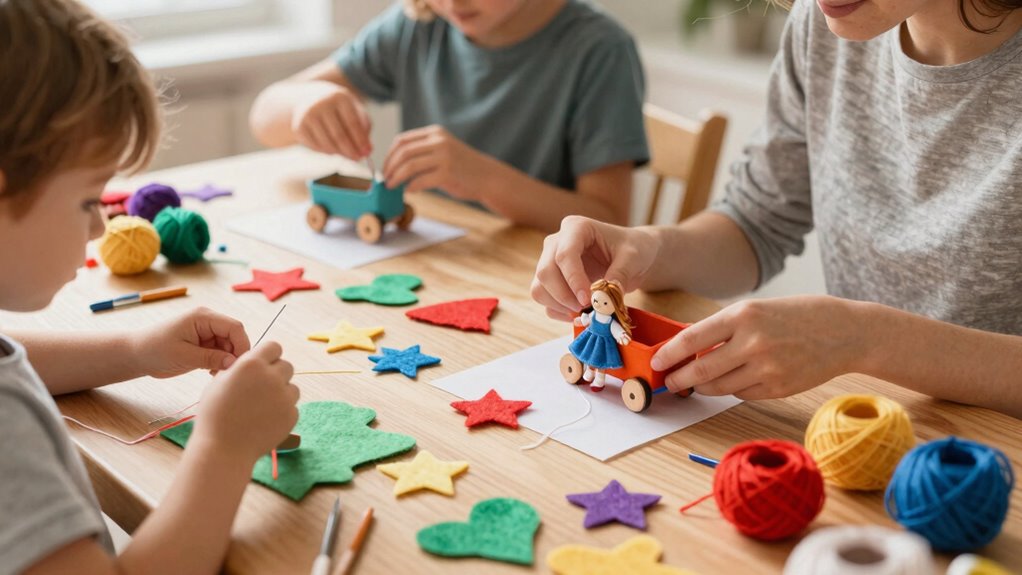
Creating toy accessories and play props as a family can be a fun and rewarding way to inspire creativity and encourage bonding. When you embark on these projects, you get to see firsthand how everyone’s ideas come together, transforming simple materials into imaginative playthings. Whether you’re crafting plush food, tiny costumes, or miniature furniture, DIY sewing is a fantastic skill to develop together. It’s simple enough for beginners and offers endless possibilities for customization. Plus, with crafting techniques like hand stitching, sewing machine use, and fabric gluing, you can tailor each project to your child’s interests and your family’s style.
Create fun, personalized toy accessories with family—boost creativity, teamwork, and eco-friendly crafting in every project.
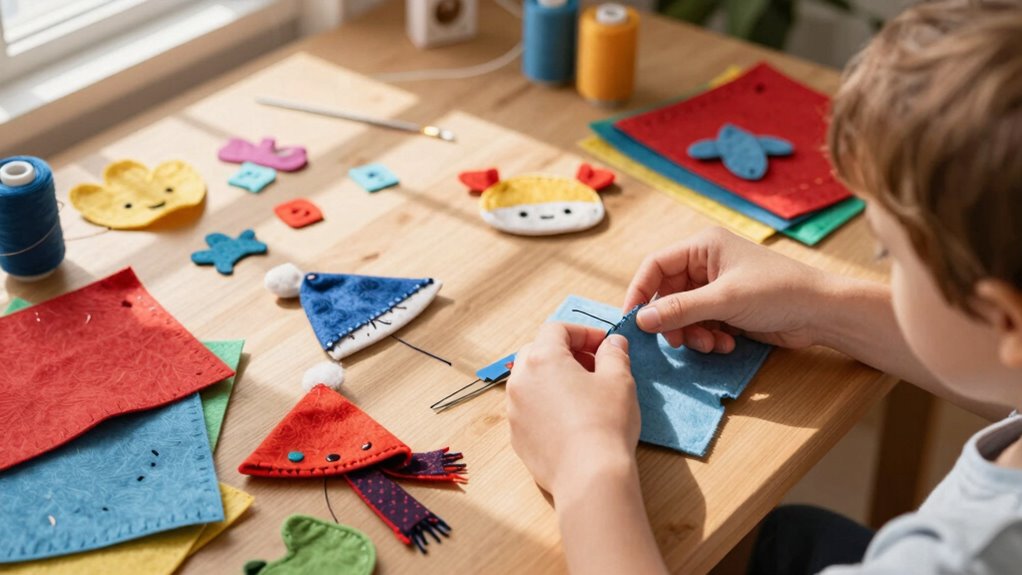
As you work on these projects, you’ll find that mastering basic crafting techniques makes a huge difference. For instance, learning how to sew straight seams or create clean edges can elevate your projects from basic to professional-looking. You might start with simple felt accessories, like hats or animal masks, which are forgiving for beginners and quick to assemble. As your confidence grows, you can explore more complex techniques such as fabric stuffing, decorative embroidery, or even adding small details with fabric paints. These methods allow you to add personality and charm to each play prop or toy accessory, making them truly special. Developing these crafting skills can also help improve precision and patience, making future projects even more enjoyable. Incorporating recycling and upcycling into your projects not only reduces waste but also sparks creativity in repurposing materials into delightful accessories.
Getting everyone involved keeps the process lively and engaging. Kids can handle simple tasks like cutting fabric or stuffing plush toys, while adults can take on more precise work like sewing seams or attaching embellishments. This collaborative effort not only teaches valuable crafting skills but also fosters patience and teamwork. Plus, you get to see the joy on your children’s faces when they see their ideas come to life in their playroom. Creating these accessories also opens the door to recycling and upcycling materials you already have at home, making the project eco-friendly and budget-conscious. Additionally, exploring different fabric types can add new textures and durability to your projects.
Throughout your crafting journey, don’t be afraid to experiment with different fabrics, textures, and colors. Use scraps leftover from other projects or old clothes to make your accessories unique. Document your progress, perhaps by taking photos or keeping a craft journal, so you can revisit techniques or replicate favorite items later. The beauty of family handwork projects lies in the process as much as the finished product. As you gain confidence, you can challenge yourselves with more intricate designs, combining various crafting techniques to create detailed and durable play props that will last for years. Ultimately, these projects are about creating memories, fostering skills, and expanding your family’s imaginative world together.

WATINC Hand Puppet Making Kit, Felt Sock Puppet Toys for Kids (Animals)
- Complete DIY Puppet Kit: Includes 6 puppets, pompoms, googly eyes, and decorations
- Boosts Creativity & Motor Skills: Enhances imagination, concentration, and fine motor skills
- Ideal Indoor Craft Activity: Safe, fun, and engaging for kids at home or school
As an affiliate, we earn on qualifying purchases.
As an affiliate, we earn on qualifying purchases.
Frequently Asked Questions
What Safety Precautions Should I Take During Family Craft Projects?
You should prioritize craft area safety by keeping sharp tools, hot glue guns, and small parts out of children’s reach. Always guarantee adult supervision during the project to prevent accidents and guide safe handling of materials. Use safety gear like goggles if necessary, and organize your workspace to avoid clutter. Teaching kids about safe craft practices helps them enjoy the process while staying protected throughout family craft projects.
Which Materials Are Safest for Young Children to Use?
You should choose materials that are definitely safe for young children, like non-toxic paints and child-safe glues, to guarantee their safety and peace of mind. Some parents worry about allergies or harmful chemicals, but using these kid-friendly options helps prevent accidents and fosters confidence in their creativity. Always read labels carefully and supervise closely, so your child can enjoy crafting happily and safely.
How Can I Customize Toy Accessories for Different Play Themes?
To customize toy accessories for different play themes, focus on themed design ideas that match the setting or story your child enjoys. Use personalization tips like adding initials, favorite colors, or small themed charms to make each piece unique. You can also incorporate themed patterns or motifs, such as stars for space or flowers for a garden, ensuring the accessories enhance the play experience and inspire imaginative storytelling.
What Are Some Budget-Friendly Ideas for Toy Props?
Did you know that over 75% of parents look for budget-friendly ways to enhance play? To save, try DIY costume ideas and recycled material crafts for toy props. Using items like cardboard, fabric scraps, or plastic containers allows you to create fun, customized accessories without spending much. These projects are easy, eco-friendly, and spark creativity, making playtime more engaging while keeping costs low.
How Do I Store Handmade Toy Accessories Safely?
To store handmade toy accessories safely, you should choose the right toy storage solutions like clear plastic bins or labeled baskets, making it easy to see and access items. Implement accessory organization tips such as using small compartments or zippered pouches for tiny pieces. Keep delicate items away from areas with heavy play, and regularly check for wear or damage to guarantee your handmade accessories stay in good condition for future play.
Conclusion
So, next time you find yourself knee-deep in glue and fabric scraps, remember: your family’s handwork projects aren’t just about making toy accessories—they’re about creating memories, one imperfect stitch at a time. Sure, those homemade props might wobble or tear, but isn’t that part of the charm? Ironically, it’s often the flaws that make your creations special, turning simple playthings into treasured keepsakes. Embrace the mess—you’re crafting more than toys; you’re building family stories.