Embracing the minimalist movement by reducing toy clutter can boost your child’s focus, creativity, and development. Limiting toys creates calmer spaces where kids can explore meaningful play and build skills like problem-solving and independence. Choosing high-quality, open-ended, and natural toys encourages curiosity and resilience. Organizing and rotating toys keeps attention fresh while teaching kids about intentional choices. Continued efforts help your child grow by fostering deeper engagement and confidence—if you keep exploring, you’ll discover even more benefits.

Turn the school run and nap time into listening time
- Thousands of audiobooks, podcasts and originals
- Listen on your phone, tablet or Echo — also offline
- Cancel anytime
Key Takeaways
- Reducing toy clutter fosters focus, creativity, and independence in children while creating a calmer, more organized play environment.
- Prioritize high-quality, open-ended, natural toys that promote skill-building and critical thinking over quantity.
- Implement toy rotation and simple storage solutions to maintain interest and minimize overwhelm.
- Encourage imaginative play, problem-solving, and social interaction to develop cognitive and emotional skills.
- Involve families in decluttering and decision-making to reinforce minimalist habits and support child growth.
natural wooden building blocks for kids
As an affiliate, we earn on qualifying purchases.
As an affiliate, we earn on qualifying purchases.
Why Toy Clutter Is a Problem and How Minimalism Helps Kids Thrive
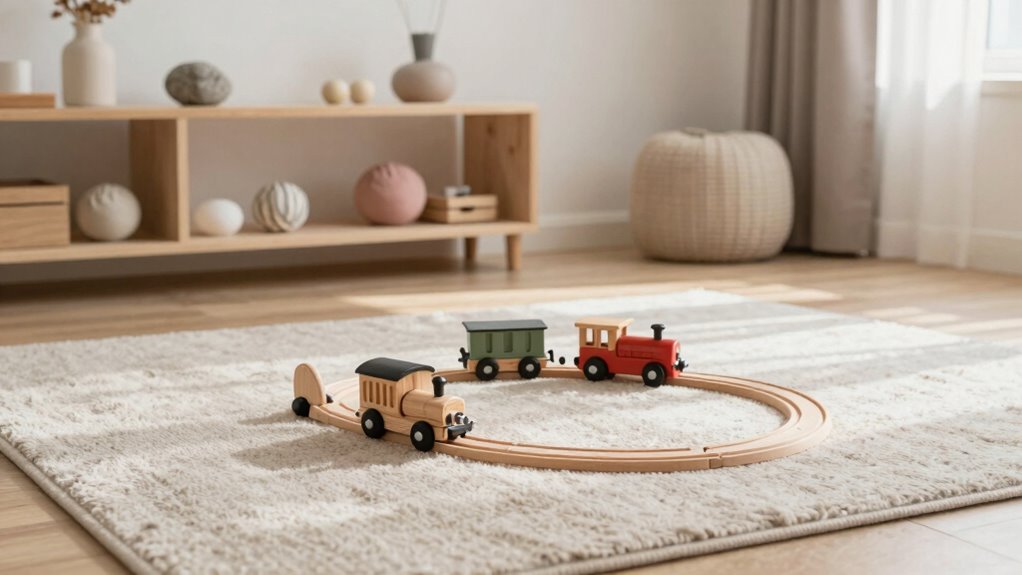
Toy clutter can overwhelm a child’s space, making it harder for them to focus and enjoy their environment. When toys are scattered everywhere, it creates chaos that hampers concentration and can lead to frustration. Proper toy storage helps reduce clutter, giving your child a tidy space to play and learn. Clutter reduction not only makes the room more inviting but also teaches your child organization skills. By limiting the number of toys available at once, you prevent overstimulation and encourage more meaningful play. Minimalism in toy selection allows your child to appreciate each item and use it creatively. A clutter-free environment supports better focus, fosters independence, and creates a calmer, more enjoyable space for your child to thrive. Clutter reduction helps create a sense of calm and order, making it easier for your child to develop healthy routines and habits. Additionally, embracing natural materials in toys can further enhance a minimalist environment by offering durable, eco-friendly options that promote imaginative play. Incorporating quality over quantity in toy choices encourages children to value and explore each toy more deeply, reinforcing the benefits of minimalism. Understanding the importance of color accuracy in visual environments can also contribute to a more soothing and harmonious space for children. Furthermore, the rising popularity of electric bikes demonstrates how streamlined design and fewer components can lead to more efficient and enjoyable experiences.
How to Find Toys That Build Skills and Spark Creativity
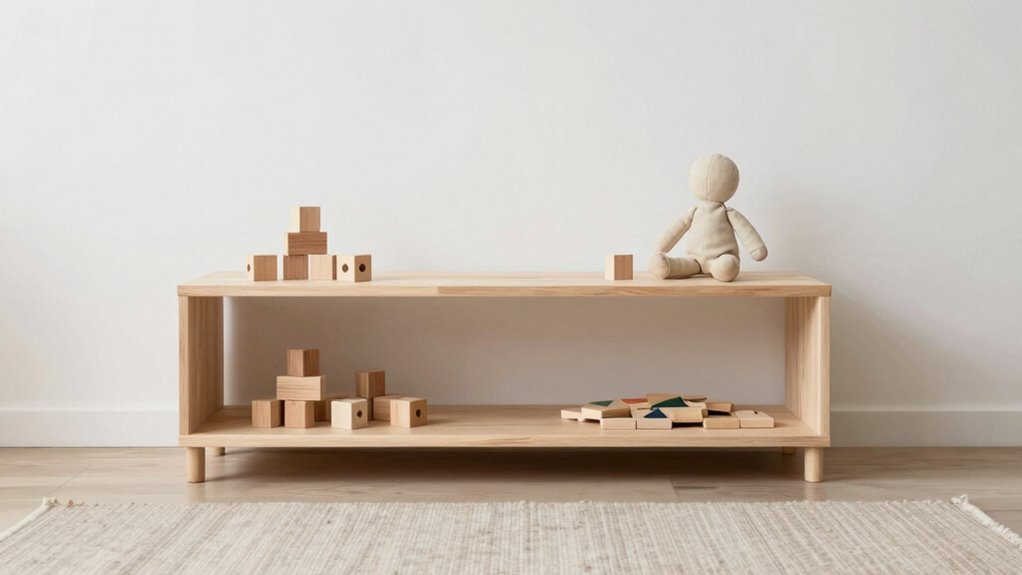
To effectively support your child’s development, focus on choosing toys that promote skill-building and spark creativity. Crafting sensory toys is a great way to engage your child’s senses and encourage exploration. Look for options made from choosing eco friendly materials, which are safer for your child and better for the environment. These toys often emphasize open-ended play, allowing your child to imagine and create freely. Items like wooden blocks, textured balls, or simple art supplies foster fine motor skills and problem-solving. Avoid clutter-heavy, electronic gadgets. Instead, select versatile toys that can be repurposed and combined in different ways. By prioritizing thoughtful quality over quantity, you’ll nurture your child’s natural curiosity and help develop essential skills. Incorporating women’s golf milestones and celebrating achievements can also inspire nurturing environments that promote independence and confidence in learning and play. Additionally, introducing educational toys that adapt to your child’s growing interests can further enhance their developmental journey. Being aware of testing accuracy and choosing reliable measurement tools can also serve as a model for precision and attention to detail, reinforcing a mindset of careful skill development. Emphasizing skill-building toys ensures your child gains the necessary tools for lifelong learning and adaptability.
Simple Tips for Setting Up a Kid-Friendly Minimalist Toy Space
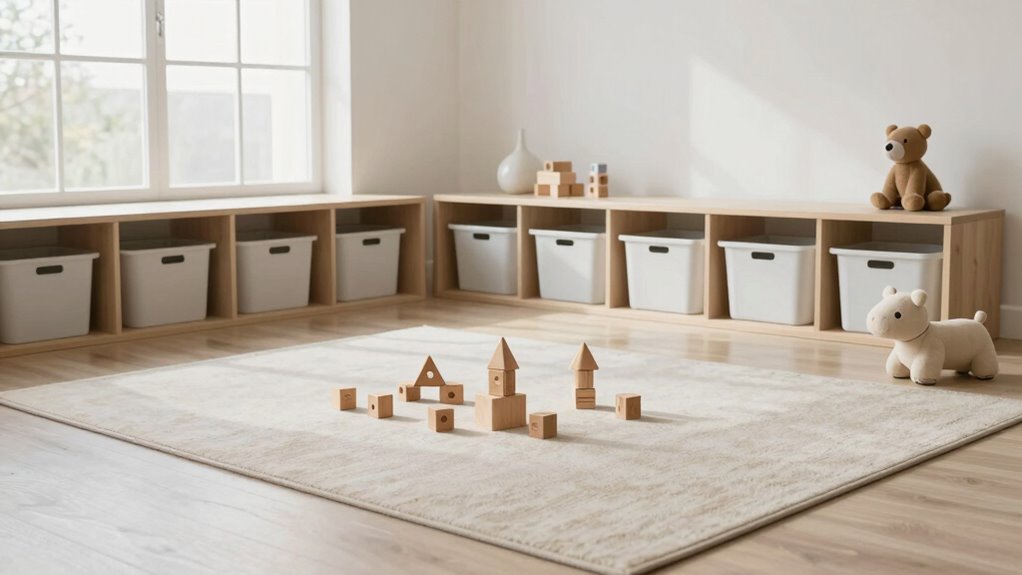
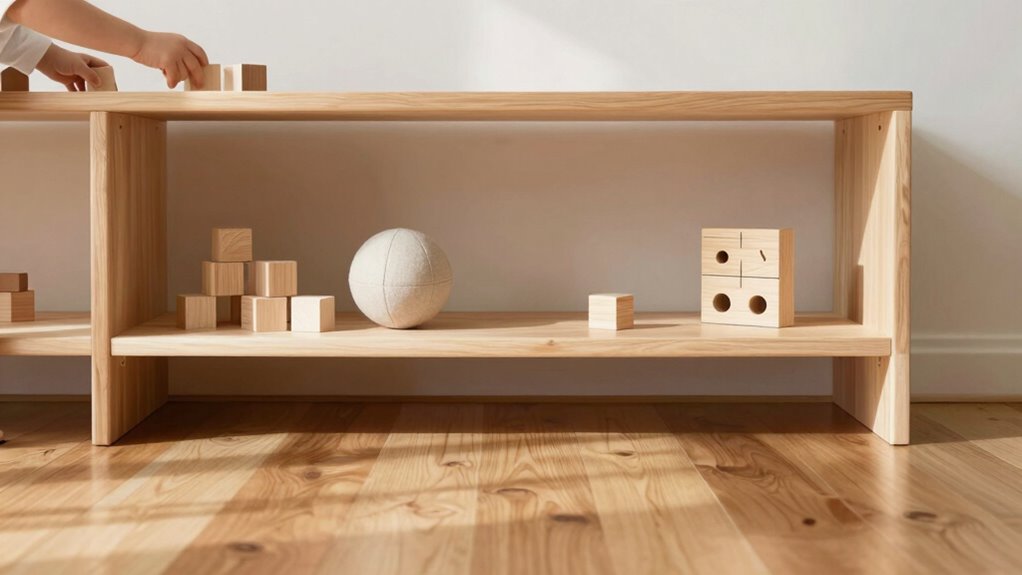
Creating an organized and inviting space for your child’s toys can make a big difference in encouraging independent play and reducing clutter. Start by choosing a dedicated area that’s easy for your child to access. Use simple storage solutions like bins or baskets to keep toys contained and visible. Rotate toys regularly to maintain interest and prevent overwhelm. Label storage containers to promote toy organization and help your child find and put away toys easily. Keep the space minimal by limiting the number of toys on display, focusing on quality over quantity. Here’s a quick overview:
| Storage Solutions | Tips for Toy Organization |
|---|---|
| Baskets & bins | Label containers for easy clean-up |
| Shelves | Rotate toys to keep interest high |
| Under-bed storage | Use clear containers to see contents |
| Wall-mounted units | Maximize space and accessibility |
Easy Strategies to Cut Down Toy Clutter at Home
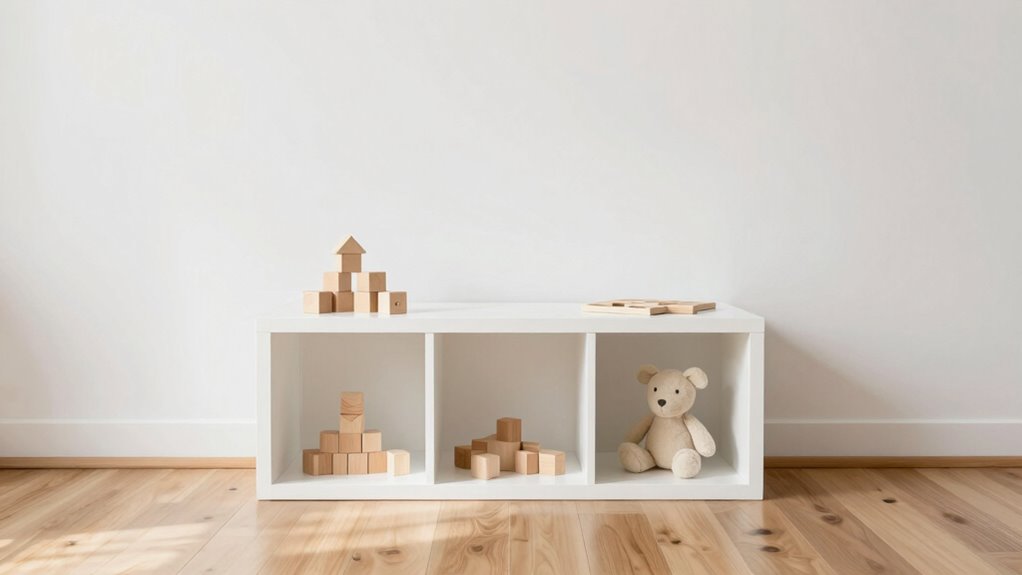
Reducing toy clutter at home can feel overwhelming, but implementing straightforward strategies makes the process manageable. Start with these easy steps:
- Sort and Declutter: Regularly go through toys and remove duplicates or broken items. Keep only what sparks joy or promotes skill-building.
- Optimize Toy Storage: Use clear bins or baskets to organize toys by category. Label them for easy access, making clutter management simple.
- Limit Play Items: Rotate toys monthly, keeping only a few accessible at a time. This minimizes clutter and encourages focused play.
What to Look for in High-Quality, Minimalist Toys
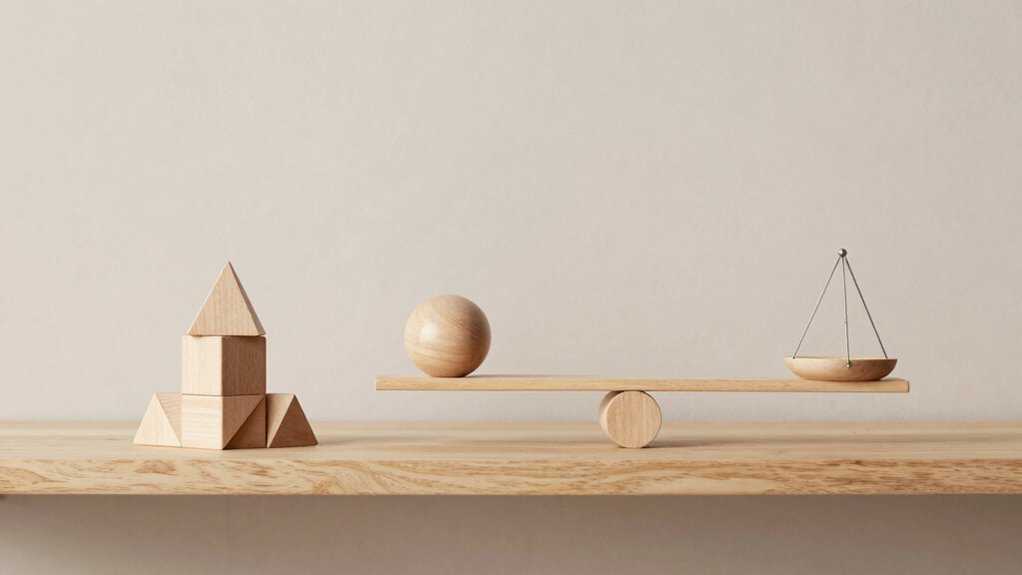
When choosing minimalist toys, focus on items that are durable, simple in design, and versatile. High-quality toys prioritize toy safety, making sure they are free from harmful chemicals and small parts that could pose a choking hazard. Look for toys made from eco friendly materials, such as sustainably sourced wood or natural, non-toxic plastics, which are better for the environment and your child’s health. Minimalist toys often have a timeless design, reducing overstimulation and encouraging focus. Opt for well-crafted pieces that can withstand frequent play without breaking or wearing out quickly. These qualities help ensure your investment lasts longer and supports a more intentional, clutter-free environment for your child’s development. Incorporating water safety into your child’s play environment can also promote awareness and confidence around water, complementing skill-building efforts. Additionally, selecting toys with educational value can further enhance your child’s development and curiosity. Recognizing the importance of cultural heritage can inspire the choice of toys that reflect diverse traditions and stories, enriching your child’s understanding of the world. Being mindful of environmental considerations when selecting toys can help instill eco-conscious values from an early age.
Why Open-Ended Toys Encourage Imagination and Learning
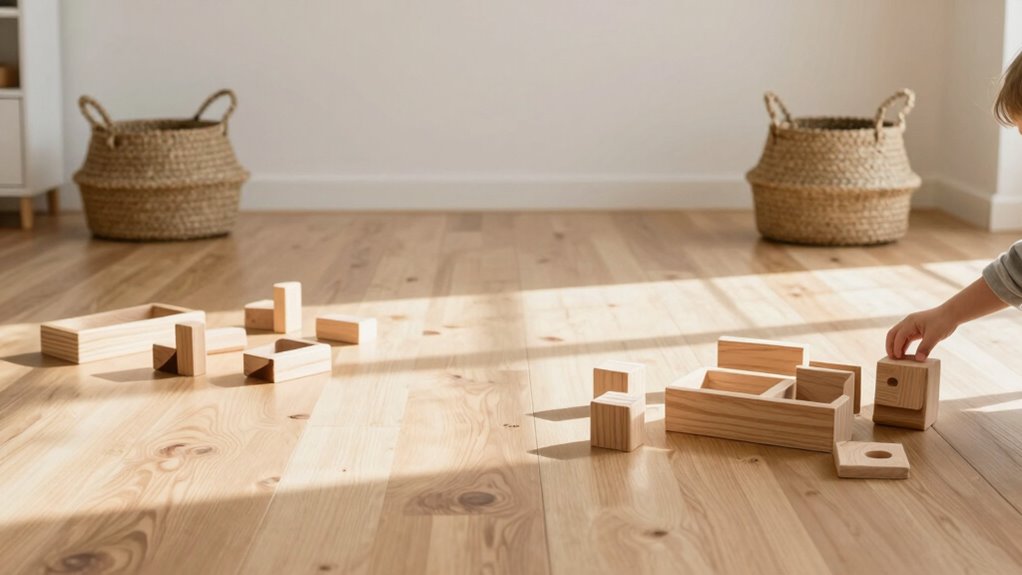
Open-ended toys spark your child’s creative thinking and inspire them to imagine new possibilities. They also challenge kids to solve problems and think critically as they explore different ways to play. Plus, these toys encourage role-playing, helping children develop social skills and emotional understanding.
Promotes Creative Thinking
Open-ended toys spark your child’s imagination by providing limitless possibilities for play. They encourage creative thinking by allowing your child to explore new ideas and scenarios. These toys support art therapy by giving children outlets for self-expression and emotion regulation. Additionally, they promote sensory integration as kids manipulate different textures and shapes, enhancing their sensory skills. Here are three ways open-ended toys boost creativity:
- They foster storytelling, helping children invent stories and worlds.
- They inspire innovative problem-solving as kids figure out new ways to use the toys.
- They support emotional development by enabling kids to express feelings through imaginative play. By engaging with open-ended toys, your child learns to think flexibly and creatively, laying a foundation for lifelong innovation and adaptability.
Stimulates Problem Solving
Because open-ended toys lack fixed rules or specific outcomes, they naturally challenge you to think critically and devise solutions on your own. This encourages problem solving, as children learn to experiment and adapt during play. When toy organization emphasizes simple, versatile items, kids aren’t overwhelmed by clutter, allowing focused skill development. These toys push children to explore different possibilities, fostering resilience and creativity in overcoming challenges. As they manipulate and combine open-ended objects, they strengthen cognitive skills like reasoning and planning. This process also teaches patience and persistence, key components of effective problem solving. Sound vibrations are believed to further enhance the brain’s ability to process and integrate new information, supporting cognitive development. By choosing minimalist toys that promote independent thinking, you create an environment that nurtures your child’s ability to analyze situations and develop solutions confidently. Additionally, incorporating kitchen gear and food tools can inspire hands-on experimentation that further enhances practical problem-solving skills. Incorporating simple, versatile toys can also promote a more organized space, reducing distractions and encouraging focused learning. Using educational toys designed for open-ended play can further stimulate imagination and innovation in your child’s development. Moreover, understanding zodiac traits can help tailor play activities to align with your child’s natural tendencies and strengths.
Encourages Role Play
When children experiment with open-ended toys, they naturally create stories and scenarios that spark their imagination. These toys encourage role play, allowing kids to step into different characters and explore new worlds. This kind of imaginative play develops their social skills and emotional understanding. To maximize this, consider these benefits:
- They foster creativity by letting children invent their own stories.
- They promote problem-solving as kids navigate roles and scenarios.
- They build confidence through imaginative scenarios, empowering children to express themselves.
- Incorporating advanced technology and design in toys can further enhance engagement and learning opportunities.
How to Teach Your Kids About Minimalism and Skill-Based Play
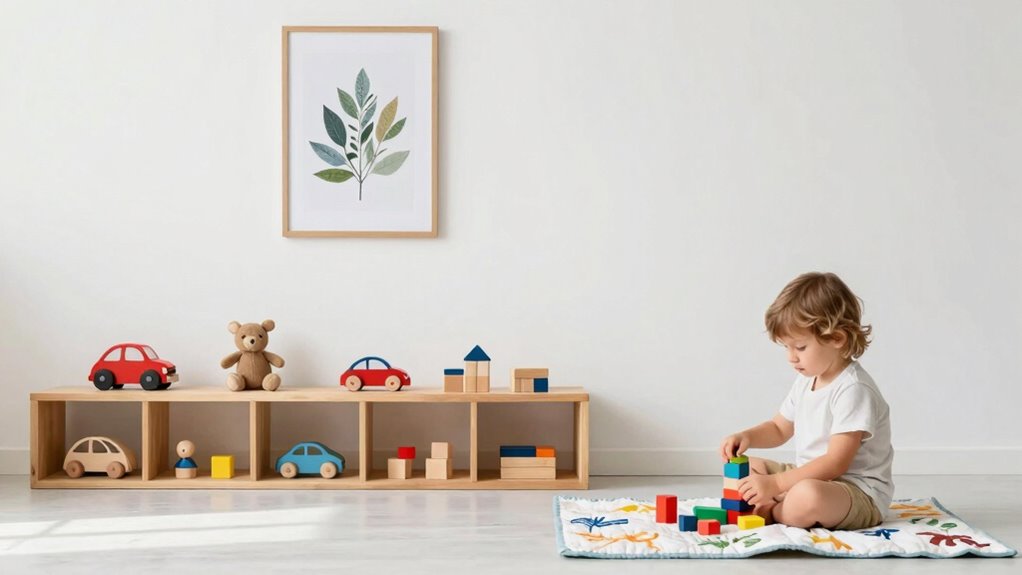
Teaching your kids about minimalism and skill-based play can be both fun and impactful. Start by organizing toy storage so they see how fewer toys mean less clutter and more space to explore. Explain that owning fewer items helps focus on quality and creativity. Use parental guidance to set clear boundaries around toy choices, emphasizing the value of meaningful play over quantity. Encourage your children to choose toys that promote problem-solving, imagination, and skill development. Involve them in decluttering, helping them understand that letting go of extras makes room for more engaging activities. Reinforce the idea that minimalism isn’t about deprivation but about making intentional choices that foster growth, independence, and skill-building through thoughtful play. Focusing on home theater and AV gear setup concepts can also inspire creative ways to organize and enjoy play areas more effectively.
Fun Activities That Promote Learning Without Lots of Toys
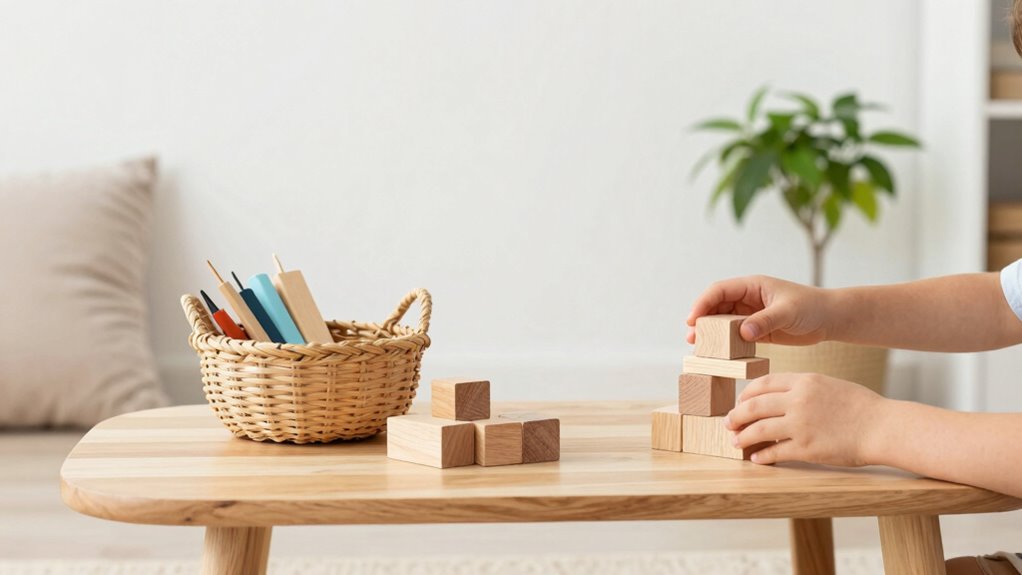
You can encourage learning through activities that spark imagination, like pretend play or storytelling. DIY crafts using everyday materials help develop creativity and problem-solving skills. Exploring nature together offers hands-on lessons about the environment without needing a lot of toys. Incorporating basic knife skills into outdoor or craft activities can further enhance fine motor development and safety awareness. Additionally, introducing children to well-crafted tools can foster an appreciation for quality craftsmanship and teach responsible handling.
Imaginative Play Opportunities
Imaginative play can thrive without relying on numerous toys, as simple activities often spark creativity and learning. You can encourage your child’s imagination by exploring fantasy worlds, engaging in storytelling games, or creating scenarios with everyday objects. Here are some ideas:
- Use household items to build castles, forts, or space ships, prompting your child to invent stories about their adventures.
- Play pretend with costumes or simple props, like hats or stuffed animals, to immerse your child in different characters and settings.
- Create story prompts together, encouraging your child to develop characters and plots, fostering language skills and imagination.
These activities promote creativity, problem-solving, and social skills without the need for a cluttered toy collection.
DIY Craft Activities
Interested in activities that boost learning while keeping clutter to a minimum? DIY craft activities are perfect for this. You can gather simple craft supplies like paper, glue, and scissors, but the real magic happens with recycled materials. Use cardboard boxes, bottle caps, or old magazines to create unique projects. These activities encourage creativity and problem-solving without requiring lots of toys. Plus, they teach kids about sustainability and resourcefulness. You don’t need expensive kits—just imagination and a few everyday items. Crafting with recycled materials also fosters environmental awareness. As your child cuts, glues, and assembles, they develop fine motor skills and patience. Best of all, these projects can be easily stored or repurposed, keeping your space organized and clutter-free.
Nature Exploration Adventures
Discover the joy of exploring nature through simple, hands-on activities that spark curiosity and learning. You can turn a walk into an adventure by encouraging your child to observe their surroundings. Focus on:
- Identifying garden insects like beetles, ants, and butterflies, fostering curiosity about ecosystems.
- Listening to outdoor noises such as bird songs, rustling leaves, and distant sounds, developing auditory awareness.
- Collecting natural items like rocks, leaves, or flowers to examine and learn from later, promoting observation skills.
These activities require minimal gear but offer endless opportunities for discovery. They help children connect with nature, understand their environment, and develop essential skills—all without the need for lots of toys.
Getting the Whole Family on Board With Fewer Toys
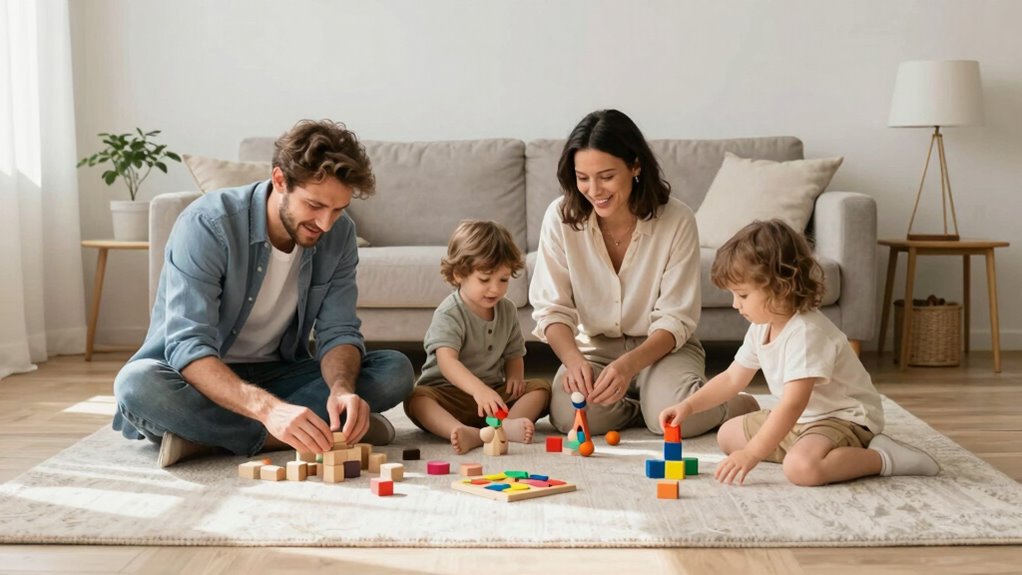
How can you convince your family to embrace a simpler toy collection? Start by involving everyone in the decision. Explain the benefits, like less clutter and more meaningful play. Encourage family involvement by discussing which toys are favorites and which can be donated or stored. Implement a toy rotation system, where only a few toys are accessible at a time, making playtime more engaging. This helps family members see the value in fewer toys and reduces the temptation to constantly acquire more. Keep communication open and positive, emphasizing that the goal is to support your child’s development and create a more organized environment. When everyone understands and participates, adopting a minimalist approach becomes a team effort, making the shift smoother and more sustainable.
How to Tell If Fewer Toys Are Helping Your Child Grow
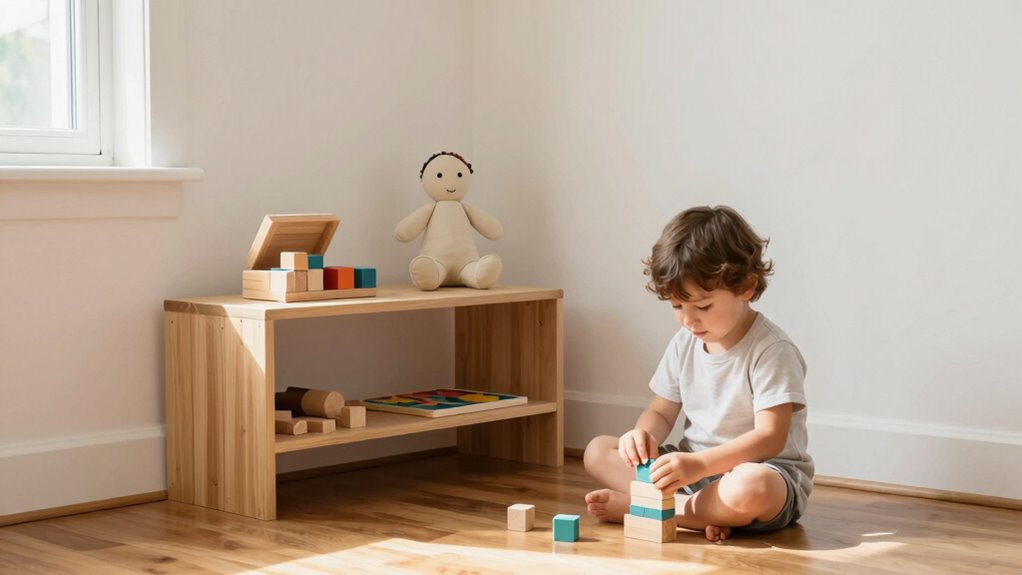
You’ll notice signs that fewer toys are benefiting your child’s growth when they become more engaged, creative, and focused during play. Watch for these indicators:
- They explore toys more deeply, showing increased curiosity and problem-solving skills.
- Parental engagement rises, as you spend more quality time guiding and playing together.
- Play sessions are longer and less distracted, indicating improved attention spans.
Implementing toy rotation helps sustain interest and prevents overwhelm, encouraging your child to rediscover toys in new ways. As they engage more deeply, their skills develop naturally. If you observe these signs, it means fewer toys are fostering growth, creativity, and focus—proof that your minimalist approach works.
Frequently Asked Questions
How Can Minimalism Improve My Child’s Emotional Development?
Minimalism can boost your child’s emotional development by fostering emotional resilience and self-regulation. When you limit toys and distractions, your child learns to focus on meaningful activities and manage emotions more effectively. This environment encourages patience, creativity, and problem-solving, helping your child develop better self-control and adapt to challenges. You create a space that promotes inner strength, making it easier for them to navigate feelings and build confidence.
What Are Some Affordable Minimalist Toy Alternatives?
Like a treasure chest with hidden gems, affordable minimalist toy alternatives spark your child’s creative play and sensory activities. You can DIY puzzles from household items, use natural materials like stones or leaves, or repurpose everyday objects into engaging toys. These options encourage imagination, problem-solving, and exploration without breaking the bank, making playtime meaningful and mindful while nurturing your child’s development.
How to Handle Resistance From Children When Reducing Toys?
When facing resistance from children, you should practice patience and acknowledge their toy attachment. Explain that fewer toys can boost their creativity and skills, making playtime more meaningful. Involve them in choosing which toys to keep, giving them a sense of control. Stay consistent and positive, showing understanding while gently encouraging them to embrace the change. Your parental patience helps ease their progression and fosters a healthier attitude toward toys.
Can Minimalist Toys Support Different Learning Styles?
Think of minimalist toys as keys opening different doors to learning. They support various styles by encouraging open-ended play and sensory exploration, helping your child discover their strengths. These versatile tools adapt to visual, tactile, or imaginative learners, letting each child explore at their own pace. With fewer toys, you foster creativity and focus, ensuring every moment is an opportunity for growth tailored to their unique way of understanding the world.
How Does Minimalism Impact a Child’s Social Skills?
Minimalism can positively impact your child’s social skills by encouraging meaningful peer interactions. When there are fewer toys, your child is more likely to engage in conversations and collaborative play, which strengthen communication and sharing skills. You’ll notice they develop better empathy and patience as they learn to navigate social situations without relying on an abundance of toys to fill gaps. This approach fosters genuine connections and improves overall social competence.
Conclusion
By reducing toy clutter, you create a space that fosters creativity and skill-building. Studies show that kids with fewer toys often engage more deeply and develop better problem-solving skills. When you simplify their environment, you’re not just decluttering — you’re helping your child thrive. Embrace minimalism, and watch them grow with more meaningful play and learning opportunities. Less really can be more for their development and happiness.
Fall Picks
fall essentials
As an affiliate, we earn on qualifying purchases.