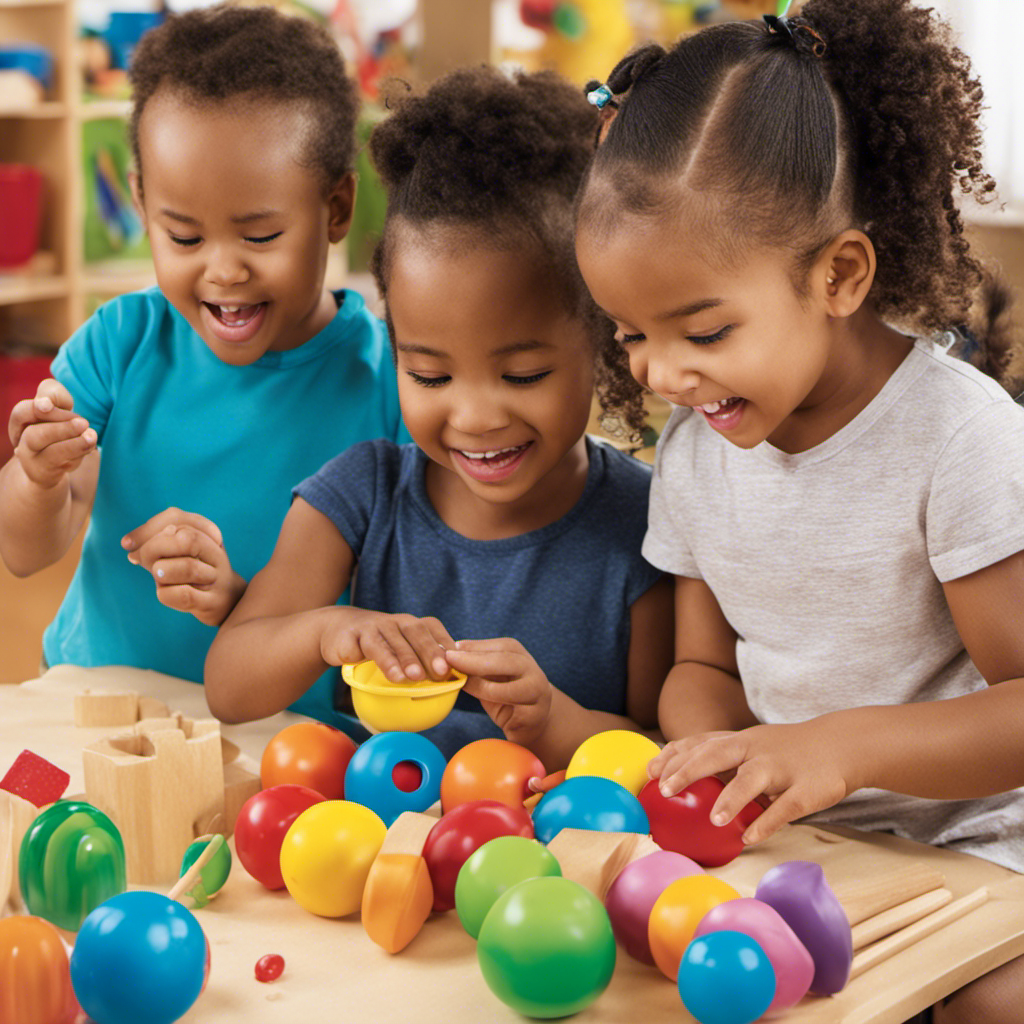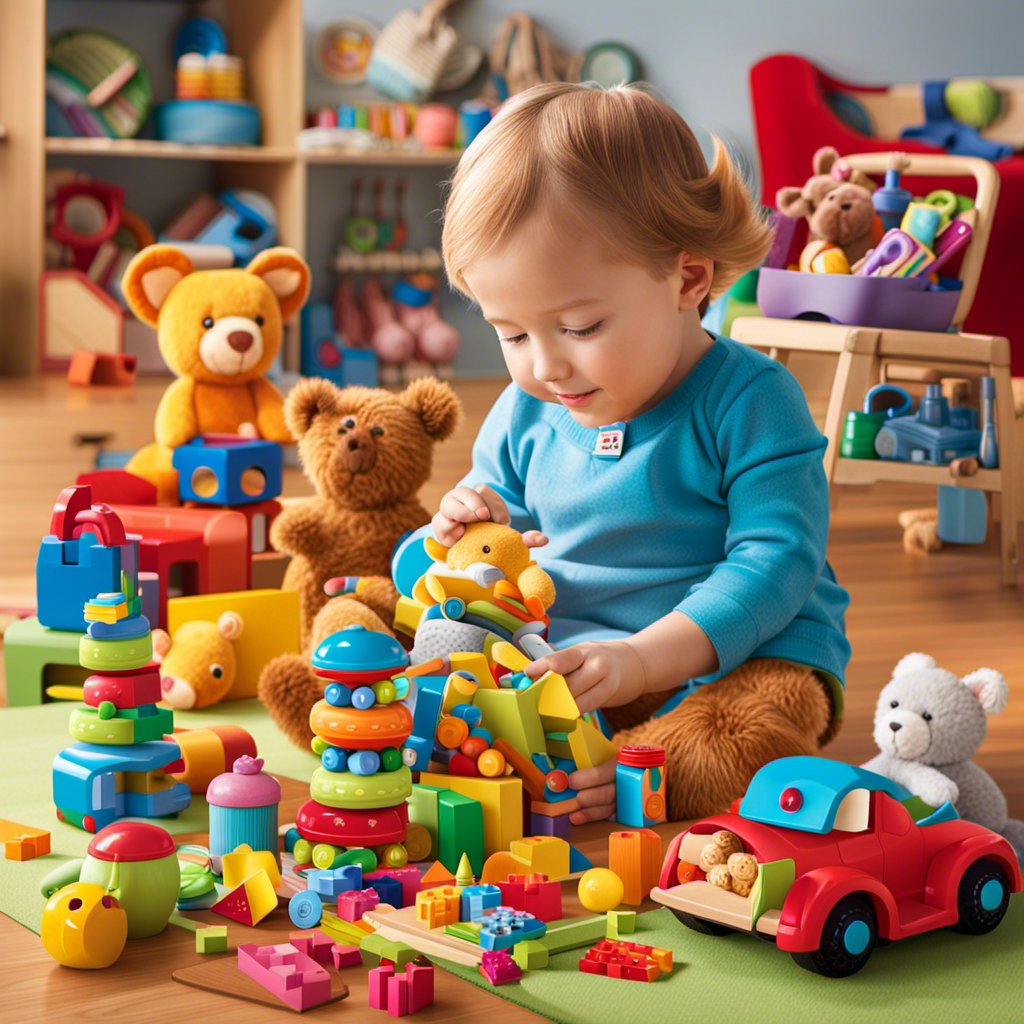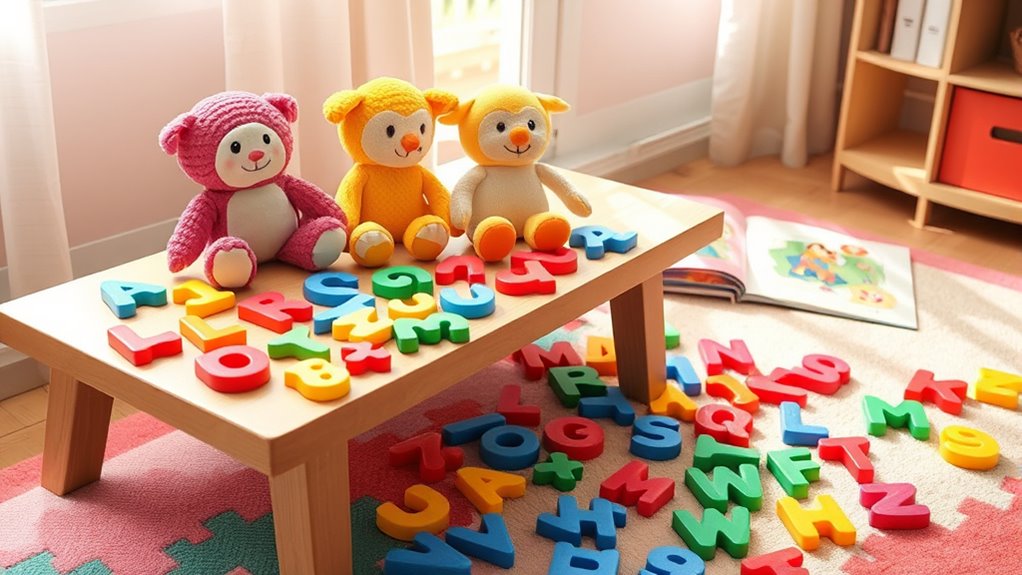

To encourage early literacy, choose toys like phonics games, story-building puppets, and interactive apps that make learning fun. These tools help you develop your child’s sound recognition, letter-sound connections, and storytelling skills through engaging activities. Colorful puzzles and role-play puppets foster creativity, confidence, and social skills while making language exploration exciting. Keep reading to discover more ways to create a playful, enriching environment that inspires a love of words and storytelling.
Key Takeaways
- Phonics games, available as board games or apps, make learning letter sounds and decoding words engaging and fun.
- Storytelling puppets encourage creative language use, vocabulary development, and narrative skills through role-play.
- Interactive toys that combine phonics puzzles and colorful puppets foster active, playful early reading practice.
- Using puppets in literacy activities supports social skills like turn-taking, listening, and confident storytelling.
- Creating a vibrant learning space with themed toys and puppets promotes curiosity and a love for reading.
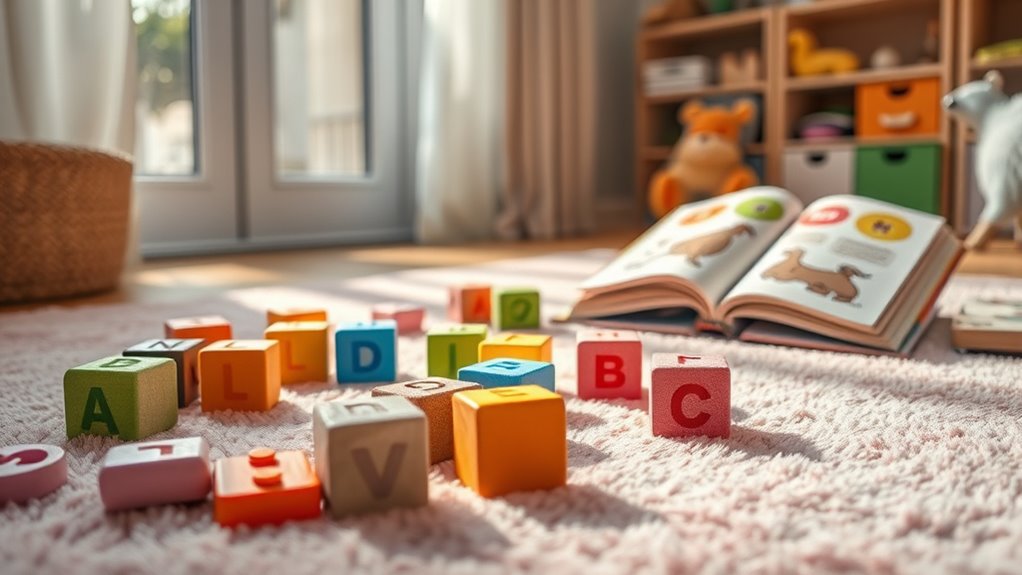
Have you ever wondered how to boost your child’s language and literacy skills while they play? One of the most effective ways is by introducing toys that make learning fun and engaging. Phonics games are a fantastic tool to help your child develop early reading skills. These games often involve matching sounds to letters or blending sounds to form words, which builds a strong foundation for decoding new vocabulary. When your child plays with phonics games, they’re not just having fun—they’re actively practicing essential reading skills. These games can come in many formats, from board games to interactive digital apps. The key is that they make sound recognition and letter-sound correspondence feel like play rather than work. As your child manipulates letter tiles or engages in sound puzzles, they strengthen their phonemic awareness, a crucial step toward fluent reading.
Alongside phonics games, storytelling puppets are another engaging way to nurture literacy. These puppets encourage creative storytelling and verbal expression, helping your child develop vocabulary and narrative skills naturally. When you use storytelling puppets, you create a mini-theatre where your child can act out stories, invent characters, and explore language in an imaginative setting. This process not only makes language fun but also boosts comprehension and sequencing skills. Plus, puppets can be used to introduce new words and concepts in a playful context, making them more memorable. As your child practices storytelling, they’re also developing important social and emotional skills—like taking turns and listening—while building confidence in their speaking abilities.
Incorporating phonics games and storytelling puppets into regular playtime creates a dynamic learning environment. You can set up a dedicated reading corner with colorful puppets and phonics-based puzzles or games. Let your child pick a puppet and ask them to tell a story, or challenge them to find specific sounds in a game. These activities turn learning into a shared adventure that sparks curiosity and motivation. The key is consistency; even a few minutes a day can make a big difference over time. Remember, the goal is to foster a love for reading and language, so keep things light, playful, and encouraging. When your child sees reading as an exciting activity rather than a chore, they’ll develop skills that will serve them well throughout their education. Additionally, interactive learning tools like digital apps and kits can enhance engagement and reinforce skills learned through play.
Frequently Asked Questions
How Can Toys Support Bilingual Language Development?
Toys play a crucial role in supporting bilingual language development by engaging you in multilingual storytelling and bilingual word games. These activities encourage you to switch between languages naturally, enhancing vocabulary and comprehension. When you use toys designed for this purpose, you create immersive experiences that boost confidence and fluency in both languages. Incorporating these toys into your child’s playtime makes learning fun and effective, fostering strong bilingual skills early on.
Are Electronic Toys More Effective Than Traditional Ones?
Pondering whether electronic toys outperform traditional toys? You’ll find that electronic toys often excel in offering engaging, interactive storytelling and sensory stimulation, capturing your child’s attention longer. They promote active participation and provide instant feedback, which can boost learning. However, traditional toys foster imaginative play and hands-on exploration. Ultimately, blending both types creates a balanced, enriching environment that nurtures early literacy and language skills effectively.
What Age Is Best to Introduce Language-Focused Toys?
You should introduce language-focused toys around age 6 to 12 months, when your baby begins experimenting with speech sounds. At this stage, these toys help boost vocabulary building and enhance early communication skills. By engaging your little one with toys designed for their developmental stage, you support their language development naturally, encouraging them to practice speech sounds and expand their vocabulary as they grow more curious and expressive.
How Do Toys Promote Literacy Skills at Home?
Think of toys as seeds in a garden, nurturing your child’s literacy. By engaging in storytelling techniques with plush books or letter puzzles, you help them blossom in language skills. These toys make learning fun, encouraging letter recognition and vocabulary growth. At home, your active participation transforms play into a powerful tool, turning everyday moments into adventures that boost your child’s early reading journey and foster a lifelong love of learning.
Can Toys Replace the Need for Reading With Caregivers?
Toys can’t fully replace reading with caregivers, but they do support your child’s development. Through play-based learning, toys help children reach language milestones like vocabulary growth and sentence structure. While play encourages exploration and social skills, reading with caregivers provides personalized interaction and comprehension practice. Combining both enhances your child’s literacy skills, making learning enjoyable and effective. So, use toys as a supplement, not a substitute, for meaningful reading experiences.
Conclusion
By choosing the right language and literacy toys, you can turn playtime into a powerful learning experience. These toys not only make reading fun but also build essential skills that last a lifetime. Are you ready to give your child a head start in reading and communication? With just a little effort, you can inspire a love for learning that will grow with them. So, why wait? Start exploring these toys today and watch their confidence soar!