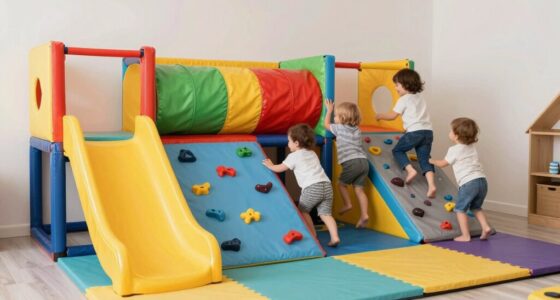

The best ride-on toys for toddlers balance three things: safety for wobbly one-year-olds, enough engagement to survive the toddler attention span, and a price that makes sense for a toy kids often outgrow within two years. The Little Tikes Tractor & Cart takes my top spot because its removable cart adds a hauling-and-pushing play pattern that extends well beyond simple scooting, and it holds kids from age one through five. If budget is the deciding factor, the Little Tikes Push and Ride Racer delivers the core push-and-ride experience at the lowest price in this lineup. The big tradeoff you’ll face is between simple foot-powered push cars, which build coordination but move slowly, versus larger playsets like the Step2 Up & Down Roller Coaster, which cost and take up far more space but deliver a completely different level of excitement. Keep reading for the full breakdown of all 12 picks.

Turn the school run and nap time into listening time
- Thousands of audiobooks, podcasts and originals
- Listen on your phone, tablet or Echo — also offline
- Cancel anytime
Complete the kit


Key Takeaways
- Push cars with under-seat storage (the VEVOR models and CAT Excavator) consistently offer more play value than plain scooters at similar prices, because toddlers use the storage as part of pretend play.
- Licensed character designs (Lightning McQueen, John Deere, CAT) cost more per feature, so they only make sense if your child already recognizes and loves the brand.
- The Step2 Roller Coaster plays a different sport than everything else here — it’s a yard investment, not a ride-on toy in the portable sense, and it dominates if you have the space.
- Weight limits and age ranges varied widely across the lineup; the Little Tikes Tractor & Cart’s 1-to-5 age span makes it the longest-lasting purchase of the twelve.
- Sit-to-stand designs like the VEVOR Ride Racer and Little Tikes Push and Ride Racer give new walkers a handle to lean on, which matters more than speed for toddlers under two.
| John Deere Sit ‘N Scoot Activity Tractor for Kids Ages 18 Months and Up, Green |  | Best Classic Pick | Brand: TOMY / John Deere | Age Range: 18 months and up | Weight Limit: 60 lbs | VIEW LATEST PRICE | See Our Full Breakdown |
| Best Ride On Cars CAT Excavator Push Car – Licensed Caterpillar Ride-On Digger Toy |  | Best for Imaginative Play | Brand: Best Ride On Cars | Model: CATEX_Push_F2F | Type: Kids’ push ride-on | VIEW LATEST PRICE | See Our Full Breakdown |
| Kiddieland Lightning McQueen Ride-On Car for Toddlers |  | Best for Youngest Riders | Brand: Kiddieland | Theme: Disney/Pixar Lightning McQueen | Age Range: 12-36 months | VIEW LATEST PRICE | See Our Full Breakdown |
| VEVOR Ride On Push Car for Toddlers, Ride Racer with Music Steering, Horn & Under Seat Storage |  | Best Value | Brand: VEVOR | Age Range: 19+ months | Load Capacity: 48.5 lbs / 22 kg | VIEW LATEST PRICE | See Our Full Breakdown |
| Little Tikes Push and Ride Racer |  | Best Walker-Ride Hybrid | Brand: Little Tikes | Dimensions: 22″L x 10″W x 17″H | Weight Limit: 50 lbs | VIEW LATEST PRICE | See Our Full Breakdown |
| Little Tikes Tractor & Cart Ride-On for Ages 1-5 |  | Best for Hauling Play | Ages: 1-5 years | Material: Plastic | Features: Realistic steering wheel, horn, attachable cart, spacious seat | VIEW LATEST PRICE | See Our Full Breakdown |
| VEVOR Ride On Push Car for Toddlers, Ride Racer with Music Steering |  | Best Value Pick | Suitable Age: 19+ months | Weight Capacity: 48.5 lbs / 22 kg | Material: Impact-resistant PP | VIEW LATEST PRICE | See Our Full Breakdown |
| Best Ride On Cars CAT Front Loader Push Car |  | Best for Construction Fans | Brand: Best Ride On Cars | Model: CAT Front Loader (licensed Caterpillar) | Material: Plastic | VIEW LATEST PRICE | See Our Full Breakdown |
| Step2 Push Around Buggy Kids Push Car |  | Best for Parent-Controlled Rides | Max Weight: 50 lbs | Age Range: 1.5-4 years | Material: Durable, fade-resistant plastic | VIEW LATEST PRICE | See Our Full Breakdown |
| Little Tikes Fairy Cozy Coupe (Amazon Exclusive) |  | Best Classic All-Rounder | Weight Limit: 50 lbs | Made In: USA | Features: Parent push handle, removable floorboard, working horn, ignition switch | VIEW LATEST PRICE | See Our Full Breakdown |
| Radio Flyer Creativity Car, Toddler Ride-On Toy for Ages 1-3 |  | Best for Early Walkers | Recommended Age: 1-3 years | Weight Capacity: 42 lb | Modes: Walker, Ride-on, Sensory Play | VIEW LATEST PRICE | See Our Full Breakdown |
| Step2 Up & Down Roller Coaster Kids Ride-On Toy |  | Best Big-Ticket Thrill Ride | Recommended Age: 2-5 years | Max Weight: 50 lbs | Material: Durable, fade-resistant plastic | VIEW LATEST PRICE | See Our Full Breakdown |
| ride-on toys for toddler | Material | Features | Brand | Assembly |
|---|---|---|---|---|
| John Deere Sit ‘N Scoot Activi | Durable plastic | — | TOMY / John Deere | Easy assembly required |
| Best Ride On Cars CAT Excavato | — | — | Best Ride On Cars | — |
| Kiddieland Lightning McQueen R | — | Interactive steering, engine sounds, music, flashing lights | Kiddieland | — |
| VEVOR Ride On Push Car for Tod | Impact-resistant PP plastic | Music steering, horn, under-seat storage | VEVOR | — |
| Little Tikes Push and Ride Rac | Plastic | — | Little Tikes | Required |
| Little Tikes Tractor & Cart Ri | Plastic | Realistic steering wheel, horn, attachable cart, spacious seat | — | Easy adult assembly |
| VEVOR Ride On Push Car for Tod | Impact-resistant PP | Music steering, horn, under-seat storage, anti-backward design | — | — |
| Best Ride On Cars CAT Front Lo | Plastic | Rotating bucket, under-seat storage, steering wheel with sounds, sturdy backrest | Best Ride On Cars | — |
| Step2 Push Around Buggy Kids P | Durable, fade-resistant plastic | Adjustable seat belt, horn, steering wheel, under-hood storage, foldable handle | — | Adult assembly required |
| Little Tikes Fairy Cozy Coupe | — | Parent push handle, removable floorboard, working horn, ignition switch | — | Adult assembly required |
| Radio Flyer Creativity Car | — | — | — | — |
| Step2 Up & Down Roller Coaster | Durable, fade-resistant plastic | — | — | Easy assembly, removable track sections |
More Details on Our Top Picks
John Deere Sit ‘N Scoot Activity Tractor for Kids Ages 18 Months and Up, Green
The John Deere Sit ‘N Scoot Tractor earns its spot by doing one thing well: simple, stable scooting with zero batteries, buttons, or noise. Compared with the Kiddieland Lightning McQueen, which leans heavily on sounds and flashing lights, this tractor stays quiet and lets the child drive the play — which many parents will prefer for daily indoor use. Its wide wheelbase makes it forgiving for wobbly new riders, and it moves easily between carpet and pavement. The tradeoff is longevity: no grow-with-me features, no storage, and a 60-pound cap mean it gets outgrown rather than adapted. If your toddler is drawn to farm themes or you want a low-stimulation option, this pick makes more sense than the flashier alternatives.
Pros:- No batteries needed, so no sound fatigue or replacement costs
- Wide, stable wheelbase suits unsteady first-time riders
- Authentic John Deere branding that toddlers recognize
- Lightweight enough for toddlers to maneuver themselves
Cons:- No interactive features like music or horn sounds found on rivals
- Simple design gets outgrown quickly by kids over 3
Best for: Parents who want a durable, battery-free ride-on for farm-loving toddlers around 18 months to 3 years
Not ideal for: Families wanting lights, sounds, or storage features — this is a bare-bones scooter with no interactive elements
- Brand:TOMY / John Deere
- Age Range:18 months and up
- Weight Limit:60 lbs
- Color:Green
- Material:Durable plastic
- Design:Stable, wide wheelbase
- Assembly:Easy assembly required
- Use:Indoor and outdoor
Our verdict“A quiet, dependable first ride-on for toddlers who love tractors and parents who hate battery-powered noise.”
Best Ride On Cars CAT Excavator Push Car – Licensed Caterpillar Ride-On Digger Toy
This licensed CAT excavator stands out for its working rotating bucket, something no other ride-on in this lineup offers. Where the John Deere Sit ‘N Scoot is purely a scooting machine, this model turns the ride into construction role-play — kids can actually load, carry, and dump sand or toys. Add a steering wheel with music and horn sounds plus under-seat storage, and it competes feature-for-feature with the VEVOR Ride Racer while offering far richer pretend-play value. The compromises are real, though: small wheels and a low bucket mean it struggles on grass or gravel, and older preschoolers will find the seat cramped. Compared with the CAT Front Loader sibling model, choose this one if digging matters more than hauling.
Pros:- Functional rotating bucket adds genuine digger play, not just styling
- Under-seat storage keeps small toys and treasures contained
- Interactive steering wheel with music and horn sounds
- Licensed Caterpillar design with sturdy backrest support
Cons:- Best on smooth indoor or paved surfaces only
- Smaller size means it’s outgrown sooner than roomier ride-ons
Best for: Construction-obsessed toddlers who will use the bucket for digging and hauling in a sandbox or yard
Not ideal for: Families with mostly grass or rough outdoor terrain — the small wheels and low bucket limit where it works
- Brand:Best Ride On Cars
- Model:CATEX_Push_F2F
- Type:Kids’ push ride-on
- License:Caterpillar (CAT)
- Special Feature:Rotating front bucket
- Storage:Under-seat compartment
- Sound:Music and horn on steering wheel
- UPC:850045100599
Our verdict“The clear choice if your toddler wants to dig and haul, not just scoot — just keep it on hard surfaces.”
Kiddieland Lightning McQueen Ride-On Car for Toddlers
Starting at 12 months, the Kiddieland Lightning McQueen opens the door to ride-ons earlier than anything else in this batch — the John Deere tractor waits until 18 months, and the VEVOR Ride Racer until 19. That head start is the whole point here: engine sounds, music, and flashing lights keep a one-year-old engaged long before they can coordinate real scooting, and the anti-tip stability matters most at this wobbliest age. The cost of that early appeal is a short runway. By age three most kids will have moved on, and the character styling that delights a toddler may feel limiting later. This model is better suited to the developmental window between first steps and confident stride, not as a long-term toy.
Pros:- Youngest age rating in the lineup at 12 months
- Anti-tip design keeps brand-new walkers stable
- Engine sounds, music, and lights reward early interaction
- Lightweight and easy to move between rooms or outside
Cons:- Short usable lifespan of roughly 12-36 months
- Battery-dependent sound features add ongoing cost and hassle
Best for: Parents of 12-to-24-month-olds who want a safe, engaging first ride-on with sensory features
Not ideal for: Kids over 3 or families wanting one toy to last through preschool — it’s outgrown fast
- Brand:Kiddieland
- Theme:Disney/Pixar Lightning McQueen
- Age Range:12-36 months
- Model:055459
- Features:Interactive steering, engine sounds, music, flashing lights
- Safety:Anti-tip stability design
- Use:Indoor or outdoor
- UPC:661148554598
Our verdict“Buy it for the one-year-old who just started walking; skip it if your child is already past age two.”
VEVOR Ride On Push Car for Toddlers, Ride Racer with Music Steering, Horn & Under Seat Storage
For the price of a pizza night, the VEVOR Ride Racer delivers most of what the premium picks charge more for: music, a horn, under-seat storage, and a safety support bar. Against the CAT Excavator, you give up the working bucket and license branding but keep the interactive steering and storage for less money. The anti-backward support bar is a genuinely useful touch the Kiddieland and John Deere models lack, preventing the tip-back spills that catch toddlers mid-scoot. Impact-resistant plastic also suggests this will survive sibling hand-me-downs. What you sacrifice is refinement — the sound quality and finish won’t match licensed models, and the 48.5-pound load limit is the lowest in this batch. This pick makes the most sense for budget-conscious buyers testing whether a ride-on sticks before spending more.
Pros:- Undercuts licensed ride-ons on price while matching most features
- Anti-backward support bar adds real tip-prevention safety
- Impact-resistant construction built for rough toddler use
- Sit-to-stand design supports early walkers learning balance
Cons:- Lowest weight capacity in the lineup at 48.5 lbs
- Generic styling and sound quality can’t match licensed alternatives
Best for: Budget-conscious parents who want sound and storage features without paying licensed-brand prices
Not ideal for: Heavier or older toddlers approaching the 48.5 lb limit, or buyers who want authentic branding
- Brand:VEVOR
- Age Range:19+ months
- Load Capacity:48.5 lbs / 22 kg
- Material:Impact-resistant PP plastic
- Features:Music steering, horn, under-seat storage
- Safety:Anti-backward support bar
- Design:Sit-to-stand ride racer
Our verdict“The smart low-risk buy if you want a feature-packed first ride-on without brand-name pricing.”
Little Tikes Push and Ride Racer
The Little Tikes Push and Ride Racer is the only product here that legitimately does double duty as both a ride-on and a push walker, which changes who it’s for. A ten-month-old can grip the sturdy handle and push it across the floor; months later the same child sits and rides. Compared with the VEVOR Ride Racer, which starts at 19 months, this model supports a child earlier and through a wider developmental span. Being Made in the USA with Little Tikes’ legendary crack-resistant plastic also means it’s the likeliest survivor of this batch for hand-me-downs. The flip side: no sounds, no lights, no storage — it’s pure physical play, so toddlers who crave interactive feedback may lose interest where the Kiddieland McQueen keeps them engaged.
Pros:- Dual walker and ride-on function extends usable life by a year or more
- US-made durable plastic with proven long-term toughness
- Low seat and high back make mounting and balance easy for beginners
- Works equally well indoors and outdoors
Cons:- No interactive features whatsoever — no sounds, lights, or storage
- Assembly required, and included screws need careful handling
Best for: Parents of pre-walkers who want one toy that serves as a push walker first and a ride-on after
Not ideal for: Toddlers who expect sounds, lights, and buttons — this is a completely analog toy
- Brand:Little Tikes
- Dimensions:22″L x 10″W x 17″H
- Weight Limit:50 lbs
- Material:Plastic
- Made In:USA
- Function:Ride-on and push walker combo
- Assembly:Required
- Use:Indoor and outdoor
Our verdict“The best buy if you’re starting before walking age and want a single toy to carry your child through toddlerhood.”
Little Tikes Tractor & Cart Ride-On for Ages 1-5
Most toddler ride-ons are about the ride itself, but this tractor stands out for adding a detachable cart that turns solo scooting into hauling adventures — sticks, blocks, and stuffed animals all get transported around the yard. Compared with the Little Tikes Fairy Cozy Coupe, this model trades the cozy enclosed cabin for an open seat and utility, which suits toddlers who want a working vehicle rather than a pretend car. The age range stretches from 1 to 5, meaning it outlasts shorter-lived picks like the VEVOR Ride Racer, which tops out much earlier. The tradeoff is real, though: there’s no parent push handle, so younger toddlers who can’t yet push themselves will need to wait, and the ride is foot-powered only.
Pros:- Detachable cart adds genuine hauling and pretend-play value
- Wide 1-5 year age range gives it a longer usable life
- Working steering wheel and horn make the ride interactive
- Durable tires handle grass and pavement
Cons:- No parent push handle, so it’s entirely child-powered
- Foot-powered design limits use to outdoor flat surfaces
Best for: Families with yards where toddlers love collecting and hauling things while they ride
Not ideal for: Parents of very young 1-year-olds who need a push handle for assisted rides
- Ages:1-5 years
- Material:Plastic
- Features:Realistic steering wheel, horn, attachable cart, spacious seat
- Cart:Detachable
- Assembly:Easy adult assembly
- Use:Outdoor foot-powered riding
Our verdict“This pick makes the most sense for active toddlers who treat every ride as a chance to haul cargo around the yard.”
VEVOR Ride On Push Car for Toddlers, Ride Racer with Music Steering
For the price, this ride racer packs in more entertainment than most budget competitors: music, a horn, under-seat storage, and an anti-backward tip design. Compared with the Step2 Push Around Buggy, the VEVOR skips the parent handle and seat belt but compensates with sound features toddlers love and a sit-to-stand design that supports early walkers developing balance. The impact-resistant PP construction holds up to rough indoor use better than you’d expect at this price. Where it falls short is longevity — the 48.5 lb weight limit and basic styling mean kids outgrow it fast, and older preschoolers will find it babyish. It’s a strong first ride-on rather than a long-term one.
Pros:- Music and horn features rival pricier ride-ons
- Sit-to-stand design supports balance development in early walkers
- Anti-backward tip design adds stability for new riders
- Under-seat storage keeps small toys contained
Cons:- 48.5 lb weight capacity limits larger toddlers
- No parent push handle for guided rides
- Too basic to hold the interest of older preschoolers
Best for: Budget-conscious parents buying a first ride-on for a 19-month-old who loves music and buttons
Not ideal for: Parents wanting a multi-year purchase, since the weight cap and simple design are outgrown quickly
- Suitable Age:19+ months
- Weight Capacity:48.5 lbs / 22 kg
- Material:Impact-resistant PP
- Features:Music steering, horn, under-seat storage, anti-backward design
- Color:Red
- Ride Style:Sit-to-stand, child-powered
Our verdict“A smart low-cost entry point for toddlers just learning to scoot, as long as you accept a shorter lifespan.”
Best Ride On Cars CAT Front Loader Push Car
The licensed Caterpillar branding here isn’t cosmetic — the rotating front bucket genuinely scoops, dumps, and carries, which is something neither the Little Tikes Tractor & Cart nor the Fairy Cozy Coupe can do. For a toddler obsessed with diggers and construction sites, this model is better suited than anything else in this lineup because the play extends beyond riding itself. The steering wheel with sounds and the under-seat storage round out the experience nicely. Compared with the CAT Excavator Push Car from the same brand, the front loader’s bucket placement encourages more ground-level scooping play. The main drawback: it’s fully manual push power, so younger toddlers may lean on a parent to get moving, and there’s no floorboard for foot protection like the Cozy Coupe offers.
Pros:- Rotating bucket enables real scooping and dumping play
- Licensed CAT design with realistic detail
- Steering wheel sounds add interactive fun
- Under-seat storage for collected treasures
Cons:- Manual push operation can require adult help for smaller toddlers
- No floorboard or seat belt for the youngest riders
Best for: Toddlers who light up at construction equipment and want a ride-on that actually works
Not ideal for: Parents who want self-propelled independence for a small 18-month-old still building leg strength
- Brand:Best Ride On Cars
- Model:CAT Front Loader (licensed Caterpillar)
- Material:Plastic
- Age Range:Toddlers
- Features:Rotating bucket, under-seat storage, steering wheel with sounds, sturdy backrest
- Ride Style:Manual push
Our verdict“This is the pick for little digger fans who want a working machine, not just a seat with wheels.”
Step2 Push Around Buggy Kids Push Car
Unlike the VEVOR Ride Racer or the CAT Front Loader, this buggy is built around the parent push handle, making it the right choice for families who do most of their riding on walks and errands rather than in the backyard. The adjustable seat belt is a genuine differentiator — no other ride-on in this batch includes one — and the foldable handle makes trunk storage realistic. Compared with the Little Tikes Fairy Cozy Coupe, which also has a push handle, the Step2 is lighter and simpler to steer on sidewalks, though it lacks the Cozy Coupe’s removable floorboard for foot-powered independence later. The tradeoff is that once your child wants to self-propel, this buggy has less to offer, and the all-plastic build won’t take curb abuse like metal-frame alternatives.
Pros:- Adjustable seat belt is unique safety feature in this lineup
- Foldable parent handle simplifies storage and transport
- Quiet, smooth ride works well indoors and on sidewalks
- Under-hood storage for snacks and toys
Cons:- Child can’t easily self-propel, limiting independence
- All-plastic construction feels less sturdy than metal options
Best for: Parents of 1.5-3 year olds who want a stroller-adjacent ride-on for walks and outings
Not ideal for: Toddlers ready to power themselves, since this model is designed around adult pushing
- Max Weight:50 lbs
- Age Range:1.5-4 years
- Material:Durable, fade-resistant plastic
- Color:Pink
- Features:Adjustable seat belt, horn, steering wheel, under-hood storage, foldable handle
- Assembly:Adult assembly required
Our verdict“If your toddler’s rides happen mostly on family walks, this parent-controlled buggy earns its spot; skip it for independent riders.”
Little Tikes Fairy Cozy Coupe (Amazon Exclusive)
The Cozy Coupe is the ride-on equivalent of a station wagon: it does a bit of everything across multiple years. Its killer feature is the removable floorboard — with it installed, parents push toddlers via the handle like the Step2 Push Around Buggy; removed, it becomes a self-powered car like the Little Tikes Tractor. Few ride-ons bridge both stages this well. The 360-degree spinning front wheels make it easier for small legs to steer than fixed-axle competitors, and the rugged tires handle driveway and lawn duty. Tradeoffs are familiar: assembly is genuinely fiddly, the 50 lb limit caps its lifespan, and unlike the CAT Front Loader, there’s no working accessory beyond the horn — the magic here is the car itself, not cargo play.
Pros:- Removable floorboard supports both parent-push and self-propelled stages
- Parent push handle gives adults control on walks
- Rugged tires and durable build survive years of outdoor use
- 360-degree front wheels make steering easy for little drivers
Cons:- Assembly is time-consuming and occasionally frustrating
- 50 lb weight limit shortens usable life for bigger kids
Best for: Families wanting one ride-on that works from parent-pushed toddler to self-propelled preschooler
Not ideal for: Parents dreading assembly time, or anyone wanting a bucket or cart for working play
- Weight Limit:50 lbs
- Made In:USA
- Features:Parent push handle, removable floorboard, working horn, ignition switch
- Wheels:Rugged tires, front wheels spin 360 degrees
- Ride Modes:Parent-push or child-powered
- Assembly:Adult assembly required
Our verdict“The Cozy Coupe remains the safest default pick in ride-ons — buy it if you want one toy to cover ages 18 months through 4 years.”
Radio Flyer Creativity Car, Toddler Ride-On Toy for Ages 1-3
The Creativity Car stands out as the only pick in this lineup designed to grow with a child from first steps. Its 3-in-1 design works as a push walker, a ride-on, and a sensory activity station, which means it delivers value months before a child can actually ride. Compared with the Step2 Push Around Buggy, which requires a parent to push from behind, this model lets toddlers power themselves while the gears, beads, and horn keep them busy during breaks. The anti-tip walker support makes it safer than the Little Tikes Push and Ride Racer for unsteady 12-month-olds. The tradeoff is longevity: the 42 lb weight limit means most kids outgrow it around age 3, and the ride itself is slow and low-thrill compared to push cars with bigger wheels.
Pros:- 3-in-1 design covers walker, ride-on, and sensory play stages
- Interactive gears, beads, and horn build fine motor skills between rides
- Anti-tip support keeps beginner walkers stable
- Flipping seat offers hidden storage for small toys
Cons:- 42 lb weight cap means a short usable lifespan for bigger toddlers
- Riding motion is basic — no steering freedom or speed for adventurous kids
Best for: Parents of 1-year-olds who want one toy that covers the walking stage and the riding stage without buying two products
Not ideal for: Families with toddlers over 3 or kids approaching 42 lbs — they’ll outpace the size and weight limits quickly
- Recommended Age:1-3 years
- Weight Capacity:42 lb
- Modes:Walker, Ride-on, Sensory Play
- Interactive Features:Gears, Beads, Horn, Dashboard
- Storage:Flip-open seat compartment
- Safety Feature:Anti-tip walker support
Our verdict“Buy this if your child is between 1 and 2 and you want the longest runway of any ride-on in the lineup; skip it for preschoolers.”
Step2 Up & Down Roller Coaster Kids Ride-On Toy
This is the only true gravity ride in the roundup, and nothing else here comes close to its excitement factor. While the Kiddieland Lightning McQueen and the CAT Excavator Push Car offer flat-ground scooting, the Up & Down Roller Coaster sends toddlers down a 9-foot track on an ATV-style car, then lets them climb back up and repeat it independently — that loop of effort and reward is what makes it a backyard magnet. It works indoors on hard floors too, though realistically you need serious floor space. The drawbacks are real: the full track experience requires buying separate expansion pieces, it’s not compatible with other Step2 extension packs, and at 50 lbs max it’s done by kindergarten. Assembly is straightforward, and the fade-resistant plastic holds up outdoors.
Pros:- Gravity-powered track delivers excitement no push car in this lineup can match
- Encourages independent, self-directed repeat play without parent pushing
- Durable, fade-resistant plastic for indoor or outdoor use
- Track sections disassemble for more compact storage
Cons:- Track expansion sets sold separately, inflating the total cost
- Massive footprint (110 inches wide) is impractical for small homes
- Incompatible with other Step2 extension packs, limiting future growth
Best for: Families with a backyard, playroom, or basement who want a showpiece toy for repeat visits from toddler friends
Not ideal for: Apartment dwellers or anyone on a tight budget — the footprint is huge and the track costs extra to complete
- Recommended Age:2-5 years
- Max Weight:50 lbs
- Material:Durable, fade-resistant plastic
- Dimensions:12.75″ H x 110″ W x 27″ D
- Track Length:4 feet (expandable to ~9 feet with separate purchase)
- Use Location:Indoor and outdoor
- Assembly:Easy assembly, removable track sections
Our verdict“This is the pick when you want a birthday-party-level toy that toddlers ride over and over — just budget for the track expansion and measure your space first.”

How We Picked
I evaluated each toy through the lens of a real toddler household: how well it supports early walkers, how long it stays interesting, how much abuse the build can take, and whether the price matches the play value. Foot-powered ride-ons were judged on floor clearance and stability, since a ride-on that tips or catches on rugs gets abandoned fast. Push-handle designs were compared on handle height, maneuverability, and whether the parent-facing experience is tolerable after the tenth lap. I also weighed longevity heavily — a toy rated for ages one through five beats one that fits a six-month developmental window.
The ranking reflects a simple hierarchy: versatile designs with extended play patterns landed highest, followed by strong value picks, with narrow-use or brand-premium options lower down. Storage compartments, removable carts, and interactive features bumped scores because they add pretend-play depth, while higher prices for licensing alone pulled entries down. Durability reports, assembly burden, and indoor-versus-outdoor practicality rounded out the ordering.
| ride-on toys for toddler | Brand | Material | Assembly |
|---|---|---|---|
| John Deere Sit ‘N Scoot Activi | TOMY / John Deere | Durable plastic | Easy assembly required |
| Best Ride On Cars CAT Excavato | Best Ride On Cars | — | — |
| Kiddieland Lightning McQueen R | Kiddieland | — | — |
| VEVOR Ride On Push Car for Tod | VEVOR | Impact-resistant PP plastic | — |
| Little Tikes Push and Ride Rac | Little Tikes | Plastic | Required |
| Little Tikes Tractor & Cart Ri | — | Plastic | Easy adult assembly |
| VEVOR Ride On Push Car for Tod | — | Impact-resistant PP | — |
| Best Ride On Cars CAT Front Lo | Best Ride On Cars | Plastic | — |
| Step2 Push Around Buggy Kids P | — | Durable, fade-resistant plastic | Adult assembly required |
| Little Tikes Fairy Cozy Coupe | — | — | Adult assembly required |
| Radio Flyer Creativity Car | — | — | — |
| Step2 Up & Down Roller Coaster | — | Durable, fade-resistant plastic | Easy assembly, removable track sections |
Factors to Consider When Choosing Ride-on Toys For Toddlers
Before picking a specific model, it helps to understand what actually separates a ride-on toy your toddler uses daily from one that gathers dust in a corner.Match the Toy to Your Child’s Walking Stage
The single biggest mistake parents make is buying ahead of their child’s gross motor stage. A true ride-on with no push handle works best for confident toddlers who can climb on and off independently — usually 18 months and up. Younger or newer walkers do better with sit-to-stand designs that double as a walker they can push while walking behind it. If your child just started pulling to stand, resist the urge to buy the exciting ride-on for later; the motor skills gap often means months of frustration before they can use it properly. A toy that matches their current ability gets used daily, while one bought too early may feel babyish by the time they’re ready.
Foot-Powered vs. Parent-Push Designs
Foot-powered ride-ons let toddlers control their own speed, which builds coordination and burns real energy, but they’re slow and limited to flat, smooth surfaces. Push-handle models — where a parent steers and propels from behind — work better for younger toddlers and outings, though kids often outgrow wanting to be pushed by age three. Some parents assume push handles are always better because they offer control, but toddlers frequently resist being steered once they realize they can walk faster. The sweet spot is a design that supports both modes or converts between them. Consider where you’ll actually use it: sidewalks and parks favor push handles, while hardwood floors and patios suit self-powered scooting.
Indoor Space and Floor Protection
Measure your available space before buying anything, because ride-on footprints range from compact scooters to track-based sets that eat an entire room. Hard wheels on hardwood can scuff floors and echo loudly, so many families keep foot-powered toys on rugs, tile, or outdoors. If indoor use is the plan, look for non-marking wheels and a turning radius that works in hallways. Track toys like roller coasters need a straight run of several feet plus storage space for the car and track sections. Apartments genuinely constrain this category more than almost any other toy type, so be honest about square footage before falling in love with a big set.
Durability, Weight Limits, and Hand-Me-Down Potential
Ride-ons take more abuse than nearly any other toy category — they get climbed on, crashed, dragged, and left outside. Rotomolded plastic from established brands tends to survive multiple children, which changes the real cost per year of use dramatically. Check the stated weight limit against your child’s growth curve, not just their current weight, because a 35-pound limit can be outgrown within a year for a larger toddler. Simple mechanical designs with no electronics fail less often and clean up easier for hand-me-downs or resale. Battery-powered sound features are the most common failure point, so decide whether the beeping horn is worth a shorter functional lifespan.
Assembly Time and Ongoing Hassle
Many ride-ons ship partially assembled with stickers, wheels, and decals left to you, and assembly times range from ten minutes to well over an hour. Read recent reviews specifically for assembly complaints, because sticker placement on licensed models is often harder than the mechanical build. Storage is the other hidden hassle: these toys are bulky and rarely stack, so plan where the ride-on lives when not in use. Models that disassemble for storage usually aren’t worth the reassembly effort for daily use. If you’re not handy or impatient with instructions, lean toward brands known for tool-light assembly.
Licensed Characters: When the Premium Pays Off
Character and brand licensing — Cars, John Deere, Caterpillar — typically adds cost without adding features, so the question is whether your child actually recognizes the brand. For a toddler obsessed with tractors or Lightning McQueen, that recognition can double engagement and pretend-play depth, which makes the premium rational. For a child too young to know the character, you’re paying for aesthetics they can’t appreciate. A practical middle path: buy the unbranded option first, and reserve licensed versions as gifts once a clear preference emerges. Also note that licensed designs sometimes lock you into specific color schemes that clash with a shared playroom or a second child of different tastes.
Frequently Asked Questions
Are ride-on toys safe for toddlers who can’t walk yet?
Most ride-on toys are designed for children who are at least pulling to stand or cruising, because a pre-walker can’t climb on safely or push off with their feet. For babies under 12 months, a parent-push model with a seat belt and high seat back — like the Step2 Push Around Buggy — is the safer choice, since the adult controls all movement. Sit-to-stand designs are the exception worth knowing about: they function as a supported walker first, then convert to a ride-on later. Always check the manufacturer’s minimum age, and supervise closely during the first weeks, since tip-overs are most common when a child tries to mount or dismount. A low center of gravity and wide wheelbase matter more than any other safety spec at this stage.
Do I need a push handle, or should my toddler power it themselves?
Self-powered ride-ons build gross motor skills and let toddlers set their own pace, which is why I’d default to them for any confident walker over about 18 months. Push handles earn their keep in three situations: your child is under 18 months, you plan to use the toy on walks where sidewalks move faster than toddler feet, or you want steering control near driveways and streets. Many parents buy push-handle models assuming they’ll use the handle constantly, then discover their toddler refuses to be pushed once walking gets easy. If in doubt, a convertible or sit-to-stand design covers both phases. Just know that handles add cost and bulk you may stop using within a year.
Is the Step2 Roller Coaster worth the money compared to a regular ride-on?
The roller coaster is a different category of purchase despite being grouped with ride-ons. It costs several times more than a basic push car, occupies a large footprint, and requires a long flat run — realistically an outdoor space. What you get in return is a repeatable thrill that toddlers ask for daily, and it holds appeal longer than most scooters because the downhill motion stays exciting well into the preschool years. If you have a yard or a big playroom and multiple children will use it, the cost per play session is actually competitive. If you live in an apartment or your child is under two, a standard ride-on is the more sensible spend.
What’s the best ride-on toy for a small apartment?
Compact foot-powered models with a small turning radius — the Little Tikes Push and Ride Racer and Radio Flyer Creativity Car are the strongest fits in this lineup — work best indoors. Look for a toy under roughly 20 inches wide that pivots in a hallway, and prioritize smooth, non-marking wheels if you have hardwood. Under-seat storage is a quiet bonus in small spaces because the toy doubles as a cleanup destination for other small toys. Avoid track-based sets and wide push buggies, which dominate a room and can’t be tucked into a corner. If outdoor use is possible, you can size up, but an indoor-only ride-on should be genuinely grabbable and storable by an adult in seconds.
How long will a ride-on toy actually last before my toddler outgrows it?
Typical foot-powered ride-ons fit children from about 12 months to 3 years, which means a two-year practical window — though legroom, not age, is the real limiter once knees start cramping. Models with higher weight limits and more seat depth, like the Little Tikes Tractor & Cart rated through age five, stretch that window considerably. Interactive features such as sounds and lights tend to lose appeal faster than the physical riding itself, so don’t count on electronics to extend interest. The toys with the longest effective lifespan add a second play pattern, like hauling cargo or pushing from behind, because the play evolves as the child grows. If you plan on siblings, durable simple designs outlast trendy character versions both physically and stylistically.
Conclusion
The right pick depends on your child’s stage and your space more than on any single feature list. For best overall, the Little Tikes Tractor & Cart Ride-On wins on its exceptional age range and the removable cart that keeps play evolving from age one through five. For best value, the Little Tikes Push and Ride Racer covers the core push-and-ride experience at the lowest cost, with the VEVOR Ride Racer close behind if you want music and storage for a few dollars more. For beginners — new walkers under 18 months — the Step2 Push Around Buggy is the safest entry point thanks to its seat belt and parent-controlled handle. For premium buyers with outdoor space, the Step2 Up & Down Roller Coaster delivers an experience nothing else in this lineup can match. And for specific needs: construction-obsessed toddlers get the most from the CAT Excavator with its rotating bucket, while the Lightning McQueen and John Deere models make the most sense for kids already loyal to those characters. Whatever you choose, match the toy to your toddler’s current ability — that’s what determines whether it becomes a daily favorite or garage clutter.
Fall Picks
fall essentials
As an affiliate, we earn on qualifying purchases.