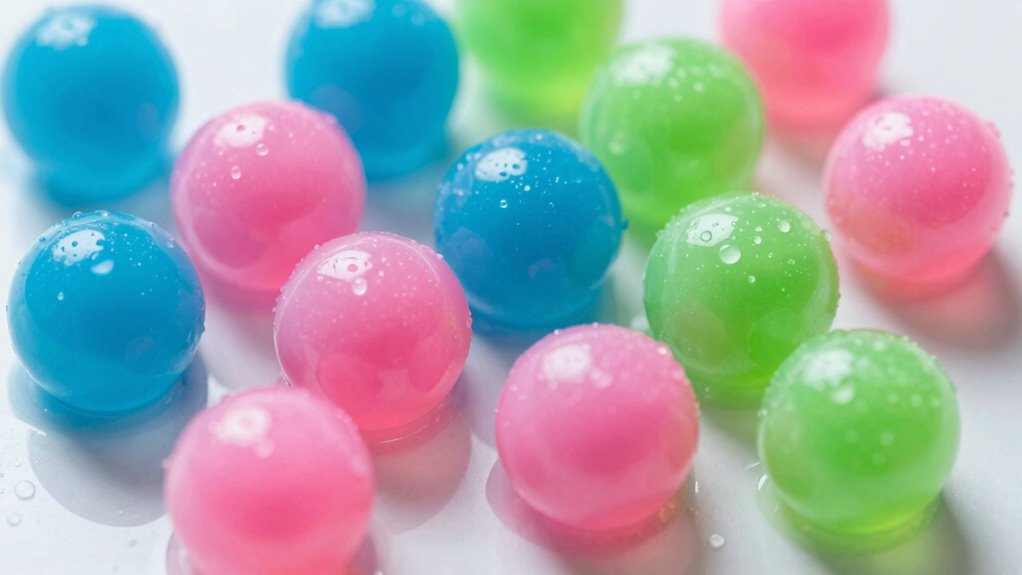

If you’re looking for water bead alternatives that feel fun and are easier for families, try sensory bags filled with rice, pasta, or dried beans, which are reusable and mess-free. Kinetic sand and sensory bins offer tactile satisfaction without the cleanup, while homemade slime provides stretchy, squishy fun. For water-based activities, shallow basins with floating toys or natural elements can create calming play. Keep exploring for more ideas to make sensory fun safe and simple for your family.

Turn the school run and nap time into listening time
- Thousands of audiobooks, podcasts and originals
- Listen on your phone, tablet or Echo — also offline
- Cancel anytime
Key Takeaways
- DIY sensory bags with rice, pasta, or dried beans offer mess-free, textured tactile experiences for children.
- Kinetic sand and sensory bins provide satisfying molding and digging activities without the cleanup of water beads.
- Homemade slime delivers stretchy, squishy sensory feedback and is customizable for fun family play.
- Water-based activities like floating objects in shallow basins promote water exploration safely and easily.
- Natural elements like herbs or essential oils enhance sensory engagement and relaxation during play.
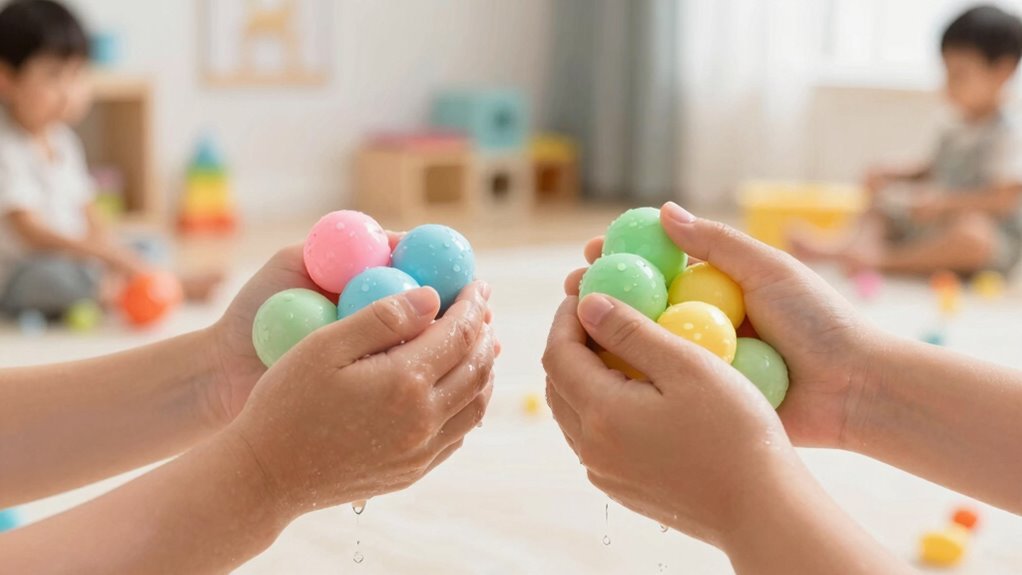
If you’re looking for fun and safe alternatives to water beads, there are plenty of options that can provide similar sensory experiences without the mess or potential hazards. Sensory play is crucial for children’s development, helping them explore textures, improve fine motor skills, and stimulate their senses. Instead of water beads, you can incorporate simple DIY projects that are both engaging and safe, making them perfect for family activities.
One great alternative is homemade sensory bags filled with different materials. You can fill resealable plastic bags with items like rice, pasta, or dried beans. Add food coloring or glitter to make the experience more vibrant and visually stimulating. Seal the bags tightly to prevent leaks, then let your kids squish, shake, and explore the textures. These DIY sensory bags are easy to customize and can be used repeatedly, providing a mess-free way to engage in sensory play.
Another excellent option is using kinetic sand. It mimics the feel of wet sand but doesn’t require a large mess or cleanup. Its unique texture offers a satisfying tactile experience, and kids can mold, dig, and build with it. Plus, kinetic sand is non-toxic and easy to store, making it a practical choice for family fun. You can also create themed sensory bins by adding small toys or objects into the sand, encouraging imaginative play alongside sensory exploration.
If you’re into simple DIY projects, consider making your own slime using safe ingredients like glue, baking soda, and contact lens solution. The stretchy, squishy texture of slime provides a different kind of sensory feedback and can be customized with colors, glitter, or small beads. It’s a versatile activity that promotes fine motor skills while being safe for children when prepared with non-toxic ingredients. Incorporating natural wellness principles, such as using water infused with essential oils, can further enhance relaxation and sensory enjoyment during these activities. Additionally, understanding sensory processing can help tailor activities to your child’s specific needs, making the experience even more beneficial.
Finally, water-based sensory activities can be fun without the mess. Fill a shallow basin with water and add floating objects like plastic boats, foam shapes, or glow-in-the-dark items. Kids can splash, pour, and explore the properties of water, enhancing their sensory experience. Adding temperature variations—warm or cool water—further stimulates their senses. Incorporating water-based sensory activities with natural elements like herbs or essential oils can create a calming environment and deepen sensory engagement. You can also explore sensory-friendly materials that are designed specifically for safe and engaging tactile play.
sensory bags with rice and glitter
As an affiliate, we earn on qualifying purchases.
As an affiliate, we earn on qualifying purchases.
Frequently Asked Questions
Are These Alternatives Safe for Children With Allergies?
Yes, these alternatives can be safe for children with allergies if you take allergy precautions. Always check the ingredients and materials used, making certain they’re hypoallergenic or free from common allergens. Safety considerations include avoiding small parts that could be a choking hazard and selecting non-toxic, washable options. By carefully choosing and monitoring, you can guarantee your child enjoys sensory play safely without allergy concerns.
How Easy Are These Options to Clean Up?
Imagine a burst of colorful, squishy shapes that slip through your fingers with ease—these mess-free options make cleanup simple. Temperature-sensitive materials change color, adding a fun visual element, but they’re designed to stay contained and easy to wipe away. You’ll find these alternatives are straightforward to clean, requiring just a quick surface wipe or rinse, making them perfect for busy families seeking hassle-free play.
Can These Alternatives Be Reused Multiple Times?
Many water bead alternatives are reusable, but their durability varies. Durability testing shows some options can withstand multiple play sessions if handled gently, making them cost-effective. To store them properly, guarantee they’re dried and kept in a sealed container to prevent mold or deterioration. Regularly check for cracks or damage, and replacements may be needed after extensive use, especially if they start losing their shape or feel less fun.
Do They Require Special Storage Conditions?
You don’t need special storage conditions for these alternatives, but humidity control is key. According to experts, improper storage can cause them to deteriorate or lose their texture. Use airtight storage containers to keep moisture out and maintain their shape. Keep them in a cool, dry place, away from direct sunlight. Proper storage guarantees they stay fun and effective, allowing you to reuse them multiple times without issues.
Are These Options Suitable for Outdoor Play?
Yes, many water bead alternatives are suitable for outdoor play because they often feature good outdoor durability and weather resistance. You should look for options designed specifically to withstand sun, rain, and rough handling, ensuring they stay intact and safe for kids. These alternatives typically dry quickly and resist fading, making them a fun, durable choice for outdoor activities, providing your family with an engaging, mess-free experience outside.
Conclusion
As you explore these water bead alternatives, remember they’re more than just toys—they’re symbols of connection and discovery. Just like a seed grows into a vibrant plant, your family’s laughter and shared moments flourish with each new activity. These fun, functional options remind you that sometimes, the simplest things—like a safe, engaging plaything—can nurture bonds and spark joy. Embrace these alternatives, and watch your family’s happiness bloom like a garden in full spring.
Cold & flu season Picks
humidifiers
As an affiliate, we earn on qualifying purchases.