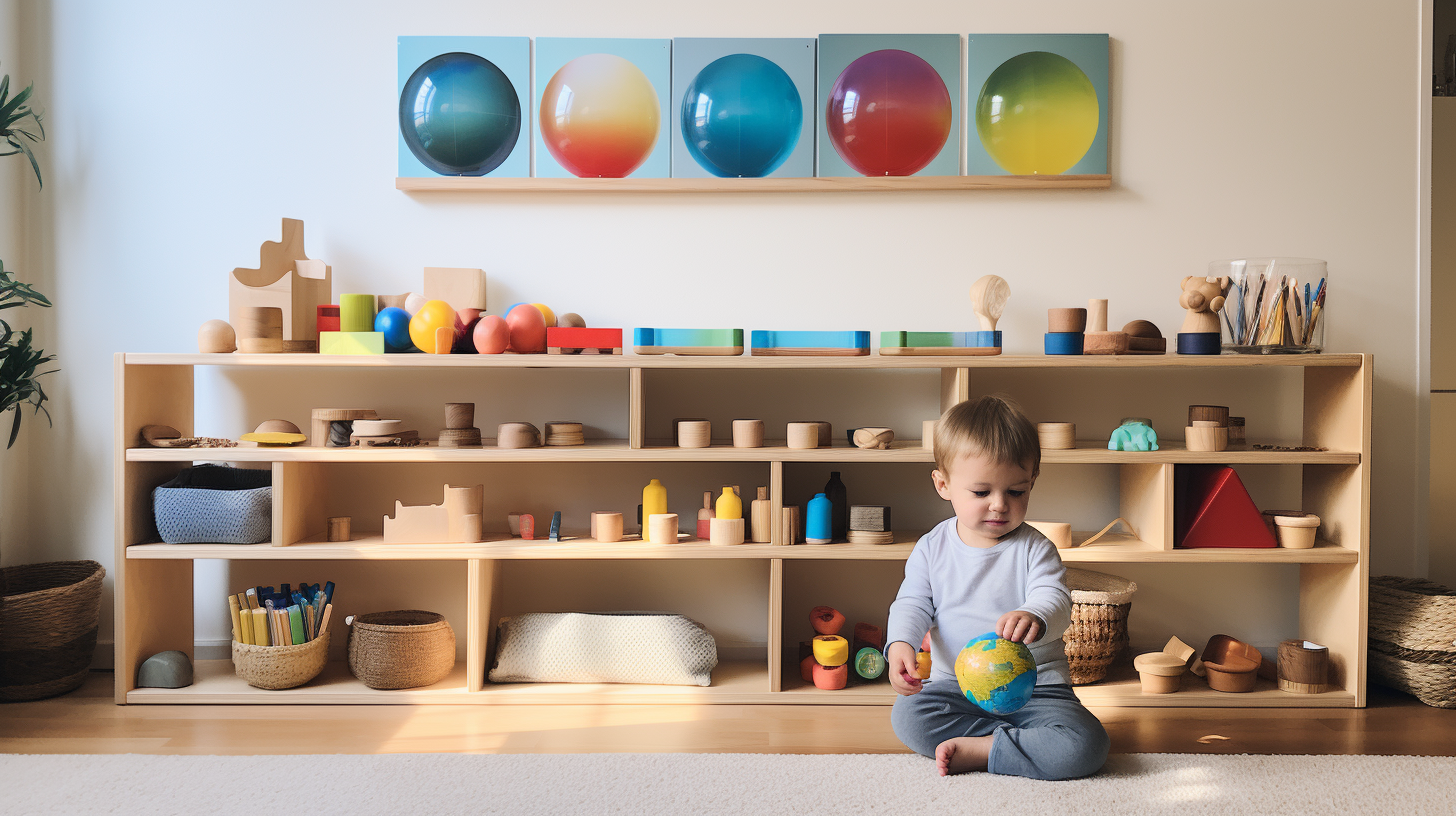
Waldorf and Montessori play philosophies shape how children explore and learn differently. In Waldorf, play is imaginative, artistic, and often outdoor-focused, encouraging emotional growth and creativity through storytelling, music, and sensory activities. Montessori emphasizes practical, hands-on activities that foster independence, organization, and real-world skills. Both approaches value child-led play, but their priorities differ—discover how these unique philosophies influence your child’s development as you explore the details further.
Key Takeaways
- Waldorf emphasizes imaginative, artistic, and sensory play through storytelling, music, and outdoor exploration, fostering emotional and creative development.
- Montessori promotes practical, hands-on activities with structured, self-directed play to develop independence and real-world skills.
- Waldorf’s play is immersive and artistic, integrating music, storytelling, and nature to nurture emotional and artistic growth.
- Montessori’s play focuses on organized, task-oriented activities that encourage concentration, problem-solving, and responsibility.
- Outdoor learning in Waldorf is immersive and holistic, while Montessori outdoor play is practical and structured within the curriculum.

When choosing between Waldorf and Montessori education, understanding their fundamental differences can help you make an informed decision for your child’s learning style. Both approaches emphasize hands-on, child-centered learning, but they differ considerably in their philosophies and daily practices. Waldorf education focuses on nurturing the child’s imagination and emotional development, often incorporating music integration and outdoor learning as core elements. You’ll find that Waldorf classrooms regularly feature singing, storytelling, and rhythmic activities that resonate with children’s natural love for music. These musical activities are designed to foster creativity, coordination, and emotional expression, making learning more engaging and holistic. Outdoor learning is also essential in Waldorf settings, where children spend ample time outside, exploring nature and engaging their senses. This outdoor engagement is not just play; it’s a deliberate part of the curriculum that promotes physical health, environmental awareness, and a sense of wonder. Additionally, the emphasis on foraging within local environments can help children develop a deeper connection to nature and understand ecological sustainability.
In contrast, Montessori education emphasizes independence, self-directed activity, and structured exploration. Here, outdoor learning is incorporated but often in a more practical, task-oriented way. Children are encouraged to choose activities that interest them from a carefully prepared environment, which may include outdoor spaces where they can work on gardening, nature observation, or physical challenges. Music integration exists in Montessori classrooms, but it tends to be more structured and less emphasized compared to Waldorf. Children might use musical instruments or participate in rhythmic activities, but these are typically integrated into a broader set of practical life skills and academics. The Montessori approach aims to foster concentration, problem-solving skills, and a sense of responsibility through a well-organized environment that promotes independence.
Your decision might hinge on whether your child thrives in a more imaginative, artistic environment or prefers structured, self-directed learning. Waldorf’s focus on storytelling, music, and outdoor exploration suits children who learn best through sensory experiences and creative expression. Conversely, Montessori’s emphasis on independence and practical skills appeals to children who excel with clear routines, self-chosen activities, and hands-on learning that emphasizes real-world applications. Both methods value outdoor learning, but Waldorf’s approach makes it a central, immersive experience, while Montessori considers it an important part of a broader, more structured curriculum. Understanding these differences can help you select an environment aligned with your child’s natural inclinations and developmental needs, ensuring they thrive in an educational setting that fosters their unique learning style.

EDOSTORY 5 in 1 Pikler Triangle Set, Indoor Playground and Gym for Kids, Foldable Wooden Montessori Climbing Set Triangle Ladder Set with Slide and Climbing Ramp, Gift for Boys Girls(Rainbow)
【Designed For Toddlers】Our 5 in 1 Pikler Triangle Toys are specifically designed with toddlers in mind. The size,...
As an affiliate, we earn on qualifying purchases.
Frequently Asked Questions
How Do Play Methods Differ Between Waldorf and Montessori Schools?
You’ll notice play methods differ between these approaches. Waldorf schools center on creative expression through imaginative and artistic activities, using natural materials to inspire wonder. Montessori schools emphasize sensory exploration with hands-on, self-directed activities that foster independence. Both styles support development, but Waldorf encourages artistic play, while Montessori promotes exploration and discovery. Your child’s experience will reflect these unique philosophies, shaping how they learn and grow through play.
Are There Specific Toys Unique to Each Educational Philosophy?
Imagine a world where toys are superheroes, and they tell stories! In Waldorf schools, you’ll find thematic toy distinctions like hand-crafted wooden figures and natural materials, creating an enchanting, earthy atmosphere. Montessori favorites include specialized materials like pink towers and bead chains, designed for precise learning. These material preferences shape play, making each toy a unique tool that sparks imagination and developmental growth tailored to each philosophy’s core values.
How Do Teacher Roles Influence Play in Waldorf and Montessori Settings?
You see that teacher authority shapes how play unfolds in each classroom. In Montessori settings, you’re more of a guide, fostering independence within a prepared environment that encourages self-directed play. In Waldorf classrooms, your role is more nurturing, creating a warm, aesthetic environment that inspires imagination and social interaction. Your influence helps establish a classroom environment that either promotes autonomy or encourages creative, soulful play.
What Are Parent Involvement Expectations in Each Approach?
They say “it takes a village,” and in these approaches, your parent engagement is key. In Waldorf settings, you’re encouraged to support creative expression and follow your child’s interests through parental guidance at home. Montessori emphasizes collaborative involvement, where you assist in fostering independence and respect for the child’s pace. Your active participation helps reinforce learning, shaping a nurturing environment that aligns with each philosophy’s unique view on child development.
How Do Play Philosophies Impact Children’s Social Development?
Play philosophies shape how children develop social skills, especially emotional intelligence and peer interactions. You’ll notice that a play approach emphasizing open-ended, collaborative activities fosters empathy, patience, and communication. Children learn to recognize and manage emotions while engaging with peers. This nurturing environment encourages cooperation and understanding, helping kids build strong social bonds. Ultimately, your child’s social development thrives when play promotes emotional awareness and positive peer engagement.

PairPear Foldable Pikler Triangle Climbing Set for Kids, 7 in 1 Montessori Large Wooden Climbing Toys Indoor Jungle Gym with Rocker Arch, Ramp & Slide for Toddlers 18 Months+
Bigger for Growing Kids: 38" tall XL frame lets siblings climb side-by-side, perfect from 18m to age 6
As an affiliate, we earn on qualifying purchases.
Conclusion
So, whether you’re drawn to Waldorf’s fairy-tale wonderland or Montessori’s pragmatic approach, remember—you’re basically choosing between a storybook and a toolbox. Both promise to shape your child’s future, but let’s be honest: one’s more like a magical forest, the other a well-organized workshop. Whichever path you pick, just hope your kid’s education doesn’t turn into a never-ending episode of “Choose Your Own Adventure”—because in the end, they’re all just trying to survive the playground politics.
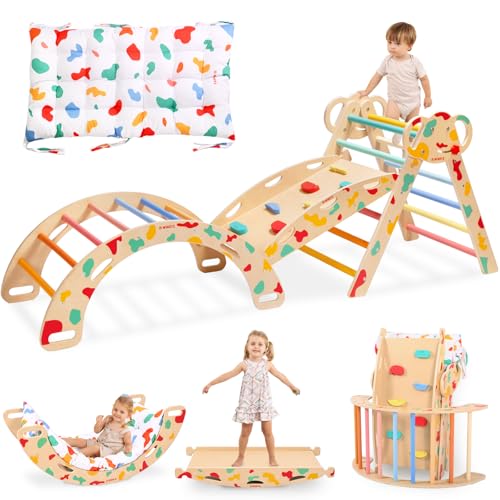
WINGYZ Pikler Triangle Set, Montessori Foldable 8-in-1 Jungle Gym & Reversible Animal Slide, Patent-Protected Climbing Set, Safe 2.35" Gap ASTM F963 Standards for Toddlers 18 Months-7 Years (Rainbow)
PICTURE THIS: YOUR CHILD’S EYES LIGHT UP — Imagine the delight as they discover a rainbow climbing wonderland....
As an affiliate, we earn on qualifying purchases.

Tiny Land Pikler Triangle Set, 7-in-1 Foldable Pikler Triangle Climbing Toys Set for Kids,Baby Indoor Playground Jungle Gym, Wooden Montessori Climbing Set for Toddler (Natural)
Tiny Land Montessori Climbing Set for Toddlers: The Tiny Land Pikler Triangle Set is inspired by the Montessori....
As an affiliate, we earn on qualifying purchases.