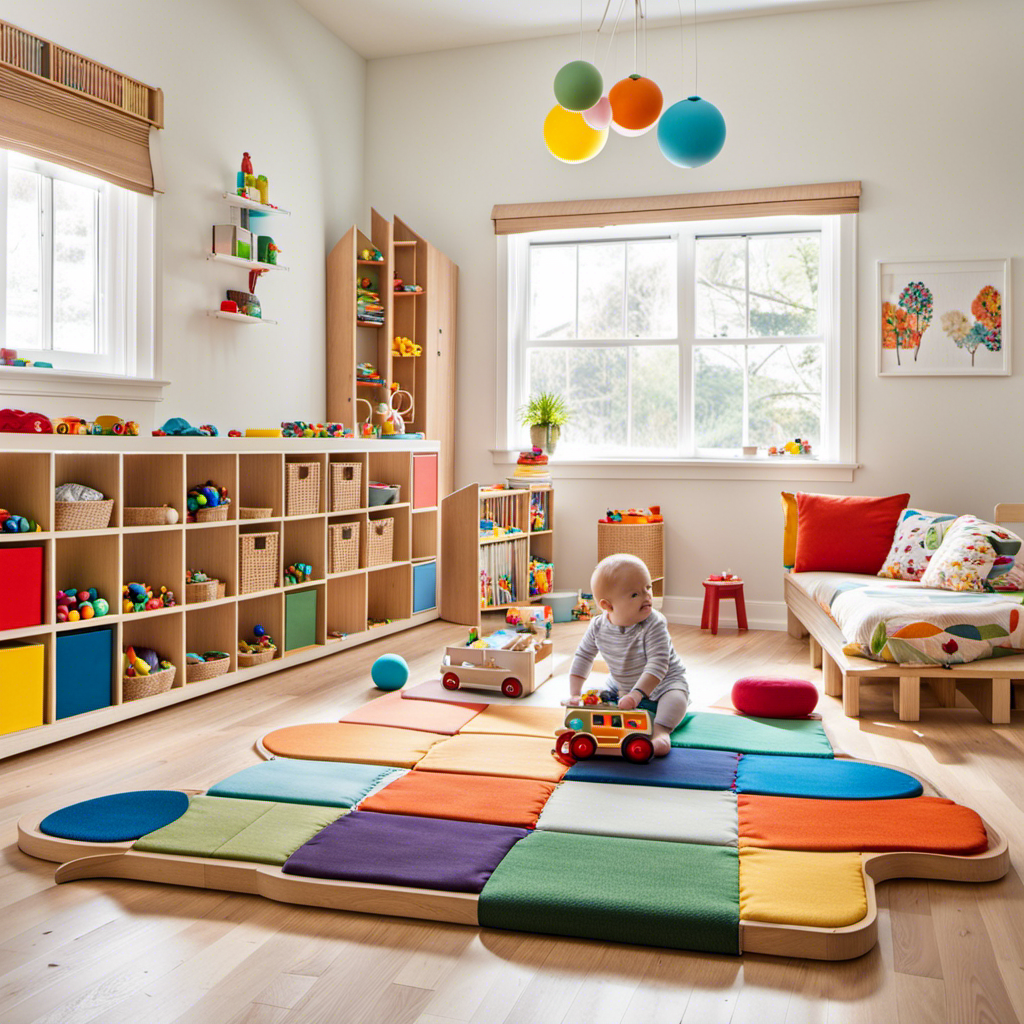

The Waldorf approach emphasizes natural, non-digital play to foster your child’s creativity, emotional resilience, and sensory growth. By reducing screen time, you encourage exploration through simple materials like wood, wool, and clay, helping your child develop imagination and social skills. Imaginative play, guided by natural objects, promotes problem-solving and emotional processing. Incorporating sound design with everyday objects can enrich their experience further. Keep exploring to discover how this approach can truly nurture your child’s holistic development.

Turn the school run and nap time into listening time
- Thousands of audiobooks, podcasts and originals
- Listen on your phone, tablet or Echo — also offline
- Cancel anytime
Key Takeaways
- Waldorf education emphasizes natural, tactile materials to foster sensory development and imaginative, screen-free play.
- It encourages unstructured, creative activities that promote emotional, social, and cognitive growth without digital distractions.
- Imaginative play using simple objects enhances problem-solving, language, and self-expression skills naturally.
- Regular screen-free periods help children explore their environment, process emotions, and develop resilience through free play.
- Incorporating sound design with everyday objects enriches sensory experiences and deepens imaginative storytelling during play.

Have you ever wondered how childhood has changed in the age of screens? It’s easy to get caught up in the constant stream of digital devices vying for your child’s attention. But what if you took a step back, encouraged a digital detox, and prioritized unstructured, tech-free play? This approach not only benefits your child’s mental health but also nurtures their creativity and social skills. When children aren’t glued to screens, they’re free to explore their environment, engage their imaginations, and develop a deep sense of curiosity. This kind of imaginative play is essential for cognitive development, helping kids learn problem-solving, empathy, and resilience.
The Waldorf approach champions this philosophy by emphasizing natural, non-digital activities that stimulate a child’s inner world. Instead of relying on screens for entertainment, children are encouraged to engage with simple, natural materials like wood, wool, and clay. These materials foster tactile experiences that boost sensory development and help children connect with their surroundings. By removing the distractions of digital devices, children are more likely to immerse themselves in imaginative play, creating stories, building structures, or pretending to be characters from their favorite tales. This kind of play isn’t just fun; it’s crucial for their emotional and intellectual growth.
Digital detox isn’t about banning technology forever but about creating balance. When you set aside regular screen-free periods, you give your child space to breathe, reflect, and invent. It encourages them to rely on their imagination rather than external stimuli. For instance, a simple stick can become a magic wand, a box can transform into a spaceship, and a blanket can turn into a cozy fort. These moments of imaginative play help children process their emotions and develop problem-solving skills without the influence of digital prompts. As they invent stories and scenarios, they also learn language, develop fine motor skills, and strengthen their ability to focus—all in a natural, joyful way. Incorporating sound design principles into play, such as creating imaginary sound effects with everyday objects, can further enrich their experience and stimulate auditory development.
natural wooden toys for children
As an affiliate, we earn on qualifying purchases.
As an affiliate, we earn on qualifying purchases.
Frequently Asked Questions
How Does Waldorf Education Address Modern Digital Learning?
You might wonder how Waldorf education handles modern digital learning. It emphasizes developing digital literacy through hands-on, creative activities rather than relying on technological integration in early childhood. Waldorf schools prioritize experiential learning, fostering imagination and critical thinking. They introduce technology gradually, ensuring children build a strong foundation before engaging with digital tools, so they develop a balanced approach to technology that supports their overall growth and understanding.
What Are the Long-Term Developmental Benefits of a Tech-Free Childhood?
Imagine planting seeds in a lush garden; a tech-free childhood nurtures your child’s brain development and emotional resilience like sunlight and water. Without screens, they explore, create, and connect deeply, building strong neural pathways. Long-term, this foundation helps them navigate life’s storms with confidence and empathy. You give them the tools to grow into resilient, emotionally intelligent adults, thriving in a world that often feels overwhelmed and digital.
How Can Parents Implement Screen-Free Activities at Home Effectively?
To effectively implement screen-free activities at home, you can prioritize creative outdoor activities and hands-on craft projects. Set aside dedicated times for outdoor play, encouraging exploration and physical activity, while also providing simple craft supplies for your child to create and imagine. Establish routines that limit screen time, and participate actively to make these activities engaging. Your involvement helps foster a balanced, tech-free childhood filled with creativity and connection.
Are There Age-Specific Strategies for Reducing Screen Time?
They say “kids will be kids,” and tailoring your approach helps. For reducing screen time, use age-appropriate activities aligned with developmental milestones. Younger children benefit from sensory play and storytelling, while older kids thrive with hands-on projects and outdoor adventures. Adjust strategies to match their growth, making tech-free time engaging and meaningful. This way, you nurture their development and foster healthy habits early on.
How Does Screen-Free Play Influence Social Skills Development?
When you prioritize screen-free play, you help your child develop essential social skills. They learn emotional intelligence by managing feelings and reactions in real-life situations, and peer interaction becomes more meaningful. Without screens as a distraction, your child can focus on face-to-face communication, sharing, and empathy, which fosters deeper connections. This hands-on engagement encourages emotional growth and strengthens their ability to relate to others effectively.
Conclusion
Choosing a screen-free childhood allows you to foster creativity, imagination, and genuine connection. By embracing the Waldorf approach, you step into a simpler, more authentic world—like living in a well-loved storybook. While some might call it old-fashioned, this timeless method nurtures resilience and wonder that no iPad can match. In this modern age, returning to tech-free play isn’t just nostalgic; it’s a crucial act of love, helping your child grow into a truly whole person.
Halloween Picks
halloween
As an affiliate, we earn on qualifying purchases.