
You can help children develop waiting skills faster by engaging them in play activities like turn-taking games, puzzles, arts and crafts, and pretend scenarios. These activities encourage patience, focus, and emotional regulation while making waiting feel positive and natural. As a caregiver, guiding and consistently practicing these activities helps children learn to manage frustration and develop self-control. Keep exploring how the right play can boost patience even more.

Turn the school run and nap time into listening time
- Thousands of audiobooks, podcasts and originals
- Listen on your phone, tablet or Echo — also offline
- Cancel anytime
Key Takeaways
- Turn-taking games like board games teach children patience through enjoyable, structured waiting experiences.
- Problem-solving activities such as puzzles enhance focus and promote patience during delayed completion.
- Caregivers’ consistent guidance during play reinforces self-regulation and patience development.
- Arts and crafts projects cultivate patience by requiring sustained attention and managing expectations.
- Incorporating real-life simulations and positive reinforcement makes waiting engaging and encourages gradual skill growth.

Waiting can be challenging for young children, but the right kind of play can help them develop patience and self-control more quickly. When children learn to wait, they also begin to grasp the importance of time management — understanding that certain things take time and that patience leads to better outcomes. Your role as a caregiver is essential in guiding them through this process. Engaging them in activities that require waiting turns or delayed gratification can turn a frustrating experience into a valuable learning moment.
Think about games that involve turn-taking, like board games or simple group activities. These games naturally teach children to wait for their turn, helping them practice patience in a fun and supportive context. As they wait, they learn to regulate their emotions, which boosts patience development. Over time, these small lessons add up, making it easier for your child to handle longer periods of waiting without becoming upset or impatient. The key is consistency; the more frequently children practice waiting, the faster they develop patience and a sense of control over their impulses.
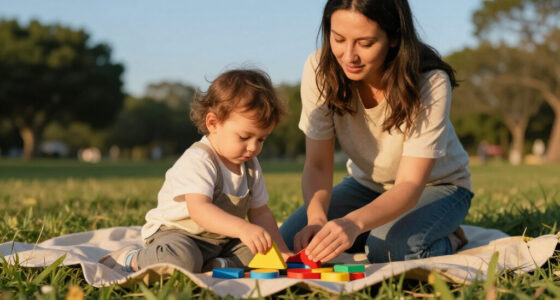
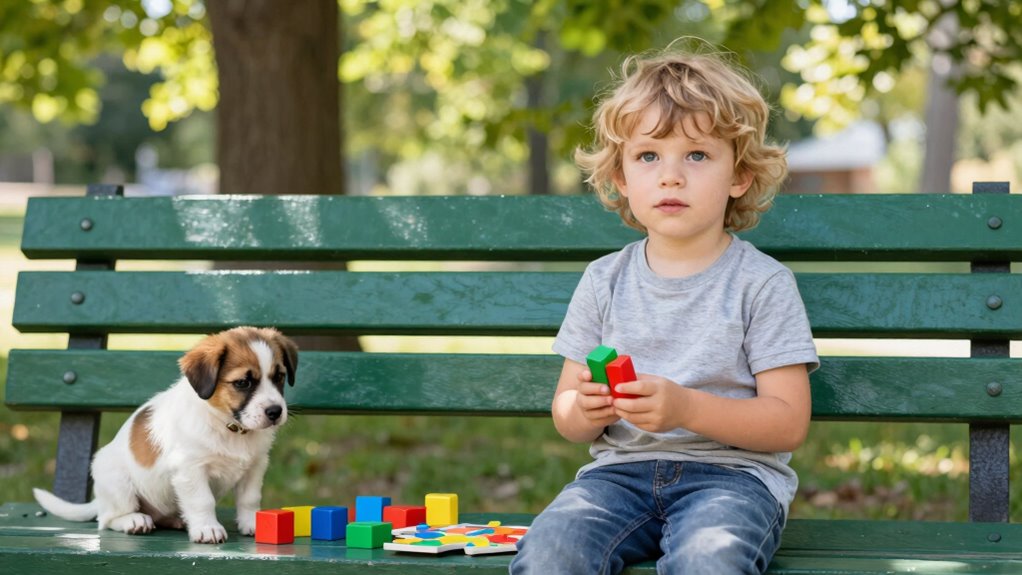
Play activities that incorporate problem-solving or slow-paced tasks also foster patience. For example, puzzle games or arts and crafts require children to focus and wait for their turn to add pieces or complete a project. These activities encourage children to manage their expectations and understand that good things often take time. As they see progress through their effort and patience, they associate waiting with positive results, reinforcing patience development. Incorporating age-appropriate learning activities can further enhance their understanding of patience and delayed gratification. Additionally, engaging in activities that promote self-regulation skills helps children better manage their impulses and develop patience more effectively. Building these skills early can also improve their ability to handle frustration in various situations, making patience a natural part of their growth.
You can also incorporate pretend play or role-playing scenarios that involve waiting and planning. For instance, playing “store” or “restaurant” teaches children to wait their turn, handle delays, and manage their time effectively. These scenarios simulate real-life situations where patience and time management are essential, preparing them for the future. When children practice these skills in play, they feel more confident and in control, which strengthens their ability to wait calmly outside of playtime as well. Incorporating real-life simulations can further reinforce these skills and make the learning experience more engaging.
Ultimately, the goal is to make waiting an engaging, positive experience. By choosing the right activities, you help your child see waiting as a natural part of life rather than an obstacle. Developing these skills can also be supported by understanding lab equipment and chemical safety, which teaches children to follow procedures and wait for instructions carefully. This approach not only accelerates patience development but also teaches essential skills like time management that will benefit them well beyond childhood. With patience, practice, and the right kind of play, your child can learn to wait more comfortably and develop self-control that lasts a lifetime.
children's turn-taking board games
As an affiliate, we earn on qualifying purchases.
As an affiliate, we earn on qualifying purchases.
Frequently Asked Questions
How Can Playtime Improve a Child’s Patience?
Playtime can boost your child’s patience by encouraging both group activities and independent play. When they participate in group activities, they learn to wait their turn and handle delays calmly. Independent play helps them practice patience as they explore and solve problems on their own. These experiences teach your child that waiting is part of fun and learning, ultimately helping them develop better patience over time.
What Types of Play Are Best for Developing Waiting Skills?
Waiting skills are like muscles that get stronger with exercise. You should encourage your child to engage in imaginative play and outdoor activities, as these foster patience naturally. Imaginative play teaches them to wait their turn and think creatively, while outdoor activities require patience for nature exploration or team sports. These play types help kids develop waiting skills in a fun, engaging way, making patience a natural part of their growth.
How Long Should Play Sessions Be to Foster Waiting Skills?
To foster waiting skills effectively, keep play sessions short, around 10 to 15 minutes, especially for young children. Shorter play durations help maintain their focus and patience. Consider session timing during naturally calm periods, like after a snack or nap, to maximize engagement. As they improve, gradually extend the play duration to build longer attention spans, always observing their cues to prevent frustration.
Are There Age-Specific Play Strategies for Enhancing Patience?
Think of patience as a garden growing at different speeds, depending on your child’s age. For younger children, playful activities that involve simple turn-taking cultivate waiting skills, while older kids thrive with more complex, strategic play. Cultural influences shape how patience is valued and practiced, and your active parental involvement acts as sunlight, nurturing their growth. Tailoring play strategies by age helps your child develop lasting patience, bloom fully over time.
Can Waiting Skills Be Improved in Children With Developmental Delays?
Yes, you can help children with developmental delays improve their waiting skills by focusing on impulse control and emotional regulation. Engage them in activities that require patience, like turn-taking games or simple waiting tasks, and provide gentle guidance. Encourage deep breaths or calming techniques when they feel impatient. With consistent practice and supportive play, their ability to wait will gradually strengthen, making it easier for them to manage impulses and emotions.
Conclusion
By incorporating playful activities that encourage patience, you can help your child develop stronger waiting skills. For example, a parent might introduce a simple game where children wait for their turn, rewarding patience with praise or small treats. Over time, this playful approach makes waiting feel like fun rather than a chore. With consistent practice and the right kind of play, your child’s ability to wait can grow faster, setting a foundation for better self-control and social skills.
Halloween Picks
halloween
As an affiliate, we earn on qualifying purchases.