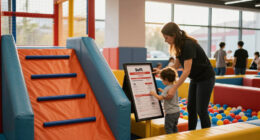

You might notice some kids seek spinning, swinging, or jumping, which are related to vestibular input that helps with balance and spatial awareness. Others prefer heavy activities like pushing or crashing, linked to proprioceptive input that supports body awareness and coordination. Some children crave both types of movement, depending on their needs. Understanding these preferences helps you support their development and regulation. Keep exploring, and you’ll discover ways to better meet their sensory needs.

Get baby and family essentials delivered free — and shop member deals
- Fast, free delivery on millions of items
- Access to Prime Big Deal Days deals on October 6–7
- Prime Video, Amazon Music and more included
Key Takeaways
- Kids craving vestibular input seek movement that involves balance and spatial orientation, like spinning or swinging.
- Children seeking proprioceptive input prefer heavy, compressive activities such as lifting or crashing.
- Sensory preferences vary; some children need both types of input, while others favor one over the other.
- Understanding these cravings helps tailor activities that support regulation and development.
- Different movement needs reflect individual sensory processing differences and influence preferred physical activities.

Understanding how your body perceives movement and position can be complex, especially when distinguishing between vestibular and proprioceptive input. These two systems work together to help you stay balanced, coordinate your actions, and respond appropriately to your environment. When it comes to sensory processing, some kids have unique preferences or needs—they might crave more movement or seek out activities that stimulate their vestibular or proprioceptive senses. Recognizing the differences can help you understand why certain children seem to be constantly on the move or, conversely, why others prefer stillness.
Understanding vestibular and proprioceptive senses helps explain children’s movement preferences and supports their sensory needs.
Vestibular input involves the inner ear and helps your body sense balance and spatial orientation. It’s what lets you feel if you’re upside down, spinning, or moving in a particular direction. Kids who seek vestibular input often love swinging, jumping, spinning, or any activity that creates a sensation of motion. Their sensory processing systems may crave these movements because they provide essential feedback that helps them regulate their responses to the world. When they get enough vestibular stimulation, they feel more grounded and ready to focus on other tasks. Without enough of this input, they might appear restless, easily distracted, or uncoordinated. Incorporating vestibular activities into daily routines can serve as a natural way to meet their sensory needs.
Proprioceptive input, on the other hand, comes from sensors located in muscles, joints, and skin. It helps you understand where your body parts are in space without looking. This sense is crucial for fine and gross motor skills, allowing you to write, jump, or carry objects with control. Kids who crave proprioceptive input often seek activities like heavy lifting, pushing, or crashing into things. They might enjoy squeezing a stress ball or jumping onto a trampoline because these movements give them a sense of body awareness and help with movement regulation. When their proprioceptive system is under-stimulated, they might appear clumsy, seek constant pressure or contact, or have difficulty calming down. Additionally, proprioceptive input can be especially important for children with sensory processing challenges, as it helps create a sense of body awareness. Incorporating a variety of sensory integration activities can further support their development and help in achieving a balanced sensory response.
Understanding the differences between vestibular and proprioceptive input helps you identify a child’s needs more clearly. Some children crave both types of input, while others may prefer one over the other. Providing appropriate movement activities that target either system can be a powerful way to support their development. Supporting their sensory processing by providing appropriate movement opportunities can help them stay regulated and engaged. Offering sensory activities that target either system can be a powerful way to support their development. Whether it’s swinging to satisfy vestibular needs or doing heavy work for proprioceptive input, integrating these activities into their daily routine can make a significant difference. Recognizing these cues allows you to better support children in finding the right balance of movement, ultimately helping them feel more comfortable and focused in their environment.
As an affiliate, we earn on qualifying purchases.
Frequently Asked Questions
How Do I Identify if My Child Needs Vestibular or Proprioceptive Input?
You can tell if your child needs vestibular or proprioceptive input by observing their movement patterns and sensory responses. If they seek spinning, swinging, or jumping, they likely crave vestibular input to improve balance and coordination. If they push or pull objects intensely or crave deep pressure, they probably need proprioceptive input for better body awareness and regulation. Watching how they react to different activities helps identify their sensory integration needs.
Are Sensory Cravings Always Indicative of a Disorder?
Sensory cravings aren’t always signs of a disorder; sometimes, they’re part of sensory integration, helping kids regulate their feelings and attention. If your child seeks specific movements, movement therapy can support their needs and promote balanced sensory processing. Always observe if these cravings interfere with daily activities or social interactions. Consulting a professional can help you determine whether your child’s behaviors are typical or if they could benefit from targeted sensory strategies.
Can Diet Influence Sensory Processing and Movement Preferences?
Yes, diet impact and nutritional factors can influence sensory processing and movement preferences. When you provide a balanced diet rich in essential nutrients, you support your child’s brain and nervous system function. Deficiencies in vitamins, minerals, or fatty acids may increase sensory sensitivities or cravings. Ensuring proper nutrition helps regulate sensory responses, possibly reducing extreme movement preferences and promoting more typical sensory integration for your child.
What Activities Best Support Vestibular and Proprioceptive Development?
Imagine you’re in a dance hall, feeling the rhythm—balance exercises like swinging, spinning, and jumping support vestibular development, while activities like wall push-ups and deep pressure help with proprioceptive input. Incorporate sensory integration strategies like obstacle courses and trampoline jumping to boost both systems. You’ll help your child enhance their balance, coordination, and body awareness, making movement more comfortable and enjoyable.
When Should I Seek Professional Help for Sensory Processing Issues?
You should seek professional help if sensory processing issues markedly affect your child’s daily life, such as difficulty with sensory integration or overstimulation. If they avoid or seek excessive movement, struggle with coordination, or have trouble calming down, consider consulting an occupational therapist. Movement therapy can help improve sensory integration, enabling your child to better process sensory input and develop healthier movement patterns. Early intervention is key for better outcomes.
Conclusion
Just as a river finds its flow, understanding whether your child craves vestibular or proprioceptive input helps you guide their journey. Recognize their unique needs, like a compass pointing north, and tailor activities to keep their world balanced. When you tune into these signals, you’re helping them navigate life’s currents with confidence. Embrace this insight, and watch them flourish—like a tree rooted firmly yet reaching upward, steady in their movement and growth.
Fall Picks
fall essentials
As an affiliate, we earn on qualifying purchases.