
In Waldorf play, you embrace open-ended, imaginative activities that spark your child’s natural curiosity and creativity. You encourage unstructured exploration, allowing children to lead their own discovery through nature, stories, and sensory experiences. This approach nurtures their holistic development by fostering confidence, resilience, and emotional growth. By focusing on meaningful, child-centered play, you’ll find that your child’s love for learning deepens—if you keep exploring, you’ll uncover more ways to support their growth.
Key Takeaways
- Waldorf play emphasizes unstructured, imaginative activities that foster holistic development and natural curiosity.
- It encourages open-ended exploration with natural materials, promoting sensory engagement and environmental connection.
- Storytelling and role-play are used to inspire creativity, language skills, and emotional expression.
- Play is viewed as a vital, child-led learning process that builds confidence, independence, and problem-solving skills.
- Facilitators act as gentle guides, supporting spontaneous discovery without correction, nurturing imaginative growth.
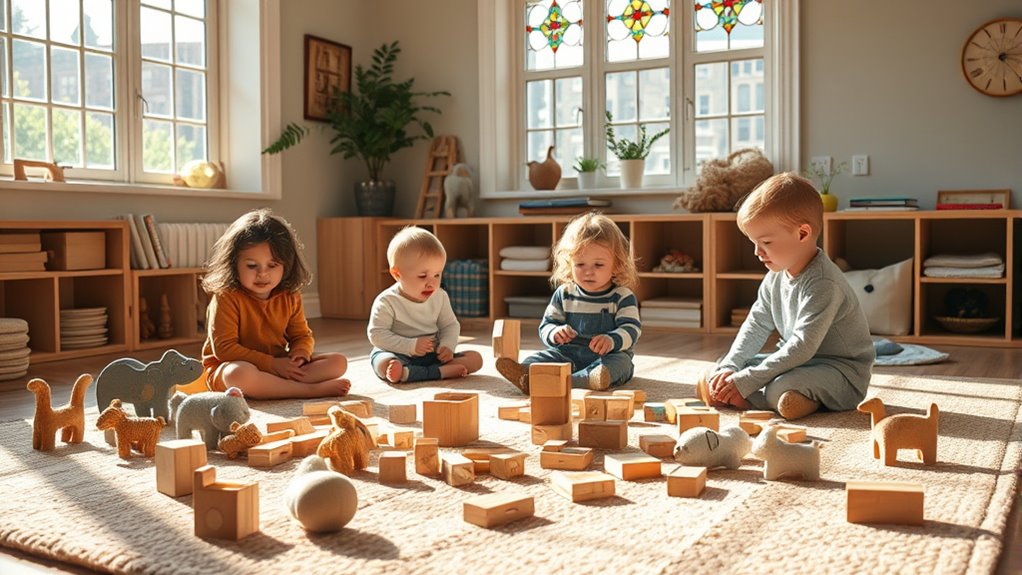
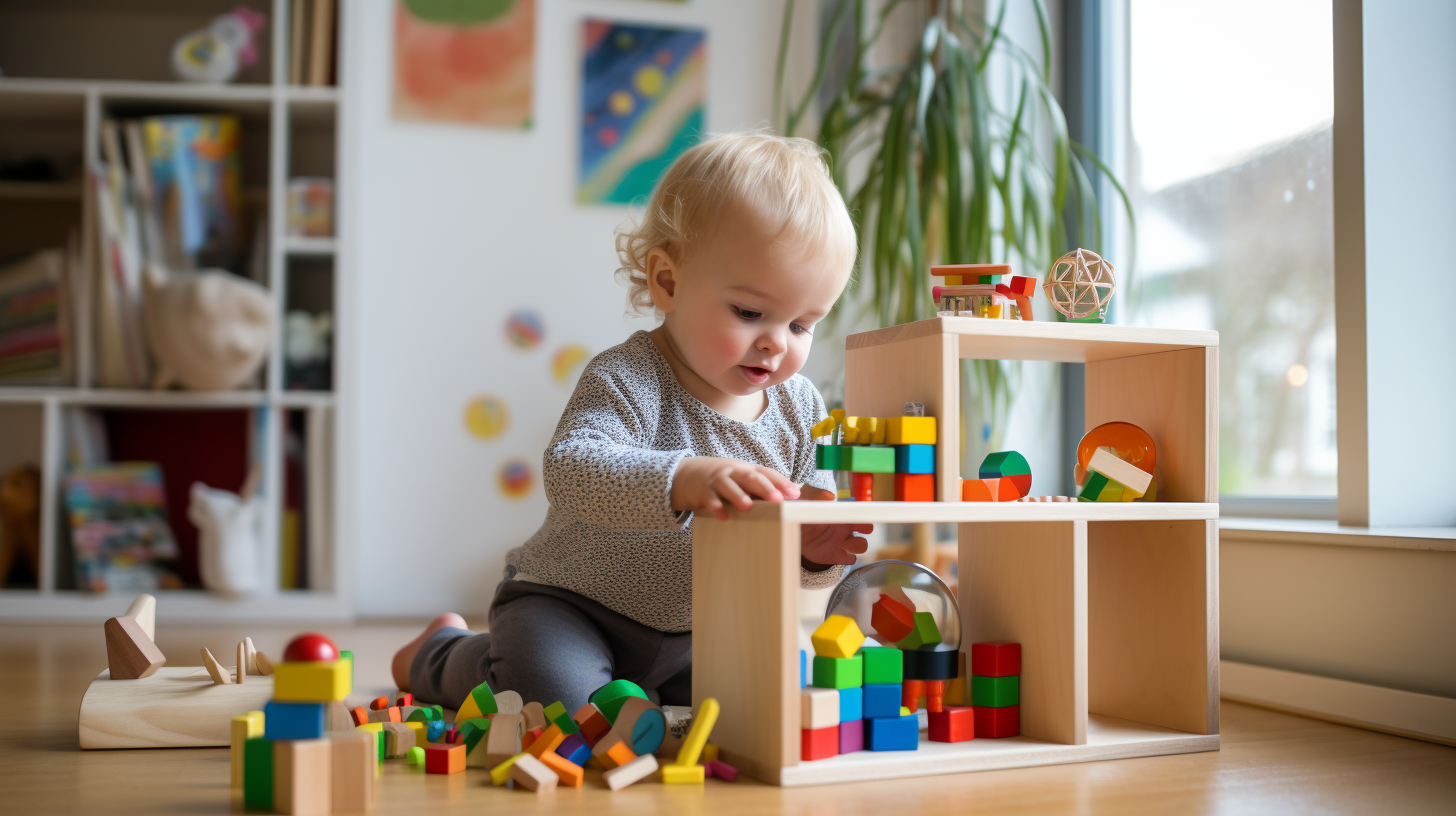
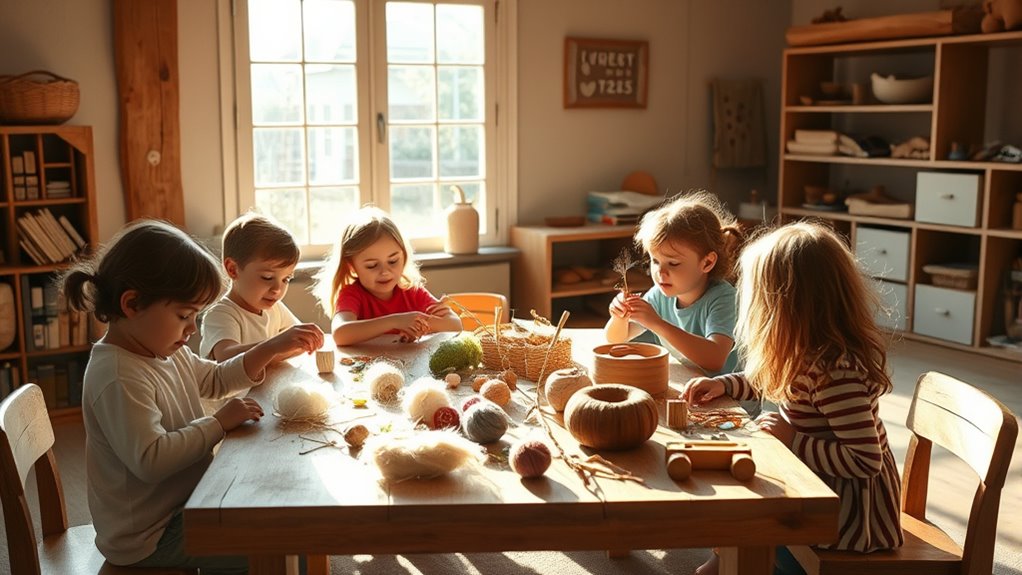
Waldorf play philosophy emphasizes the importance of unstructured, imaginative activities that nurture a child’s holistic development. Instead of rigid rules or predefined outcomes, you encourage children to immerse themselves in open-ended experiences that spark their natural curiosity. One of the core aspects of this approach is fostering a deep connection with nature. You might find children wandering through gardens, forests, or even a simple backyard, engaging in nature exploration. During these adventures, they learn to observe, listen, and feel the environment around them. This active engagement with the natural world cultivates their sense of wonder, patience, and respect for living things. It also provides a rich sensory experience that supports cognitive and emotional growth. Incorporating elements of natural materials can further enhance this connection and stimulate sensory development.
Alongside nature exploration, creative storytelling plays a crucial role in Waldorf play. You might set the scene with a simple prompt, then watch as children weave their own narratives, transforming everyday objects into magical characters or fantastical settings. This process isn’t about right or wrong stories; it’s about nurturing their imagination and helping them develop language skills, emotional awareness, and problem-solving abilities. When children create stories, they’re not just having fun—they’re also building their understanding of the world, expressing feelings they might not yet have words for, and strengthening their ability to think creatively. As a facilitator, your role is to listen, encourage, and give space for their ideas to flourish, avoiding interruption or correction that could stifle their imaginative flow.
Both nature exploration and creative storytelling embody the Waldorf belief that play is a essential, natural way for children to learn. These activities are designed to be flexible, allowing each child to lead and explore at their own pace. When you prioritize open-ended play, you enable children to develop confidence, independence, and resilience. They learn to make choices, solve problems, and express themselves authentically. The beauty of this approach is that it respects their innate creativity and curiosity, fostering a love of learning that can last a lifetime. In your role, you become a guide rather than a director, supporting children as they discover the world through their senses and stories, shaping their understanding of themselves and their environment in a gentle, meaningful way.

Yowlieu 10 Pcs Wooden Sensory Bin Tools for Toddlers & Preschool Children, Montessori Sensory Wooden Toys Fine Motor Learning Pretend Play Sensory Tools for Kids
Complete Montessori Sensory Bin Tools Kit: 10 Sensory Tool Toys + 1 storage bag for supply all-in-one convenience,…
As an affiliate, we earn on qualifying purchases.
As an affiliate, we earn on qualifying purchases.
Frequently Asked Questions
How Does Waldorf Play Support Emotional Development?
Waldorf play supports your child’s emotional development by fostering emotional resilience and self-awareness. As they engage in open-ended, imaginative activities, they learn to express feelings, navigate challenges, and understand their emotions better. This type of play encourages your child to explore their inner world, build confidence, and develop empathy, all of which strengthen their emotional health and resilience over time.
What Role Do Teachers Play in Waldorf Play?
You play a crucial role by facilitating and observing during Waldorf play. Your active facilitation encourages creativity and imagination, guiding children gently without directing their play. By observing closely, you understand their developmental needs and interests, allowing you to support their growth subtly. Your mindful presence helps children feel safe and inspired, fostering independence and emotional resilience as they explore and express themselves through open-ended, imaginative play.
Can Waldorf Play Be Integrated Into Traditional Classrooms?
You can integrate Waldorf play into traditional classrooms through creative integration and curriculum adaptation, making learning more engaging. When you blend open-ended, imaginative activities with standard lessons, students become more inspired and enthusiastic to explore. By thoughtfully incorporating Waldorf play principles, you foster creativity without sacrificing curriculum goals, creating a balanced environment that nurtures imagination while meeting academic standards. This approach transforms the classroom into a space for holistic growth.
How Does Waldorf Play Influence Social Skills?
Waldorf play boosts your social skills by encouraging peer interaction and cooperative games. As you engage in open-ended activities, you learn to share, negotiate, and empathize with others. These experiences help you develop trust and understanding, fostering stronger relationships. The emphasis on collaborative play allows you to practice teamwork naturally, making social interactions more meaningful and enjoyable. Ultimately, Waldorf play helps you build the social skills essential for everyday life.
Are There Specific Materials Recommended for Waldorf Play?
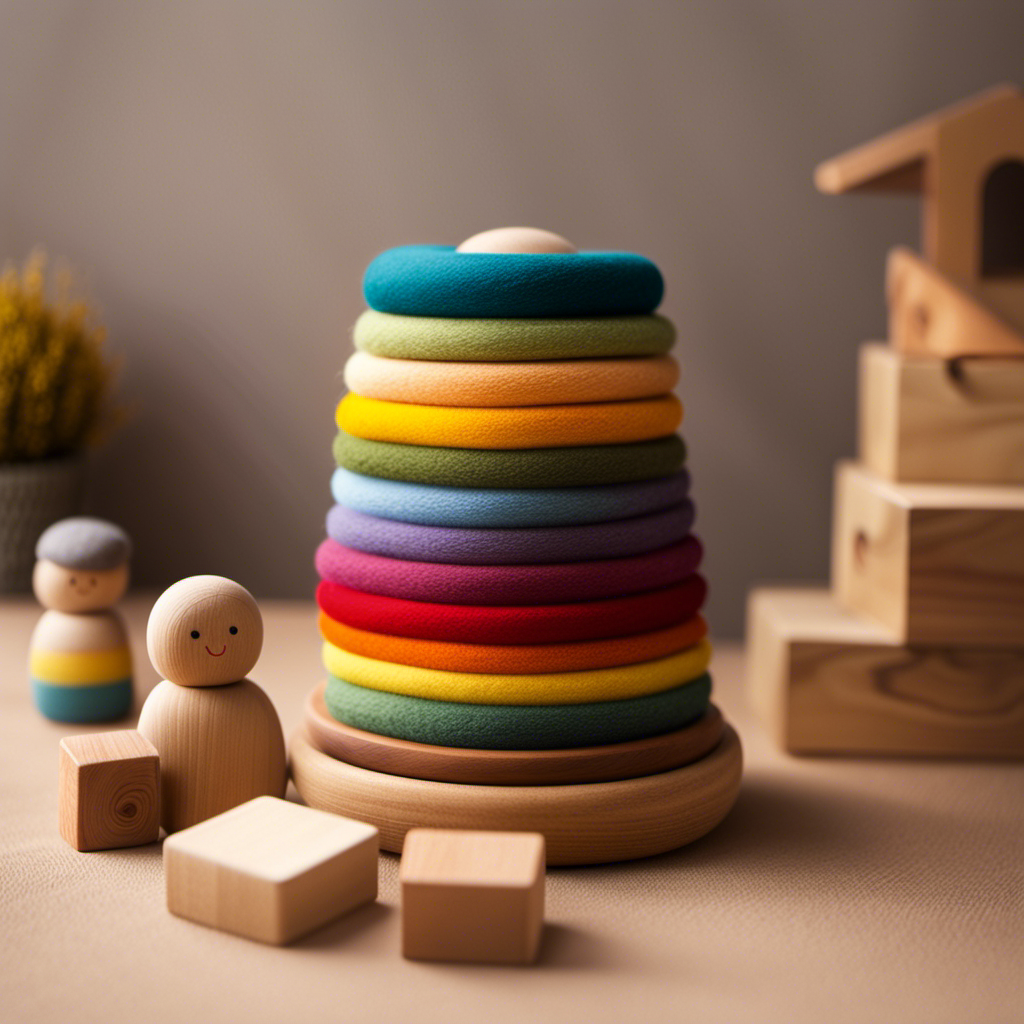
You should choose natural fibers and wooden toys for Waldorf play. These materials act like silent storytellers, inviting your child’s imagination to soar. Natural fibers, like wool and cotton, foster sensory exploration, while wooden toys serve as sturdy, timeless tools for creative building. Together, they create a nurturing environment where your child’s imagination blossoms, encouraging open-ended play that nurtures social skills and emotional growth naturally.

WATINC 9Pack Hand Puppet Art Craft – DIY Making Your Own Paper Sock Puppets Kits Wiggle Googly Eyes, Imaginative Early Learning Classroom Family Storytelling Games Pretend Party Supplies (Animals)
GREAT FANTASY PUPPETS: WATINC hand puppets are great for kids to pretend, role play their favorite characters, and…
As an affiliate, we earn on qualifying purchases.
As an affiliate, we earn on qualifying purchases.
Conclusion
Embracing Waldorf play is like nurturing a garden where imagination blooms freely, unburdened by rigid structures. By fostering open-ended and imaginative activities, you give children the space to grow into curious, creative souls. Remember, you’re not just guiding play; you’re planting seeds of wonder that will blossom throughout their lives. When you honor their natural curiosity, you create a sanctuary where their spirits can soar and dreams take root like stars in the night sky.

National Geographic Bug Catcher Kit for Kids – Kids Bug Habitat with Magnified Viewer, Bug Box, & Tweezers, Insect Habitat, Outdoor Toys, Bug Catching Kit, Bug Box, Easter Basket Gifts for Kids
CATCH BUGS & OBSERVE THEM UP CLOSE – With this bug catcher and habitat kit, kids can capture…
As an affiliate, we earn on qualifying purchases.
As an affiliate, we earn on qualifying purchases.

OESSUF Extra-Large Stacking Rocks for Toddlers 1-3, 16 PCS Wooden Montessori Toys, Safe Smooth Jumbo Balancing Stones for Open-Ended Sensory Play, STEM Building Blocks for Boys & Girls
Extra-Large & Safe for Toddlers 1-3: 16 PCS jumbo wooden stacking rocks designed for small hands. Smooth, BPA-free…
As an affiliate, we earn on qualifying purchases.
As an affiliate, we earn on qualifying purchases.