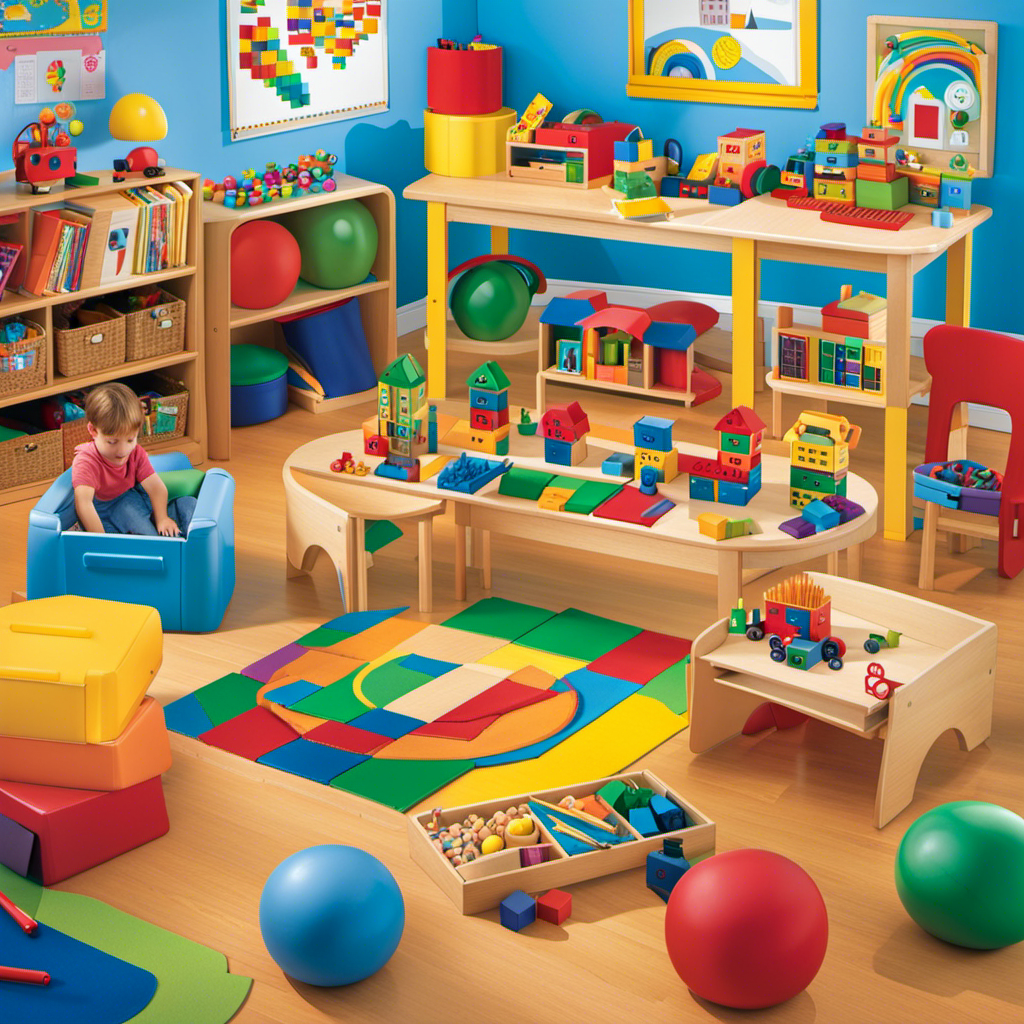
Using ride-on paths to teach colors and shapes makes learning fun and interactive. You can design vibrant, shape-marked routes where children navigate ride-on vehicles, reinforcing recognition through movement. Incorporate games like matching objects or searching for hidden items along the path to boost critical thinking and sensory exploration. This active approach helps children connect visual cues with physical actions, creating memorable lessons. Keep exploring to discover more creative ways to make learning engaging and effective.
Key Takeaways
- Incorporate vibrant colored and shaped path sections to help children associate visual cues with movement.
- Organize relay races along the path to reinforce quick recognition of colors and shapes through active participation.
- Place matching objects or flashcards along the route for children to identify and connect with corresponding shapes and colors.
- Design storytelling adventures that guide children through themed routes, making color and shape recognition engaging and memorable.
- Hide small toys or cards along the path to encourage exploration, discovery, and reinforcement of color and shape identification skills.
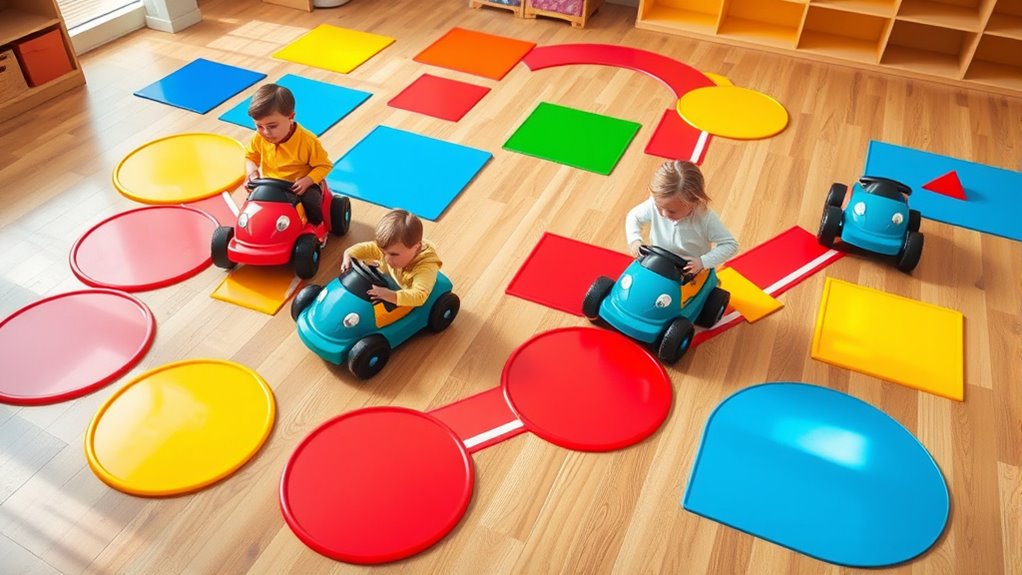
Have you ever wondered how to make learning colors and shapes engaging for young children? One effective way is to incorporate ride-on paths into your teaching approach. These paths not only add a fun element to your classroom but also serve as a dynamic tool for teaching colors and shapes through interactive games and classroom activities. When children hop onto ride-on vehicles and follow designated paths, they become active participants in their learning, making abstract concepts concrete and memorable.
Using ride-on paths, you can design a variety of interactive games that reinforce color and shape recognition. For example, set up different sections of the path with vibrant colors and distinct shapes. Children can navigate their ride-on vehicles along these sections, stopping at stations that prompt them to identify the color or shape in front of them. This movement-based activity helps children associate visual cues with physical actions, making learning both kinesthetic and visual. You can also organize relay races where kids race to find and identify specific colors or shapes along the path, encouraging quick recognition and fostering friendly competition.
Classroom activities with ride-on paths can be further enhanced by incorporating matching games. For instance, place various colored and shaped objects along the route, and challenge children to match these objects with corresponding cards or pictures they hold. As they travel along the path, they pick up or point to items that match the target shape or color. This activity promotes critical thinking and reinforces their ability to differentiate between different shapes and colors in a fun, hands-on way. Additionally, you can create storytelling adventures where children follow a route marked with different shapes and colors to reach a “treasure” or “destination,” making the learning process exciting and memorable.
Another idea is to use the ride-on paths for sensory and discovery activities. Hide small toys or flashcards representing various colors and shapes along the route, and have children search for them while riding. As they find each item, ask them to identify its color or shape, turning a simple ride into an engaging sensory quest. This not only enhances their recognition skills but also encourages exploration and curiosity.
Incorporating ride-on paths into your classroom transforms traditional color and shape lessons into lively, interactive experiences. These activities motivate children to participate actively, helping them grasp core concepts more effectively. By blending movement, play, and education, you create a vibrant learning environment where young learners can develop essential skills while having a great time.

Kidsera 24V Ride On Dump Truck, 24 inch-2 Seater Ride On Car for Kids w/Remote Control 4WD/2WD Up to 5 Mph, 24v Ride on Toys for Big Kids w/Electric Dump Bed Extra Shovel Traffic Cones (Yellow)
👥 SAFE & SPACIOUS FOR 2 KIDS Our ride on dump truck with remote control features a real...
As an affiliate, we earn on qualifying purchases.
Frequently Asked Questions
How Can I Adapt Ride-On Path Activities for Different Age Groups?
You can adapt ride-on path activities for different age groups by scaling activities and making age-appropriate modifications. For younger children, simplify the paths, use bright colors, and focus on basic shapes and colors. For older kids, increase complexity with longer routes, obstacle elements, or speed challenges. Adjust the rules and expectations to match their developmental level, ensuring everyone stays engaged and safe while learning.
What Safety Precautions Are Recommended During Ride-On Path Activities?
You should prioritize helmet safety by ensuring every child wears a properly fitted helmet before riding. Follow supervision guidelines strictly, keeping a close eye on all kids to prevent accidents. Set clear boundaries and remind children of safety rules regularly. Additionally, inspect ride-on paths for hazards and maintain a safe environment. These precautions help minimize risks and keep everyone safe during ride-on path activities.
How Do I Assess a Child’s Understanding of Colors and Shapes?
Imagine opening a treasure chest—your goal is to find clues that show their understanding. You can assess a child’s color recognition and shape identification by asking them to point out or name colors and shapes as they ride. Observe how confidently they identify each one. Use simple questions like, “Can you find the red circle?” or “What shape is this?” to gauge their grasp and encourage them to show their knowledge actively.
Can Ride-On Paths Be Used Indoors Effectively?
Yes, you can use ride-on paths indoors effectively if you prioritize indoor safety and make activity modifications. Clear the area of obstacles, secure loose rugs, and supervise children closely to prevent accidents. You might also reduce the path size or add gentle turns for smaller spaces. These adjustments guarantee kids enjoy active play while staying safe, making ride-on paths a fun, adaptable way to teach colors and shapes indoors.
What Materials Are Best for Creating Durable Ride-On Path Markings?
You’ll want to use durable paint and weather-resistant tape to create long-lasting ride-on path markings. Think of it as hitting two birds with one stone: durable paint provides a tough surface that withstands wear, while weather-resistant tape is perfect for outdoor areas, resisting rain and sun. Both options guarantee your markings stay vibrant and intact, giving kids a safe, eye-catching guide to follow without constantly reapplying or fixing up.
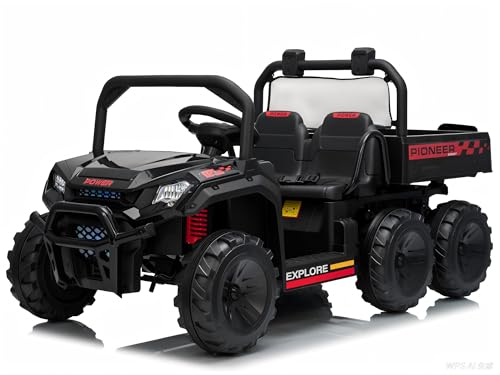
Hetoy 24V Ride on Toys, 2 Seater Dump Truck Car for Kids 4-8, 4WD Electric Tractor with Remote Control, Dump Bed, 3 Speed Modes, Music Player
【Powerful 24V 4WD System & Electric Dump Bed 】Our dump truck equipped with four robust 550W motors and...
As an affiliate, we earn on qualifying purchases.
Conclusion
By incorporating ride-on paths into your teaching, you create an engaging environment where children learn colors and shapes effortlessly. Think of it as planting seeds in a garden—you watch them grow and flourish with each colorful, shaped path they explore. These activities turn learning into an adventure, making concepts stick like glue. Keep playful methods in your toolkit, and you’ll see young learners excited to discover the vibrant world around them.

ANPABO 2 Seater Licensed Caterpillar Ride On Dump Truck, 24V Ride On Toys with 4×100W Motors, Up to 5Mph, Parent Remote, Shock Absorbers, Dump Bed and Shovel, Electric Car for Kids
Licensed Caterpillar Ride On Car: Buckle up for a superior Caterpillar journey with the 24V ride on Caterpillar...
As an affiliate, we earn on qualifying purchases.

24V Ride On Car for Kids w/Remote Control, JOYRACER Battery Powered Off-Road UTV, 4x150W Motors,4 Shock Absorbers, 4.5 Mph Max Speed, Bluetooth, MP3, Lights, Electric Car for Big Kids
Powerful and Stable Engines -- Powerful, stable, and low noise! This 24V kids UTV boasts four 150W motors...
As an affiliate, we earn on qualifying purchases.