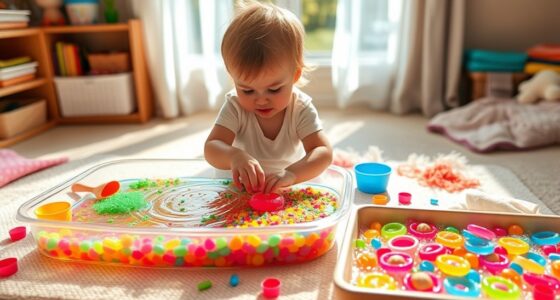
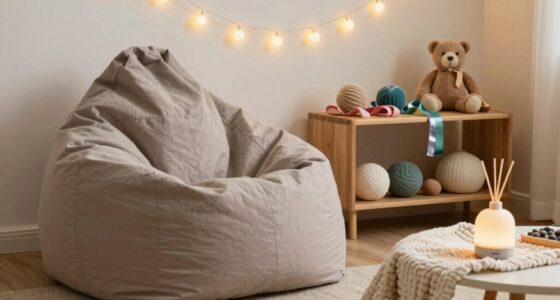
To set up a calming sensory corner at home, choose a quiet, clutter-free nook and add cozy elements like soft blankets, plush pillows, and gentle lighting. Incorporate tactile items such as textured mats, stress balls, and sensory bottles to engage multiple senses. Keep tools accessible for independent use, fostering independence and relaxation. Creating this soothing space helps your child self-regulate and develop emotional resilience. Keep exploring to discover tips on customizing your perfect calm-down zone.
Key Takeaways
- Choose a quiet, clutter-free corner or nook to minimize distractions and promote relaxation.
- Incorporate calming textures like plush pillows, soft blankets, and cushioned seating for tactile comfort.
- Include sensory tools such as stress balls, fidget spinners, and sensory bottles for independent use.
- Use soft lighting, fairy lights, or warm lamps to create a cozy, soothing atmosphere.
- Add visual elements like nature scenes or gentle decor to enhance tranquility and emotional regulation.

Have you ever wondered how to create a calming space at home that helps children relax and focus? Setting up a sensory corner is a great way to provide that peaceful retreat. The key is to incorporate calming textures and sensory tools that invite children to explore and self-regulate. When designing this space, think about textures that feel soothing and inviting. Soft blankets, plush pillows, and smooth fabrics can create a tactile environment that encourages children to touch and relax. These calming textures help reduce anxiety and promote a sense of security, making it easier for kids to settle down when they’re overwhelmed.
Next, gather sensory tools that engage different senses and support calming activities. Items like stress balls, fidget spinners, textured mats, or sensory bottles filled with colorful liquid or glitter can be incredibly effective. These tools give children a way to focus their energy and attention away from stressors, providing immediate comfort. Place these sensory tools within easy reach so children can access them independently, fostering a sense of control and autonomy. Incorporate a variety of textures and sensory experiences to keep the space engaging and adaptable to different preferences.
Creating a designated corner also involves choosing a comfortable spot that’s quiet and free from distractions. It could be a cozy nook in a corner of the living room or a small tent with soft lighting. Add calming textures in this area, such as a fluffy rug or a cushioned seat, to encourage children to relax fully. Use soft lighting, like fairy lights or a lamp with a warm glow, to enhance the calming atmosphere. Keep the space clutter-free and organized, so children don’t feel overwhelmed when they enter. Additionally, understanding the importance of digital literacy programs can help caregivers incorporate technology safely and purposefully into calming environments, especially as smartphone usage among children increases.
In addition to textures and sensory tools, consider adding visual elements that promote calmness, such as nature scenes or soft-colored decor. These details can help foster a peaceful environment that children will want to retreat to when needed. Remember, the goal is to create a space where children feel safe, supported, and able to self-regulate. By thoughtfully combining calming textures, sensory tools, and a cozy atmosphere, you help children develop important coping skills and a positive relationship with their sensory experiences. This simple yet intentional setup can make a significant difference in helping kids manage their emotions and stay focused in a busy home environment.

Super Z Outlet Liquid Motion Bubbler for Sensory Play, Fidget Toy, Children Activity, Desk Top, Assorted Colors (1 Piece)
The descending bubbles have a soothing and mesmerizing effect that will keep kids entertained for hours. Gravity will…
As an affiliate, we earn on qualifying purchases.
As an affiliate, we earn on qualifying purchases.
Frequently Asked Questions
How Do I Customize a Sensory Corner for Specific Sensory Needs?
To customize a sensory corner for specific sensory needs, start by identifying what triggers comfort or discomfort. Incorporate personalized sensory tools like textured fabrics, calming lights, or noise-canceling headphones. Use adaptive sensory activities tailored to their preferences, such as gentle swinging or tactile play. Keep the setup flexible so you can adjust it over time, ensuring it remains a supportive, calming space that effectively addresses their individual sensory requirements.
What Safety Precautions Should I Consider When Designing the Space?
When designing a calming space, safety should be your top priority. You need to child-proof the area, ensuring sharp edges are covered, outlets are secured, and heavy items are anchored. Conduct a hazard assessment to identify potential dangers, like choking hazards or toxic materials. You should also keep small objects out of reach, supervise your child at all times, and choose non-toxic, hypoallergenic supplies to create a safe, soothing environment.
How Often Should I Update or Change Sensory Items?
You should regularly update or change sensory items to keep the space engaging and effective. Implement a sensory item rotation, swapping out tools every few weeks or when they show signs of wear. Updating sensory tools prevents boredom and maintains your child’s interest. Pay attention to their preferences and responses, and adjust the selection accordingly. Regularly revitalizing the items ensures the space remains a calming, stimulating environment that meets your child’s evolving needs.
Can a Sensory Corner Benefit Older Children or Adults?
Yes, a sensory corner can benefit older children and adults by supporting sensory enrichment and emotional regulation. It provides a calming space where you can manage stress, anxiety, or sensory overload. By incorporating items like textured fabrics, calming lights, or soothing sounds, you help promote relaxation and mindfulness. Such spaces are versatile tools for enhancing mental well-being, helping you stay centered and emotionally balanced in busy or overwhelming situations.
What Is the Ideal Size for a Sensory Corner in Small Homes?
Imagine a cozy nook, perfectly sized for your needs, fitting comfortably in your small home. When planning your sensory corner, consider space arrangement and furniture choices that maximize comfort without clutter. Typically, a 4×4 to 6×6-foot area works well, allowing enough room for calming activities and essential items. Focus on creating a peaceful environment with thoughtful furniture placement, so it feels inviting and accessible, even in limited space.

12 Pack Fidget Stress Balls for Adults, Cute Octopus Stress Relief Stress Ball, Bulk Squishy Squeeze Ball Set and Birthday Party Favors
【Fidget Stress Balls】This squeeze ball set with 6 kinds of stress balls of different colors,the cute octopus shape…
As an affiliate, we earn on qualifying purchases.
As an affiliate, we earn on qualifying purchases.
Conclusion
Creating a sensory corner at home is like planting a safe harbor in a busy world. It gives you a peaceful retreat where you can pause and reset whenever life feels overwhelming. With just a few simple touches, you turn a corner into a haven of calm, much like a lighthouse guiding you through rough waters. Remember, this space is yours—a gentle reminder that tranquility is always within reach when you need it most.
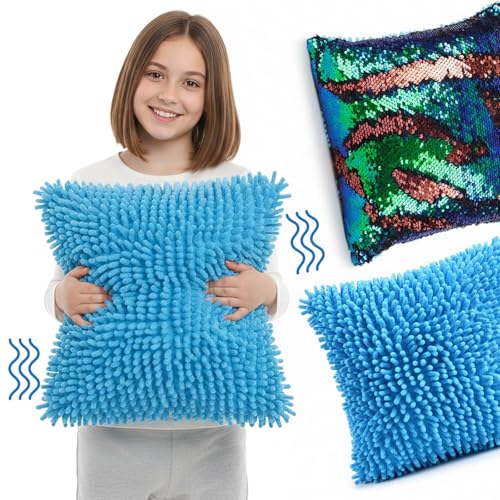
Vibrating Sensory Pillow for Kids – 12×12 Soft Calming Pillow for Sensory Rooms, Special Needs & Autism-Friendly Spaces – Textured Minky & Sequin Sensory Toy
Calming Sensory Experience Many Children Enjoy: This vibrating sensory pillow activates with a gentle squeeze, offering soft vibration…
As an affiliate, we earn on qualifying purchases.
As an affiliate, we earn on qualifying purchases.
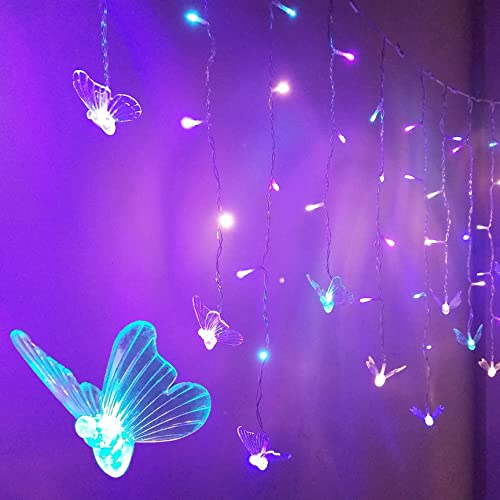
Butterfly Fairy Lights for Bedroom Curtain Lights Twinkle Pastel Cute String Lights Led Hanging for Kids Girls Room for Wall Bed Ceiling Decor with Remote Dimmer
Butterfly Fairy Lights for Bedroom Curtain Lights Twinkle Pastel Cute String Lights Led Hanging for Kids Teen Girls…
As an affiliate, we earn on qualifying purchases.
As an affiliate, we earn on qualifying purchases.