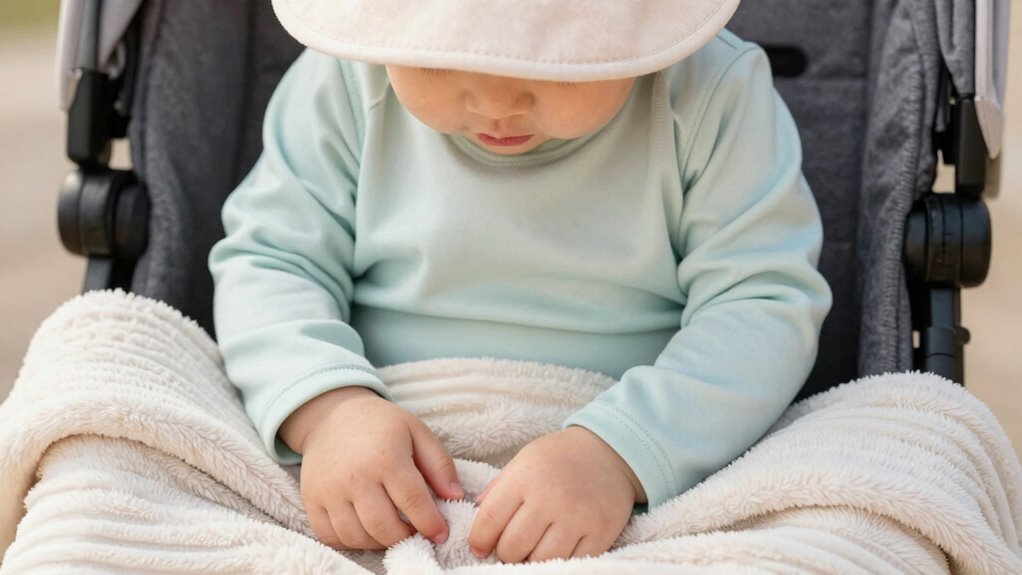

For toddler riders with sensory sensitivities, sensory-friendly clothing and gear can make outings much more comfortable. Look for soft, breathable fabrics that are moisture-wicking and thermo-regulating, helping your child stay comfortable in various conditions. Tagless, seamless designs reduce irritation, while calming accessories like weighted vests and soft sensory tools promote self-regulation. These thoughtful features can help your little one feel more secure and less overwhelmed, making your outings smoother—keep exploring to discover more helpful options.

Turn the school run and nap time into listening time
- Thousands of audiobooks, podcasts and originals
- Listen on your phone, tablet or Echo — also offline
- Cancel anytime
Key Takeaways
- Choose clothing made from adaptive, breathable fabrics that are tagless and seamless to reduce irritation and sensory overload.
- Incorporate calming accessories like weighted vests or lap pads to promote grounding and self-regulation during travel.
- Use sensory-friendly headbands, scarves, or necklaces made from soft, hypoallergenic materials for tactile comfort.
- Prioritize clothing with moisture-wicking, temperature-regulating properties for comfort in various weather conditions.
- Select gear designed to minimize discomfort and distraction, helping toddlers stay calm, focused, and less overwhelmed during outings.
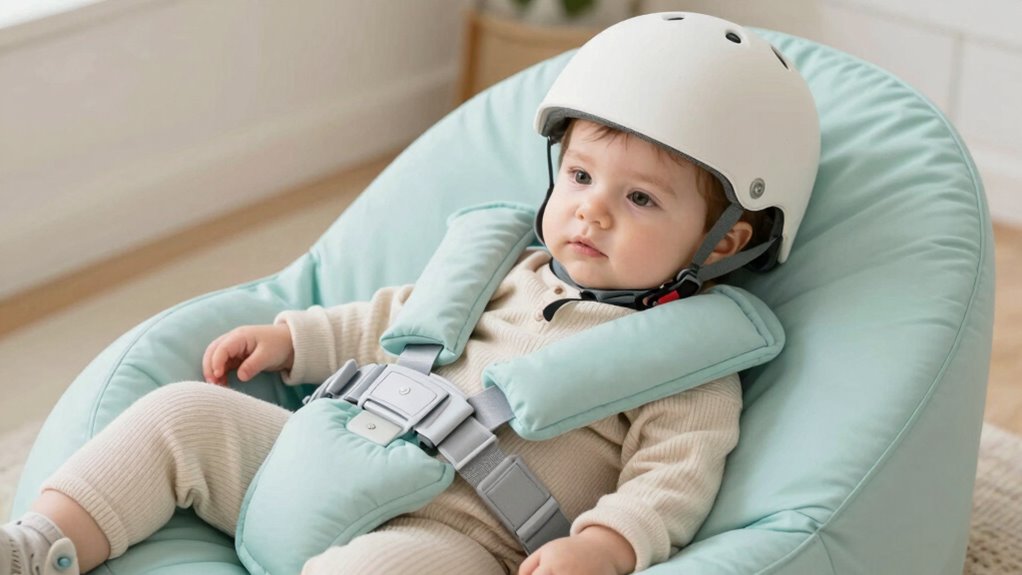
For parents of toddlers with sensory sensitivities, finding clothing and gear that provide comfort without sacrificing safety can be a challenge. Kids with heightened sensitivities often react strongly to certain textures, tags, or tight fits, making everyday outings more stressful. To help, consider clothing made from adaptive fabrics designed specifically to minimize irritation and promote comfort. These fabrics are soft, breathable, and often seamless, reducing sensory overload caused by rough seams or itchy materials. They also tend to be moisture-wicking and temperature-regulating, helping your child stay comfortable no matter the weather or activity level. When selecting clothing, look for items labeled as sensory-friendly or designed with sensory needs in mind, ensuring that materials won’t cause discomfort or distraction. Incorporating adaptive fabrics into your child’s wardrobe can significantly improve their comfort and reduce sensory sensitivities during outings. Additionally, choosing clothing with tagless designs can further prevent irritation caused by tags rubbing against sensitive skin. Using clothing with seamless construction can also help minimize irritation and increase comfort for your toddler.
In addition to choosing the right clothing, incorporating calming accessories can greatly improve your toddler’s riding experience. Items like weighted vests or lap pads can provide gentle, calming pressure that helps your child feel more grounded and secure during car rides or other travel situations. These accessories can be especially useful if your little one becomes anxious or overwhelmed by noise, movement, or unfamiliar environments. Weighted accessories are often made with soft, adaptive fabrics that feel cozy against the skin, adding to their calming effects without causing irritation. Using calming accessories can also serve as a sensory tool to help your child self-regulate more effectively during travel or stressful situations. You can also explore sensory-friendly headbands, scarves, or necklaces made from soft, hypoallergenic fabrics that offer tactile stimulation without discomfort. These can serve as soothing fidget tools or comfort objects, helping your toddler self-regulate during travel. Additionally, selecting gear with sensory-friendly features ensures a more comfortable and less overwhelming experience for your child during outings.
sensory-friendly toddler clothing
As an affiliate, we earn on qualifying purchases.
As an affiliate, we earn on qualifying purchases.
Frequently Asked Questions
Are Sensory-Friendly Clothes Suitable for All Weather Conditions?
Sensory-friendly clothes can be suitable for all weather conditions if you choose the right materials and prioritize weather adaptability. Look for breathable fabrics like cotton for hot weather and layered options for cold conditions. Material durability is important to guarantee the clothing withstands outdoor play. By selecting versatile, high-quality, sensory-friendly pieces, you guarantee your toddler stays comfortable and protected, no matter the weather.
How Do I Identify if My Toddler Needs Sensory-Friendly Clothing?
You can tell if your toddler needs sensory-friendly clothing by observing their reactions to different clothing textures and sensory processing. If they frequently resist certain fabrics, seem overwhelmed by tags or seams, or get distressed in tight or rough clothing, they likely benefit from sensory-friendly options. Pay attention to how they respond to various textures, and choose soft, seamless, and tagless clothing to help them feel more comfortable and reduce sensory overload.
Can Sensory-Friendly Gear Be Personalized or Customized?
Yes, sensory-friendly gear can be personalized and customized to fit your toddler perfectly. You can explore personalization options like selecting soft fabrics, calming colors, or adding fun designs. Custom fitting techniques guarantee the gear comfortably adapts to your child’s unique sensory needs, enhancing their riding experience. Imagine the relief knowing that each piece is tailored just for them, creating a sensory-friendly environment that’s both functional and delightful.
Are There Any Safety Concerns With Sensory-Friendly Riding Gear?
There are safety concerns with sensory-friendly riding gear, but you can address them by choosing options that meet safety standards and prioritize material safety. Always check for certifications and guarantee the gear fits properly, avoiding loose parts or materials that could cause discomfort or hazards. By selecting gear designed with safety standards in mind, you help protect your toddler while keeping them comfortable and sensory-friendly during rides.
How Do Sensory-Friendly Clothes Affect a Toddler’s Mobility and Comfort?
Sensory-friendly clothes greatly enhance your toddler’s mobility and comfort by using soft, smooth fabric textures that avoid itchy or rough feelings. They minimize seam irritation, ensuring your child won’t be distracted or uncomfortable while riding. This type of clothing allows unrestricted movement, making riding more enjoyable and safe. With gentle fabrics and well-placed seams, your toddler can focus on the fun without discomfort, boosting confidence and overall experience.
Conclusion
By choosing sensory-friendly clothing and gear, you create a safe, comfortable world where your toddler can explore freely—like a gentle breeze guiding a leaf along its path. These thoughtful choices help soothe tiny senses and foster confidence on every ride. When comfort is your compass, your little rider can embrace adventure with a smile, turning each journey into a joyful dance of discovery. After all, a happy toddler makes every ride a beautiful ride.
Columbus Day / Indigenous Peoples' Day Picks
long weekend sales
As an affiliate, we earn on qualifying purchases.