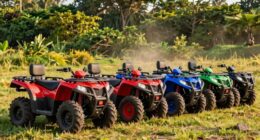
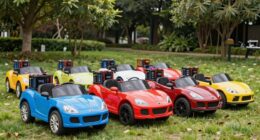
To keep your child safe on ride-on toys, always make sure they wear a properly fitting helmet that covers the forehead and is designed for kids. Choose age-appropriate toys based on the manufacturer’s guidelines, matching the toy to their developmental stage. Take advantage of safety features like AI monitoring if available, and supervise at all times. Following these basic safety tips helps prevent accidents and injuries—it’s important to understand more as you continue.
Key Takeaways
- Always ensure children wear properly fitted helmets that cover the forehead during ride-on play.
- Follow manufacturer age recommendations to match the toy’s size, speed, and safety features.
- Check for and utilize built-in safety features, like AI alerts, to monitor riding behavior and prevent accidents.
- Replace helmets if damaged or ill-fitting to maintain effective impact protection.
- Select ride-on toys appropriate for the child’s developmental stage to ensure safe and enjoyable play.

Are you ensuring your child’s safety when they ride on toys? It’s a crucial question because ride-on toys can be a fun way for kids to develop coordination and motor skills, but safety should always come first. One of the most important safety measures is helmet safety. No matter how confident you are in your child’s ability to control their ride-on toy, a helmet adds an essential layer of protection. Make sure the helmet fits snugly on their head, covering the forehead and not slipping off easily. Choose helmets designed specifically for children, as these are tested for impact resistance and fit better than adult helmets. Educate your child about wearing their helmet every time they hop on, emphasizing that it’s a non-negotiable safety rule. Consistent helmet use can substantially reduce head injuries if they fall or collide with an obstacle. Incorporating AI-powered safety features in ride-on toys is an emerging trend that can further enhance child safety by monitoring riding behavior and alerting parents to potential hazards.
Age restrictions are another important aspect of keeping your child safe on ride-on toys. Every toy comes with manufacturer guidelines indicating the suitable age range, and it’s important to adhere strictly to these recommendations. These restrictions are based on the toy’s size, speed, and design, which are tailored for specific developmental stages. Allowing a younger child to ride a toy meant for older kids can lead to accidents because they might not have the strength, coordination, or awareness needed to handle it safely. Conversely, giving an older child a toy designed for younger kids might mean they won’t have the necessary control and could easily fall or cause damage. Always read the manufacturer’s instructions and follow the age restrictions carefully. If your child exceeds the recommended age or weight limit, look for a more appropriate ride-on toy that matches their developmental level, ensuring they can operate it safely.

Bell Paw Patrol Child and Toddler Bike Helmets
Fits head sizes 48-52 cm, Recommended for Ages 3-5
As an affiliate, we earn on qualifying purchases.
As an affiliate, we earn on qualifying purchases.
Frequently Asked Questions
What Age Is Appropriate for Ride-On Toys?
Imagine a young child as a tiny driver, enthusiastic to explore. Typically, ride-on toys are best for ages 1 to 5, aligning with their developmental benefits like balance and coordination. At this stage, your child gains confidence and motor skills. Always check age appropriateness on the toy’s label, ensuring it suits their size and abilities, making play both safe and beneficial for their growth.
How Should I Store Ride-On Toys Safely?
To store ride-on toys safely, you should keep them in a dry, sheltered area to prevent weather damage and guarantee storage safety. For outdoor use, consider storing them in a garage or shed when not in use, especially during harsh weather. Regularly check for wear and tear, and avoid leaving them in direct sunlight or exposed to rain. Proper storage helps prolong the toy’s lifespan and keeps your child safe during play.
Are There Any Specific Safety Gear Recommendations?
Do you want to keep your child safe while riding? It’s important to recommend protective gear like helmets and knee pads. Wearing a protective helmet can prevent head injuries, while knee pads shield against scrapes and bruises. Always guarantee the gear fits properly and is rated for children. Wouldn’t you want your little one to enjoy their ride without unnecessary risks? Prioritize safety and make gear a part of their riding routine.
How Often Should I Inspect Ride-On Toys for Damage?
You should inspect ride-on toys for damage weekly. Check the battery maintenance, ensuring connections are secure and batteries are charged properly, to prevent malfunctions. Also, perform tire inspection to look for cracks, punctures, or uneven wear. Regular inspections help catch issues early, ensuring safe operation and prolonging the toy’s lifespan. Don’t forget to clean and tighten any loose parts during each inspection for best safety.
Can Ride-On Toys Be Used Indoors Safely?
You can absolutely turn your living room into an indoor race track, but only if you follow strict safety precautions. Indoor play with ride-on toys is generally safe, provided you clear the area of obstacles and supervise your child at all times. Make sure the toy is suitable for indoor use, check for damage regularly, and keep a close eye on your little driver. Safety first, and fun will follow!
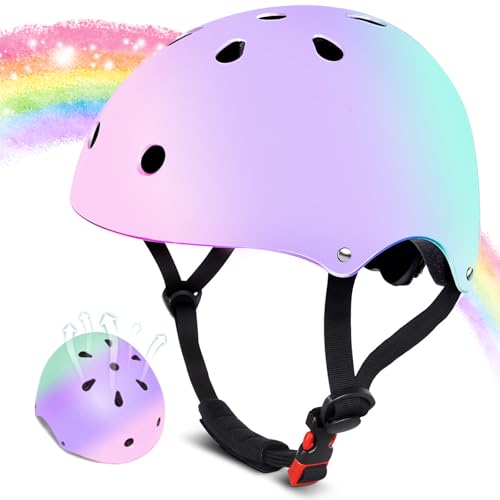
Kids Bike Helmet for Boys & Girls Ages 2-14 | Multi-Sport Impact-Resistant Toddler/Youth Helmet with Ventilation | Durable Safety Gear for Biking, Roller Skating, Skateboarding & Outdoor Adventures
🌈 [ Great Choice for Gift ]: Our kids bike helmet has 2 size and more beautiful colors…
As an affiliate, we earn on qualifying purchases.
As an affiliate, we earn on qualifying purchases.
Conclusion
By following these safety guidelines, you guarantee your child’s fun stays accident-free. Remember, nearly 60% of ride-on toy injuries involve falls, highlighting the importance of supervision and proper use. Keep the area safe, choose age-appropriate toys, and teach your child how to play responsibly. Staying vigilant not only protects your little one but also allows them to enjoy their ride-on toys confidently and happily. Safety truly makes playtime enjoyable for everyone.
AI safety monitored ride-on toy
As an affiliate, we earn on qualifying purchases.
As an affiliate, we earn on qualifying purchases.

VEVOR Ride On Push Car for Toddlers, Ages 19+ Months, Ride Racer, Sit to Stand Toddler Ride On Toy, Kids Ride On Car with Music Steering, Horn & Under Seat Storage, Ride On Toy for Boys Girls, Red
Suitable for 1-3 Year Olds: Designed just for little ones aged 1-3, this ride on push car helps…
As an affiliate, we earn on qualifying purchases.
As an affiliate, we earn on qualifying purchases.