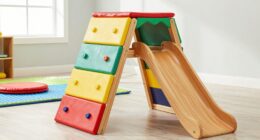
To rent, swap, or donate ride-on toys responsibly, always check the safety and age appropriateness of the toys first. Make sure toys are clean, free of damage, and have no recall issues before sharing or giving them away. Be honest about their condition and follow proper cleaning protocols. Choosing reputable organizations for donations guarantees safety, while inspecting toys thoroughly prevents accidents. If you want to learn more about safe and eco-friendly ways to manage ride-on toys, keep exploring these options.
Key Takeaways
- Always inspect ride-on toys for damage, missing parts, and safety recalls before renting, swapping, or donating.
- Clean and sanitize toys thoroughly between rentals, exchanges, or donations to prevent germ spread.
- Communicate honestly about toy condition and safety issues during swapping or donating.
- Remove batteries and small parts from toys before donation to eliminate choking hazards.
- Choose reputable organizations for donation and understand rental and swapping policies regarding damage and safety.

Finding the right ride-on toys for your child can be both exciting and challenging, especially as they grow and their interests change. You want to guarantee they have fun, stay safe, and make the most of their toys without cluttering your space or wasting resources. Renting, swapping, and donating ride-on toys are smart ways to keep your child’s play environment fresh and sustainable. But it’s important to approach these options responsibly to protect your child’s safety and the environment.
Renting, swapping, and donating ride-on toys keep play fun, safe, and eco-friendly as children grow.
When you rent ride-on toys, you get the benefit of trying out different models without committing to a purchase. This is especially useful if your child is still figuring out what they like or if their interests change rapidly. Make sure to choose reputable rental companies that prioritize safety by thoroughly cleaning and inspecting their toys between rentals. Always check for age appropriateness, safety features, and any recalls before allowing your child to use a rented ride-on. Keep in mind that renting can be cost-effective over time, but always read the terms carefully—pay attention to rental periods, damage policies, and cleaning protocols. This way, you avoid surprises and guarantee the toy remains safe for your child.
Swapping ride-on toys with friends or neighbors is another eco-friendly option. It allows your child to enjoy new toys without the expense or waste of buying new ones. When you swap, do a quick inspection for damage or missing parts before handing over the toy. Clean the toy thoroughly to prevent the spread of germs and check for any safety recalls. Be transparent about the toy’s condition, and if you notice any issues, communicate honestly with the other family. This mutual responsibility helps keep everyone’s children safe and happy. Swapping also fosters community connections, which is a bonus for parents and kids alike.
Donating ride-on toys is an excellent way to give toys a second life and help other children enjoy them. Before donating, clean the toys thoroughly and inspect them for damage. Remove any batteries, small parts, or accessories that could pose a choking hazard. Choose reputable charities or organizations that distribute toys responsibly. Avoid donating broken or unsafe toys, as you don’t want to inadvertently put a child at risk. If you’re unsure about a toy’s safety, consider recycling it or repurposing parts if possible. Additionally, understanding projector technology can inspire creative ways to display your child’s artwork or multimedia projects, making donations more meaningful. Responsibly donating not only declutters your space but also spreads joy and promotes sustainability. It’s a simple way to teach your child about sharing and caring for others.

VEVOR Engine Toy, 60 Pieces, Kids Mechanic Car Repair Set with Removable Parts, Lights and Sounds, Steering Wheel and Horn, Kids Mechanic Workshop Set for Toddler Ages 3 Years and Up, Green
Fun with Driving & Repair: This car engine toy is a thrilling adventure! With 60 accessories and stickers,…
As an affiliate, we earn on qualifying purchases.
As an affiliate, we earn on qualifying purchases.
Frequently Asked Questions
How Do I Ensure Ride-On Toys Meet Safety Standards Before Renting or Donating?
You should verify that the ride-on toys meet safety standards by inspecting for certifications like ASTM or CPSC approval. Look for sturdy construction, smooth edges, and secure parts free of sharp points or loose screws. Test the brakes and steering to ensure they work properly. Read manufacturer instructions and labels for age recommendations. If donating, ensure the toy is clean, undamaged, and has all parts intact to guarantee safe use.
What Are the Best Ways to Sanitize Ride-On Toys for Multiple Users?
Imagine your ride-on toys as tiny kingdoms needing a fresh coat of armor. To sanitize, you’ll want to wipe down all surfaces with a disinfectant solution like diluted bleach or alcohol-based wipes. Pay special attention to handles, seats, and remote controls. Let the toys air dry completely before use. This quick, thorough cleaning shields little adventurers from germs, turning each ride into a safe, sparkling journey.
How Can I Verify the Age Appropriateness of a Ride-On Toy for Different Children?
You can verify a ride-on toy’s age appropriateness by checking the manufacturer’s recommended age range on the label or packaging. Look for safety features suited for the child’s size and weight, and consider their coordination and motor skills. Always read reviews or ask other parents for feedback. If unsure, consult with the retailer or manufacturer to guarantee the toy matches the child’s developmental stage and safety needs.
Are There Legal Considerations When Swapping Ride-On Toys Across Different Regions?
You need to be on your toes when swapping ride-on toys across regions, as legal considerations vary. Check local safety standards, import regulations, and age restrictions to avoid stepping on legal landmines. Some regions require certifications or proof of compliance, so always research the laws beforehand. Don’t assume one size fits all; what’s legal in one area might not be in another. Stay informed to keep everyone safe and legal.
How Do I Handle Liability if a Ride-On Toy Causes Injury During Use?
If a ride-on toy causes injury, you should first confirm the child’s safety and seek medical help if needed. Then, review any liability waivers or agreements signed beforehand. It’s also wise to carry liability insurance that covers such incidents. Document the incident carefully, including photos and witness statements. Finally, consult a legal professional to understand your responsibilities and to help you navigate potential claims or disputes effectively.
kids ride-on toy cleaning and sanitizing supplies
As an affiliate, we earn on qualifying purchases.
As an affiliate, we earn on qualifying purchases.
Conclusion
By renting, swapping, or donating ride-on toys, you turn what might be clutter into joy and community. Imagine the smile on a child’s face or the relief of a parent knowing they’re giving new life to a toy. Isn’t it wonderful how a simple act can ripple into kindness, sustainability, and endless giggles? So, next time you consider these options, remember—you’re not just sharing toys, you’re sharing happiness.
battery-operated ride-on cars for toddlers
As an affiliate, we earn on qualifying purchases.
As an affiliate, we earn on qualifying purchases.
eco-friendly ride-on toy donation kits
As an affiliate, we earn on qualifying purchases.
As an affiliate, we earn on qualifying purchases.