
Sensory circuits on wheels let you bring engaging textures, sounds, and scents right to children’s fingertips, wherever you go. You can set up tactile activities with different fabrics, introduce lively sounds from drums or natural noises, and use safe scents to calm or stimulate. This portable setup makes it easy to customize sensory play for different environments and needs, helping kids develop essential sensory skills on the go. Keep exploring to discover how you can create versatile sensory experiences anywhere.
Key Takeaways
- Mobile sensory circuits offer portable, adaptable setups combining textures, sounds, and scents for engaging sensory experiences in various environments.
- Incorporating diverse tactile materials, auditory stimuli, and aromatic scents enhances sensory processing and integration skills.
- The setup promotes hands-on exploration, supporting fine motor development and sensory discrimination.
- Scent stations and sound activities facilitate sensory regulation, calming children with sensory processing challenges.
- The flexible design encourages interactive, meaningful learning tailored to different settings and individual needs.
Imagine bringing engaging sensory experiences directly to children wherever they are with “Sensory Circuits on Wheels.” These mobile setups are designed to provide dynamic, interactive activities that help kids develop essential sensory and motor skills. With carefully curated textures, sounds, and scents, you can create an immersive environment that captures their attention and encourages exploration. The beauty of these mobile circuits is their versatility—they can be set up in classrooms, clinics, parks, or community centers, making sensory play accessible no matter the location.
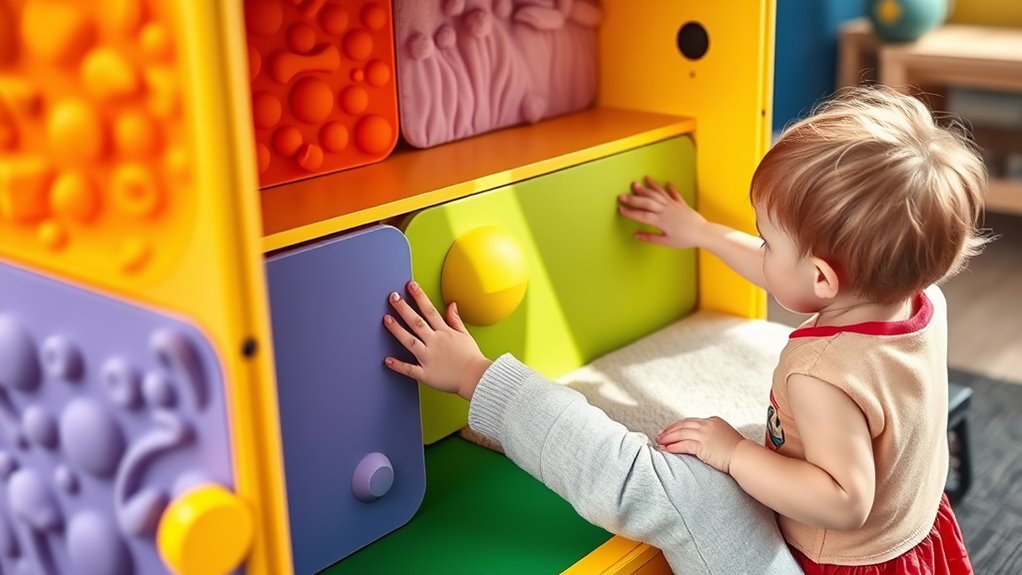
As you set up the sensory circuit, you notice how the textures immediately invite tactile exploration. Soft fleece, bumpy rubber, smooth silk, and rough burlap are strategically placed so children can touch and feel a variety of surfaces. These textures aren’t just for fun—they help children develop tactile discrimination, improve fine motor skills, and build awareness of different sensory inputs. You might guide a child to run their fingers over a textured mat or squeeze a squishy ball, encouraging them to describe what they feel or compare the different sensations. This hands-on engagement promotes language development and sensory integration, especially for children who seek or avoid certain textures.
Sound plays a vital role in these mobile circuits, and you incorporate a range of auditory stimuli. Small drums, chime bars, rattles, and nature sounds from portable speakers create a vibrant soundscape. You encourage children to listen carefully, identify different noises, or even imitate sounds they hear. This not only enhances auditory processing but also boosts concentration and listening skills. The sounds are lively but not overwhelming, striking a balance that keeps children engaged without causing sensory overload. You might ask a child to find a specific sound or respond with a sound of their own, fostering interactive participation.
Scent adds another layer to the sensory experience. You use safe, natural aromas like lavender, citrus, or mint, diffused through portable scent diffusers or placed in small scent jars. As children explore, they can smell and describe what they perceive, connecting scents to memories or feelings. This multi-sensory approach helps children with sensory processing challenges, promotes calmness, and enriches their overall sensory awareness. You might create scent stations and encourage children to match scents to familiar objects or images, expanding their vocabulary and sensory understanding. Incorporating safe, natural aromas further enhances the effectiveness of sensory integration activities.
With “Sensory Circuits on Wheels,” you’re not only delivering sensory fun but also supporting essential developmental skills in a flexible, engaging way. By combining textures, sounds, and scents, you help children build confidence, improve sensory integration, and enjoy the process of discovery. Your role becomes that of a facilitator, guiding children through sensory experiences that are as educational as they are enjoyable. This approach opens up endless possibilities for meaningful, hands-on learning wherever children are, making sensory development an exciting adventure.
Frequently Asked Questions
How Do Sensory Circuits Adapt for Children With Sensory Processing Disorders?
You can adapt sensory circuits for children with sensory processing disorders by customizing activities to their specific sensitivities. Use calming textures, gentle sounds, and familiar scents to create a comfortable environment. Incorporate adjustable intensity levels and allow breaks when needed. Observe their responses closely, and modify stimuli accordingly to guarantee they feel safe and engaged. This personalized approach helps children build tolerance and develop sensory regulation skills effectively.
What Safety Measures Are Implemented During Mobile Sensory Circuit Sessions?
You guarantee safety during mobile sensory circuit sessions by thoroughly inspecting equipment beforehand and maintaining a clean environment. You monitor children closely, watching for signs of distress or overstimulation, and adjust activities as needed. You also set clear boundaries and rules to prevent accidents, provide soft mats for cushioning, and have first aid supplies readily available. Additionally, you communicate with parents and caregivers to address any specific safety concerns.
Can Sensory Circuits Be Customized for Individual Sensory Preferences?
Ever wonder if sensory circuits can be tailored to your specific needs? Absolutely! You can customize sensory experiences by selecting textures, sounds, and scents that suit your preferences. This personalized approach helps you feel more comfortable and engaged. By adjusting these elements, you guarantee the sensory activity is both effective and enjoyable, giving you control over your environment. Isn’t it empowering to shape your sensory journey?
How Do Sensory Circuits Benefit Children With Autism Spectrum Disorder?
You see, sensory circuits help children with autism by providing calming and stimulating activities tailored to their needs. They improve focus, reduce anxiety, and enhance sensory integration, making everyday tasks easier. By engaging their senses in a controlled way, you help children regulate their emotions and behaviors. This support encourages independence and confidence, allowing them to explore their environment more comfortably and develop essential skills for growth and learning.
Are There Recommended Age Ranges for Participating in Sensory Circuit Activities?
Age-appropriate activities align with your child’s abilities and comfort levels. Typically, children from toddlers to early school age benefit most, but you can tailor activities for older children or younger toddlers too. Focus on fostering fun, fostering focus, and supporting sensory skills. Always supervise and adapt based on individual needs. Remember, creating a safe, stimulating space helps your child thrive through sensory exploration.
Conclusion
As you explore sensory circuits on wheels, remember how crucial these experiences are for development. Did you know that children exposed to diverse textures, sounds, and scents show a 30% increase in cognitive flexibility? By engaging with these mobile sensory tools, you’re not just having fun — you’re boosting brain growth and resilience. Keep embracing these sensory adventures; they’re shaping brighter, more adaptable minds for the future.