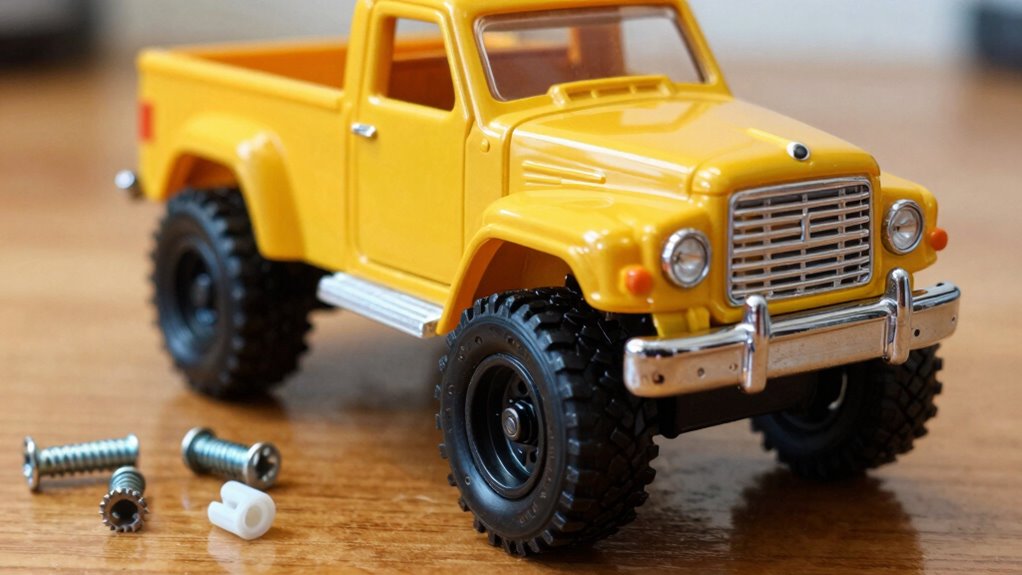

Before buying a large toy, consider how easy it will be to find replacement parts in the future. Think about sourcing vintage or original parts to keep its authenticity and value, and explore online marketplaces or specialty shops. Evaluate the durability of replacement pieces and whether manufacturers support ongoing parts supply. Balance costs, time, and repair strategy to guarantee you make a sustainable choice. Keep these factors in mind, and you’ll be better prepared for long-term maintenance.

Get baby and family essentials delivered free — and shop member deals
- Fast, free delivery on millions of items
- Access to Prime Big Deal Days deals on October 6–7
- Prime Video, Amazon Music and more included
Key Takeaways
- Assess the availability of vintage or OEM parts to ensure long-term repair options.
- Consider the durability and support offered by manufacturers or third-party suppliers.
- Evaluate the environmental impact and seek eco-friendly sourcing options when possible.
- Balance cost, time, and repair strategy to optimize maintenance and longevity.
- Plan ahead for parts sourcing to prevent delays and ensure smooth repair processes.

Have you ever faced the frustration of a large toy breaking or losing an essential part? It’s a common scenario if you own sizable toys, especially vintage models or custom-built pieces. Before rushing into a replacement purchase, it’s smart to think about your options for getting the right parts. One key step is collecting vintage parts, especially if your toy is older. Vintage parts can be hard to find, but they’re often the most authentic and reliable solution. You might need to search online marketplaces, specialty shops, or collector groups dedicated to your toy’s brand or era. Building a small stash of vintage parts can save you time and money in the future, making repairs quicker and more straightforward. Considering sustainable sourcing options can also help reduce environmental impact when replacing parts. Additionally, understanding the availability of parts can help you plan your repairs more effectively, especially for long-term ownership. Being aware of how easily parts can be sourced can also prevent unnecessary delays during repairs.
Collect vintage parts for authentic, reliable repairs and save time on future fixes.
Thinking ahead about replacement parts also involves evaluating the durability and availability of what you’re buying. When sourcing replacement parts, ask yourself how easy it will be to find similar parts in the future. Will you be able to replace them again if needed? If your toy is a collectible, maintaining its original parts can boost its value, so you might prefer vintage options. On the other hand, if it’s a functional, everyday toy, durability and ease of replacement might take priority. It’s helpful to consider manufacturer support as some brands provide ongoing parts availability for their products. Checking if the manufacturer supplies replacement parts or if third-party sources are more reliable can save you headaches down the line.
Finally, consider the cost and time involved. Collecting vintage parts might be less expensive but could require patience. Sourcing custom components might be faster but pricier. By weighing these factors, you can develop a clear plan for how to handle repairs and replacements. Thinking about these aspects before buying a large toy helps you avoid surprises and makes sure you’re prepared when a part eventually needs replacing. Whether you’re a collector or a casual owner, having a strategy for replacement parts makes caring for your large toy much less stressful. Planning ahead for parts availability can save you from frustration and ensure your toy remains in great condition over time.
As an affiliate, we earn on qualifying purchases.
Frequently Asked Questions
Are Replacement Parts Compatible With All Brands of Large Toys?
Replacement parts aren’t compatible with all brands of large toys because of brand compatibility issues. You need to check if the parts are designed specifically for your toy’s brand and model. Part availability also varies, so it’s smart to buy from trusted sources or the original manufacturer to guarantee you get compatible, quality parts. Doing this helps you avoid compatibility problems and keeps your toy functioning smoothly.
How Long Does It Take to Receive Replacement Parts?
When it comes to receiving replacement parts, patience is key. Delivery times vary, but generally, it takes about 1-3 weeks depending on your toy customization needs and the spare part inventory of the manufacturer. To avoid delays, always check their shipping policy and stock availability beforehand. Keep in mind, a well-maintained spare part inventory guarantees quicker replacements, helping you keep your large toy running smoothly without a hitch.
Can I Replace Parts Myself or Need Professional Help?
You can often replace parts yourself if you’re comfortable with DIY repair, but some large toys might require professional assistance. Check the manufacturer’s instructions or warranty details to see if DIY is advised. If the replacement process seems complicated or involves electrical components, it’s safer to seek professional help. Doing so guarantees safety and proper functioning, especially with large or complex toys.
Are Replacement Parts Covered Under Warranty?
They say, “Better safe than sorry,” which holds true when considering warranty coverage for replacement parts. Usually, repair policies cover parts damaged due to manufacturing defects within a specific period. However, damage caused by misuse or accidents often isn’t included. Always review the warranty details before purchase to understand what’s covered, so you’re not caught off guard and can plan for potential repair costs.
What Is the Cost Range for Common Replacement Parts?
The cost for common replacement parts varies widely, usually between $10 and $50, depending on the toy’s complexity. When considering toy safety, check if parts are easily replaceable and affordable. Maintenance tips include regularly inspecting parts for wear and tear, which helps extend the toy’s lifespan and guarantees safe play. Being aware of these costs and tips helps you maintain your large toy effectively, keeping playtime safe and fun.
Conclusion
Thinking ahead about replacement parts keeps your large toy fun and functional. Did you know that over 60% of toy repairs involve replacing just a few key components? By planning for these, you avoid unexpected downtime and extra costs. So, before making your purchase, consider the availability and cost of parts. That way, you’ll guarantee countless hours of play without the stress of missing pieces or costly repairs, keeping your toy ready for adventure whenever you are.
Cold & flu season Picks
humidifiers
As an affiliate, we earn on qualifying purchases.