
Puppet play is a fun and interactive way to boost your child’s communication skills. It encourages children to express themselves, practice language, and develop storytelling abilities. Watching puppet interactions teaches social skills like turn-taking and empathy. Creating dialogues helps kids articulate thoughts and feelings while building vocabulary. Plus, formal puppet training enhances physical control and confidence. Keep exploring, and you’ll discover how puppet play can transform learning into an engaging journey of communication growth.
Key Takeaways
- Puppet play transforms simple figures into storytellers, fostering engagement and enhancing communication skills in children.
- Observing and creating puppet dialogues models conversational behaviors like turn-taking and empathy.
- Developing stories with puppets improves vocabulary, expression, and understanding of emotions.
- Formal puppet training links physical actions with language, boosting confidence and reducing communication anxiety.
- Puppet play encourages creativity, active language practice, and social skill development through role-playing and storytelling.

Puppet play captivates audiences of all ages by transforming simple figures into powerful storytellers. When you engage in puppet play, you’re not just entertaining; you’re creating an interactive environment that fosters communication development. This form of play encourages children to express themselves more openly, practice language skills, and learn the nuances of social interactions. As you manipulate puppets and bring them to life, you’re helping children understand how to communicate ideas, emotions, and stories effectively. The visual and tactile nature of puppet play makes abstract concepts more concrete, which is especially beneficial for young learners still developing their language abilities.
By involving children in puppet play, you give them a safe space to practice speaking and listening. They observe how the puppets interact, which models conversational behavior, turn-taking, and empathy. When you prompt children to create dialogues for the puppets, you’re actively promoting their ability to articulate thoughts and feelings clearly. This process enhances vocabulary, sentence structure, and expressive skills, all of which are essential for effective communication. Additionally, puppet play naturally encourages children to listen attentively, interpret cues, and respond appropriately, strengthening their receptive language skills. These interactions build confidence, making children more willing to participate in conversations beyond the puppet stage.
You also play an essential role in guiding children through the storytelling process. As they develop stories with puppets, they learn to sequence events, describe characters, and convey emotions—all indispensable components of communication development. When you ask open-ended questions during puppet play, you’re prompting children to think critically and articulate their ideas more fully. This not only boosts their language capabilities but also nurtures their creativity and problem-solving skills. Moreover, puppet play often involves role-playing, which helps children understand different perspectives, fostering empathy and social awareness that underpin effective communication in real-world settings.
Additionally, incorporating formal training in puppet play techniques can enhance the effectiveness of this activity, aligning it with developmental goals and educational standards. The kinesthetic aspect of puppet play makes it particularly effective. Moving puppets helps children connect physical actions with spoken language, reinforcing their understanding of language as a tool for expression. As they manipulate puppets and create dialogues, they gain a sense of control over their communication, which can reduce anxiety and encourage more active participation. Overall, puppet play serves as a dynamic platform for communication development, seamlessly blending fun with education. It invites children to experiment with language, practice social skills, and become confident communicators—all while engaging their imagination and love for storytelling.

labebe – Deluxe Wooden Puppet Theater Bonus 2 Hand Puppet, 2-in-1 Clock Theater Reversible Play Store, Double-Sided Lemonade Stand, Puppet Show Theater Toy with Chalkboard for Kids 36M+
Clock Puppet Show Theater: labebe Puppet Theater is a wooden puppet stage that features a chalkboard and plush…
As an affiliate, we earn on qualifying purchases.
As an affiliate, we earn on qualifying purchases.
Frequently Asked Questions
What Age Is Best for Starting Puppet Play?
You might wonder what age is best for starting puppet play. Generally, it’s age-appropriate for children around 18 months to 3 years, as they develop fine motor skills and social understanding. Puppet play offers significant developmental benefits, including enhancing communication, creativity, and emotional expression. Engaging in puppet activities at this stage encourages language development and social interaction, making it an ideal activity to support early childhood growth.
Can Puppet Play Help Children With Speech Delays?
You might wonder if puppet play can help children with speech delays. It absolutely can! Puppet play encourages storytelling benefits, making children feel more comfortable expressing themselves. It also promotes emotional development by allowing kids to project feelings onto puppets. As they practice speaking and storytelling, their communication skills improve naturally. Engaging in puppet play turns speech practice into a fun activity, boosting confidence and helping overcome delays.
What Types of Puppets Are Most Effective?
When choosing puppet types, you want options that are engaging and easy for children to handle. Hand puppets and finger puppets are highly effective because they allow for expressive movements and simple storytelling. Effectiveness factors include size, color, and flexibility, which help capture your child’s attention and encourage interaction. So, opting for vibrant, manageable puppet types guarantees they stimulate communication and make playtime both fun and educational.
How Can Parents Incorporate Puppet Play at Home?
Imagine turning your living room into a stage where your child’s imagination soars. You can incorporate puppet play at home by using simple puppets and storytelling techniques to spark creativity. Encourage your child to invent stories and act them out, blending creative play ideas with language development. This not only entertains but also enhances communication skills, making learning fun and memorable while fostering confidence and expressive abilities in a playful, engaging way.
Are There Any Safety Concerns With Puppet Materials?
When considering puppet safety, you should always check the materials for potential risks. Make certain the puppets are made from non-toxic, child-safe materials to avoid material toxicity. Avoid puppets with small parts that could pose choking hazards, and stay away from cheap plastics or paints that may contain harmful chemicals. By prioritizing material safety, you protect your child’s health and create a fun, safe puppet play experience.

TOPZEA 12 Pack Hand Puppet Making Kit, Kids Craft and Art Supplies Felt Sock Puppet Creative DIY Make Your Own Puppets Kits with Pompoms and Wiggle Googly Eyes Storytelling Role Play Party Supplies
Package includes 12 pack colorful pre-sew hand puppets, 2 bundle googly eyes, 2 bundle pompoms, 2 bundle felt…
As an affiliate, we earn on qualifying purchases.
As an affiliate, we earn on qualifying purchases.
Conclusion
By engaging in puppet play, you gently nurture your child’s communication skills, creating a warm space where words can blossom naturally. This delightful activity subtly encourages confidence and expressive ease, guiding them toward clearer conversations. As you share these moments, you’re quietly laying the foundation for future interactions, fostering a gentle growth that resonates beyond the puppet stage. In this nurturing environment, your child’s voice finds its soft, confident echo, leading to a richer, more expressive future.
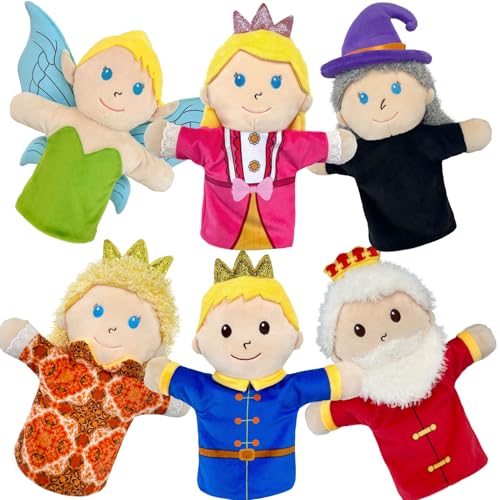
6 PCS Puppet Set 12 Inch, Fairy Tale Members Elf Plush Puppets Toddlers Princess Hand Puppet for Kids Ages,Soft Puppets for Storytelling Teaching Preschool Role Play Puppet Toy for Boy Girls
【Fairy Tale Puppets Set】A set of hand puppets featuring 6 classic fairy tale characters (elves, witches, Kings, queens,…
As an affiliate, we earn on qualifying purchases.
As an affiliate, we earn on qualifying purchases.
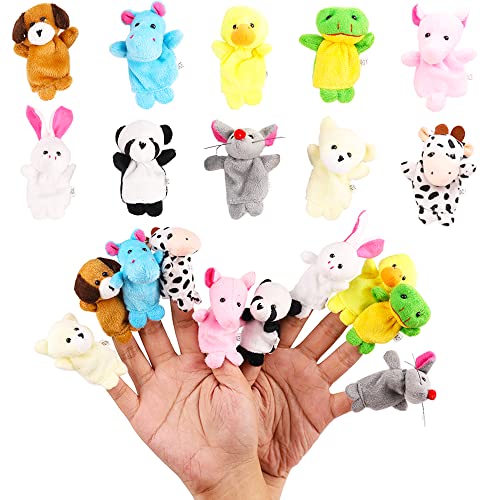
10Pcs Finger Puppets Set – Soft Plush Animals Finger Puppet Toys for Kids, Mini Plush Figures Toy Assortment for Boys & Girls, Party Favors for Shows, Playtime, Schools
10pcs finger puppets include 10 kind of animals: hippopotamus, elephant, rabbit, duck, cattle, dog, panda, bear, frog and…
As an affiliate, we earn on qualifying purchases.
As an affiliate, we earn on qualifying purchases.