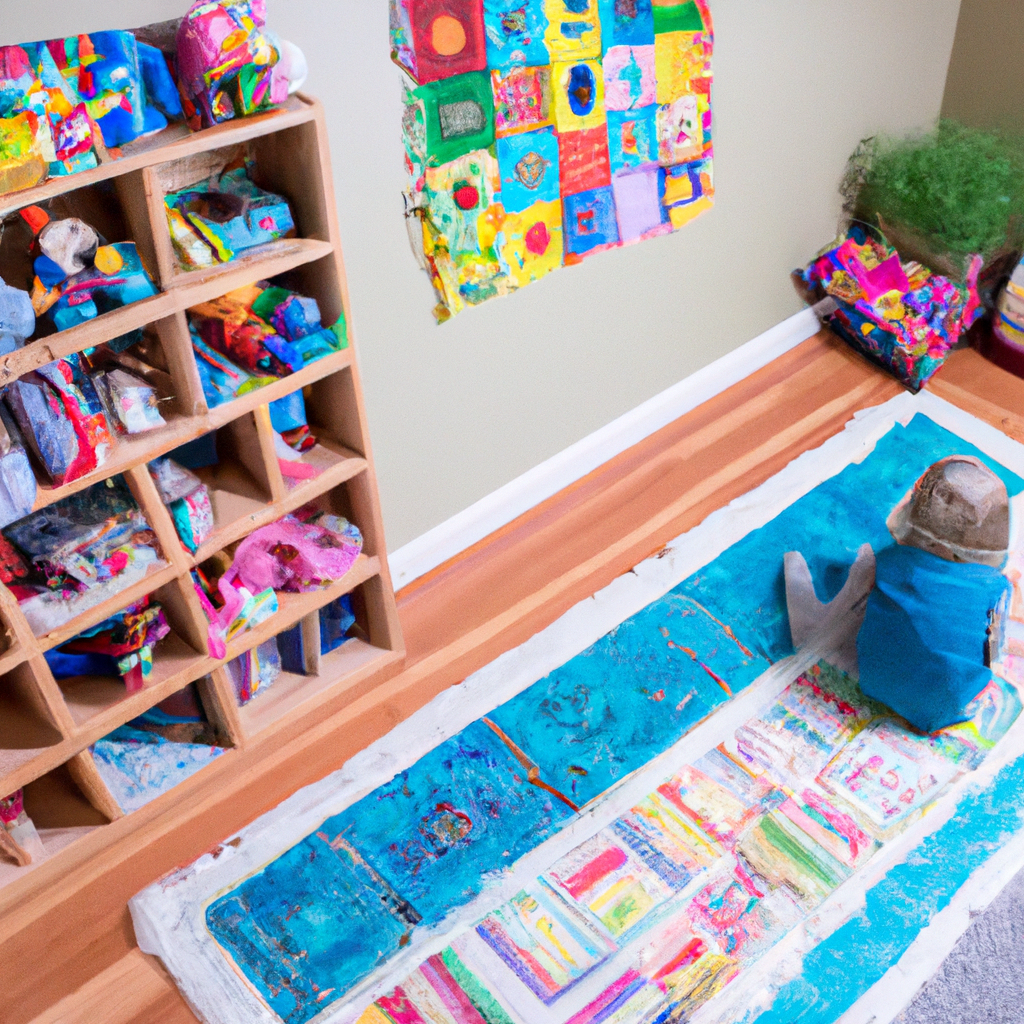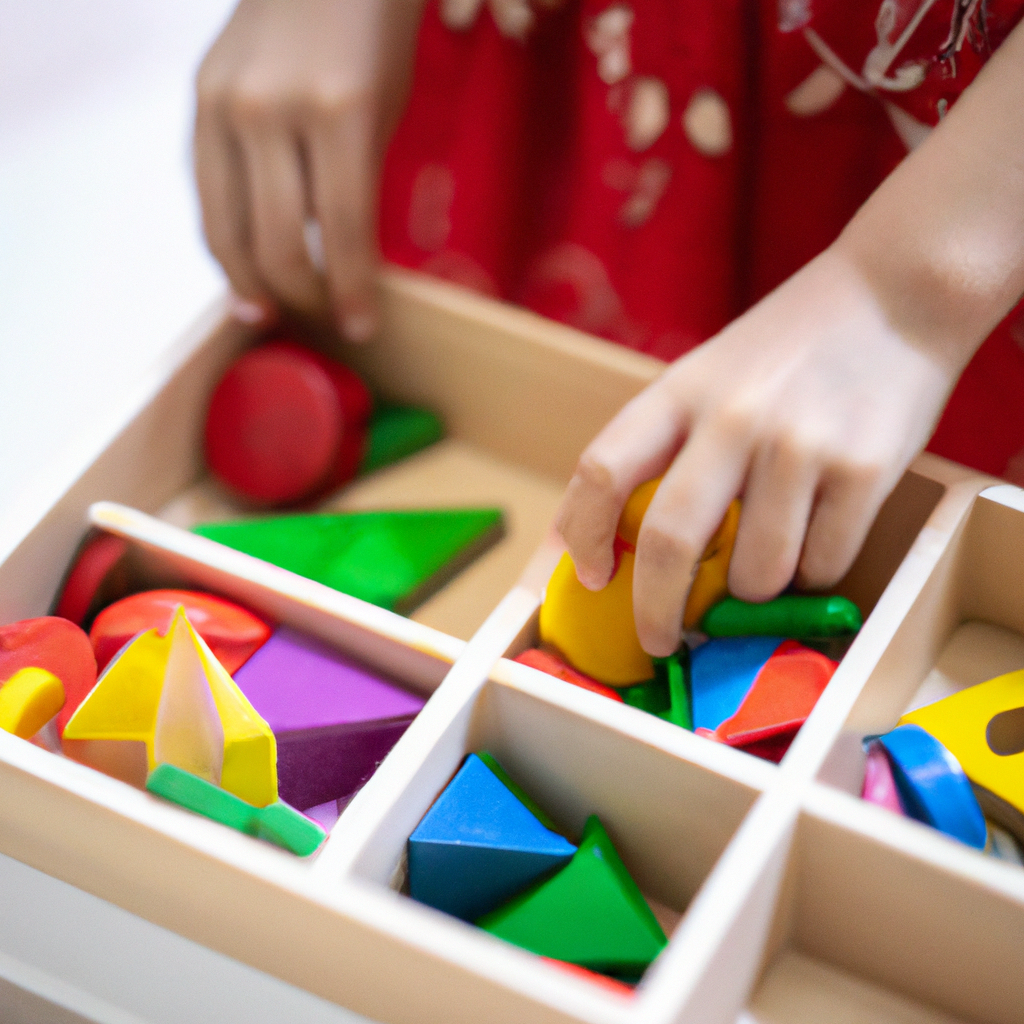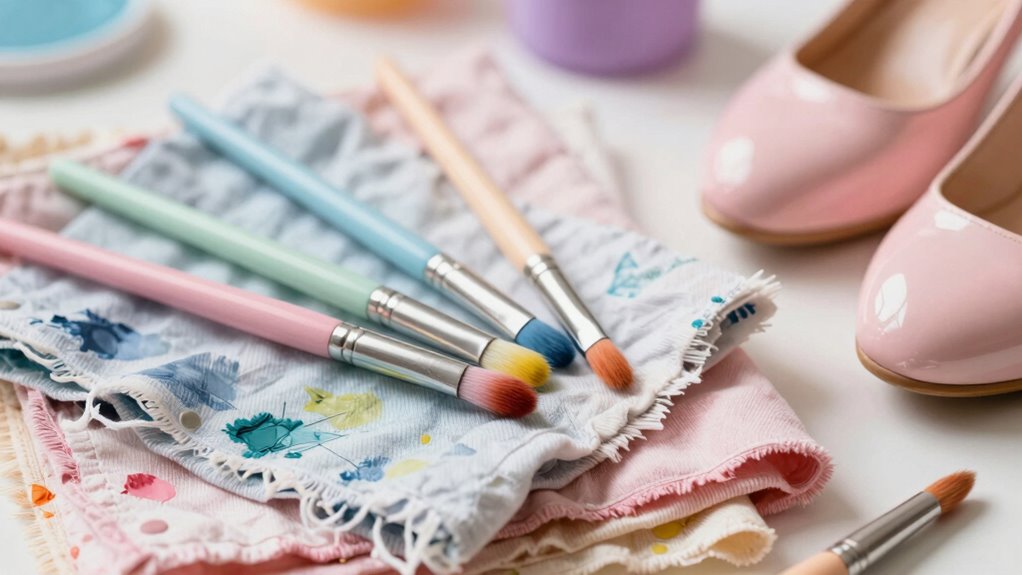
Using brushes, cloths, and small pumps in play helps you support children’s development of motor skills, hand-eye coordination, and sensory awareness. These activities teach control, aim, and refining movements while encouraging exploration of textures and mechanisms. They also promote practical life skills like cleaning, polishing, and understanding flow. Incorporating these tools makes learning engaging and fun, laying a strong foundation for independence. Keep exploring to discover more ways these tools boost growth and confidence.

Turn the school run and nap time into listening time
- Thousands of audiobooks, podcasts and originals
- Listen on your phone, tablet or Echo — also offline
- Cancel anytime
Key Takeaways
- Using brushes and cloths enhances fine motor skills and hand-eye coordination through aiming, stroking, and manipulation activities.
- Manipulating textures and fabrics promotes tactile awareness and sensory development in children.
- Small pumps introduce concepts of flow, volume, and cause-and-effect, supporting early scientific understanding.
- Practical use of these tools fosters independence, care, and real-life skills like cleaning and grooming.
- Play with these tools encourages engagement, confidence, and comprehensive developmental growth.
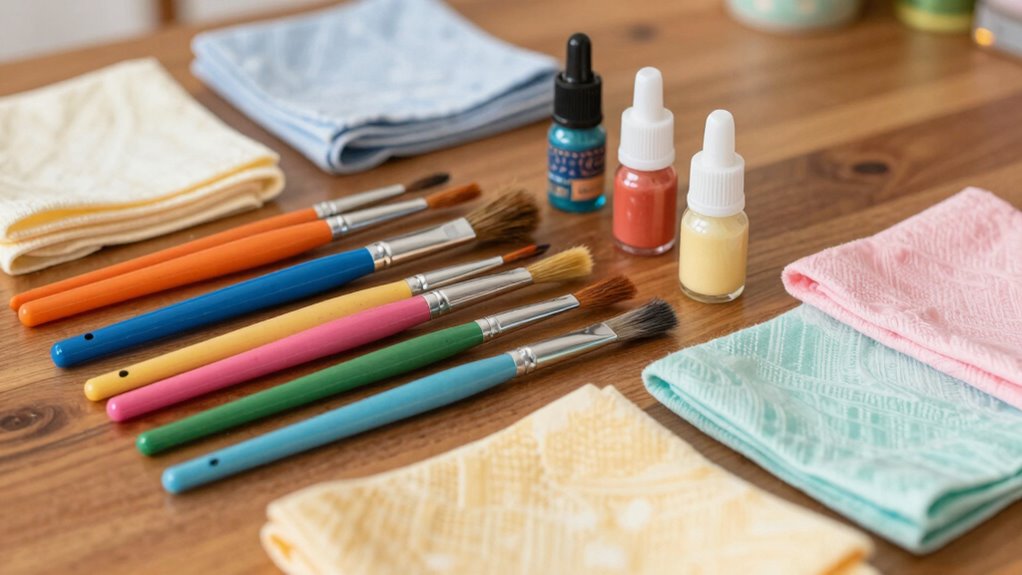
Using brushes, for example, allows children to practice their hand-eye coordination as they learn to aim and stroke. They begin to understand how to control their movements to achieve a desired outcome, whether it’s brushing a surface or painting a picture. This kind of activity also stimulates sensory exploration, as children feel different textures and observe how their movements affect the brush and the surface. The tactile feedback from various fabrics and surfaces encourages them to refine their motor skills while engaging their senses. Additionally, introducing different types of brushes and techniques can enhance their understanding of textural diversity, fostering a deeper appreciation for varied sensory experiences.
Cloths serve multiple practical purposes, and using them in play helps children understand the importance of cleanliness and care. When they wipe, polish, or fold cloths, they develop fine motor skills and coordination. These activities also promote sensory exploration because children notice the softness, roughness, or dampness of different fabrics, which sharpens their tactile awareness. As they manipulate cloths in various ways, they learn to control their movements with more precision, laying a foundation for real-life tasks like tidying up or personal grooming. Incorporating activities that involve sensory stimulation can further enhance their overall development and appreciation for different textures.
Small pumps add another layer of practical skill development. When children operate small pumps—perhaps to transfer water or other liquids—they learn about cause and effect, coordination, and control. This activity not only fosters hand-eye coordination but also enhances their understanding of flow and volume, which are fundamental concepts in practical life. Manipulating pumps requires careful control, helping children refine their motor skills and sensory perception. Moreover, understanding how liquids behave when moved through different mechanisms introduces early scientific concepts, broadening their cognitive development.
Incorporating these tools into play can also support children in understanding the importance of sensory stimulation as part of their overall development. Engaging with different textures and manipulating tools helps to strengthen their sensory processing skills, which are crucial for learning and daily functioning. This exploration can also foster a sense of curiosity and respect for the environment, as children become more aware of natural materials and their properties.
Integrating these tools into play offers a meaningful way for children to practice essential skills in a natural, engaging manner. You’re helping them develop the coordination needed for everyday activities, while the sensory exploration makes the process enjoyable and educational. As they experiment with brushes, cloths, and small pumps, they build confidence, independence, and a deeper understanding of the world around them—all through the simple act of playful exploration.
As an affiliate, we earn on qualifying purchases.
Frequently Asked Questions
How Do I Clean and Maintain Brushes and Cloths Effectively?
To clean and maintain brushes and cloths effectively, use proper cleaning techniques like rinsing brushes thoroughly after each use and washing cloths with mild soap. Regularly check for wear and tear, replacing items as needed. Maintenance tips include storing brushes with bristles facing up to keep their shape and air-drying cloths completely before storing. This guarantees longevity and keeps your tools in good condition for ongoing play and practical use.
What Safety Precautions Should I Take With Small Pumps?
You should always prioritize pump safety by ensuring children are supervised when using small pumps. Keep pumps out of reach when not in use, and teach kids to handle them carefully to avoid spills or accidents. Regularly check for leaks or damage, and never force a pump if it’s stuck. Child supervision is essential to prevent misuse, helping your child develop safe habits while enjoying their play gear responsibly.
Are There Eco-Friendly Options for Cleaning Supplies?
Your cleaning routine can be a revolution with eco-friendly options! Yes, you can choose biodegradable detergents and natural cleaning solutions that are gentle on the environment yet tough on dirt. These alternatives reduce chemical runoff and plastic waste, making your cleaning habits sustainable. Opting for eco-friendly supplies isn’t just good for the planet—it’s a smart, responsible choice that keeps your home safe and sparkling without harming future generations.
How Can I Store Play Gear to Prevent Damage?
You can prevent damage to play gear by using effective storage solutions and organizational tips. Choose sturdy bins or shelves that keep items off the ground and separate fragile pieces. Label everything clearly, so you know where each item belongs, and store delicate gear in padded containers or drawers. Regularly inspect and clean the storage area to maintain the gear’s condition, ensuring it stays safe and lasts longer.
What Age Is Appropriate for Using Small Pumps Safely?
Small pumps are generally safe for children aged 3 and up, following age guidelines for pump safety. At this age, kids can understand basic safety rules and handle the pump with supervision. Always check the pump’s instructions and confirm it’s made from child-safe materials. You should observe your child closely during use, and teach them not to misuse or force the pump to prevent accidents or damage.
Conclusion
Remember, a little effort goes a long way. By incorporating brushes, cloths, and small pumps into your child’s play, you’re not just having fun—you’re building essential skills for independence and confidence. These simple tools teach patience, responsibility, and care. As the saying goes, “Little strokes fell great oaks.” Embrace these small moments, knowing they shape a strong, capable foundation for your child’s future. Keep it practical, keep it playful.
Cold & flu season Picks
humidifiers
As an affiliate, we earn on qualifying purchases.