To prepare your preschooler for kindergarten, focus on developing their fine motor skills through activities like drawing, coloring, and playing with clay. Encourage social skills by practicing sharing, taking turns, and expressing emotions during playdates or group activities. Opportunities for peer interaction at parks or community events help build communication and problem-solving skills. Model positive behavior and teach digital safety early. Keep exploring ways to support your child’s growth to make certain they start school confident and ready.
Open a free Amazon Business account
Business pricing, bulk buying and tax-exempt orders.
As an affiliate, we earn on qualifying purchases.
Key Takeaways
- Developing fine motor skills through activities like coloring and drawing prepares preschoolers for writing tasks.
- Social skills such as sharing, taking turns, and expressing emotions foster positive classroom interactions.
- Opportunities for peer interaction at playdates and community events build communication and conflict resolution abilities.
- Modeling and reinforcing respectful behavior encourage children to adopt polite and empathetic social habits.
- Teaching digital safety and responsible online behavior ensures preschoolers are prepared for safe digital engagement.

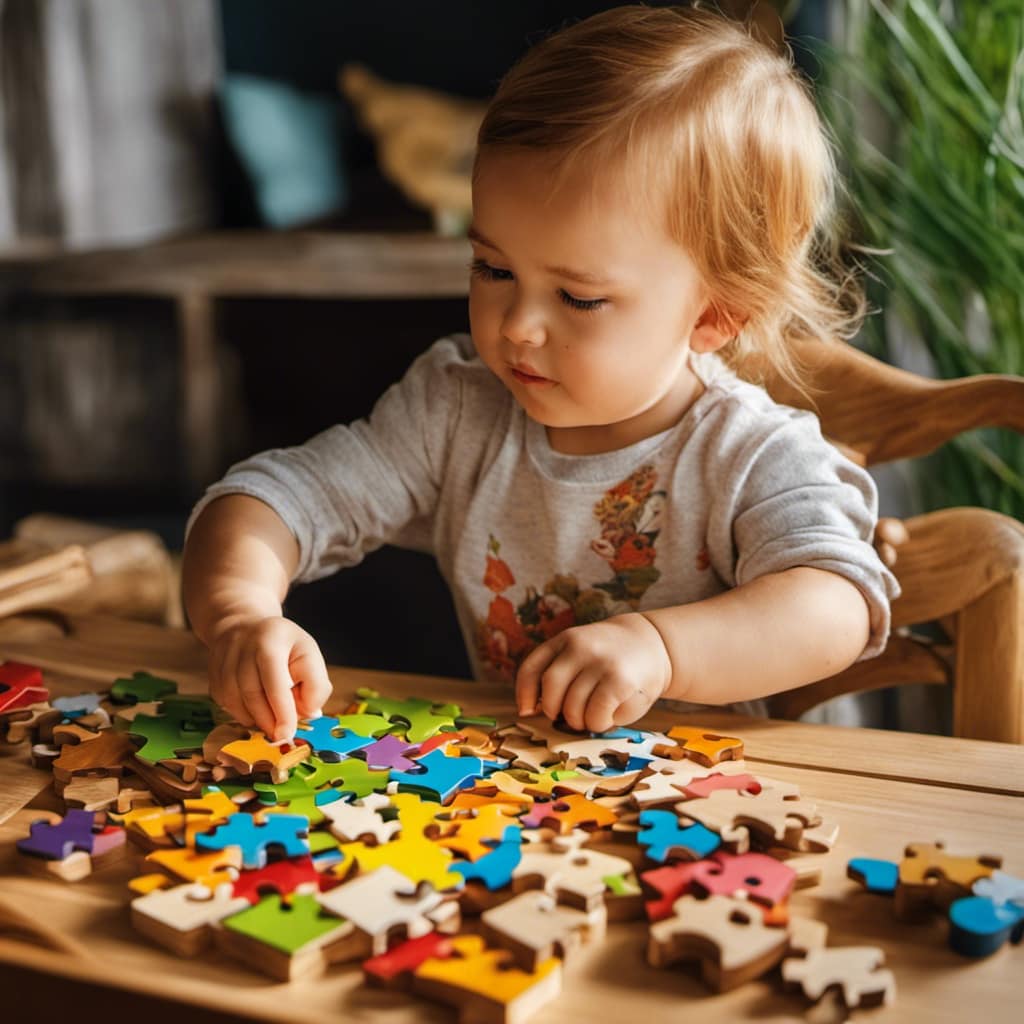
Preparing preschoolers for school starts well before their first day in the classroom. You play an essential role in setting the foundation for their success by helping them develop important skills early on. One of the key areas to focus on is fine motor skills. These skills involve the small muscles in the hands and fingers, which are critical for tasks like holding a pencil, cutting with scissors, and buttoning clothes. You can nurture these skills through simple activities such as coloring, drawing, playing with clay, or stringing beads. Encouraging your preschooler to practice these tasks not only improves their hand-eye coordination but also boosts their confidence as they prepare to write and manipulate objects in school.
Equally important is fostering socialization strategies that help your child build positive relationships and navigate the classroom environment comfortably. Social skills like sharing, taking turns, listening, and expressing emotions are fundamental for a successful school experience. You can cultivate these skills by arranging playdates, role-playing social scenarios, or encouraging group activities at home. Teaching your child to recognize and respect others’ feelings helps them develop empathy, which is essential for forming friendships and working cooperatively with classmates. Additionally, practicing patience and self-regulation through games and routines will prepare your preschooler to handle the social dynamics of school with greater ease.
Incorporate opportunities for your child to interact with peers regularly, as this will enhance their socialization strategies in authentic settings. Whether at a park, preschool, or community event, these interactions teach your preschooler to communicate effectively, share, and resolve conflicts—all skills they’ll rely on in the classroom. You should also model positive social behavior yourself, as children learn a lot from observing adults. Praise their efforts when they demonstrate good manners or kindness, reinforcing these behaviors as part of their daily routine. Furthermore, understanding the importance of cybersecurity can help you teach your child about safe online interactions as they grow older, ensuring their digital safety from an early age.
preschool fine motor skill activities
As an affiliate, we earn on qualifying purchases.
As an affiliate, we earn on qualifying purchases.
Frequently Asked Questions
How Can Parents Incorporate Play Into Daily Learning Routines?
You can incorporate play into daily routines by balancing screen time with outdoor exploration, encouraging your preschooler to learn through active play. Set aside time each day for outdoor activities like nature walks or playground visits, fostering curiosity and physical development. Use engaging, educational games indoors that promote creativity and problem-solving. This approach helps your child develop essential skills while ensuring play remains a fun and integral part of everyday learning.
What Are Some Age-Appropriate Toys That Support Skill Development?
Imagine a toy that transforms your child’s world overnight! Age-appropriate toys like colorful building blocks spark creativity and fine motor skills, while pretend play sets open endless imagination. These toys help your preschooler develop essential skills like problem-solving, social interaction, and language. By choosing these playful tools, you’re giving your child the perfect springboard for school readiness, making learning exciting and natural through everyday play.
How Do Social Skills Influence a Child’s Classroom Success?
Social skills greatly influence your child’s classroom success by shaping peer interactions and emotional regulation. When they develop strong social skills, they can effectively communicate, share, and resolve conflicts, making classroom experiences more positive. These skills also help them manage emotions, reducing tantrums and frustration. As a result, your child gains confidence, builds friendships, and engages more fully in learning activities, setting a solid foundation for future academic and social achievements.
When Should Parents Seek Professional Assessment for Developmental Delays?
You should seek a professional assessment if your child isn’t meeting developmental milestones or shows signs of delays. Early intervention is vital, so don’t wait if you notice persistent concerns with speech, motor skills, or social interactions. Addressing these issues promptly helps your child develop essential skills for school success. Trust your instincts, and consult a specialist to make certain your child gets the support they need to thrive.
How Can Caregivers Motivate Reluctant Learners to Engage in Educational Play?
Remember, where there’s a will, there’s a way. To motivate reluctant learners, try fun, engaging activities that match their interests and use positive reinforcement. Incorporate simple motivational strategies like praise, rewards, or offering choices to boost their confidence. You can also turn learning into a game or story, making it more appealing. Keep patience and consistency, and soon they’ll be enthusiastic to participate and explore new skills.
Conclusion
Think of your preschooler as a young gardener, tending to a blossoming tree. With your guidance, they’ll nurture their skills—like watering their confidence and pruning their curiosity—allowing their potential to flourish. Each new skill is a leaf, a branch, a sturdy trunk, helping them grow strong and resilient. By fostering these abilities now, you’re planting the seeds for a vibrant, thriving future, where they can blossom confidently into kindergarten and beyond.
Fall Picks
fall essentials
As an affiliate, we earn on qualifying purchases.