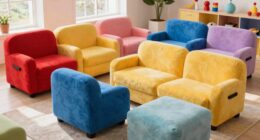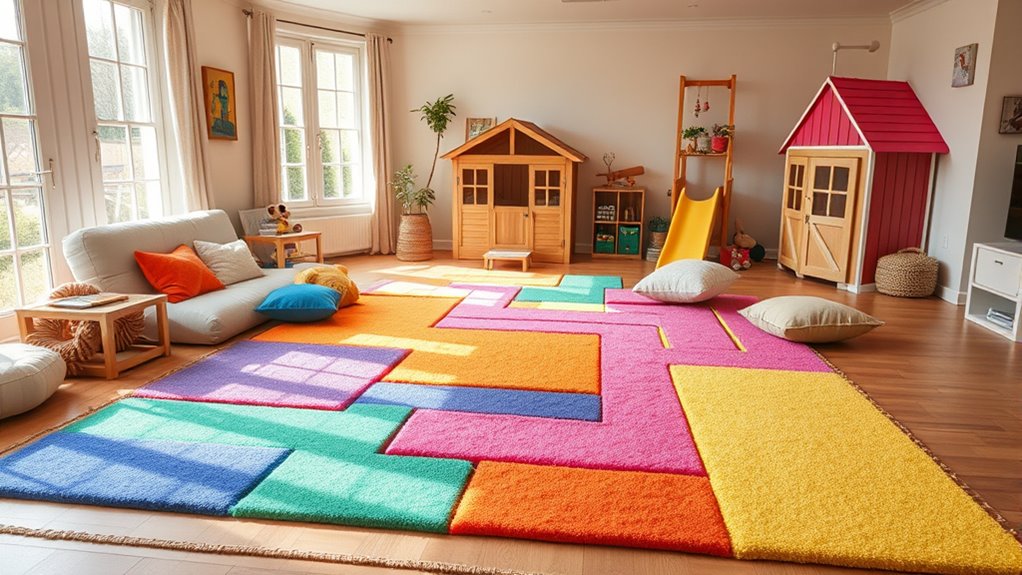

Create a play-friendly home by designating specific indoor and outdoor areas for exploration, using organized storage to keep toys accessible and safe. Set up age-appropriate outdoor equipment like swings and slides, and make sure walkways are clear and furniture is secure. Foster independence by involving your kids in choosing toys, and balance outdoor and indoor activities to support growth. Keep your environment safe and engaging, and you’ll discover ways to make playtime fun and secure—if you keep exploring, you’ll find even more ideas.
Key Takeaways
- Designate specific indoor and outdoor play zones with organized storage for easy toy access.
- Incorporate age-appropriate outdoor equipment like swings and slides to promote active play.
- Ensure safety by securing furniture, covering sharp edges, and keeping walkways clear of clutter.
- Offer a variety of engaging activities such as arts, crafts, and building sets to stimulate development.
- Involve children in choosing toys and organizing spaces to foster independence and enthusiasm.
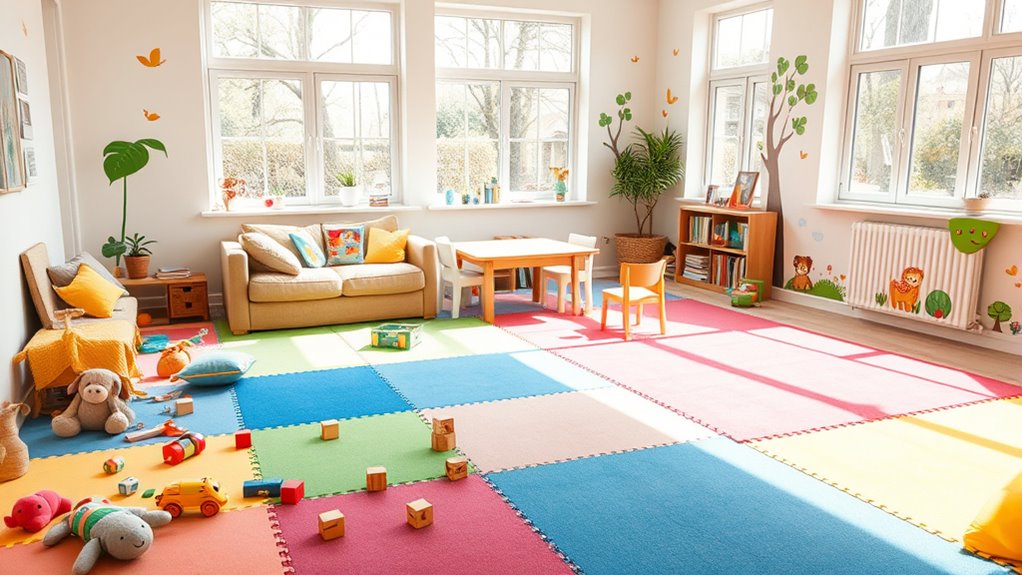
Have you ever wondered how to make your home more inviting for kids to play and explore? Creating a play-friendly environment starts with understanding that kids need space, safety, and engaging options to keep their curiosity alive. One of the easiest ways to do this is by setting up areas dedicated to indoor activities and outdoor toys. These zones give your children the freedom to be active, creative, and happy without feeling confined or bored.
Create inviting play zones with safe, accessible indoor and outdoor toys to encourage kids’ curiosity and joy.
Start by organizing your indoor space so that it’s conducive to play. Clear a corner or a section of a room where kids can easily access toys and activities. Use storage bins, shelves, or cubbies to keep everything neat but within reach. When toys are accessible, kids are more likely to engage in spontaneous play, fostering independence and imagination. Incorporate a variety of indoor activities like arts and crafts, building blocks, puzzles, and role-playing sets. These stimulate their minds and help develop fine motor skills, social interaction, and problem-solving abilities. Make sure the environment is safe—cover sharp edges, secure heavy furniture, and keep choking hazards out of reach.
Moving outdoors, outdoor toys are essential for creating a balanced play environment. Invest in age-appropriate outdoor equipment such as swings, slides, or a sandbox. These encourage physical activity, which is vital for healthy growth and motor development. A simple backyard setup can become a mini adventure zone, sparking your child’s love for outdoor exploration. Encourage imaginative play by adding accessories like riding bikes, playing catch, or setting up a small basketball hoop. Also, consider creating a designated outdoor play area that’s fenced in, so you feel secure knowing your kids can play freely while staying safe.
Both indoor activities and outdoor toys should be complemented by a safe, clutter-free environment. Keep walkways clear, secure loose wires, and ensure there’s easy access to emergency supplies like a first aid kit. Additionally, involve your kids in choosing their toys and activities; this boosts their enthusiasm and sense of ownership over their play space. With thoughtful organization and a variety of engaging options, your home transforms into a place where kids feel encouraged to explore, learn, and have fun. Creating this balanced atmosphere allows your children to thrive physically, emotionally, and socially, making your home truly play-friendly. Recognizing the importance of home safety can further ensure that your children enjoy their playtime securely and confidently.

EDOSTORY 5 in 1 Pikler Triangle Set, Indoor Playground and Gym for Kids, Foldable Wooden Montessori Climbing Set Triangle Ladder Set with Slide and Climbing Ramp, Gift for Boys Girls(Rainbow)
【Designed For Toddlers】Our 5 in 1 Pikler Triangle Toys are specifically designed with toddlers in mind. The size,...
As an affiliate, we earn on qualifying purchases.
Frequently Asked Questions
How Can I Incorporate Sensory Play Into My Home?
You can incorporate sensory play into your home by setting up sensory bins filled with textured materials like rice, beans, or water beads. Add toys or objects that encourage exploration and fine motor skills. Let your child touch, scoop, and manipulate the materials to stimulate their senses. This hands-on approach makes learning fun and engaging, helping your child develop sensory awareness and fine motor skills in a natural, playful way.
What Safety Measures Are Essential for a Play-Friendly Space?
To guarantee safety in your play area, focus on childproofing essentials like outlet covers and corner protectors, and secure heavy furniture. Choose safe material selection by opting for non-toxic, hypoallergenic toys and furniture. Regularly inspect play zones for hazards, keep small objects out of reach, and supervise children during play. These steps help create a secure environment, allowing your kids to explore and enjoy their playtime safely.
How Do I Organize Toys to Minimize Clutter?
To organize toys and minimize clutter, start by using smart toy storage solutions like bins, baskets, or shelves. Label them clearly so your kids know where to put each toy. Encourage regular decluttering—set aside time to sort and donate unused items. This helps with clutter control and keeps your space tidy. Make cleanup easy by involving your kids in the process, turning it into a fun, routine activity.
What Are Budget-Friendly Ideas for Creating a Play Zone?
Think of your play zone as a canvas, much like an artist’s studio. You can craft a fun space on a budget using simple decor ideas and DIY projects. Repurpose old furniture, add colorful rugs, or create wall art from inexpensive materials. These budget decor tips help you transform a corner into a vibrant play area without overspending, making it inviting and inspiring for your little ones to explore and create.
How Can I Encourage Imaginative Play at Home?
To encourage imaginative play at home, you can set up simple scenarios that inspire imaginative storytelling and role-playing activities. Use everyday items as props, like old clothes for costumes or household objects as adventure tools. Encourage your child to invent stories, act out different roles, and explore new worlds. By showing enthusiasm and participating, you help foster their creativity and confidence in their imaginative adventures.

PairPear Foldable Pikler Triangle Climbing Set for Kids, 7 in 1 Montessori Large Wooden Climbing Toys Indoor Jungle Gym with Rocker Arch, Ramp & Slide for Toddlers 18 Months+
Bigger for Growing Kids: 38" tall XL frame lets siblings climb side-by-side, perfect from 18m to age 6
As an affiliate, we earn on qualifying purchases.
Conclusion
Creating a play-friendly home is like tending a garden, where each carefully chosen element is a seed that nurtures imagination and growth. Your efforts cultivate a space where curiosity blossoms and joy takes root, transforming your home into a vibrant landscape of discovery. With patience and care, you become the gardener of your child’s world, fostering a sanctuary where play and learning flourish together—an eternal spring of wonder waiting to be explored.
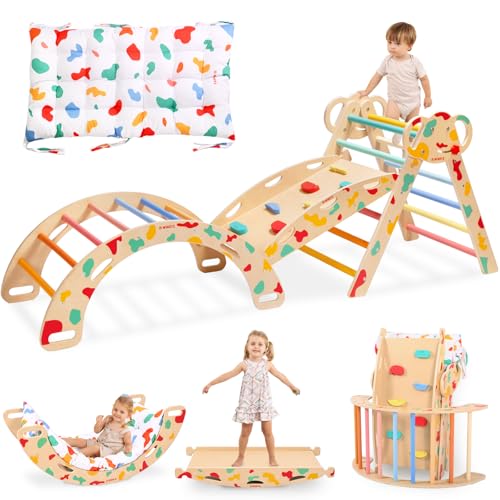
WINGYZ Pikler Triangle Set, Montessori Foldable 8-in-1 Jungle Gym & Reversible Animal Slide, Patent-Protected Climbing Set, Safe 2.35" Gap ASTM F963 Standards for Toddlers 18 Months-7 Years (Rainbow)
PICTURE THIS: YOUR CHILD’S EYES LIGHT UP — Imagine the delight as they discover a rainbow climbing wonderland....
As an affiliate, we earn on qualifying purchases.

Tiny Land Pikler Triangle Set, 7-in-1 Foldable Pikler Triangle Climbing Toys Set for Kids,Baby Indoor Playground Jungle Gym, Wooden Montessori Climbing Set for Toddler (Natural)
Tiny Land Montessori Climbing Set for Toddlers: The Tiny Land Pikler Triangle Set is inspired by the Montessori....
As an affiliate, we earn on qualifying purchases.