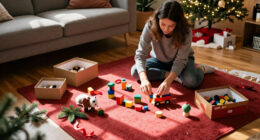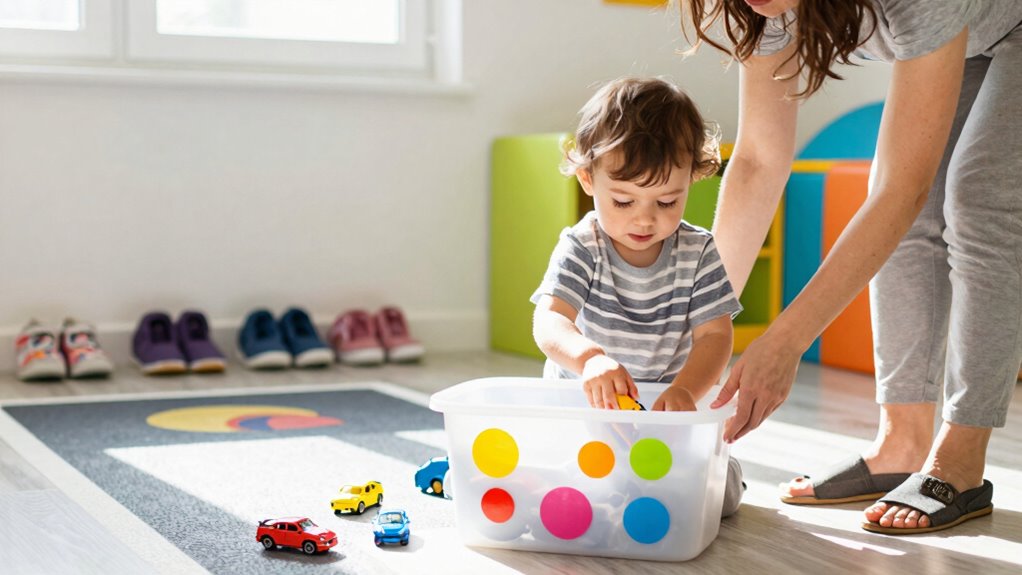

To make parking and cleanup routines stick with toddlers, use colorful visual cues like labeled bins and pictures to guide actions and signal expectations. Incorporate positive reinforcement such as praise or stickers to motivate them. Keep routines short, playful, and consistent, adding fun activities like singing or racing to maintain engagement. Flexibility helps when needed, and recognizing patterns builds understanding. Keep practicing these strategies, and you’ll discover how to turn routines into successful daily habits.

Turn the school run and nap time into listening time
- Thousands of audiobooks, podcasts and originals
- Listen on your phone, tablet or Echo — also offline
- Cancel anytime
Key Takeaways
- Use colorful visual cues, labeled bins, and pictures to clearly signal parking and cleanup steps.
- Incorporate immediate praise, rewards, and positive reinforcement for small successes.
- Maintain consistent routines with visual cues, but stay flexible to accommodate off days.
- Break routines into short, playful activities with singing, racing, or humor to boost engagement.
- Foster independence and responsibility through predictable routines and environmental awareness activities.
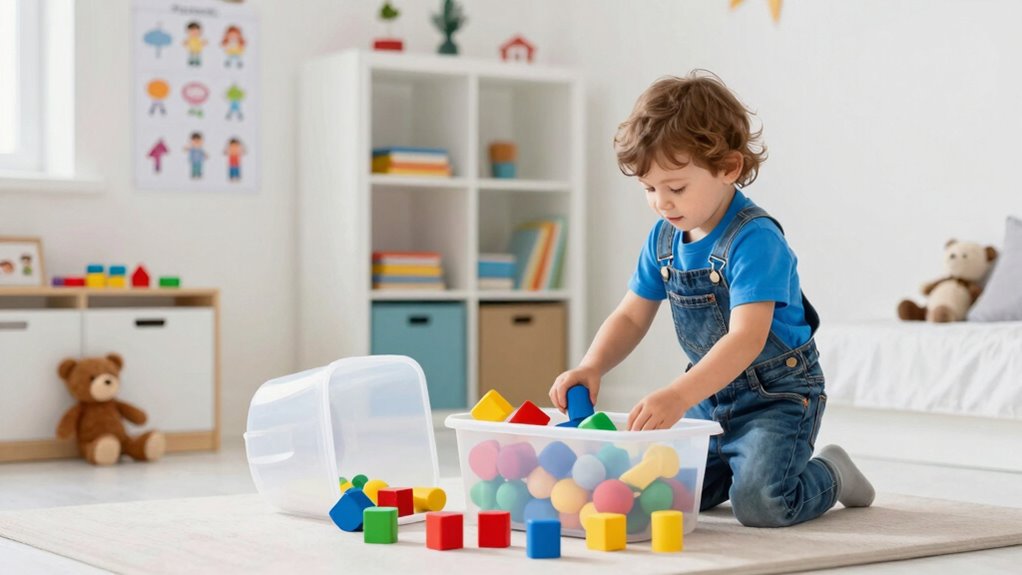
Establishing parking and cleanup routines that toddlers actually follow can feel like a formidable task, but with the right approach, it’s entirely doable. The key is to make these routines clear, engaging, and consistent. One of the most effective ways to do this is by using visual cues. Visual cues, like colorful charts, pictures, or labeled bins, help your child understand what’s expected without relying solely on verbal instructions. For example, a picture of a car and a parking lot can signal when it’s time to park the toy cars, while a bin labeled “Cleanup” with corresponding images can guide your toddler to put away their toys. These cues act as visual reminders, reducing confusion and making the process more intuitive for your little one.
Adding motivational techniques makes a significant difference. Toddlers respond well to positive reinforcement, so celebrate small successes with praise or a quick high-five. When they follow the routine correctly, acknowledge their effort with enthusiasm. You might say, “Great job parking the cars all by yourself!” or “Look how nicely you cleaned up your toys!” This boosts their confidence and encourages them to repeat the behavior. Incorporate a reward system, like stickers or a small treat, to further motivate them. The key is to keep the praise genuine and immediate, so they connect their actions with positive outcomes.
Consistency is crucial, but it doesn’t mean you need to be rigid. Establish a clear routine and stick to it as much as possible, but be flexible enough to adjust if your child is having an off day. Use the same visual cues every time, so your toddler begins to recognize the pattern. When they see the picture of the parking lot, they’ll know it’s time to put the cars away. Over time, these cues become familiar, and your child will start to anticipate the steps, reducing tantrums or resistance. Reinforcing visual cues consistently helps your child build a strong understanding of the routine and fosters independence. Incorporating biodiversity education by explaining how caring for their environment can be part of cleanup routines can also promote awareness and responsibility from an early age. Furthermore, understanding how to establish routines in a predictable manner can help caregivers create an environment that supports learning and growth.
Finally, keep the routines short and engaging. Toddlers have limited attention spans, so break down parking and cleanup into manageable steps. Incorporate play and humor to keep the process fun—perhaps sing a cleanup song or turn parking into a race. When routines are playful and rewarding, your toddler is more likely to participate willingly and develop good habits that stick. Using positive reinforcement techniques can make a big difference in maintaining their motivation and enthusiasm. With patience and consistency, parking and cleanup routines will become a natural part of your child’s day, fostering independence and responsibility.
As an affiliate, we earn on qualifying purchases.
Frequently Asked Questions
How Can I Handle Tantrums During Cleanup Routines?
When your toddler throws a tantrum during cleanup, stay calm and acknowledge their feelings to help manage tantrum triggers. Use simple language to explain what’s happening, and offer choices to promote emotional regulation. Keep routines consistent, and praise their cooperation. If a tantrum starts, give them a break or a hug to help them regain control. Patience and understanding are key to making cleanup less stressful for both of you.
What Are Age-Appropriate Parking and Cleanup Expectations?
You’re probably dreaming of perfect parking stations and toy organization, but let’s be real—your toddler’s age dictates expectations. At this stage, they can match shoes to the right spot and put small toys in designated bins. Expect them to start understanding parking stations as a fun game, not a strict rule. Keep routines simple, consistent, and praise their efforts—after all, they’re still mastering the art of tidying up.
How Do I Prevent My Toddler From Resisting Routines?
To prevent your toddler from resisting routines, foster their independence by involving them in decisions, like choosing their parking spot or cleanup method. Maintain routine consistency so they know what to expect, which builds security and cooperation. Use positive reinforcement, like praise or small rewards, to encourage participation. Keep routines simple and fun, avoiding power struggles, and gradually give them more responsibility to strengthen their sense of independence.
When Should I Start Introducing Routines for Parking and Cleanup?
Start introducing parking and cleanup routines around 18 to 24 months, when your toddler begins to understand simple instructions. For example, if you start early, you can gradually build routine flexibility, allowing your child to adapt without resistance. Timing considerations matter—establish routines during calm, predictable times like after play or meals, preventing overwhelm and fostering cooperation. Consistency helps routines become natural parts of your daily life.
How Can Rewards Motivate My Toddler to Stick With Routines?
Rewards can be a powerful behavior management tool to motivate your toddler to follow routines. Use simple, immediate rewards like praise, stickers, or small treats to reinforce positive behavior. This helps your child associate routines with fun, rewarding experiences. Consistency is key—combine rewards with clear, gentle guidance to build motivation and develop good habits. Over time, your toddler will start to see routines as a natural, enjoyable part of their day.
Conclusion
By turning parking and cleanup into playful adventures, you’ll plant seeds of good habits that bloom over time. Think of yourself as the captain steering a ship through choppy waters—steady and encouraging, guiding your little sailor toward independence. With patience and a sprinkle of fun, these routines become a gentle tide, washing over your toddler’s day and leaving behind a sandy trail of success. Before you know it, these habits will grow roots deep and strong.
Halloween Picks
halloween
As an affiliate, we earn on qualifying purchases.