Establishing a consistent order and repeating activities in your child’s morning play can create a calming routine that makes busy starts smoother. When you use visual cues and stick to familiar steps, your child feels more secure and in control, reducing resistance and chaos. Incorporating sensory activities adds a calming touch, helping your child shift seamlessly from wake-up to ready-for-the-day. Keep these tips in mind, and you’ll discover more ways to foster a peaceful routine for your little one.

Turn the school run and nap time into listening time
- Thousands of audiobooks, podcasts and originals
- Listen on your phone, tablet or Echo — also offline
- Cancel anytime
Key Takeaways
- Establishing a consistent order of morning activities creates predictability, reducing anxiety and chaos for children.
- Repetition of routines helps children feel secure and develop mastery over morning tasks.
- Visual and tactile cues reinforce the sequence, minimizing resistance and confusion.
- Structured routines support emotional regulation and foster a calm, focused start to the day.
- Calm, predictable mornings set a positive tone, promoting overall well-being and independence.

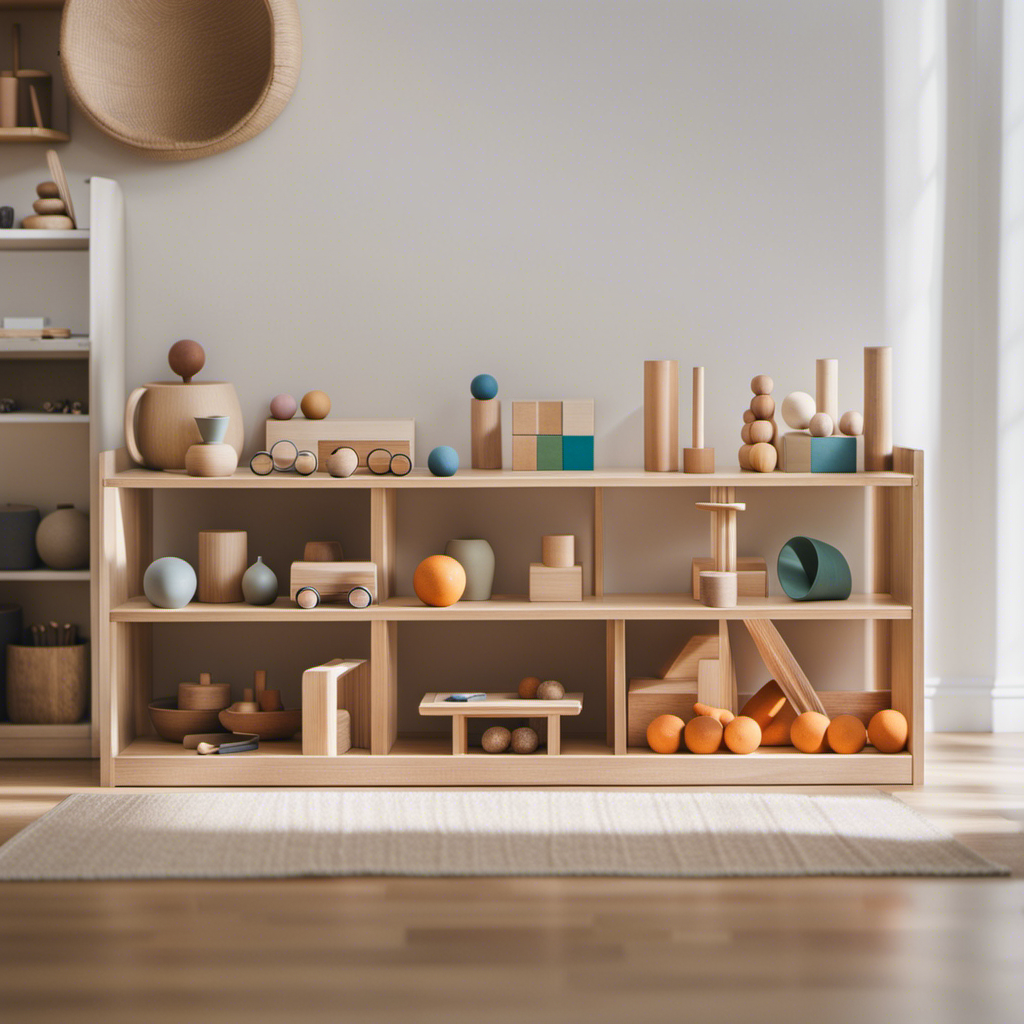
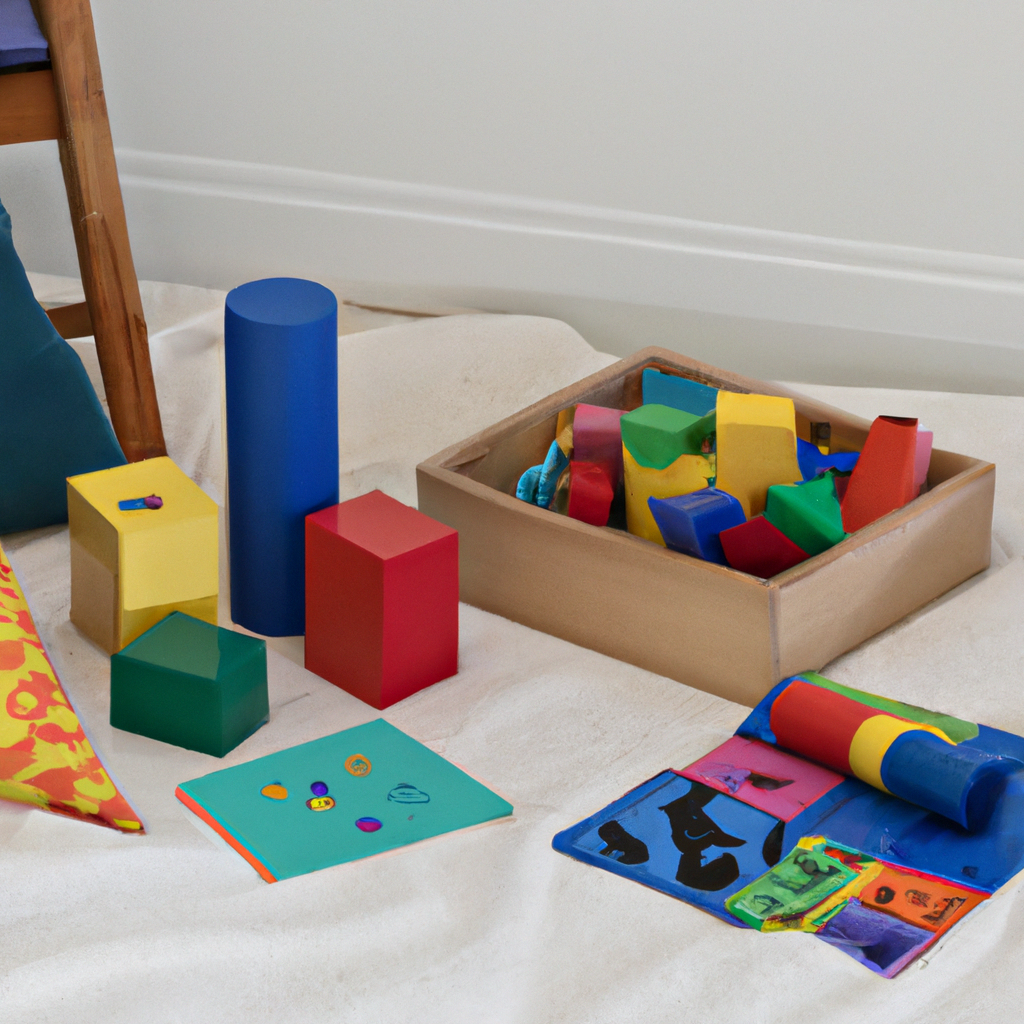
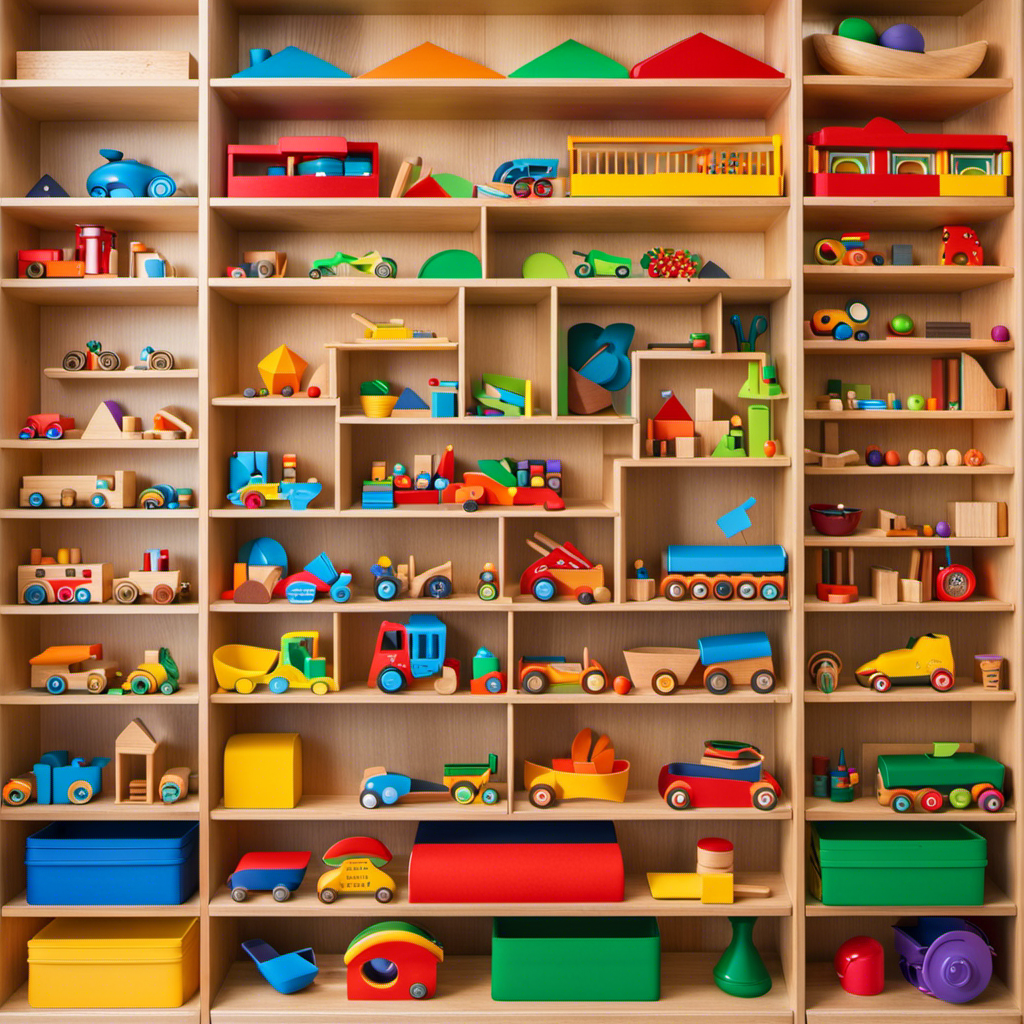
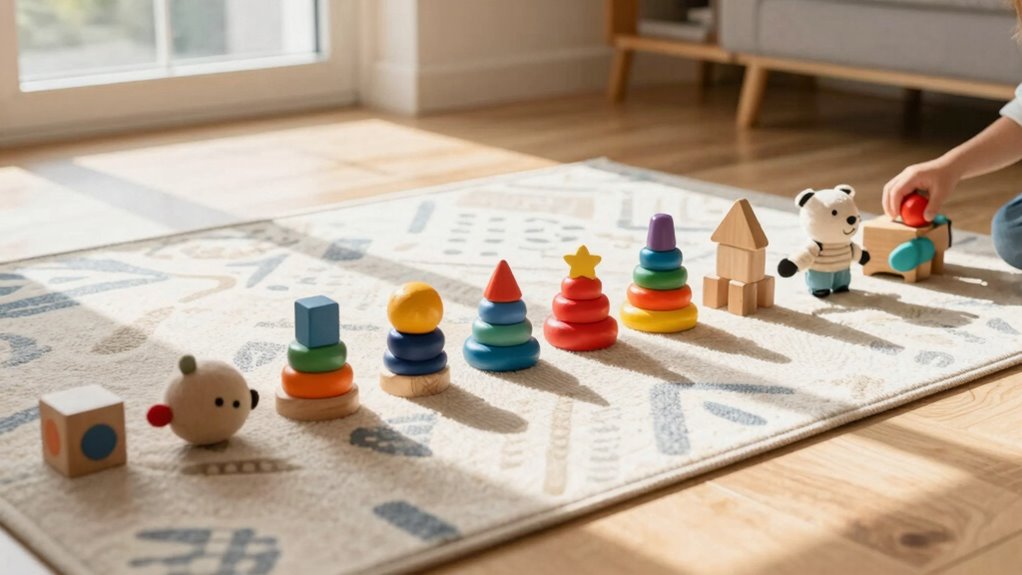
When mornings are hectic, establishing a routine that emphasizes order and repetition can help create a calmer start for both you and your children. Children thrive on predictability, and introducing creative routines can make mornings more manageable. Incorporate sensory activities into your routine to engage their senses and foster focus. For example, you might set up a station with textured fabrics, calming scents, or colorful objects that your child can explore while waiting for breakfast or getting dressed. These activities not only soothe but also help your child transition smoothly from wake-up to ready-for-the-day.
Creating a consistent sequence of simple tasks helps your child know what to expect and reduces resistance. Use visual cues or charts to illustrate the steps—like brushing teeth, putting on shoes, and packing a backpack. When these actions are repeated daily, they become second nature, giving your child a sense of control and security. This repetition reinforces the routine and minimizes surprises, making mornings less chaotic. As you guide your child through each step, emphasize gentle, encouraging language to build their confidence and independence.
In addition to visual routines, adding sensory elements can make the process more engaging. For instance, you might incorporate a quick hand massage with a scented lotion or encourage your child to choose a favorite calming music playlist to listen to while getting ready. These small sensory activities can serve as anchors, helping your child stay focused and calm during busy moments. Establishing a sensory corner with soft blankets, textured toys, or calming scents offers a dedicated space for self-regulation if your child becomes overwhelmed. Recognizing the importance of routine consistency can reinforce the calming effect and support your child’s development of healthy habits. Consistency also helps your child develop a sense of trust and security in their daily routines, fostering emotional regulation. Moreover, structured routines can promote a sense of achievement as children master each step, boosting their confidence in handling daily tasks.
Implementing these routines regularly can also help children develop healthy habits that benefit their overall well-being. Overall, establishing these calming routines can make mornings more manageable and set a positive tone for the entire day, emphasizing the importance of predictable routines in fostering a peaceful environment.
visual routine charts for children
As an affiliate, we earn on qualifying purchases.
As an affiliate, we earn on qualifying purchases.
Frequently Asked Questions
How Does Morning Play Influence Long-Term Child Development?
Morning play profoundly influences your child’s long-term development by boosting their resilience and emotional regulation. When you establish consistent routines and incorporate play, you help your child develop confidence in handling daily challenges. These repeated, structured activities teach them to manage their emotions better and build resilience, preparing them for future setbacks. Your active involvement in morning play creates a stable foundation that supports their emotional growth and overall development over time.
Are There Specific Toys That Promote Calmness During Morning Routines?
You can choose sensory toys like soft fabrics, textured balls, or calming activity sets to promote calmness during morning routines. These toys engage your child’s senses gently, helping them feel more centered. Incorporate calming activities such as deep breathing or gentle stretching alongside these toys to create a peaceful start. Consistent use of sensory toys and calming activities can ease your child’s busy mornings, setting a positive tone for the day.
How Can Parents Adapt Routines for Different Age Groups?
You can adapt routines for different age groups by using flexible scheduling and selecting age-appropriate activities. For younger kids, keep routines simple and include soft, calming toys or stories. For older children, incorporate more independent tasks and energizing activities like stretching or quick chores. Adjust timing and complexity based on their development, ensuring each routine fits their needs. This approach helps maintain calmness and keeps mornings smooth across all ages.
What Are Common Challenges When Establishing Morning Play Routines?
You might face challenges like sleep disruption, making it hard for your child to wake up energized and ready for play. Parental stress can also increase when routines aren’t smooth, leading to frustration. To overcome these, keep routines simple and consistent, gradually adjust wake-up times, and stay patient. This helps create a calm, predictable start, reducing stress and minimizing sleep issues, so mornings become more manageable for both of you.
Can Morning Play Routines Benefit Children With Sensory Processing Issues?
Did you know that children with sensory processing issues often benefit from structured routines? Morning play routines can certainly help by incorporating calming strategies that support sensory integration. You might see a decrease in anxiety and sensory overload when activities are predictable and soothing. This consistency helps children regulate their senses better, making their start to the day calmer and more manageable. It’s a simple yet effective way to support their unique needs.
Conclusion
By embracing order and repetition during morning play, you can create a calming, consistent routine that eases busy starts. When you set simple sequences and stick to them, your mornings become more manageable and less frantic. This steady rhythm reassures your little one, promoting patience and peace. So, start small, stay steady, and see how this simple strategy transforms your chaotic mornings into calm, controlled moments of connection and calm.
Halloween Picks
halloween
As an affiliate, we earn on qualifying purchases.