
TL;DR

Turn the school run and nap time into listening time
- Thousands of audiobooks, podcasts and originals
- Listen on your phone, tablet or Echo — also offline
- Cancel anytime
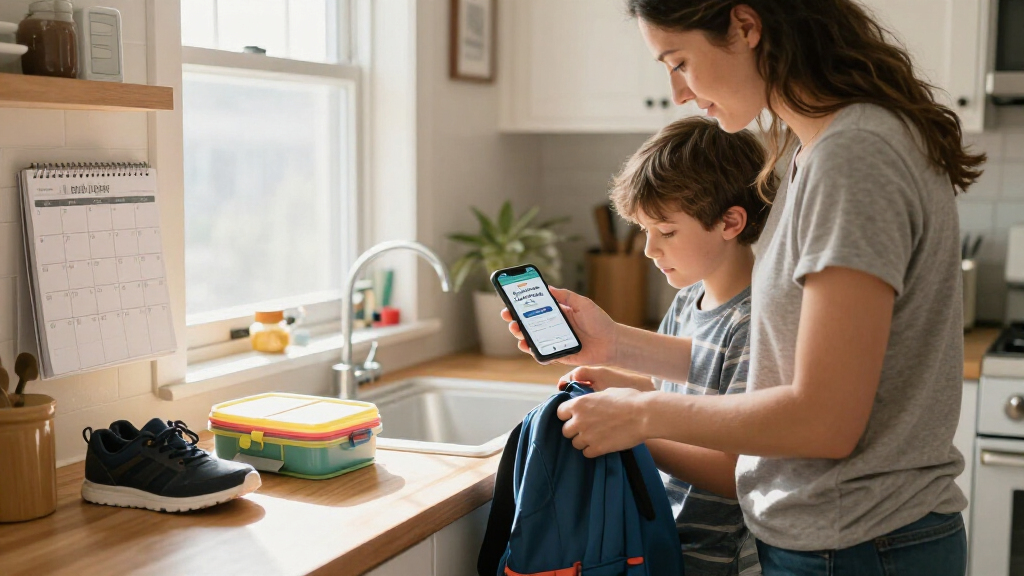
A University of Southern California research team stopped a pilot study after only 17% of participating parents successfully uploaded a child’s attendance record. The researcher’s account points to difficulties finding records, gaps in parent portals and privacy concerns, while leaving open how representative the pilot results are.
A research team at the University of Southern California’s Understanding America Study ended a pilot that asked parents to upload school attendance records after just 17% completed the task. The result highlights practical barriers to documenting absences and raises questions about whether families can easily track the attendance information schools collect.
The team asked parents of school-aged children to submit a picture or file showing the child’s absences during the 2025-26 school year. The researcher said the instructions allowed several kinds of records, including report cards, family-portal downloads and school messages. Participants were offered compensation described as above average for the time involved.
According to the researcher’s account, two-thirds of respondents declined to upload a document, even though doing so would have meant giving up the offered payment. Among those who did submit something, only half provided documentation that matched the request. Some files showed only a single absence, one reporting period or a semester rather than a year’s total; others did not contain usable attendance information.
The researcher reviewed explanations from 51 parents who refused the request. Twenty-seven percent cited privacy concerns, while more than half said they did not have the record or that it was too difficult to find. Several reported that prior-year information was unavailable in school portals during summer. The account does not say how many parents were invited overall or provide a detailed breakdown of the pilot’s participants.
Families Need Usable Attendance Records
The pilot suggests that school attendance data may be difficult for families to retrieve even when they are willing to share it. If parents cannot readily find a cumulative record, they may have a harder time seeing how absences add up across the year or discussing attendance with schools. The researcher argues that clear, accessible reporting could help families make informed decisions about discretionary absences and support regular in-person attendance.
The source places that concern against a wider problem: chronic absenteeism remains above pre-pandemic levels, with researchers commonly defining it as missing more than 10% of the school year. The article offers no new national measurement of absenteeism; its pilot focused on whether parents could provide documentation.
Top picks for "opinion absenteeism study"
As an affiliate, we earn on qualifying purchases.
Why Absence Counts Can Vary
The researcher notes that states and education leaders do not use one consistent definition of an absence. Some systems may count a full day, part of a day or an individual class differently, and those choices affect how attendance is recorded and communicated to families. The source does not compare state rules or quantify the effect of these differences.
The article also describes several possible reasons for elevated absences, including changed attitudes toward attending school after COVID-19, the availability of online schoolwork and continued strictness around illness. These are contextual explanations offered in the source, not findings established by the failed pilot.
““The study failed — during the pilot phase, only 17% successfully completed the task.””
— The researcher, writing in The 74
What the Pilot Cannot Establish
The account does not establish whether the parents in this pilot represent families nationally, nor does it provide the total number invited, participant demographics or results from a comparison group. The 17% completion rate describes this particular task and pilot; it cannot by itself show how many parents generally lack access to attendance information.
It also remains unclear which portal systems or school policies contributed most to the difficulties, whether families could have obtained records through school staff, and whether mailed summaries would improve access. The pilot measured parents’ ability to submit documents, not the accuracy of schools’ attendance totals or the effect of better reporting on student attendance.
Schools Could Rework Attendance Reports
The researcher proposes that schools make plain-language summaries of cumulative absences easier to find in family portals and consider mailing them to parents. The source does not identify a school system that has adopted this approach or announce a follow-up study. Any next step would need to clarify what schools count as an absence and how families can access past-year records, including during summer.
Key Questions
What happened to the absenteeism study?
The USC research team stopped its pilot after 17% of parents successfully uploaded the requested attendance record.
Why did parents decline to upload records?
In the researcher’s review of 51 refusals, 27% mentioned privacy concerns. More than half said they did not have the information or could not easily find it.
Did the pilot show that most parents do not know their children’s absences?
No. It tested whether parents could submit records in response to a survey request. The account does not establish what parents knew about their children’s attendance or whether the pilot results represent families broadly.
What change does the researcher suggest?
The researcher suggests making cumulative absence reports clearer and easier to access, including through school portals and possibly by mail.
Source: rss
Halloween Picks
halloween
As an affiliate, we earn on qualifying purchases.