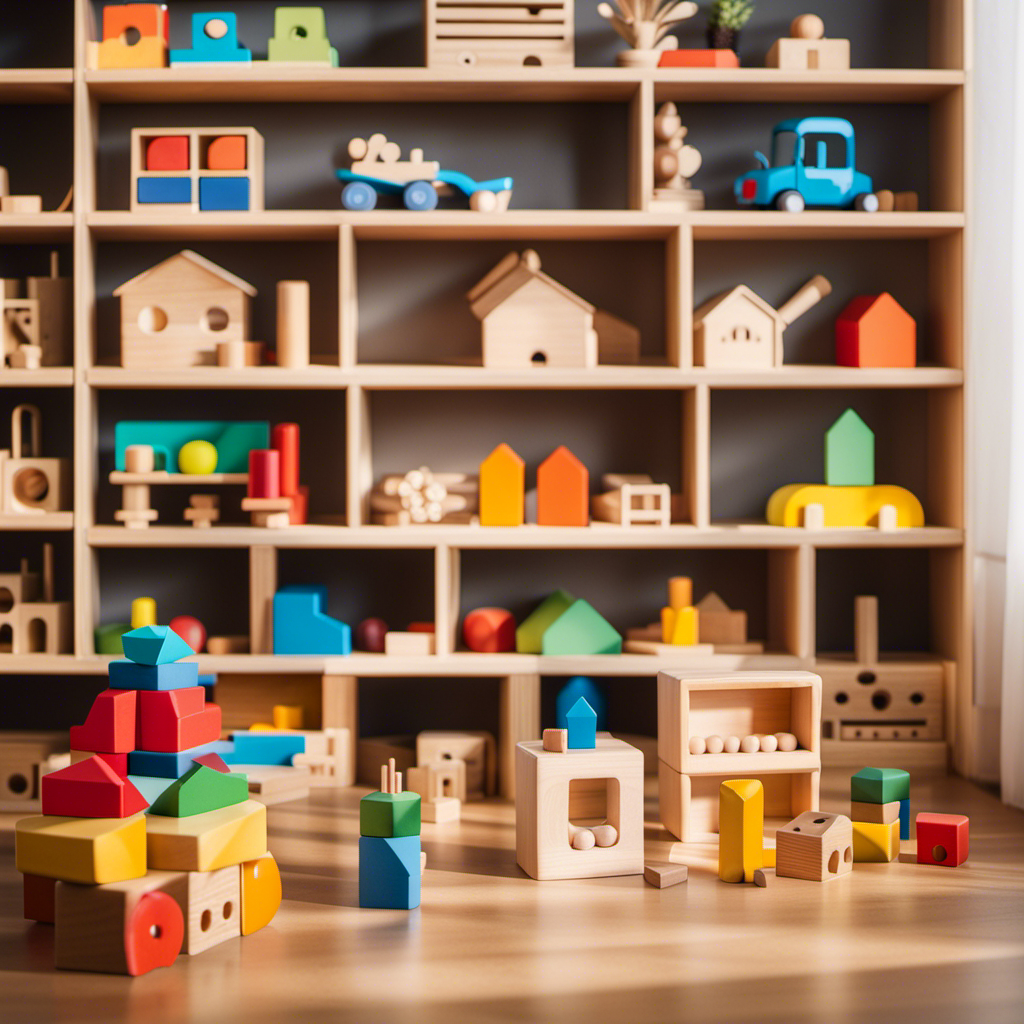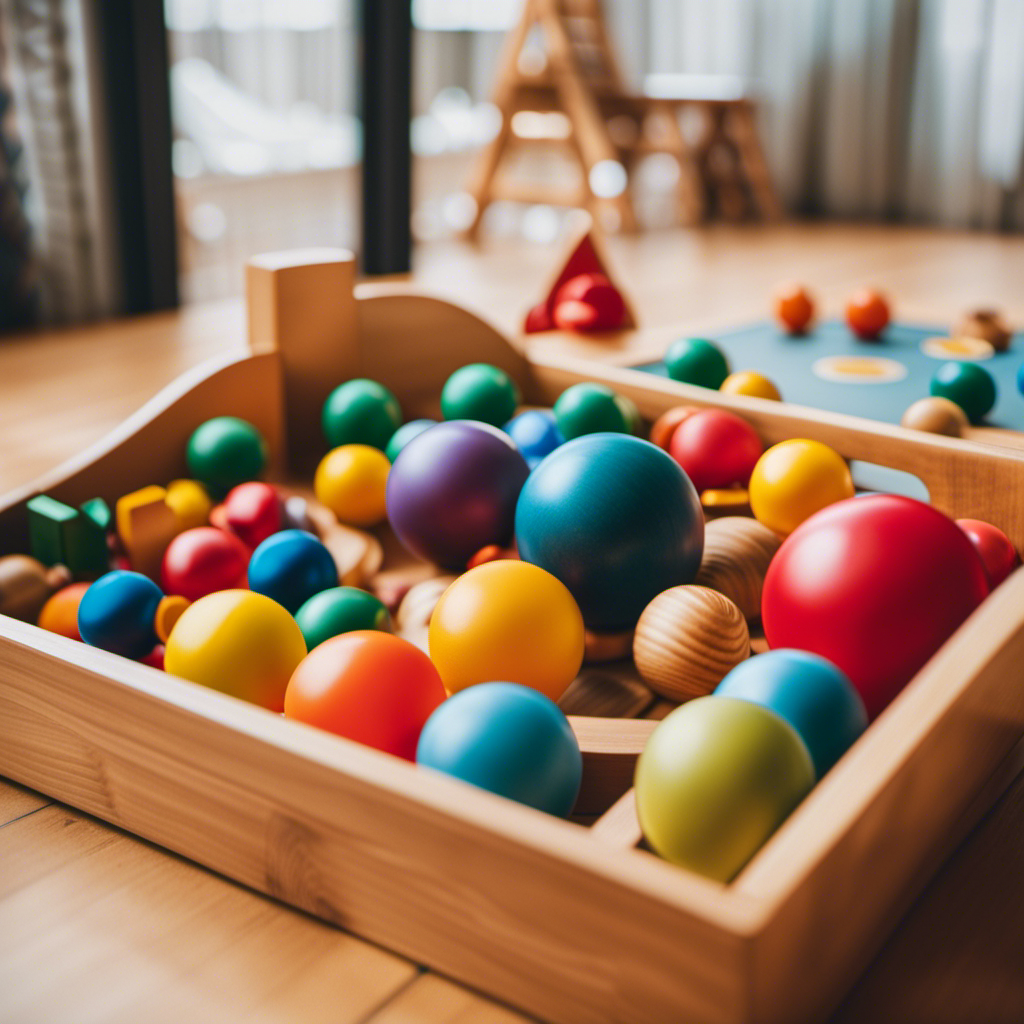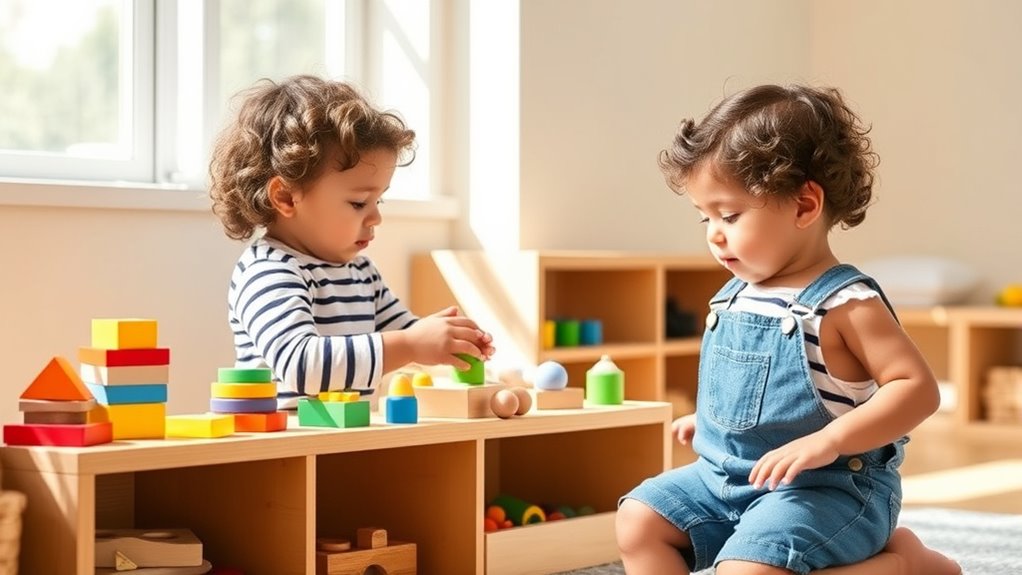

To create engaging Montessori activities at home, focus on sensory play with trays of rice, water, or pasta to boost tactile awareness and hand coordination. Incorporate practical life skills like pouring, scooping, and wiping to foster independence and confidence. Break tasks into simple steps, use natural materials, and encourage narration to build vocabulary. These activities promote curiosity, coordination, and responsibility. Keep exploring for more ideas to support your child’s growth and development.
Key Takeaways
- Incorporate sensory play activities like water or rice trays to stimulate touch, sight, sound, taste, and smell.
- Set up practical life tasks such as pouring, scooping, or wiping to build coordination and independence.
- Use natural materials and real-world objects to create engaging, hands-on experiences that mirror daily activities.
- Break activities into simple steps, providing guidance and narration to develop vocabulary and focus.
- Encourage exploration through activities that foster motor skills, confidence, and a love of learning at home.

Are you looking for engaging ways to support your toddler’s development? One of the most effective and enjoyable methods is through Montessori activities that you can easily set up at home. These activities are designed to foster independence, curiosity, and important skills, all while making learning fun. A great starting point is incorporating sensory play, which involves activities that stimulate your child’s senses—touch, sight, sound, taste, and smell. Sensory play helps toddlers refine their motor skills, improve focus, and explore the world around them. For example, you might fill a shallow tray with rice, pasta, or water and add small toys or scoops for your toddler to manipulate. Not only does this keep them engaged, but it also enhances their tactile awareness. These activities encourage your child to use their hands and fingers, building strength and coordination that are essential for later tasks like writing or buttoning clothes.
In addition to sensory play, focusing on practical life skills is key in Montessori-inspired activities. These are everyday tasks that help your toddler become more independent and confident. Simple chores like pouring water from one pitcher to another, scooping beans, or wiping a table teach coordination, concentration, and responsibility. As your child practices these activities, they develop fine motor skills and learn how to navigate their environment safely. You can create a mini ‘kitchen’ setup with child-sized utensils or a cleaning station with a cloth and spray bottle, making these skills approachable and fun. Remember, the goal isn’t perfection but encouraging your child to try, succeed, and gain confidence in their abilities.
To keep things engaging, break activities into small steps and be patient, offering guidance without taking over completely. Use natural materials whenever possible—wooden bowls, cloths, and simple tools—to reinforce the Montessori emphasis on real-world, practical objects. Incorporate language by narrating what your child is doing, like “You’re pouring carefully,” which helps develop vocabulary and understanding. These activities also support your toddler’s independence and sense of accomplishment, laying a strong foundation for future learning. By regularly integrating sensory play and practical life skills into your daily routine, you give your child a rich, supportive environment that respects their natural curiosity and desire to learn through hands-on experience.

bopoobo Sensory Lab Tray Set Montessori-Inspired Sensory Play The All-in-One Science Station for Curious Toddlers (Chemistry Tools – Tabletop Set)
Is your child endlessly curious, always mixing potions in the backyard? Nurture that passion with our Sensory Lab…
As an affiliate, we earn on qualifying purchases.
As an affiliate, we earn on qualifying purchases.
Frequently Asked Questions
How Can I Adapt Montessori Activities for Limited Space?
You can adapt Montessori activities for limited space by implementing space-saving solutions like compact shelves and wall-mounted storage. Use multi-purpose tools that serve various functions, such as stacking blocks that double as learning tools. Keep the area organized and clutter-free, allowing your toddler to explore freely. This approach maximizes your available space and helps create a stimulating environment where your child can learn and grow comfortably.
What Safety Precautions Are Necessary for Toddler Montessori Activities?
You need to prioritize safety by childproofing essentials like outlets, cords, and sharp edges. Supervision strategies are crucial—keep a close eye, stay engaged, and be ready to intervene. Make certain toys are age-appropriate, avoid small parts, and secure furniture to prevent tipping. Regularly check for hazards, maintain a safe environment, and create boundaries. Safety isn’t a one-time task but a continuous process to protect your toddler during Montessori activities.
Are There Specific Montessori Materials Suitable for Different Age Ranges?
You should choose age-appropriate toys and sensory materials suited for your child’s developmental stage. For younger toddlers, opt for simple, safe items that promote exploration, like soft blocks or textured fabrics. As they grow, introduce more complex Montessori materials that challenge their developing skills. Always guarantee materials are safe, non-toxic, and easy to handle, so your child can learn confidently while enjoying hands-on, age-appropriate activities.
How Can I Encourage Independence During Montessori Activities at Home?
To encourage independence during Montessori activities, focus on fostering independence building and self-directed learning. Offer age-appropriate tools and let your toddler choose activities, guiding them gently without taking over. Encourage problem-solving and patience, praising their efforts. Create a prepared environment that promotes exploration, allowing your child to develop confidence and autonomy, which are essential for their growth and love of learning.
What Are Some Cost-Effective Montessori Activity Ideas?
Did you know that many Montessori activities can be budget-friendly? You can create DIY crafts using everyday household items or make sensory bins with rice, beans, or pasta, which are inexpensive and engaging. These activities promote exploration and development without breaking the bank. With a little creativity, you can turn simple materials into valuable learning tools, encouraging independence and curiosity in your toddler at home.

Casdon Joseph Joseph Elevate | Colourful Kitchen Utensil Set for Children Aged 3 Years & Up | Comes with Rotating Storage Stand!
THE PERFECT RAINBOW: The varying colours on these tools co-ordinate with the pins on the stand, adding a…
As an affiliate, we earn on qualifying purchases.
As an affiliate, we earn on qualifying purchases.
Conclusion
Think of your home as a garden where your toddler’s curiosity is the seed. With patience and guidance, you nurture it through simple Montessori activities, helping it grow strong and vibrant. Each activity is like watering the plant, encouraging independence and discovery. As you tend to this garden daily, you watch your little one blossom into a confident, enthusiastic learner—turning your home into a beautiful, thriving landscape of growth and exploration.
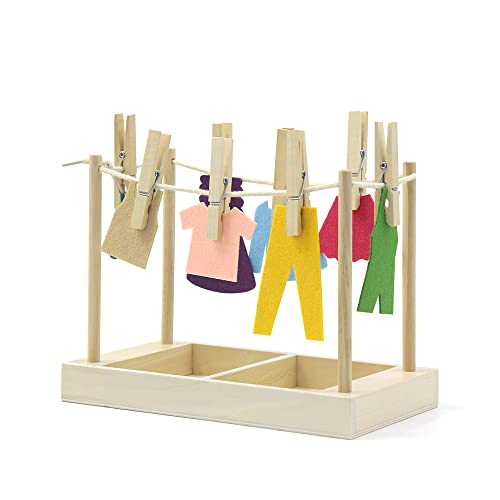
Kiddison Montessori Clothesline Activity Set – Practical Life Clothespin Work for Fine Motor Skills, Preschool & Classroom Use (Casa), Ages 3+
Montessori Practical Life Skill Development – A classic Montessori practical life activity designed to strengthen pincer grip, hand-eye…
As an affiliate, we earn on qualifying purchases.
As an affiliate, we earn on qualifying purchases.

Comfy Cubs Wooden Baby Play Gym – Natural Finish Pinewood Baby Activity Gym with 5 Sensory Hanging Toys – Easy No-Tool Assembly, Safe and Durable for Infant Motor and Visual Development – Natural Wood
Stylish Wooden Play Gym: This beautiful toddler gym is crafted from 100% high-quality Natural pinewood. Comfy Cubs baby…
As an affiliate, we earn on qualifying purchases.
As an affiliate, we earn on qualifying purchases.