
To choose the right ride-on for your toddler’s stage, consider their size, motor skills, and safety needs. Look for models with a low center of gravity, wide base, and simple push handles to guarantee stability and safe guidance. As they grow, pick options allowing foot propulsion and outdoor durability. Focus on quality, safety features, and comfort to support development. For more tips tailored to your child’s age and interests, keep exploring what options best fit your little one.
Key Takeaways
- Select a ride-on that matches your toddler’s current size and developmental stage for comfort and safety.
- Prioritize models with low centers of gravity and wide bases for stability at 1 year old.
- Consider features like push handles or foot propulsion to support growth and active play.
- Ensure the ride-on is made of durable, non-toxic materials suitable for indoor and outdoor use.
- Balance budget with safety features, durability, and long-term usability to maximize value.

Choosing a ride-on for your toddler can be exciting but also overwhelming with so many options available. You want something that will keep your little one entertained, support their development, and be safe to use. To make the best choice, it’s important to take into account your toddler’s current stage of growth and their specific needs. At this age, toddlers are rapidly developing their motor skills, balance, and coordination, so selecting a ride-on that complements these milestones is key.
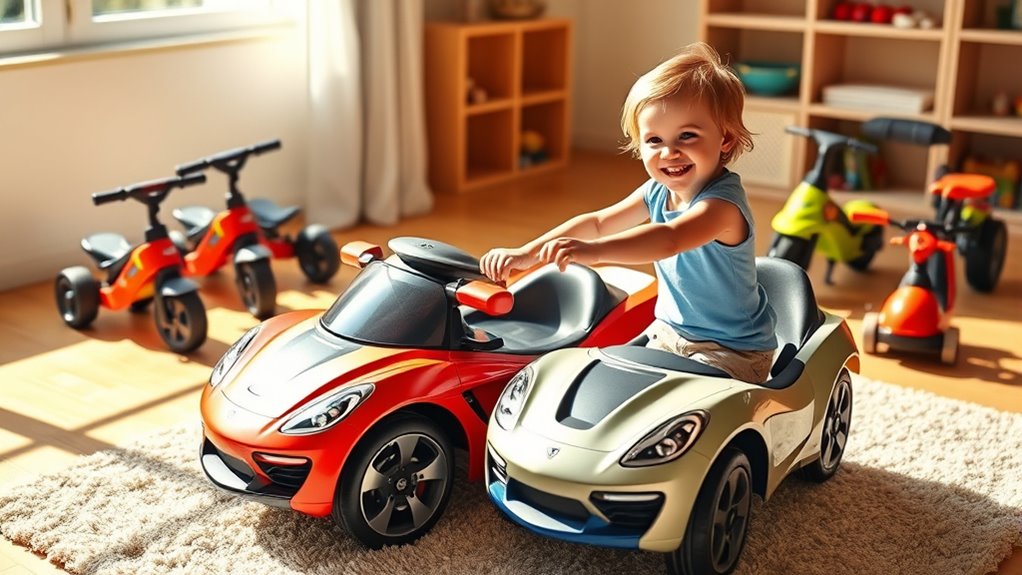
Start by thinking about your child’s age and size. For toddlers around one year old, stability and safety are top priorities. Look for ride-ons with a low center of gravity, wide base, and sturdy construction. Many beginner ride-ons feature a simple push handle, allowing you to guide and support your child as they learn to steer and balance. These models give toddlers a sense of independence while still keeping you close by for supervision. As your child grows, they’ll start to want more control, so consider options that allow them to propel themselves with their feet, like foot-powered scooters or balance bikes. These encourage active movement and help develop their leg muscles and coordination.
Consider your child’s age and size to choose safe, stable ride-ons with supportive features.
Material quality also matters. Opt for sturdy, lightweight plastic or wood that can withstand rough play and outdoor conditions. Smooth edges and non-toxic finishes are essential to prevent injuries and ensure safety. If you’re buying a ride-on for indoor use, choose something compact that won’t take up too much space but still offers enough room for your child to sit comfortably and move around. For outdoor use, durability and weather resistance become more important. Some ride-ons come with features like rubber tires for smooth rides on different terrains, which can make outdoor adventures more enjoyable.
Additionally, think about your child’s interests and personality. If your toddler is adventurous and loves to explore, a ride-on with a handle for pushing or steering can give them more control. If they prefer sitting still and observing, a simple, cozy ride-on might be better. Safety features such as seat belts, non-slip footrests, and secure handles should never be overlooked. These features give you peace of mind and help prevent accidents.
Furthermore, considering the size limitations of certain ride-ons can be important, especially if you have limited space indoors or need something lightweight for travel.
Finally, consider your budget. Quality ride-ons can vary widely in price, but investing in a well-made, safe, and age-appropriate option can pay off in the long run. You want something that will grow with your child and withstand frequent use. By focusing on your toddler’s developmental stage, safety, and interests, you’ll make a smart choice that encourages active play and helps them build confidence in their mobility.

Step2 Push Around Buggy Kids Push Car, Ride On Toy, Stroller Substitute, Includes Seat Belt & Horn, Made of Durable Plastic, Max Weight 50 lbs., For Toddlers 1.5-4 Years Old, Pink
RIDE IN STYLE: Treat your toddler to a smooth and quiet "whisper ride" with our push toy car,…
As an affiliate, we earn on qualifying purchases.
As an affiliate, we earn on qualifying purchases.
Frequently Asked Questions
What Safety Features Should I Look for in a Toddler Ride-On?
Look for safety features like a sturdy, non-slip base to prevent falls and a secure seatbelt to keep your toddler in place. Make certain the ride-on has rounded edges and smooth surfaces to avoid scratches or injuries. Check for a low center of gravity for stability, and verify it has reliable brakes or speed controls. Always supervise your child during playtime to keep them safe and secure.
How Do I Determine the Appropriate Size for My Child’s Age?
You determine the right size by checking the ride-on’s weight limit and seat height. Make sure your child can sit comfortably with their feet flat on the ground and hold the handlebars without stretching. Try it out if possible, and guarantee they can get on and off easily. A properly sized ride-on keeps your toddler safe and comfortable, encouraging confident, enjoyable play.
Are Battery-Powered Ride-Ons Suitable for All Weather Conditions?
Battery-powered ride-ons are generally suitable for most weather conditions, but you should exercise caution. Rain, snow, or muddy terrains can damage the electronics and reduce safety. Always check the manufacturer’s guidelines, verify the ride-on is waterproof or weather-resistant, and avoid using it on slippery surfaces. When in doubt, bring the ride-on indoors during extreme weather to keep your child safe and extend the vehicle’s lifespan.
How Long Does the Battery Typically Last Before Needing a Recharge?
The battery usually lasts between 1 to 2 hours of continuous use before needing a recharge. Keep in mind, this varies depending on the ride-on’s size, weight, and terrain. You might notice the battery depletes faster if your toddler uses the vehicle extensively or on rough surfaces. To extend battery life, follow the manufacturer’s charging instructions and avoid overcharging, which can reduce overall battery lifespan.
Can Ride-Ons Be Used Indoors and Outdoors Safely?
Yes, ride-ons can be used both indoors and outdoors safely if you follow some precautions. Make sure the outdoor surface is smooth and free of sharp objects to prevent damage or accidents. For indoor use, choose a spacious area with enough clearance and soft flooring to cushion falls. Always supervise your toddler, and check the ride-on regularly for any wear and tear to guarantee safe play everywhere.
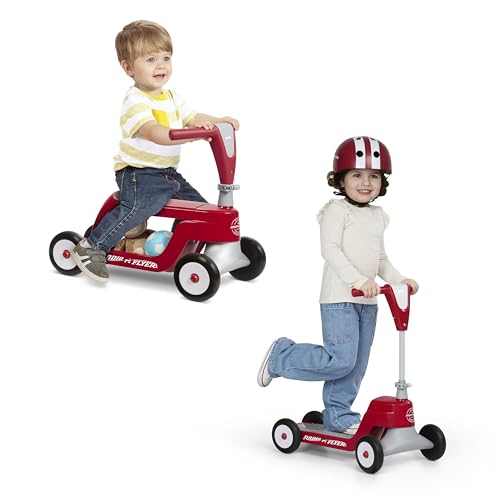
Radio Flyer Scoot 2 Scooter, Red, for Kids Ages 1-4, Ride On Toy or 4-Wheel Kids Scooter, Durable Wheels and Frame, Converts Easily with Flip Deck, Toddler Ride On Toys
2 RIDES IN 1: The Scoot 2 Scooter grows with your child. Start in ride-on mode for seated…
As an affiliate, we earn on qualifying purchases.
As an affiliate, we earn on qualifying purchases.
Conclusion
Remember, picking the right ride-on is like planting a seed—it shapes your child’s confidence and joy as they grow. I saw a toddler thrive on her first balance bike, her face lighting up with each successful ride, just like a small flame igniting into a steady glow. When you choose thoughtfully, you’re giving your little one a sturdy foundation for their adventures ahead. So trust your instincts, and watch your child’s confidence take off.
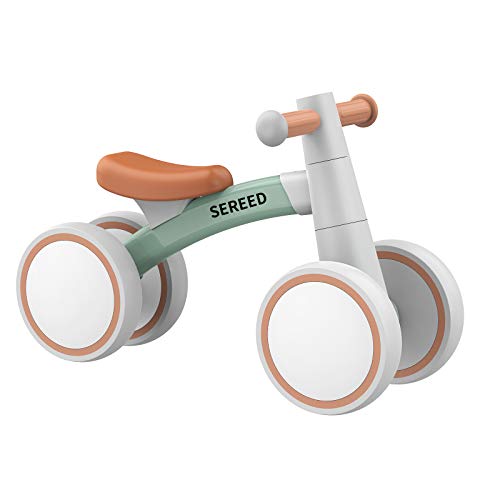
SEREED Baby Balance Bike for 1-2 Year Olds – 4 Wheels, First Bike for Toddlers, Birthday Gift (Green)
GROW IN FUN: Recommended ages for 12-24 months. The infant balance bike is the best birthday gift for…
As an affiliate, we earn on qualifying purchases.
As an affiliate, we earn on qualifying purchases.

Jetson Scooters – Jupiter Kick Scooter (Blue) – Collapsible Portable Kids Push Scooter – Lightweight Folding Design with High Visibility RGB Light Up LEDs on Stem, Wheels, and Deck
JUPITER SCOOTERS: Easy to ride, lightweight, easy to move, with light up LEDs all over! The Jupiter has…
As an affiliate, we earn on qualifying purchases.
As an affiliate, we earn on qualifying purchases.