Engaging in obstacle courses encourages problem-solving by merging physical challenges with creative thinking and teamwork. You’ll work with others to develop strategies, communicate effectively, and adapt quickly to new obstacles. These activities boost resilience, resourcefulness, and confidence while stimulating your mental clarity. As you overcome hurdles, you’ll strengthen decision-making skills and explore innovative solutions. Keep exploring, and you’ll discover even more ways these courses can sharpen your problem-solving abilities and boost your confidence.
Key Takeaways
- Obstacle courses promote creative thinking by challenging participants to develop innovative solutions under pressure.
- They enhance decision-making skills through rapid assessment and choosing effective strategies to overcome hurdles.
- Collaborative problem-solving is encouraged as teams share ideas, build trust, and develop shared strategies.
- Physical engagement stimulates mental clarity, boosting cognitive function and resilience in facing complex challenges.
- Repeated participation builds confidence and resourcefulness, reinforcing perseverance in both physical and mental obstacles.

Have you ever wondered how obstacle courses can boost problem-solving skills? These engaging activities aren’t just about physical agility—they also foster essential mental abilities like teamwork and creative thinking. When you tackle an obstacle course with others, you’re required to work together, pooling your ideas and strengths to find the best way forward. This collaboration helps you see problems from different perspectives, encouraging open communication and shared strategies. As you navigate a tricky section, you might realize that your teammate’s suggestion offers a quicker or safer route. This process reinforces the importance of listening, adapting, and trusting others, all of which are crucial components of effective problem-solving.
Obstacle courses challenge you to think creatively under pressure. Instead of relying on routine solutions, you’re prompted to come up with innovative approaches to overcome obstacles. For example, when faced with a wall too high to climb, you might brainstorm using nearby objects or invent a new way to build a makeshift ladder. These situations push you to think outside the box, cultivating flexible thinking that can be applied to real-world problems. You learn to assess the environment quickly, identify potential solutions, and adapt your plans as new challenges arise. This creative thinking becomes a habit, making you more resourceful in tackling everyday issues.
Thinking outside the box helps solve real-world problems creatively and efficiently.
Furthermore, obstacle courses often require quick decision-making. When you encounter an unexpected hurdle, you don’t have the luxury of lengthy deliberation. Instead, you learn to analyze the situation rapidly, weigh your options, and decide on the best course of action. This sharpens your cognitive agility and enhances your ability to solve problems efficiently. As you repeat these experiences, you become more confident in your capacity to handle complex challenges—both physical and mental.
The physical aspect of obstacle courses also plays a role in boosting problem-solving skills. As you physically engage with the course, your brain is stimulated through movement and coordination, which can improve cognitive function. This heightened mental clarity helps you approach problems more creatively and with greater focus. Plus, overcoming physical challenges builds resilience, teaching you that setbacks are opportunities to learn and improve your strategies.
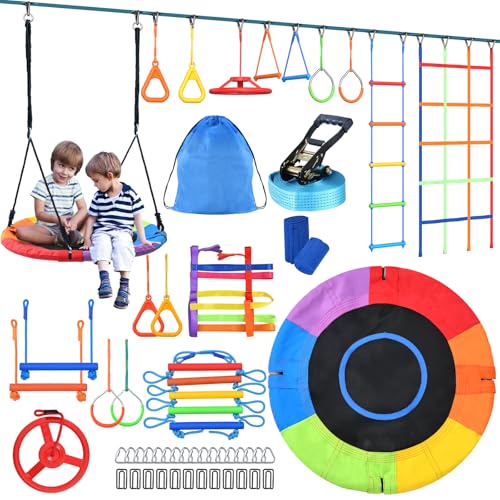
Hapfan 50 FT Ninja Warrior Obstacle Course Swing Set for Kids with Weather-Proof Accessories, Outdoor Playset with Monkey Bars for Backyard
【Slackline Swing Set】Hapfan adds a saucer swing to this ninja obstacle course for kids outside, transforming it into…
As an affiliate, we earn on qualifying purchases.
As an affiliate, we earn on qualifying purchases.
Frequently Asked Questions
How Can Obstacle Courses Be Adapted for Different Age Groups?
You can adapt obstacle courses for different age groups by implementing age-appropriate modifications and difficulty scaling. For younger kids, simplify obstacles and lower heights, making tasks more manageable. For older children or adults, increase complexity with challenging obstacles and advanced skills. Adjust the pace and add elements like timing or teamwork to keep everyone engaged. This way, everyone stays safe, challenged, and motivated to problem-solve while having fun.
What Safety Measures Are Essential for Obstacle Course Activities?
Safety measures are vital for obstacle course activities, blending excitement with caution. You should guarantee participants wear safety gear like helmets and pads to prevent injuries. Additionally, having clear emergency plans in place allows quick responses to accidents. Regularly inspect equipment for damage and supervise closely. By combining safety gear with emergency preparedness, you create a secure environment that encourages confidence and problem-solving, all while minimizing risks.
How to Assess Problem-Solving Progress Through Obstacle Courses?
You can assess problem-solving progress by observing how your group works together, noting improvements in group dynamics and individual skill development. Watch for increased collaboration, creativity, and persistence as they tackle obstacles. Challenge them with varied tasks to see if they adapt strategies and communicate effectively. Record their responses and encourage reflection afterward, helping you gauge their growth in problem-solving abilities and teamwork skills over time.
Can Obstacle Courses Be Used for Virtual or Digital Problem-Solving?
Yes, obstacle courses can be adapted for virtual challenges with digital integration. You can create online platforms or apps that simulate obstacle navigation, encouraging problem-solving skills remotely. You design interactive tasks, puzzles, or challenges that participants solve digitally, fostering engagement and critical thinking. By incorporating virtual obstacles and real-time feedback, you make problem-solving accessible anywhere, helping participants develop skills without physical equipment, all through innovative digital tools.
What Are Some Common Challenges Faced During Obstacle Course Implementation?
You might face challenges like risk management, ensuring safety during the obstacle course, and resource allocation, like securing enough equipment and space. Balancing safety measures with fun can be tricky, and misjudging resources may cause delays or compromises in design. To succeed, plan carefully, assess potential risks beforehand, and allocate resources efficiently. This proactive approach helps you create an engaging, safe obstacle course that promotes problem-solving effectively.
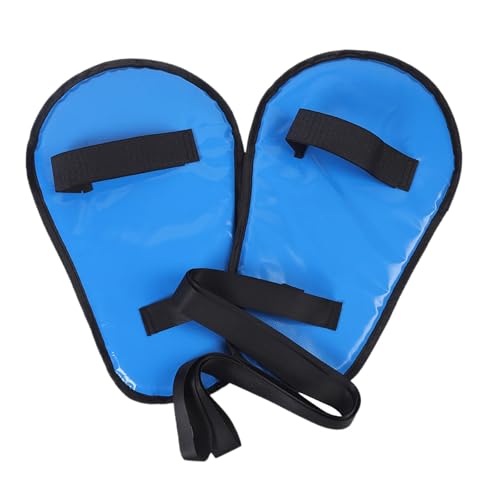
shamjina Backyard Game Outdoor Game Fun Equipment Obstacle Course Team Building Activity Group Relay for Family Reunion Outside Party , Large Feet
【Adjustable Fit】Features strong sticky straps that can be easily adjusted to fit different shoe sizes, ensuring comfort for…
As an affiliate, we earn on qualifying purchases.
As an affiliate, we earn on qualifying purchases.
Conclusion
By designing obstacle courses that challenge your problem-solving skills, you activate your creativity and resilience. Imagine that over 80% of kids who tackle these courses develop stronger critical thinking abilities. As you navigate each obstacle, you’re not just having fun—you’re building skills that last a lifetime. So, next time you face a tricky problem, think of the obstacle course and push through, knowing every challenge helps you grow smarter and more confident.

HeroKiddo 42'x 8'x 9.5' Block Party Inflatable Obstacle Course with Dual Lane Water Slide, 100% Commercial Grade PVC Vinyl, Wet/Dry Fun for Kids and Adults, Large Mesh Windows for Easy Supervision
Massive 42ft Block Party Obstacle Course & Water Slide: Transform your backyard into a prehistoric arena with this…
As an affiliate, we earn on qualifying purchases.
As an affiliate, we earn on qualifying purchases.
kids agility and problem-solving obstacle set
As an affiliate, we earn on qualifying purchases.
As an affiliate, we earn on qualifying purchases.