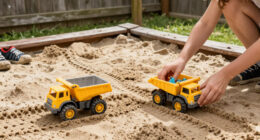
Counting cargo loads is a fun way to help preschoolers develop early math skills while also sparking their curiosity about logistics. As you engage them in activities like sorting cargo by color or size, they learn to recognize numbers, improve counting accuracy, and understand categories. These games also boost fine motor skills and teamwork. Keep exploring, and you’ll discover how these playful activities can build a strong math foundation and inspire future interest in the world around them.

Give the gift of listening to the whole family
- Choose a 1-, 3-, 6- or 12-month membership
- They pick the audiobooks they love
- Easy to send by email
Key Takeaways
- Counting cargo loads helps preschoolers develop number recognition and accuracy in basic counting skills.
- Sorting cargo by features enhances categorization abilities and understanding of different attributes.
- Engaging in cargo-related activities promotes fine motor skills and hands-on learning.
- Simulating logistics tasks introduces children to real-world concepts of inventory management and efficiency.
- Playful cargo counting fosters curiosity about science, math, and future careers in logistics.
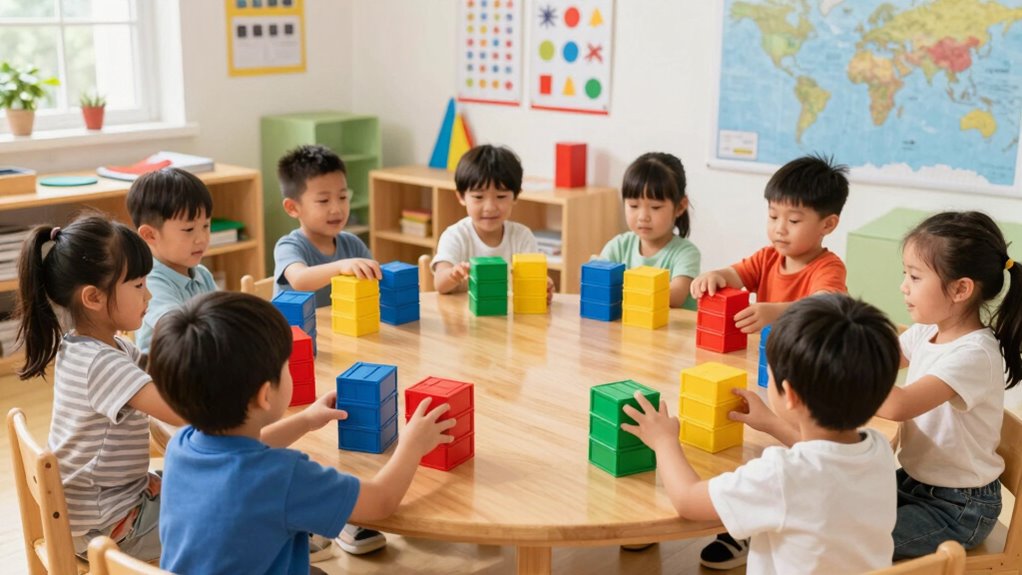
Have you ever wondered how logisticians keep track of the countless cargo loads moving across the globe? It’s a big job that involves a lot of playful counting and cargo sorting. While it might sound complicated, kids can easily understand the basics through fun activities that mimic real-world logistics. When children get to playfully count items and sort cargo, they learn important skills like number recognition, counting accuracy, and categorization, all while having a good time.
Imagine giving kids a pile of toy trucks, boxes, or even pictures of cargo. You can ask them to count how many trucks they see or sort the cargo into different categories—like by color, size, or type. This playful counting makes the activity engaging and helps kids develop a strong number sense. They learn to count not just for the sake of counting but to understand quantities and relationships. As they sort cargo, they also practice organizing skills, which are vital in logistics and everyday life. Sorting encourages kids to classify objects by common features, fostering their ability to analyze and make decisions.
Using playful counting and cargo sorting as teaching tools turns learning into an adventure. You might create a pretend cargo terminal where kids act as logisticians, sorting different cargo items onto trucks or into storage areas. This hands-on approach makes abstract math concepts tangible. Kids see how counting helps manage inventory and how sorting makes everything more efficient—less chaos, more control. These activities also build fine motor skills as children handle small objects, and they promote teamwork if done in groups. Additionally, understanding the importance of supply chain management can help children grasp how interconnected systems keep the world organized and moving smoothly. Recognizing the complexity of logistics allows children to appreciate how many moving parts work together to keep everything running efficiently. Learning about logistics tools and devices used in real-world settings can further inspire children to see science and math as essential and exciting parts of everyday life.
By turning counting into a game, you help children see that math isn’t just about numbers but about understanding the world around them. They realize that cargo sorting is similar to organizing toys or school supplies. It shows them the importance of order and classification, which are essential in many careers, including logistics. Plus, the joy of successfully counting or sorting provides a sense of achievement that motivates kids to learn more.
In the end, playing with cargo loads isn’t just fun—it’s a powerful way to introduce preschoolers to foundational math concepts. It sparks curiosity, develops critical thinking, and builds confidence in their abilities. When children see math as an exciting, playful activity, they’re more likely to enjoy learning and carry those skills into the future. So, next time you’re looking for a fun way to teach counting, think about playful counting and cargo sorting—they’re perfect for turning math into a game kids love. Understanding logistics can help them grasp how the world stays organized and moving efficiently. Exploring the tools and devices used in real-world laboratories can also inspire children to see science and math as exciting and essential parts of everyday life.
Products Worth Considering

LEGO DC Batman Arkham Asylum Building Set (76300)

LEGO Speed Champions Ultimate Formula 1 Collector's Pack, 10 Sets, 2,601 Pieces

Graco SlimFit 3-in-1 Convertible Car Seat, Jarret
As an affiliate, we earn on qualifying purchases.
Frequently Asked Questions
How Can I Make Counting Cargo Loads More Interactive?
You can make counting cargo loads more interactive by incorporating hands-on activities and interactive storytelling. Use toy cargo containers and small objects for kids to count, sort, and load onto pretend trucks. Create stories around their cargo loads, encouraging them to participate actively in the narrative. This approach keeps children engaged, helps reinforce counting skills, and makes learning fun through tactile experiences and imaginative play.
What Are Some Common Mistakes Children Make While Counting?
Think of children’s counting as a delicate bridge, where missteps happen. They often confuse number sequencing, skipping or repeating numbers, which leads to errors. You can help by gently correcting mistakes, emphasizing the correct order, and encouraging children to recount. Reinforce understanding by using visual aids or hands-on activities, so they grasp the sequence better. This approach builds confidence and helps prevent future errors in counting.
How Does Counting Cargo Loads Support Early Math Skills?
Counting cargo loads helps support your child’s early math skills by boosting number recognition and fine motor development. As they count each load, they learn to identify numbers and associate them with quantity. Handling small cargo pieces improves their fine motor skills, which are essential for writing. This activity also encourages counting sequences and one-to-one correspondence, laying a strong foundation for more advanced math concepts later on.
Are There Recommended Age Adjustments for This Activity?
Yes, there are age-appropriate modifications for this activity. You should consider developmental considerations, adjusting the complexity based on the child’s age and skills. For younger children, use fewer cargo loads or simple counting, while older preschoolers can handle more loads and basic addition. Tailoring the activity guarantees it remains engaging and developmentally suitable, helping children build confidence and foundational math skills at their own pace.
What Materials Are Best for Creating Cargo Load Counters?
For creating cargo load counters, choose sturdy, sustainable materials that stand the test of time and toddler tampering. Wooden counters are durable and easy to handle, offering excellent cargo capacity representation. Foam or felt pieces are flexible and safe, perfect for little hands. Plastic counters are lightweight and resilient, ideal for active play. Prioritize materials that balance durability with safety, ensuring your preschoolers enjoy counting cargo loads confidently and comfortably.
Conclusion
Now that you’ve explored counting cargo loads, you see how fun and easy math can be. With each load, you’re building skills that last a lifetime. Remember, practice makes perfect, and soon you’ll be a numbers pro! Just like the saying goes, “Little by little, a little becomes a lot,” your counting skills will grow with every load you count. Keep at it, and math will become your new best friend!