To help your anxious or sensitive child feel calmer, try sensory activities like tactile exploration with textured objects or stress balls, combined with mindful breathing exercises. Focus on slow, deep breaths while holding or gently squeezing soothing materials, which helps regulate emotions and build resilience. Creating a calm, sensory-rich environment encourages emotional control and confidence. Keep activities simple, consistent, and gentle—if you keep exploring, you’ll discover more effective ways to support their well-being.
Key Takeaways
- Incorporate tactile activities like textured objects and sensory bins to help children ground themselves and reduce anxiety.
- Practice mindful breathing exercises—slow, deep inhales and exhales—to calm the nervous system during distress.
- Combine tactile exploration with breathing to enhance relaxation and create a soothing sensory routine.
- Use calming, safe tactile tools such as stress balls or fabric squares to promote mindfulness and emotional regulation.
- Foster patience and consistency, creating a sensory-rich environment to build resilience and confidence over time.

If your child is anxious or sensitive, incorporating sensory activities into their routine can make a significant difference. These activities help them feel more grounded and in control of their emotions. One effective approach is to introduce mindful breathing exercises. When your child focuses on slow, deep breaths, they learn to calm their nervous system, reducing feelings of overwhelm. Encourage them to take deep breaths in through the nose, hold for a few seconds, then slowly exhale through the mouth. Making this a regular part of their day can build resilience against anxiety. Pairing mindful breathing with tactile exploration can deepen calming effects. For example, give your child a soft, textured object, like a stress ball or a fabric square, to hold while they practice breathing. This engages their sense of touch and helps anchor their attention to the present moment. Tactile exploration involves providing different materials—smooth stones, squishy toys, or textured fabrics—that your child can touch and manipulate. These objects give them a sensory focus that distracts from anxious thoughts and fosters a sense of security. When selecting tactile items, choose ones that are soothing to the touch and safe for your child’s age. Let them explore each texture slowly, paying close attention to how it feels, which promotes mindfulness and reduces stress. Incorporate activities like tracing patterns on textured surfaces or squeezing stress balls to engage their tactile senses. Using a variety of tactile stimuli can also help maintain their interest and prevent boredom. Combining tactile exploration with mindful breathing creates a powerful calming routine. For example, your child can hold a textured object while practicing slow, mindful breaths, grounding their awareness in their senses. Repeating this process regularly can help them develop a mental toolkit for managing anxiety. It’s important to keep these activities simple and consistent, so your child knows what to expect and feels safe practicing them. Over time, they’ll associate tactile exploration and mindful breathing with relaxation, making it easier to calm themselves during moments of heightened anxiety. Remember, patience is key; some children might need time to get comfortable with these techniques. Encourage them gently, and celebrate small victories along the way. Using sensory activities like mindful breathing paired with tactile exploration doesn’t just provide temporary relief—it teaches your child ways to self-regulate their emotions, building confidence and resilience. By creating a calm, sensory-rich environment, you help your child develop the skills to navigate their feelings more effectively, fostering a sense of stability and safety that can last a lifetime. Additionally, understanding the importance of color accuracy in visual experiences can help you select the most soothing and engaging sensory tools for your child’s needs.

PairPear Foldable Pikler Triangle Climbing Set for Kids, 7 in 1 Montessori Large Wooden Climbing Toys Indoor Jungle Gym with Rocker Arch, Ramp & Slide for Toddlers 18 Months+
Bigger for Growing Kids: 38" tall XL frame lets siblings climb side-by-side, perfect from 18m to age 6
As an affiliate, we earn on qualifying purchases.
Frequently Asked Questions
How Can Sensory Activities Be Customized for Different Sensitivities?
When customizing sensory experiences, you can make sensory activity adaptations based on each child’s unique sensitivities. Observe how they respond to different stimuli, then modify the intensity, duration, or type of sensory input accordingly. For example, if a child is overwhelmed by loud noises, opt for quieter activities or use noise-canceling headphones. Tailoring sensory activities ensures a comfortable, engaging experience that supports their sensory needs effectively.
Are There Age-Specific Sensory Activities for Preschoolers Versus Older Children?
You should consider age-appropriate activities when planning sensory play, as preschoolers benefit from simple, hands-on experiences like finger painting or textured bins, while older children enjoy more complex sensory challenges like obstacle courses or mindful textures. Adapt sensory play by modifying the complexity and intensity, ensuring it fits each child’s developmental stage. These sensory play adaptations help keep activities engaging and effective, promoting calming and focus for kids of all ages.
What Signs Indicate a Child Is Overstimulated During Sensory Activities?
When observing signs of overstimulation, you might notice your child covering their ears, rubbing their eyes, or becoming irritable. They may seem overwhelmed, fidgety, or want to withdraw from activities. To help, use simple coping strategies like offering a quiet space or a calming activity. Recognizing these signs early allows you to adjust the sensory experience, helping your child regain comfort and stay engaged without feeling overwhelmed.
How Can Parents Encourage Participation in Sensory Activities Without Stress?
Think of sensory activities as a gentle bridge to calmness. You can encourage participation by offering parental reassurance, letting your child know it’s okay to take breaks. Emphasize activity flexibility, allowing them to choose what feels best. Keep activities fun and low-pressure, so your child feels safe exploring without stress. Your support helps them feel secure, making it easier for them to engage and enjoy the experience.
Can Sensory Activities Be Integrated Into Daily Routines Effectively?
You can effectively integrate sensory activities into daily routines by maintaining routine consistency, which helps your child feel secure. Incorporate sensory integration during everyday moments, like during bath time or before bed, making it a natural part of your day. Keep activities simple and predictable, so your child knows what to expect, reducing stress and encouraging participation. This approach ensures sensory activities become a seamless, calming part of your daily life.
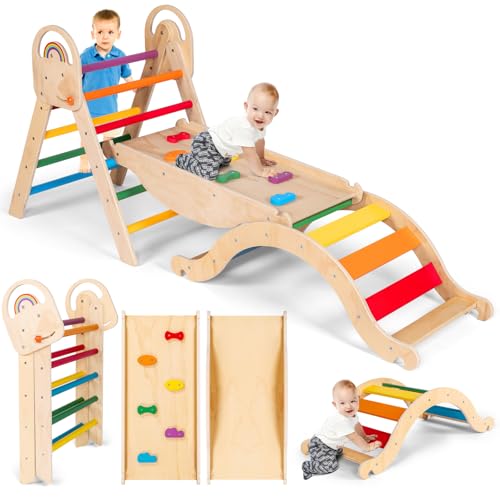
MnnktClair Montessori-Inspired Wooden Pikler Triangle, Space-Saving Indoor Jungle Gym with Convertible Ramp, Detachable Arch & Sturdy Ladder
Thoughtful Milestone Gift: MnnktClair Montessori-inspired Pikler Triangle makes the perfect birthday/holiday gift—more than a playpiece, it’ s a...
As an affiliate, we earn on qualifying purchases.
Conclusion
Incorporating calming sensory activities can make a real difference for anxious or sensitive kids. These activities help reduce stress and build resilience, creating a safe space for self-regulation. Did you know that over 70% of children with sensory processing challenges experience fewer anxiety symptoms when engaging in regular sensory play? By making these activities a part of your child’s routine, you support their emotional well-being and help them feel more secure in the world around them.

EDOSTORY 5 in 1 Pikler Triangle Set, Indoor Playground and Gym for Kids, Foldable Wooden Montessori Climbing Set Triangle Ladder Set with Slide and Climbing Ramp, Gift for Boys Girls(Rainbow)
【Designed For Toddlers】Our 5 in 1 Pikler Triangle Toys are specifically designed with toddlers in mind. The size,...
As an affiliate, we earn on qualifying purchases.
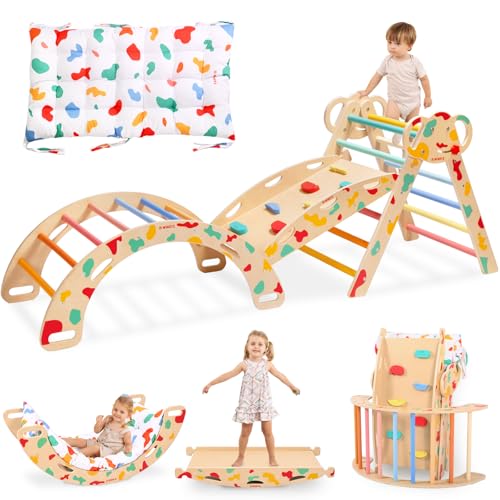
WINGYZ Pikler Triangle Set, Montessori Foldable 8-in-1 Jungle Gym & Reversible Animal Slide, Patent-Protected Climbing Set, Safe 2.35" Gap ASTM F963 Standards for Toddlers 18 Months-7 Years (Rainbow)
PICTURE THIS: YOUR CHILD’S EYES LIGHT UP — Imagine the delight as they discover a rainbow climbing wonderland....
As an affiliate, we earn on qualifying purchases.