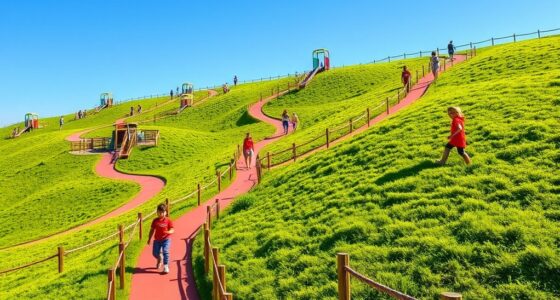
To build an outdoor obstacle course, start by inspecting and preparing a flat, stable area free of hazards. Choose weather-resistant equipment and secure everything firmly with proper anchoring. Regularly maintain your structures by checking for damage and tightening bolts. Create safe zones with soft landing surfaces, enforce safety rules, and supervise users, especially kids. Planning ahead and keeping safety in mind will help you create a fun, durable course—continue to discover how to optimize your setup.
Key Takeaways
- Inspect and prepare a flat, stable outdoor area by clearing debris and hazards for obstacle installation.
- Select durable, weather-resistant equipment and securely anchor all obstacles to ensure stability.
- Incorporate safety features like soft landing zones and enforce usage rules with safety gear.
- Regularly inspect and maintain obstacles, addressing wear, rust, or damage promptly.
- Perform seasonal checks and routine maintenance to ensure ongoing safety and equipment longevity.

Creating an outdoor obstacle course is an exciting way to boost your backyard’s fun and fitness potential. As you start designing and building, you need to prioritize safety precautions to guarantee everyone can enjoy the course without risk. Before you set up any equipment, inspect the area thoroughly. Clear the space of debris, rocks, or anything that could cause injuries. Choose a flat, stable surface like grass or packed dirt to prevent slips and falls. When selecting obstacles, look for durable, weather-resistant equipment that can withstand regular use and outdoor conditions. Proper installation is key; secure all structures firmly to avoid wobbling or collapsing during use.
Start your outdoor obstacle course safely by inspecting the area and choosing stable, weather-resistant equipment.
Safety precautions extend beyond initial setup. Regular equipment maintenance is vital for keeping the course safe over time. Routinely check all obstacles for signs of wear, rust, or damage. Tighten loose bolts, replace worn-out parts, and repair any cracks or splinters promptly. If you notice any instability or potential hazards, remove the equipment immediately until repairs are made. Maintaining your obstacle course not only prolongs its lifespan but also prevents accidents caused by faulty equipment.
You should also consider creating designated safe zones around each obstacle. Use soft landing surfaces, such as rubber mats, mulch, or sand, especially under high-impact areas like climbing walls or jumps. Encourage users to wear appropriate safety gear, such as helmets, gloves, or knee pads, to further minimize injuries. Establish clear rules for safe use, emphasizing that participants should go at their own pace and avoid overcrowding on challenging obstacles. Supervising children during playtime can greatly reduce the chances of accidents, especially on more difficult elements.
Additionally, updating and maintaining the course regularly helps keep it safe and engaging. Weather conditions can deteriorate equipment faster, so it’s important to perform seasonal inspections. After storms or heavy winds, double-check all structures for stability. Periodic cleaning also prevents dirt buildup that could cause slips. If you notice any rust or corrosion, treat it promptly to avoid weakening the equipment’s integrity. Keeping everything in top shape means your obstacle course remains a fun, safe activity for everyone. Incorporating regular maintenance practices can further enhance the longevity and safety of your outdoor setup. By combining diligent safety precautions with consistent equipment maintenance, you create a reliable, enjoyable outdoor space where friends and family can challenge themselves while staying protected.
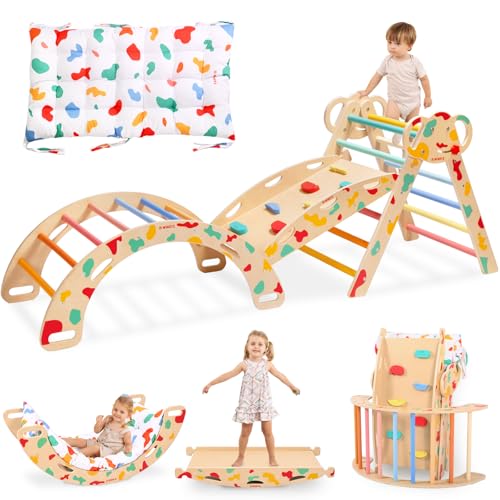
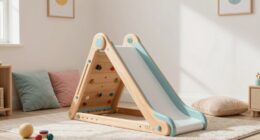
WINGYZ Pikler Triangle Set, Montessori Foldable 8-in-1 Jungle Gym & Reversible Animal Slide, Patent-Protected Climbing Set, Safe 2.35" Gap ASTM F963 Standards for Toddlers 18 Months-7 Years (Rainbow)
PICTURE THIS: YOUR CHILD’S EYES LIGHT UP — Imagine the delight as they discover a rainbow climbing wonderland....
As an affiliate, we earn on qualifying purchases.
Frequently Asked Questions
What Safety Equipment Is Recommended for Participants?
You should guarantee participants wear protective gear like helmets, knee pads, and gloves to prevent injuries. Follow safety guidelines that include proper supervision, clear instructions, and regular equipment checks. Make sure the obstacles are designed to minimize risks, and encourage participants to listen to safety cues. By prioritizing protective gear and adhering to safety guidelines, you create a safer environment where everyone can enjoy the challenge with reduced injury risk.
How Much Space Is Needed for a Standard Course?
Did you know that a typical outdoor obstacle course needs about 1,000 to 2,000 square feet? For your course, you’ll want to take into account space requirements carefully. Usually, course dimensions range from 30 to 50 feet in length and 15 to 25 feet in width, depending on the obstacles. Make sure you allocate enough room for safe movement and variety, customizing the size to fit your available space and participant age.
What Age Groups Are Suitable for the Course?
You should tailor your obstacle course to suit children of different ages, typically from preschoolers to preteens. For younger kids, include softer, lower obstacles with close supervision, while older kids can handle more challenging, higher elements. Keep child supervision in mind, ensuring the course can be customized for safety and skill levels. This way, everyone stays safe and engaged, regardless of their age.
How Often Should the Course Be Inspected and Maintained?
You should inspect your outdoor obstacle course weekly to guarantee safety and identify any wear or damage. Follow a regular inspection schedule, paying close attention to equipment stability and surface conditions. Incorporate maintenance tips like tightening loose bolts, replacing worn-out parts, and cleaning surfaces to prevent hazards. Consistent inspections and maintenance help keep your course safe, durable, and enjoyable for everyone using it.
Are There Eco-Friendly Materials for Construction?
Yes, you can use eco-friendly materials for your obstacle course. Opt for sustainable materials like bamboo, reclaimed wood, and recycled resources, which diminish environmental impact. These options are durable and safe for participants while helping you minimize your carbon footprint. By choosing recycled plastics or rubber for certain elements, you also promote sustainability. Incorporating these eco-friendly materials ensures your course is both fun and environmentally responsible.
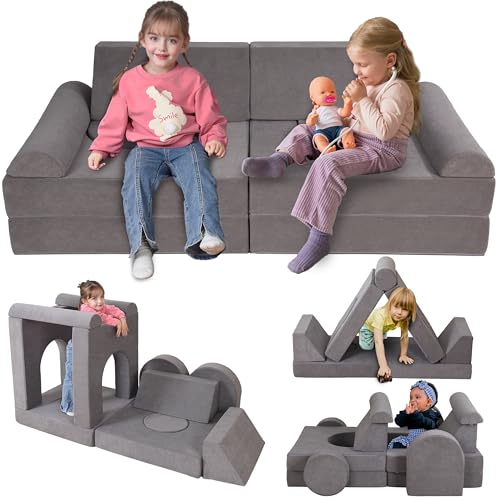
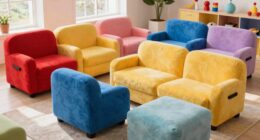
Winhomish 12-Piece Modular Kids Play Couch – Premium Soft Foam, Removable Cover, Comfortable & Safe Toddler Couch for Children 1-6 Years, Portable & Easy to Clean, Ideal for Living Room & Playroom
Premium Quality Modular Design – The Winhomish 12-piece kids modular play couch offers a luxurious and customizable solution...
As an affiliate, we earn on qualifying purchases.
Conclusion
Now that you’ve crafted your outdoor obstacle course, you’re the architect of adventure, turning your backyard into a thrilling jungle gym. With each obstacle, you’re weaving a tapestry of challenge and fun, inviting friends and family to leap, crawl, and conquer. This course isn’t just a collection of obstacles; it’s a wild, pulse-pounding journey where laughter echoes like thunder and excitement blooms like wildflowers. Your outdoor playground is ready to ignite endless adventures under the open sky.

Erament 22Pcs Modular Kids Play Couch for Toddler - Kids Sofa Bed for Playroom, Convertible Furniture Ocean Theme Modular Sofa Building Fort for Inspiring Creativity
22 PCS Kids Play Couch : This toddler couch set features 22 pieces: Big circle*2, Small circle*2, Wave...
As an affiliate, we earn on qualifying purchases.

GITAWUSA 18Pcs Play Couch for Kids,Modular Kids Play Couch for Playroom Bedroom Living Room,Multifunctional Convertible Sofa for Boys & Girls
18pcs Modular Design :The modular sofa has 18 pieces: Big Square block*2,Semicircle*4, concave block*2, Triangular prism*2,Circular*2,Big triangle*2,Small Square...
As an affiliate, we earn on qualifying purchases.