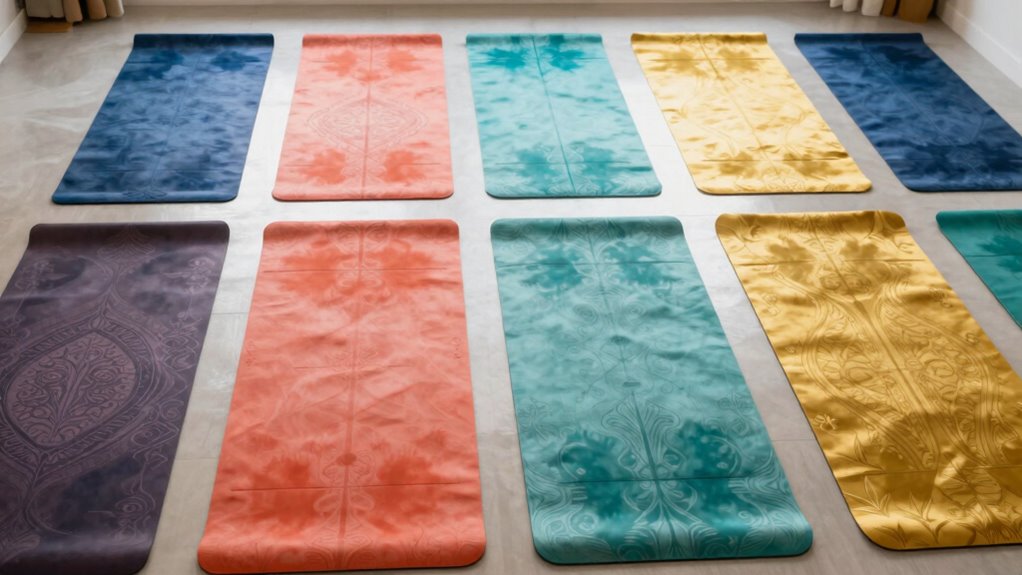

A premium yoga mat should match your practice, not just feel thick or look polished. I rank the Manduka PRO Yoga Mat as the best overall for its substantial 6mm cushioning and durable design, while the Gaiam Dry-Grip stands out for hot yoga and the Manduka PROlite for a lighter, more portable feel. The main tradeoffs are grip when sweaty, cushioning versus stability, and the weight and care needs that come with different materials. A thick mat can ease pressure on joints, but it may feel less grounded in balance poses. Read on for the full breakdown and guidance on choosing a mat that fits your routine.

Turn the school run and nap time into listening time
- Thousands of audiobooks, podcasts and originals
- Listen on your phone, tablet or Echo — also offline
- Cancel anytime
Complete the kit

Key Takeaways
The Manduka PRO and PROlite serve different priorities: the 6mm PRO favors cushioning and a substantial feel, while the 4.7mm PROlite is the more portable choice.
Hot yoga calls for a grip-first decision: Gaiam Dry-Grip and the sweat-activated PU options are more practice-specific than general-purpose mats.
Thickness alone does not define comfort: the 6mm Gaiam and Manduka mats emphasize cushioning, while 4mm options can feel steadier underfoot.
Alignment features are a distinct advantage: the natural-rubber mat with alignment lines may help with positioning, but the markings are less useful to experienced practitioners who prefer an uninterrupted surface.
Gaiam offers several different entry points: its reversible, classic-print, thick, and 6mm print mats vary by cushioning and surface format, so buyers should compare the exact model rather than relying on the brand name.
| Manduka PROlite Yoga Mat 4.7mm |  | Best Overall for Frequent Practice | Material: Polyvinyl chloride (PVC), latex-free | Thickness: 4.7 mm | Dimensions: 71 x 24 inches | VIEW ON AMAZON | See Our Full Breakdown |
| Gaiam Yoga Mat – Premium 6mm Reversible Non-Slip Exercise & Fitness Mat for Yoga, Pilates & Floor Workouts |  | Best Value for Cushioning and Versatility | Material: Polyvinyl chloride (PVC) | Thickness: 6 mm | Dimensions: 68 x 24 inches | VIEW ON AMAZON | See Our Full Breakdown |
| Gaiam Thick Yoga Mat with Carrying Strap |  | Best for Joint Cushioning at Home | Material: Nitrile butadiene rubber (NBR) | Thickness: 10 mm (0.39 inches) | Dimensions: 72 x 24 inches | VIEW ON AMAZON | See Our Full Breakdown |
| Premium PU Yoga Mat with Non-Slip Grip and Arch-Shaped Design |  | Best for Sweaty Practice and Extra Width | Surface material: PU | Base material: Natural rubber | Dimensions: 72 x 26 inches | VIEW ON AMAZON | See Our Full Breakdown |
| Manduka PRO Yoga Mat – 6mm |  | Best Premium for a Permanent Practice Space | Material: Polyvinyl chloride (PVC), latex-free | Thickness: 6 mm (0.24 inches) | Dimensions: 71 x 26 inches | VIEW ON AMAZON | See Our Full Breakdown |
| Gaiam Yoga Mat Classic Print, 4mm Non-Slip |  | Best Lightweight Pick | Material: Polyvinyl chloride (PVC) | Thickness: 4mm (0.16 inches) | Dimensions: 68 x 24 inches | VIEW ON AMAZON | See Our Full Breakdown |
| Gaiam Dry-Grip Yoga Mat, Non-Slip, Hot Yoga |  | Best for Hot Yoga | Material: PVC | Thickness: 5mm | Dimensions: 68 x 24 inches | VIEW ON AMAZON | See Our Full Breakdown |
| Premium Yoga Mat – Sweat-Activated Non-Slip PU Grip and Natural Rubber Base, 4mm |  | Best Premium Grip and Space | Material: PU and natural rubber | Thickness: 4mm | Dimensions: 72 x 27 inches | VIEW ON AMAZON | See Our Full Breakdown |
| Yoga Mat – Non Slip Natural Rubber Yoga Mat with Alignment Lines and Ultimate Grip |  | Best for Alignment Practice | Material: PU and natural rubber | Thickness: 0.2 inches | Dimensions: 74.8 x 26.8 inches | VIEW ON AMAZON | See Our Full Breakdown |
| Gaiam Premium Yoga Mat, 6mm Thick Print Mat |  | Best for Cushioning | Material: Polyvinyl chloride (PVC) | Thickness: 6mm | Dimensions: 68 x 24 inches | VIEW ON AMAZON | See Our Full Breakdown |
| yoga mat premium | Dimensions | Weight | Material | Thickness |
|---|---|---|---|---|
| Manduka PROlite Yoga Mat 4.7mm | 71 x 24 inches | 4.2 lbs | Polyvinyl chloride (PVC), latex-free | 4.7 mm |
| Gaiam Yoga Mat | 68 x 24 inches | 3.1 lbs | Polyvinyl chloride (PVC) | 6 mm |
| Gaiam Thick Yoga Mat with Carr | 72 x 24 inches | 2.8 lbs (1.27 kg) | Nitrile butadiene rubber (NBR) | 10 mm (0.39 inches) |
| Premium PU Yoga Mat with Non-S | 72 x 26 inches | 2.5 kg | — | — |
| Manduka PRO Yoga Mat | 71 x 26 inches | 7.5 lbs | Polyvinyl chloride (PVC), latex-free | 6 mm (0.24 inches) |
| Gaiam Yoga Mat Classic Print | 68 x 24 inches | 2.1 pounds | Polyvinyl chloride (PVC) | 4mm (0.16 inches) |
| Gaiam Dry-Grip Yoga Mat | 68 x 24 inches | 4.25 pounds | PVC | 5mm |
| Premium Yoga Mat | 72 x 27 inches | 6.2 pounds | PU and natural rubber | 4mm |
| Yoga Mat | 74.8 x 26.8 inches | 7.28 pounds | PU and natural rubber | 0.2 inches |
| Gaiam Premium Yoga Mat | 68 x 24 inches | 3.1 pounds | Polyvinyl chloride (PVC) | 6mm |
More Details on Our Top Picks
Manduka PROlite Yoga Mat 4.7mm
The Manduka PROlite makes the strongest all-around case for a premium mat if you want lasting support without the bulk of a studio-heavy model. Its 4.7mm PVC cushioning balances joint comfort with a stable feel for standing poses, while the construction is designed for repeated use. Compared with the 6mm Manduka PRO Yoga Mat, the PROlite is easier to carry at 4.2 pounds, though it gives up some cushioning and width. Its grip is described as improving with use, so it may suit a regular practitioner more than someone expecting a ready-to-go tacky surface straight out of the package. The tradeoffs are its care requirements—hand washing and hanging to dry—and a weight that still feels substantial for daily commuting.
Pros:- Durable construction suited to frequent practice
- 4.7mm cushioning supports joints while retaining stability
- Lighter than the 6mm Manduka PRO
- Latex-free PVC with a grip described as improving over time
Cons:- At 4.2 pounds, it is still a noticeable carry
- Requires hand washing and hanging to dry
- Grip may take time to improve with use
Best for: Regular home or studio practitioners who want a durable, supportive mat but need something lighter than the full-size Manduka PRO.
Not ideal for: Commuters seeking an ultralight mat or buyers who want plush cushioning and a reliably grippy surface from the first session.
- Material:Polyvinyl chloride (PVC), latex-free
- Thickness:4.7 mm
- Dimensions:71 x 24 inches
- Weight:4.2 lbs
- Color:Midnight
- Care:Hand wash only; hang dry
Our verdict“Choose the PROlite for a durable, balanced premium mat that is more portable than the Manduka PRO without becoming a thin travel-style option.”
Gaiam Yoga Mat – Premium 6mm Reversible Non-Slip Exercise & Fitness Mat for Yoga, Pilates & Floor Workouts
The Gaiam Premium 6mm Reversible Mat is the versatile pick for buyers who want extra cushioning and a usable surface on either side, rather than the long-service construction focus of the Manduka models. Its textured reversible surfaces give you two options for grip and appearance, and the 3.1-pound weight is easier to manage than the 7.5-pound Manduka PRO. The thicker padding can feel more forgiving during Pilates or floor work, though it may be less firm underfoot than the 4.7mm Manduka PROlite during balance poses. It is made without harmful phthalates and includes a downloadable yoga workout, which adds beginner-friendly utility. The compromise is a possible harmless odor when first opened, plus fewer color options than buyers seeking a more distinctive premium mat.
Pros:- Reversible textured surfaces offer two usable sides
- 6mm thickness adds comfort for floor-based exercise
- Weighs less than the Manduka PRO
- Made without harmful phthalates and includes a downloadable workout
Cons:- May have a harmless odor when first unwrapped
- Cushioning may feel less stable for balance work than a thinner mat
- Limited color selection
Best for: Newer yoga and Pilates practitioners who want a cushioned, reversible mat for home workouts and occasional studio use.
Not ideal for: Experienced practitioners prioritizing a firm, long-term studio mat or buyers who need a wider surface than 24 inches.
- Material:Polyvinyl chloride (PVC)
- Thickness:6 mm
- Dimensions:68 x 24 inches
- Weight:3.1 lbs
- Color:Lunar Wave
- Design:Reversible with textured surfaces
- Included:Downloadable yoga workout
Our verdict“Pick this Gaiam if cushioning, reversibility, and manageable carry weight matter more than the firmer feel and durability emphasis of Manduka’s premium mats.”
Gaiam Thick Yoga Mat with Carrying Strap
If comfort on hard floors comes before a firm, precise stance, the Gaiam Thick Yoga Mat is the most cushioned choice in this group. Its 10mm NBR foam offers substantially more padding than the 6mm Gaiam reversible mat or either Manduka, which can make kneeling and seated floor work gentler. At 2.8 pounds, it is also lighter than those thicker premium PVC options, and the included strap makes carrying it straightforward. That plush feel has a clear cost: the mat is less firm, so standing balance poses may feel less grounded than on the Manduka PROlite. It is best treated as a home-workout comfort mat, not a close substitute for a stable studio surface. A possible initial foam odor is another tradeoff.
Pros:- 10mm foam provides the thickest cushioning among these five picks
- Lightweight at 2.8 pounds for its thickness
- Carrying strap supports easy transport and storage
- Textured surface and easy-care material suit home workouts
Cons:- Soft cushioning can feel less stable during balance poses
- May have an initial foam odor that fades
- NBR foam does not offer the same firm feel as the Manduka mats
Best for: Home exercisers with sensitive knees or wrists who practice on hard floors and want a light mat with substantial padding.
Not ideal for: Practitioners focused on standing balance, firm alignment feedback, or a dense studio mat built around a stable feel.
- Material:Nitrile butadiene rubber (NBR)
- Thickness:10 mm (0.39 inches)
- Dimensions:72 x 24 inches
- Weight:2.8 lbs (1.27 kg)
- Color:Green
- Surface:Textured
- Included:Carrying strap
Our verdict“Choose this Gaiam for cushioned home practice and floor exercises, but pick a Manduka if stable standing poses are your priority.”
Premium PU Yoga Mat with Non-Slip Grip and Arch-Shaped Design
For practitioners who need confident traction as perspiration builds, this PU-and-natural-rubber mat offers a different premium proposition from the cushioning-led Manduka PRO. Its sweat-activated surface is designed to gain grip with moisture, while the 26-inch width gives more lateral room than the 24-inch Gaiam options and Manduka PROlite. The arch-shaped design adds a visual guide to the practice area, and the included carry-and-stretch strap serves two purposes. The tradeoffs are practical: at 2.5 kg, it is heavier than the PROlite, and the product calls for wiping with a damp cloth. Moisture marks may also appear during use. Since thickness is not provided in the supplied specifications, buyers cannot compare its cushioning directly with the 6mm Manduka PRO.
Pros:- Sweat-activated PU surface is designed to improve traction as moisture builds
- 26-inch width offers more room than the 24-inch options
- Natural rubber base supports stability
- Included strap works for carrying and stretching
Cons:- Weighs 2.5 kg, making it heavier to carry than the Manduka PROlite
- Requires wiping with a damp cloth for maintenance
- Moisture marks may appear during practice
Best for: Sweaty-flow practitioners who want a moisture-responsive grip and extra width for broader movement.
Not ideal for: Frequent transit commuters seeking a lightweight mat, or buyers who need a stated thickness and simple low-maintenance care.
- Surface material:PU
- Base material:Natural rubber
- Dimensions:72 x 26 inches
- Weight:2.5 kg
- Color:Dusty Pink
- Grip:Sweat-activated non-slip surface
- Included accessory:Carry and stretch strap
Our verdict“Choose this mat for moisture-responsive grip and extra width, provided its weight and wipe-down care suit your routine.”
Manduka PRO Yoga Mat – 6mm
The Manduka PRO is the premium choice for buyers who want a substantial mat to keep at home or in a studio, not one to carry every day. Its 6mm cushioning, 26-inch width, and closed-cell surface prioritize stable support and a surface designed to resist moisture. Compared with the lighter Manduka PROlite, it offers more width and thickness, but its 7.5-pound weight makes it far less convenient to transport. The PROlite is the better fit for regular commutes; this model makes more sense when durability and a roomy practice area outrank portability. Its PVC construction is latex-free and OEKO-TEX certified, though buyers seeking a natural-material mat may prefer the PU-and-rubber option. Specific cleaning requirements also add upkeep.
Pros:- 6mm cushioning and 26-inch width provide a substantial practice surface
- Durable construction suited to repeated studio or home use
- Closed-cell surface is designed to resist moisture
- Latex-free and OEKO-TEX certified
Cons:- At 7.5 pounds, it is the heaviest option among these five
- PVC may not suit buyers seeking natural materials
- Requires specific cleaning products
Best for: Dedicated home practitioners and studio teachers who want a wide, durable mat and can leave it at their practice space.
Not ideal for: Yoga commuters, travelers, or buyers who avoid PVC and want a lighter mat that needs less care.
- Material:Polyvinyl chloride (PVC), latex-free
- Thickness:6 mm (0.24 inches)
- Dimensions:71 x 26 inches
- Weight:7.5 lbs
- Color:Midnight
- Surface:Closed-cell
- Certification:OEKO-TEX certified
Our verdict“Choose the Manduka PRO for a stable, roomy mat that can stay in one place, and choose the PROlite if you need to carry your mat regularly.”
Gaiam Yoga Mat Classic Print, 4mm Non-Slip
I’d rank this as the straightforward portable choice in this group: at 2.1 pounds, it’s lighter to carry than the Gaiam Dry-Grip Yoga Mat and the rubber-based mats, while its textured surface provides basic traction for yoga, Pilates, and floor workouts. Its 4mm thickness offers some cushioning, but less joint padding than the 6mm Gaiam Premium Yoga Mat. The 68-by-24-inch format is a familiar, easy-to-pack size rather than an expansive practice area. Non-toxic PVC and a downloadable workout add practical appeal, though this is a simpler mat than the sweat-focused Dry-Grip or the wider PU-and-rubber options. I’d choose it for light carrying and everyday sessions, not for premium-level cushioning or reliable grip through heavy sweating.
Pros:- At 2.1 pounds, it is the lightest option among these five products
- Textured surface provides traction for everyday yoga and Pilates
- Standard 68-by-24-inch size is easy to carry and store
- Includes a downloadable yoga workout
Cons:- 4mm thickness provides less cushioning than the 6mm Gaiam Premium Yoga Mat
- PVC surface is not as sweat-focused as the Gaiam Dry-Grip design
- May have an initial odor and can fade or become brittle with prolonged sun exposure
Best for: Commuters and casual practitioners who want a light, standard-size mat for studio classes and general floor workouts
Not ideal for: Hot-yoga practitioners, taller users wanting extra room, or anyone seeking plush joint cushioning
- Material:Polyvinyl chloride (PVC)
- Thickness:4mm (0.16 inches)
- Dimensions:68 x 24 inches
- Weight:2.1 pounds
- Color:Pink Marrakesh
- Included:Yoga mat
- Additional:Free downloadable yoga workout
Our verdict“Choose this Gaiam if low carry weight matters more than extra cushioning, sweat-specific grip, or a wider practice area.”
Gaiam Dry-Grip Yoga Mat, Non-Slip, Hot Yoga
For heated classes, I’d put this ahead of the Gaiam Yoga Mat Classic Print because its moisture-wicking surface is designed to maintain grip during sweaty sessions. The 5mm thickness also gives it more cushioning than that 4mm mat, without moving into the extra-thick feel of the Gaiam Premium Yoga Mat. At 4.25 pounds, it remains manageable to carry, though it weighs about twice as much as the Classic Print. Its PVC construction and stated exclusions of several compounds may appeal to buyers comparing material details, but it is not a natural-rubber alternative like the wider PU mats in this roundup. I’d pick it for hot yoga or high-sweat training; for low-sweat practice, its specialized grip may matter less than a lighter or roomier mat.
Pros:- Moisture-wicking surface is designed for grip during sweaty practice
- 5mm thickness adds cushioning compared with the 4mm Gaiam Classic Print
- Suitable for yoga, Pilates, and general fitness
- Listed free of latex, DEHP, DBP, BBP, DINP, DIDP, and DNOP
Cons:- At 4.25 pounds, it is heavier than the Gaiam Classic Print
- PVC construction may not suit buyers seeking a natural-rubber mat
- May have a strong initial odor and can fade or become brittle with prolonged sun exposure
Best for: Hot-yoga students and fitness practitioners whose hands and feet tend to sweat during sessions
Not ideal for: People who prioritize a very light mat, a natural-rubber base, or extra-wide room for movement
- Material:PVC
- Thickness:5mm
- Dimensions:68 x 24 inches
- Weight:4.25 pounds
- Color options:Black, blue, purple
- Free of:Latex, DEHP, DBP, BBP, DINP, DIDP, DNOP
- Intended activities:Hot yoga, Pilates, and general fitness
Our verdict“Pick the Dry-Grip if sweaty practice is your main challenge and you can accept more weight than the Classic Print.”
Premium Yoga Mat – Sweat-Activated Non-Slip PU Grip and Natural Rubber Base, 4mm
This is my pick for practitioners who want a wide, sweat-responsive surface rather than a conventional portable mat. Its 72-by-27-inch footprint gives more room than the 68-by-24-inch Gaiam Dry-Grip, and the PU top with natural-rubber base is designed to hold traction as moisture builds. The 4mm thickness provides a balance of cushioning and stability, but it won’t feel as padded as the 6mm Gaiam Premium Yoga Mat. The tradeoff is substantial carry weight: at 6.2 pounds, it is far less convenient to tote than either Gaiam. Natural rubber may also have a noticeable initial scent. I’d choose it for a spacious home or studio practice where grip and room matter more than easy transport.
Pros:- Sweat-activated PU surface is designed to maintain traction during sweaty practice
- 72-by-27-inch dimensions provide more movement space than standard Gaiam mats
- Natural-rubber base pairs grip with a stable foundation
- Toxin-free materials are stated in the product description
Cons:- At 6.2 pounds, it is considerably heavier than the Gaiam Dry-Grip
- 4mm thickness offers less cushioning than the 6mm Gaiam Premium Yoga Mat
- Natural rubber may have a noticeable initial scent
Best for: Dedicated practitioners who want extra width and sweat-activated traction for dynamic yoga, Pilates, or strength sessions
Not ideal for: Studio commuters seeking a lightweight mat, or buyers who prefer PVC or want thicker cushioning for sensitive joints
- Material:PU and natural rubber
- Thickness:4mm
- Dimensions:72 x 27 inches
- Weight:6.2 pounds
- Color:Dark green
- Surface:Sweat-activated PU grip
- Base:Natural rubber
Our verdict“Choose this mat for a roomy, grippy practice space if you are willing to trade portability and extra cushioning.”
Yoga Mat – Non Slip Natural Rubber Yoga Mat with Alignment Lines and Ultimate Grip
I’d choose this mat over the wider Premium Yoga Mat with Sweat-Activated PU Grip when alignment guidance is part of the purchase: its printed guide lines offer a visual reference for hand and foot placement, which can help structure solo practice. It is also longer at 74.8 inches, while remaining slightly narrower at 26.8 inches. The PU top and natural-rubber backing are designed for grip on both sides, and the carry strap and storage bag help manage its 7.28-pound weight. That weight makes it a poor match for frequent walks to class compared with the lighter Gaiam Dry-Grip. Hand-wash-only care adds another limitation. I’d rank it for home practitioners who value alignment cues and generous length more than quick cleaning or low carry weight.
Pros:- Alignment guide lines provide visual cues for positioning
- 74.8-inch length offers more room than the standard-size Gaiam mats
- PU top and natural-rubber backing are designed for grip on both sides
- Carry strap and storage bag are included
Cons:- At 7.28 pounds, it is heavier than the Gaiam Dry-Grip and the other mats in this batch
- Hand-wash-only care requires more attention than a simpler routine
- Its 0.2-inch thickness is listed, but cushioning is not described as precisely as the 4mm and 6mm alternatives
Best for: Home practitioners who want alignment cues, extra length, and a storage set for organized practice
Not ideal for: Frequent studio commuters, buyers who need machine-friendly cleaning, or anyone prioritizing a light mat
- Material:PU and natural rubber
- Thickness:0.2 inches
- Dimensions:74.8 x 26.8 inches
- Weight:7.28 pounds
- Color:Black
- Grip design:Dual-side non-slip design
- Included accessories:Carry strap and storage bag
- Cleaning:Hand wash only
Our verdict“Choose this mat if alignment guides and extra length matter more than light transport and easy cleaning.”
Gaiam Premium Yoga Mat, 6mm Thick Print Mat
Among the PVC mats here, I’d select this one for buyers who put joint comfort first. Its 6mm thickness is greater than the Gaiam Dry-Grip’s 5mm and the Classic Print’s 4mm, adding a softer buffer for kneeling poses and floor exercises. The textured surface is intended to provide traction for home or studio use, but unlike the Dry-Grip, it is not described as moisture-wicking for hot yoga. At 3.1 pounds, it is lighter than the Dry-Grip and far easier to carry than the PU-and-rubber mats, though it still weighs more than the 4mm Classic Print. Non-toxic PVC and a downloadable workout add practical touches; the tradeoff is that PVC is not a natural-material alternative. I’d choose it for added padding, not for sweat-focused grip or the lightest possible kit.
Pros:- 6mm thickness provides more cushioning than the other Gaiam mats in this batch
- Textured surface is designed to support traction during yoga and Pilates
- At 3.1 pounds, it is lighter than the Gaiam Dry-Grip and the rubber-based mats
- Includes a free downloadable yoga workout
Cons:- PVC may not appeal to buyers seeking a natural-material mat
- Not described as moisture-wicking like the Gaiam Dry-Grip
- May have an initial odor and can feel heavy to users prioritizing maximum portability
Best for: Yoga and floor-workout practitioners who want added padding for kneeling or sensitive joints in a standard-size mat
Not ideal for: Hot-yoga users seeking moisture-specific grip, or buyers who prefer natural rubber and a wider practice area
- Material:Polyvinyl chloride (PVC)
- Thickness:6mm
- Dimensions:68 x 24 inches
- Weight:3.1 pounds
- Color:Midnight Mandala
- Surface:Textured non-slip
- Included:Yoga mat
- Additional:Free downloadable yoga workout
Our verdict“Pick this Gaiam for extra cushioning in a standard-size mat, but choose the Dry-Grip for sweaty classes.”

How We Picked
I compared these ten mats by the factors that shape daily practice: grip, cushioning, stability, portability, material, and care needs. I also considered whether a feature serves a clear buyer need, such as sweat-activated traction for hot yoga, alignment lines for pose placement, or a thinner profile for carrying to class. A premium label alone did not earn a higher position; the mat had to offer a useful combination of performance and fit.
The ranking favors versatility first, then gives specialized options a place when their strengths are clear. That puts the Manduka PRO ahead as a substantial all-rounder, while the PROlite ranks for portability and the Dry-Grip and PU mats for sweaty sessions. Gaiam’s varied 4mm and 6mm designs offer accessible choices, but buyers need to weigh their individual surface and thickness preferences. Product descriptions do not establish exact weights, care requirements, or long-term wear, so I avoid treating those details as proven advantages.
| yoga mat premium | Material |
|---|---|
| Manduka PROlite Yoga Mat 4.7mm | Polyvinyl chloride (PVC), latex-free |
| Gaiam Yoga Mat | Polyvinyl chloride (PVC) |
| Gaiam Thick Yoga Mat with Carr | Nitrile butadiene rubber (NBR) |
| Premium PU Yoga Mat with Non-S | — |
| Manduka PRO Yoga Mat | Polyvinyl chloride (PVC), latex-free |
| Gaiam Yoga Mat Classic Print | Polyvinyl chloride (PVC) |
| Gaiam Dry-Grip Yoga Mat | PVC |
| Premium Yoga Mat | PU and natural rubber |
| Yoga Mat | PU and natural rubber |
| Gaiam Premium Yoga Mat | Polyvinyl chloride (PVC) |
Factors to Consider When Choosing Yoga Mat Premium
Before choosing a premium mat, I would match its feel and format to the way you actually practice. A mat that suits a warm studio may be unnecessary for gentle home sessions, and extra thickness can help one buyer while making balance work harder for another. These broader factors can help narrow the field beyond any single product description.
Choose Grip for Your Sweat Level
Grip depends on both the mat surface and how much you sweat, so a surface that feels secure in a cool room may behave differently in a heated class. If your hands regularly slip, prioritize a mat designed for sweaty practice rather than assuming every non-slip label promises the same result. Sweat-activated PU and hot-yoga-specific surfaces are aimed at that need, while a general-purpose mat may suit a cooler routine. Some materials also need careful cleaning or drying, so check the maker’s care instructions before buying. A common mistake is choosing based on dry-hand feel alone; think about the conditions of your most demanding session.
Balance Cushioning Against Stability
Thicker mats can make kneeling and floor-based poses more comfortable, but a soft or elevated feel may reduce steadiness in standing balances. If joint comfort is a priority, think about where you need padding most and whether a thicker mat supports your whole practice. If you often work on one foot or move through precise transitions, a thinner surface may feel more connected to the floor. Buyers sometimes treat millimeter measurements as a direct measure of comfort, even though material firmness also shapes the feel. When possible, compare the mat’s texture and firmness as well as its stated thickness.
Account for Carrying and Storage
A mat used only at home can be heavier and bulkier than one carried across town several times a week. Consider how you will transport it, whether it fits your storage space, and whether a carrying strap is included or needs to be purchased separately. A compact choice may be easier to bring to class, but it can involve a tradeoff in cushioning or surface area. Do not overlook the mat’s rolled dimensions; thickness can make a rolled mat occupy more room than expected. Pick for your regular routine rather than an occasional trip.
Check Material Care Before Committing
Premium mats can use different surface and base materials, and those materials may call for different cleaning methods. Before purchase, check whether the maker permits sprays, soaking, or machine washing instead of assuming every mat can be cleaned the same way. Sweat-resistant grip can be useful, but a surface that needs specific care may be a poor fit if you want a quick wipe-down after class. Natural rubber and PU are material choices to research for maintenance guidance and personal preferences. A simple care routine that you will follow can matter more than a feature you rarely use.
Pay for Features You Will Use
Spending more makes sense when a mat’s construction or specialist feature solves a recurring problem, such as slipping in heated classes or needing a durable surface for frequent practice. A buyer who practices occasionally at home may get more value from a straightforward 4mm or 6mm option than from a specialist grip surface. Alignment markings can support self-guided practice, but they are not necessary for everyone. Compare the practical benefits against weight, care, and portability rather than treating premium as a guarantee of better fit. The right value is the mat that suits your routine without adding features you will ignore.
Frequently Asked Questions
Is a 6mm yoga mat better than a 4mm mat?
Neither thickness is better for every practitioner. A 6mm mat can provide more padding for kneeling and floor poses, while a 4mm mat may feel firmer and more stable during balance work. Thickness alone does not tell you how soft the mat feels, since material construction also matters. If you have sensitive joints, prioritize cushioning; if you regularly carry your mat or value a grounded feel, compare thinner options too. The Gaiam and Manduka choices in this roundup show why thickness should be matched to use rather than treated as a quality ranking.
Do I need a hot-yoga mat if my hands get sweaty?
A hot-yoga-focused surface may be a useful choice if slipping repeatedly interrupts your practice, but the best option depends on how much you sweat and your studio conditions. The Gaiam Dry-Grip and sweat-activated PU mats are the specialist choices here, unlike the more general-purpose mats. Check the care instructions, since sweat-oriented surfaces may have specific cleaning needs. If you practice in a cool room and rarely sweat, a general mat may be enough. A towel can also be an alternative, though it changes the feel and setup of your practice.
Should I choose a natural-rubber mat or a PU mat?
Start with the surface feel and grip behavior you want, then check the maker’s care guidance for each specific mat. This roundup includes a natural-rubber option with alignment lines and PU options designed around grip, but the product names alone do not establish which surface will suit your skin, sweat level, or maintenance habits. Natural rubber and PU can also matter to buyers with material preferences or sensitivities, so review the full materials information before purchasing. If you are unsure, prioritize a clearly described use case and return terms. Do not assume that one material is automatically more durable or easier to clean.
Is an alignment-line mat useful for a beginner?
Alignment lines can offer a visual reference when practicing alone, helping you check hand and foot placement without relying on a class instructor. They are most useful if the markings match poses you practice and do not distract you from learning body cues. The natural-rubber alignment mat is the distinct choice in this lineup for that feature. Beginners should still prioritize a stable surface and suitable cushioning over markings alone. If you attend guided classes or already have a preferred alignment method, the lines may add little value.
How do I choose between a Manduka PRO and PROlite?
The clearest distinction is the balance between a substantial feel and easier portability: the PRO is 6mm thick, while the PROlite is 4.7mm. The PRO is the stronger match if cushioning and a full-size, substantial practice surface matter most. The PROlite makes more sense if you carry your mat to class and want a lighter-feeling alternative. Both are positioned as premium Manduka options, but buyers should still check current manufacturer details for weight, cleaning, and material care. Choose based on your routine rather than assuming the thicker model is automatically the better one.
Conclusion
For the broadest mix of cushioning and everyday practice, I recommend the Manduka PRO as best overall; choose the Manduka PROlite if carrying a substantial mat is a regular part of your routine. For best value, compare the Gaiam 4mm Classic Print and 6mm reversible models against the thickness and surface you actually want, rather than buying by name alone. The PRO is also my best premium pick, while a general-purpose Gaiam 6mm option is a reasonable place for beginners to start if they want extra padding. For hot practice, look first at the Gaiam Dry-Grip or sweat-activated PU mats; for visual pose cues, consider the natural-rubber mat with alignment lines. Your best choice comes down to the tradeoff you want to make: portability, padding, sweat grip, or guidance.
Halloween Picks
halloween
As an affiliate, we earn on qualifying purchases.