To balance freedom and limits during ride-on play, you should set clear safety boundaries that allow children to explore safely while feeling confident. Establish rules about where they can go and what they can do, but also give them some flexibility for fun and creativity. Use safety gear and supervise closely to prevent accidents. If you want to create a secure environment that nurtures independence, there’s more to discover on how to do it effectively.
Key Takeaways
- Establish clear safety boundaries while allowing age-appropriate exploration to foster independence and confidence.
- Use consistent safety rules and signage to help children understand limits without feeling overly restricted.
- Incorporate designated zones for adventurous play, balancing freedom with safety precautions.
- Monitor children’s reactions to boundaries and adjust them to support development and autonomy.
- Provide engaging, imaginative play options within safe environments to encourage responsible exploration.
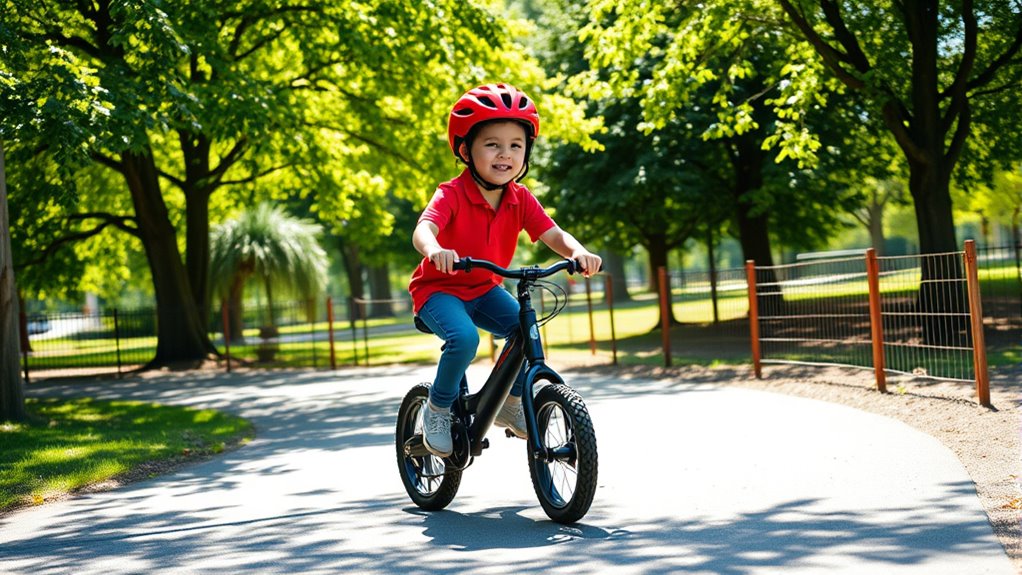
Ride-on toys can be a fun way for children to develop coordination and confidence, but as a parent or caregiver, you need to find the right balance between giving kids freedom to explore and setting necessary limits. The key is to establish safety guidelines that protect your child while still allowing them to enjoy the independence ride-on toys offer. Before your child starts playing, take a moment to inspect the area for potential hazards—like uneven surfaces, sharp objects, or busy streets—and set clear boundaries about where they can and cannot go. Explaining these boundaries in simple terms helps your child understand that safety comes first, making it easier for them to respect your rules.
Creating safety guidelines doesn’t mean you have to restrict all their fun. Instead, you can set rules that are easy to follow. For example, instruct your child to wear helmets, knee pads, and elbow pads whenever they’re on their ride-on toy. Make sure they understand the importance of staying within designated play areas and avoiding steep inclines or uneven terrains that could lead to falls or injuries. Consistently reinforcing these safety rules helps your child develop good habits that will serve them well as they grow.
Set simple safety rules like wearing helmets and staying within designated play areas to protect your child.
While safety is essential, it’s equally important to establish creative boundaries that foster independence and imagination. You want your child to feel free to explore and have fun, but within a framework that keeps them safe. For instance, you could designate specific times or areas for more adventurous play while keeping other zones reserved for more cautious activities. Encourage your child to use their imagination within these boundaries—maybe turning their ride-on into a pretend car or a space rover—so they learn to balance creativity with safety.
Balancing freedom and limits also involves paying attention to your child’s cues. If they seem frustrated or overly restricted, consider whether your boundaries are too tight or if you need to modify them to better suit their developmental stage. Allowing some flexibility within the safety guidelines can help your child feel more in control, boosting their confidence and decision-making skills. Remember, it’s about guiding rather than restricting, helping your child learn how to navigate their environment responsibly.
Additionally, understanding indoor and outdoor air quality and addressing potential hazards in your environment can contribute to your child’s overall safety and well-being, even during playtime. In the end, setting clear safety guidelines and creative boundaries ensures your child enjoys their ride-on toy experience without unnecessary risks. It’s a delicate dance—giving them enough freedom to grow and explore while maintaining a safe environment that nurtures their confidence and safety awareness.

Qnbes Kids Car Gearbox Compatible with Most Children Ride On Toys, 550 12V 40000RPM Drive Motor Gearbox, 2Pcs
Efficient Transmission Power: Kids car gearbox adopts a 24V 550 40000RPM drive motor. After precise manufacturing process, it…
As an affiliate, we earn on qualifying purchases.
As an affiliate, we earn on qualifying purchases.
Frequently Asked Questions
How Can I Encourage Safe Play While Maintaining Fun?
You can encourage safe play by actively supervising your child during ride-on activities and setting clear boundaries. Make sure they wear appropriate safety gear like helmets and pads to protect against falls. Keep play areas free of hazards and teach your child to follow safety rules. By staying involved and reinforcing safety habits, you maintain the fun while ensuring they stay safe during ride-on play.
What Are Effective Ways to Set Boundaries Without Restricting Enjoyment?
Did you know that 80% of playground injuries occur due to equipment failure or unsafe playgrounds? You can set boundaries without restricting enjoyment by establishing clear rules that promote playground safety and regular equipment maintenance. Use positive reinforcement to encourage safe behavior, and involve kids in safety discussions so they understand limits. This way, you foster a fun environment where safety is prioritized, and kids can play freely within healthy boundaries.
How Do I Handle Conflicts Between Children During Ride-On Play?
When conflicts arise during ride-on play, you should encourage sharing and turn-taking to promote fairness. Gently remind children to wait their turn and praise cooperative behavior. Manage competitiveness by emphasizing fun over winning and setting clear rules. If disagreements continue, step in calmly, listen to each child’s perspective, and help them find a compromise. This approach keeps play safe, enjoyable, and respectful for everyone involved.
When Should Limits Be Increased or Decreased for Individual Children?
Think of it as tuning an instrument—you adjust limits based on each child’s progress. When they show increased child independence and confidently handle equipment, you can gradually increase limits to foster growth. Conversely, if they struggle or feel overwhelmed, decrease restrictions to build confidence. Regularly observe their comfort levels and make equipment adjustments accordingly, ensuring they feel both challenged and supported in their ride-on play.
How Can I Teach Children to Self-Regulate During Play?
To teach children to self-regulate during play, you should introduce self-awareness strategies like asking them how they feel and recognizing their emotions. Encourage the use of emotional regulation techniques such as deep breathing or taking a break when overwhelmed. By modeling these behaviors and guiding them through these strategies, you help children develop the skills needed to manage their impulses and stay balanced during play.

Toddler Helmet, Baby Infant Kids Bike Helmet for Kids Age 1-3/2-4/3-5/5-8 Adjustable Toddler Bike Helmets for Boys Girls for Scooter Skateboard Cycling
Great Protection Helmet: Our toddler helmet features a hard PC outer shell that resist impacts, the EPS inner…
As an affiliate, we earn on qualifying purchases.
As an affiliate, we earn on qualifying purchases.
Conclusion
Remember, giving your child freedom during ride-on play fosters independence, but setting clear limits keeps them safe. Studies show that children with balanced boundaries are 30% more likely to develop self-control and confidence. By combining encouragement with gentle restrictions, you help your little one explore confidently while staying protected. So, strike that balance—your guidance shapes their growth, ensuring they enjoy playtime safely and happily as they learn to navigate the world around them.

US Games Color My Class Stars Boundary Markers
9.5" flexible plastic stars
As an affiliate, we earn on qualifying purchases.
As an affiliate, we earn on qualifying purchases.
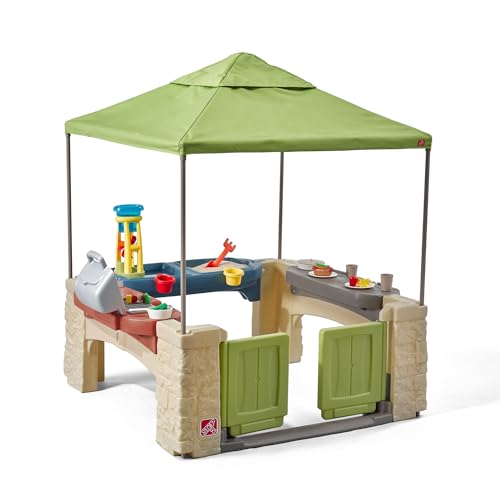
Step2 All Around Playtime Patio with Canopy Playset – Shaded Outdoor Playhouse for Kids with Realistic, Interactive Features, Room for Multiple Toddlers to Play – Dimensions: 60" H x 47.5" W x 47.5" D
FUN PLAYTIME: Entertain your little children for hours with pretend grill, large countertop, water and sand table, supports…
As an affiliate, we earn on qualifying purchases.
As an affiliate, we earn on qualifying purchases.