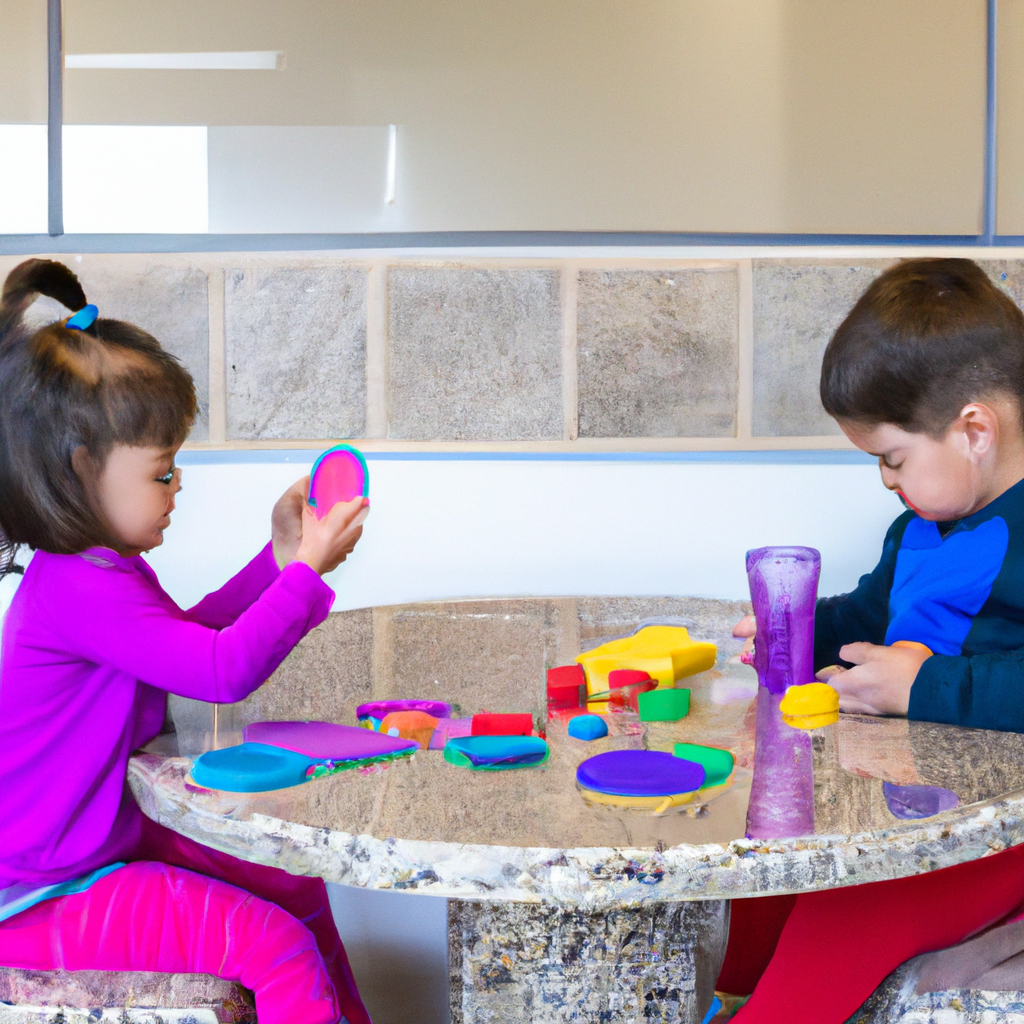
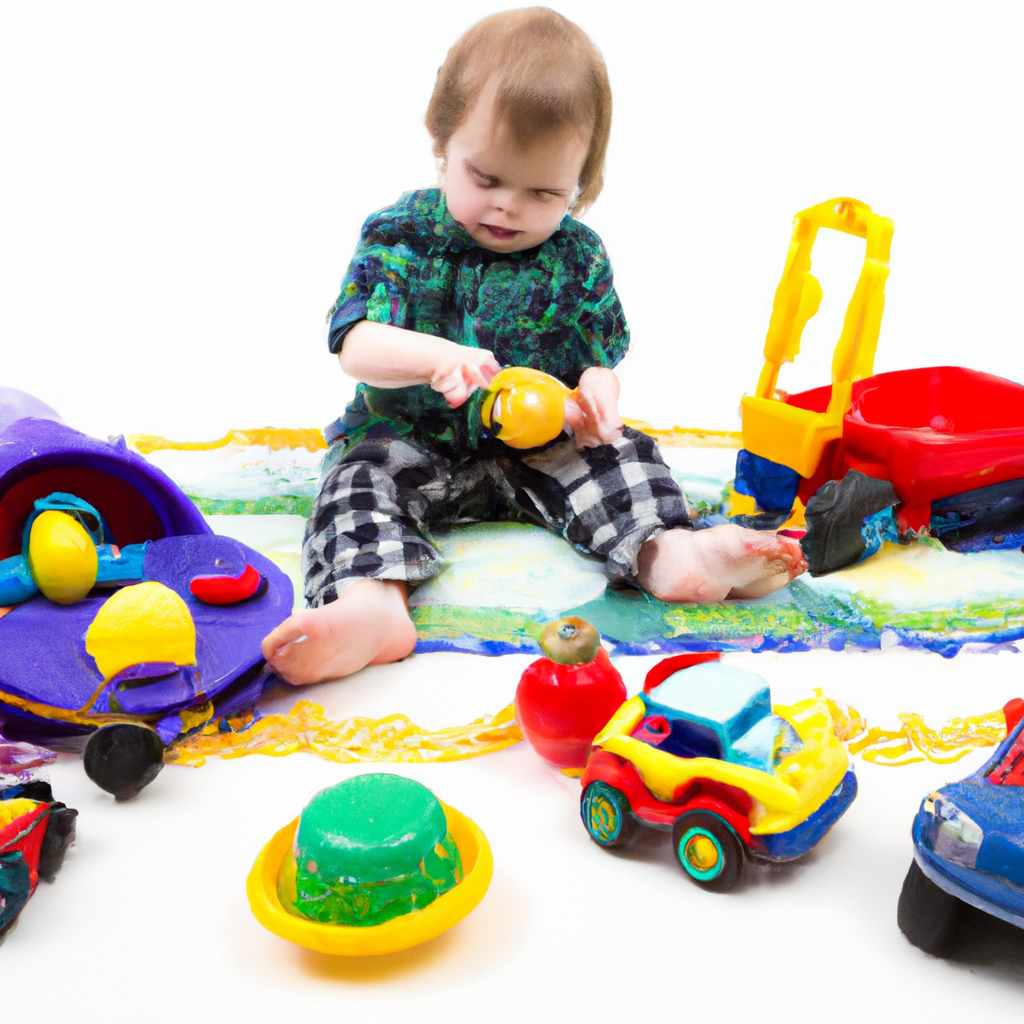
To create inclusive play environments, you should adapt ride-ons to meet diverse needs, ensuring all children can join in and enjoy. Incorporate features like ramps, wide seats with safety belts, and sensory-friendly designs. Involve children and caregivers for feedback, and train staff to support different abilities confidently. These adaptations promote inclusion, empathy, and fun for everyone. Keep exploring further ideas to make your play space truly welcoming for all kids.
Key Takeaways
- Incorporate ramps, lowered platforms, and wide seats to accommodate children with mobility challenges and ensure safe access.
- Use sensory-friendly features like bright colors and quiet operation to support children with sensory sensitivities.
- Involve children and caregivers in the design process to gather insights and tailor adaptations to individual needs.
- Train staff and caregivers on safe operation and supportive techniques to promote inclusive participation.
- Foster a culture of inclusion by celebrating diversity and creating accessible, welcoming play environments for all children.

Have you ever wondered how play spaces can be welcoming to everyone? Creating an inclusive environment means thinking beyond standard playground equipment and considering the diverse needs of all children. When it comes to ride-ons—those fun, mobile play items—you have a unique opportunity to make a difference. By adapting ride-ons for different needs, you guarantee that every child can participate, feel included, and enjoy the thrill of movement. The first step is understanding that children have a wide range of abilities, and what works for one might not work for another. So, you need to be creative and flexible in your approach.
One effective way to adapt ride-ons is to incorporate accessible features. For children with mobility challenges, adding ramps or lowered platforms makes it easier for them to get on and off. You might consider installing wide, stable seats with safety belts for children who require additional support. For kids with sensory sensitivities, choosing ride-ons with smooth, quiet operations can prevent overstimulation. Bright colors and simple designs often appeal to children with autism or sensory processing disorders, helping them feel comfortable rather than overwhelmed. These modifications not only facilitate participation but also send a clear message: everyone is welcome to play.
Another important aspect is involving children and their caregivers in the adaptation process. Their firsthand insights can guide you in selecting or designing ride-ons that truly meet specific needs. For example, parents or therapists might suggest features that enhance safety or comfort, such as padded seats or easy-to-grip handles. Listening to their feedback helps you create a more inclusive space that respects individual preferences and requirements. It can also foster a sense of community, emphasizing that their input is valued. Additionally, incorporating diverse play options ensures that children with different needs find engaging and suitable activities, which aligns with the goal of inclusive play.
Furthermore, training staff and caregivers on how to assist children with different needs is vital. They should be aware of how to operate adaptive ride-ons safely and how to support children who might need help during play. Your role involves not just providing adapted equipment but also ensuring that everyone feels confident and supported while using it. Promoting patience, understanding, and encouragement creates an environment where children are empowered to explore and have fun. When you take these steps, you affirm that play is a universal right, and every child deserves the chance to experience joy and adventure.
Ultimately, adapting ride-ons for different needs is about more than just modifications; it’s about fostering inclusion, empathy, and understanding. When you make deliberate efforts to accommodate all children, you help create a play space where diversity is celebrated and where every child can thrive. Your commitment to inclusive play transforms ordinary playgrounds into vibrant communities where everyone belongs.
Frequently Asked Questions
How Do We Ensure Safety in Adapted Ride-Ons?
You ensure safety in adapted ride-ons by regularly inspecting and maintaining them, checking for loose parts or damages. Always supervise children closely, especially those with special needs. Use appropriate safety features like seat belts or harnesses, and choose ride-ons that meet safety standards. Educate children on proper use, and tailor the ride-on to their abilities. By staying vigilant and proactive, you create a safer, inclusive play environment for everyone.
What Materials Are Best for Inclusive Ride-On Design?
You should choose durable, non-toxic, and smooth materials like high-quality plastics, rubber, or coated metals for inclusive ride-on designs. These materials guarantee safety, longevity, and ease of cleaning, making them suitable for children with various needs. Soft grips and padded areas can enhance comfort and grip, while lightweight components improve maneuverability. Prioritize materials that are sturdy yet gentle, promoting both safety and accessibility for all users.
How Can Parents Participate in Customizing Ride-Ons?
You can participate in customizing ride-ons by involving your child in choosing colors, textures, and accessories that suit their preferences and needs. Collaborate with designers or therapists to modify features like handles, seats, or harnesses for better comfort and safety. Your input helps create a more inclusive experience, ensuring the ride-on is accessible and enjoyable. Stay engaged and creative, making adjustments as your child’s needs evolve.
Are There Cost-Effective Options for Inclusive Ride-Ons?
Yes, there are cost-effective options for inclusive ride-ons. You can look for used or refurbished ride-ons online or at local thrift stores, which often sell gently used equipment at lower prices. DIY modifications can also make existing ride-ons more accessible without extra costs. Additionally, community programs and grants sometimes provide free or discounted adaptive equipment, helping you find affordable solutions to support inclusive play.
How Do We Train Staff to Assist Diverse Users?
You should provide hands-on training that covers different needs and communication styles. Encourage staff to observe and practice assisting diverse users, emphasizing patience and empathy. Use real-life scenarios and role-playing to build confidence. Regularly update training to reflect new strategies and feedback. By fostering a supportive environment, your staff will become more comfortable and effective in helping all children enjoy the ride-ons safely and inclusively.
Conclusion
As you adapt ride-ons to meet every child’s needs, you create a world where laughter and joy fill the air like sunlight breaking through clouds. Picture a child’s beaming smile as they glide smoothly, feeling the wind rush past, free and confident. Your efforts transform playgrounds into vibrant, inclusive spaces—where every giggle and every turn sparks connection and adventure. Together, you’re building a future where no child is left behind on the path to play.