TL;DR

Turn the school run and nap time into listening time
- Thousands of audiobooks, podcasts and originals
- Listen on your phone, tablet or Echo — also offline
- Cancel anytime
National Magazine Day takes place on 14 October 2026, with a UK campaign aiming to distribute more than 60,000 magazines to children and provide bundles to 20 schools. Research cited by MadeForMums suggests magazines can appeal to reluctant readers, but several literacy statistics in the report describe reading generally, not magazine use specifically.
National Magazine Day is being marked in the UK on 14 October 2026 with a campaign to put magazines into children’s hands and a report describing how they may support reading for pleasure. The campaign, led by publisher Immediate with publishing and charity partners, aims to distribute more than 60,000 magazines and provide bundles to 20 schools.
The five proposed benefits, outlined in a MadeForMums report, are that magazines may interest reluctant readers, let children explore subjects they already enjoy, make reading a shared activity, introduce new words and facts, and offer a chance to relax away from screens. These are potential benefits, not a guarantee that every child will respond to magazines in the same way.
The report cites a 2025 Open University study involving Year 5 pupils at 13 UK primary schools. Children who received What on Earth! magazines alongside weekly reading sessions reported greater enjoyment of reading, including pupils previously described as reluctant readers. The study covered one magazine and included regular sessions, so its findings do not establish that magazines alone caused the change or that all titles would have the same effect.
Other figures in the report come from National Literacy Trust research in 2026. It says 36.1% of children aged 8 to 18 enjoy reading in their free time, a slight improvement on the previous year. It also reports that 48.7% of children and young people said reading helped them explore their interests. The figures about learning new things and relaxation apply to children who enjoyed reading and read at least weekly; they measure reading generally, not magazine reading specifically.
Magazines as an Entry to Reading
The campaign arrives amid a reported challenge in getting children to enjoy reading in their free time: the National Literacy Trust figure cited by MadeForMums is 36.1% among 8- to 18-year-olds. Magazines offer a different format from books, with short articles, illustrations and varied topics that can be read in sections. That flexibility may make them a useful option for children who find longer texts less appealing.
The distinction between evidence about magazines and evidence about reading overall matters. The Open University study offers a specific, though limited, finding about one magazine used in structured sessions. The broader literacy statistics describe reading habits and reported benefits more generally. Together, they support trying varied reading materials, but they do not show that magazines by themselves improve literacy or wellbeing.
For families and schools, the practical relevance is that magazines can give children more choice and create opportunities to talk about what they have read. The campaign’s planned school bundles may also bring printed reading material to classrooms. The source does not specify how recipients will be selected or whether the distribution will be evaluated.
As an affiliate, we earn on qualifying purchases.
The 2026 Reading Campaign
National Magazine Day 2026 is part of the National Year of Reading 2026. According to the MadeForMums report, Immediate is leading the campaign with other publishers and charity partners. Its stated aim is to help more children discover reading, with particular attention to children who have limited access to reading materials.
The campaign plans to distribute more than 60,000 magazines across the UK and provide magazine bundles for 20 schools. The report presents these as campaign plans; it does not give a schedule for each delivery or name the participating schools. The article’s five reasons draw on the Open University study and National Literacy Trust research, while also making clear that some findings concern reading in general rather than magazines in particular.
“Broaden reading into more diverse forms and foster reading for pleasure, especially for less engaged and reluctant readers.”
— Kelly Ashley, Open University lecturer in Reading for Pleasure
Limits of the Evidence and Rollout
The available information does not show whether magazine reading independently improves children’s reading skills, how long any reported enjoyment lasts, or whether the Open University study’s results apply to other ages, schools or magazine titles. Its participants were Year 5 pupils at 13 UK primary schools, and the sessions combined magazines with weekly reading time.
Several percentages cited in the report are about reading overall. In particular, the figures on learning new words or things and on relaxation are drawn from children who enjoyed reading and read at least weekly; they are not magazine-specific results. The campaign’s planned total and school bundles are reported aims, but delivery progress, selection criteria and measured outcomes are not provided.
Magazine Deliveries and School Access
The campaign’s next step is to carry out its planned distribution of more than 60,000 magazines and provide bundles to 20 schools. Further details would be needed to confirm when deliveries will reach children, which schools and communities will receive them, and how the organisers will assess the campaign’s reach or effects on reading habits.
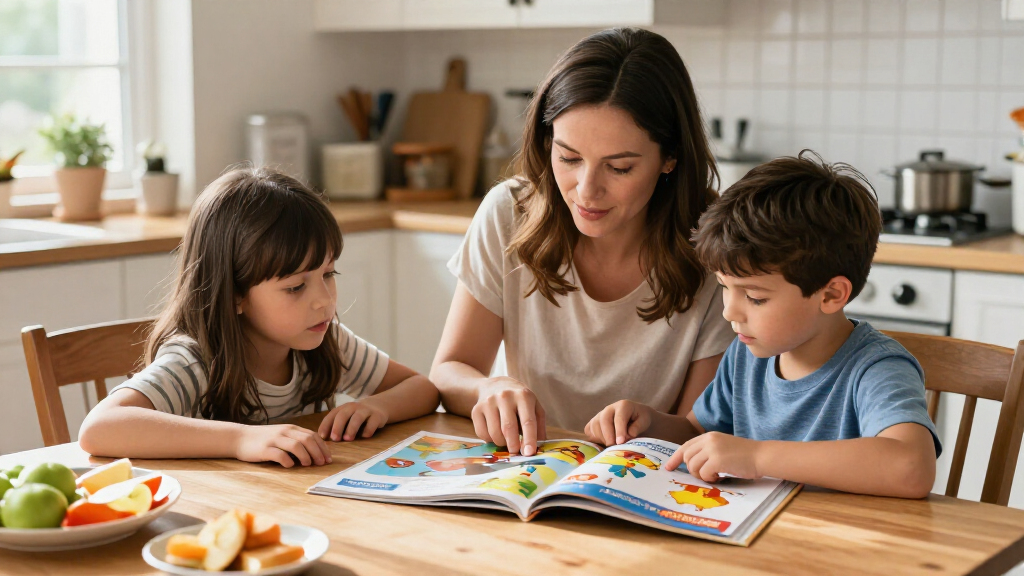
For families considering magazines, the report’s suggestions are to start with a child’s interests and treat reading as flexible rather than requiring them to finish an issue at once. Reading together or talking about a feature may also make it a shared activity. Those are practical ideas from the report, not a substitute for evidence about longer-term outcomes.
Key Questions
When is National Magazine Day 2026?
It takes place on 14 October 2026 and is part of the National Year of Reading 2026, according to the MadeForMums report.
What is the campaign planning to distribute?
The campaign aims to distribute more than 60,000 magazines to children across the UK and provide magazine bundles for 20 schools. The report does not give delivery dates or identify the schools.
Do the cited figures prove magazines improve reading?
No. The Open University study found greater reported enjoyment among Year 5 pupils who received one magazine alongside weekly reading sessions, but that does not establish that magazines alone caused the change. Several other figures cited are about reading generally, not magazines specifically.
What are the five proposed benefits of children’s magazines?
The report says magazines may appeal to reluctant readers, help children explore interests, encourage shared reading, introduce words and facts, and provide screen-free downtime. These are potential benefits rather than guaranteed outcomes for every child.
Source: rss
Halloween Picks
halloween
As an affiliate, we earn on qualifying purchases.