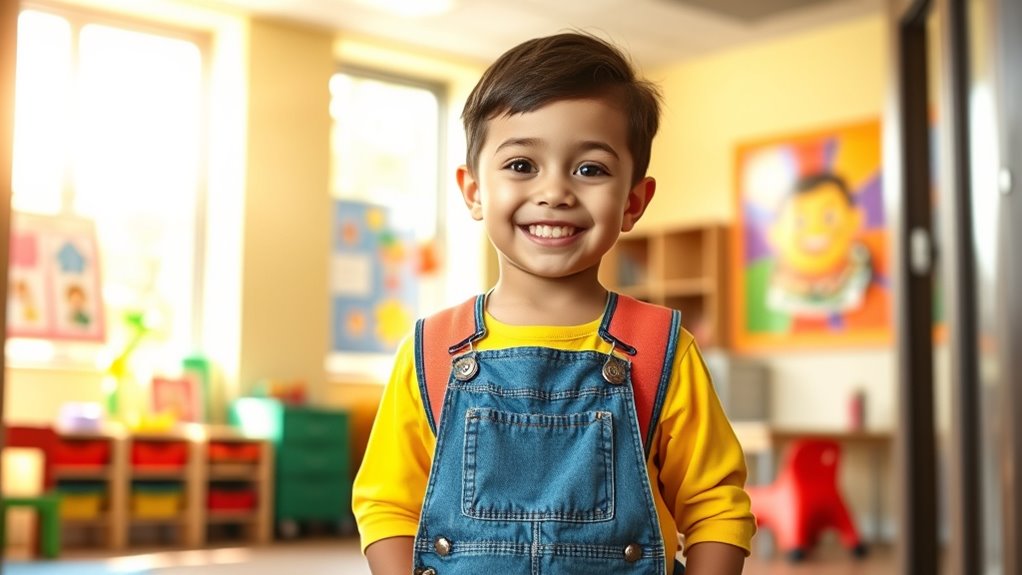

To build your child’s social confidence before preschool, organize regular playdates with peers and encourage active participation. Teach simple greetings like “hello” and practice social norms through role-play and positive reinforcement. Keep activities fun and pressure-free, praising your child’s efforts and small successes. Incorporate social skills into daily routines, making interactions natural and comfortable. If you want to discover more effective strategies, explore how to create supportive environments for your child’s social growth.
Key Takeaways
- Arrange regular playdates with peers to encourage social interaction and confidence building.
- Teach and practice simple greetings like “hello” and “hi” in everyday situations.
- Use role-play to simulate social scenarios, helping children feel comfortable with social norms.
- Reinforce positive social behaviors through praise and encouragement during interactions.
- Create a relaxed, fun environment where children can share toys and take turns without pressure.

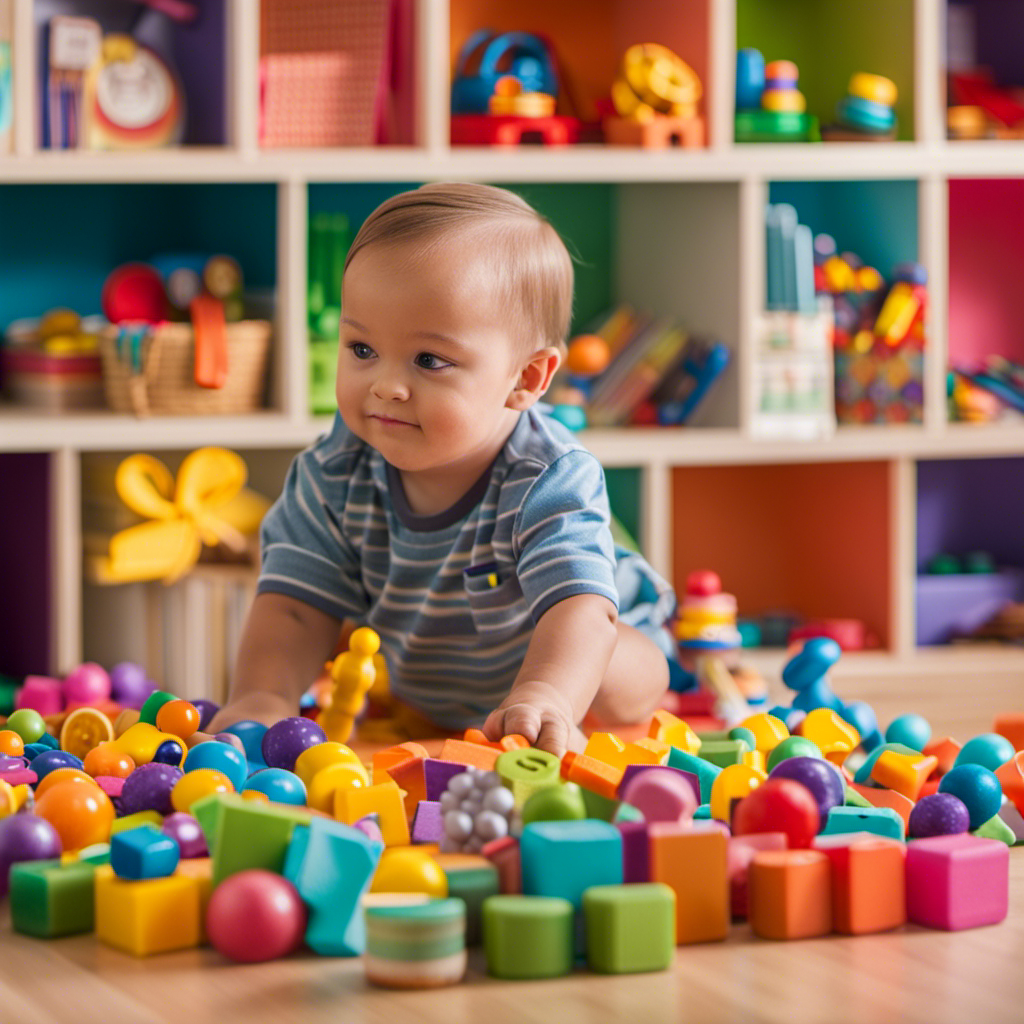
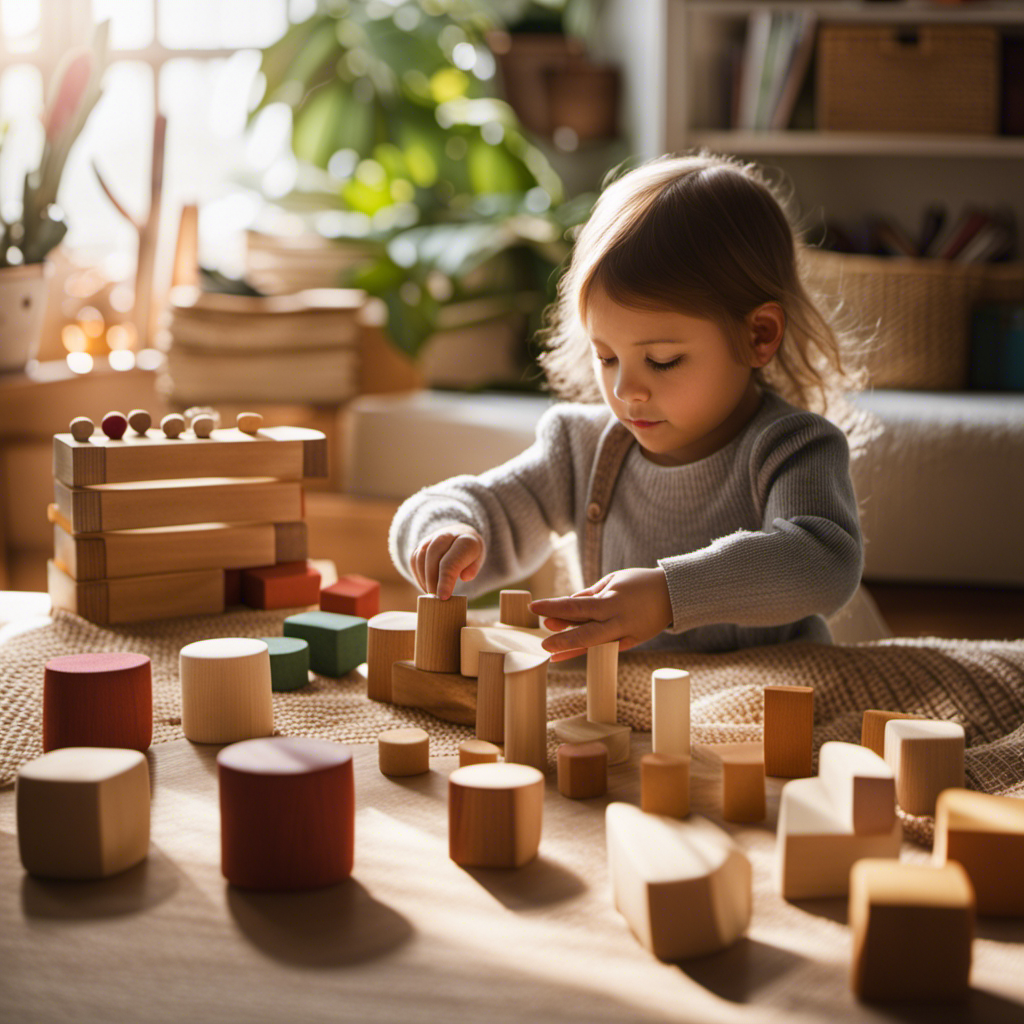
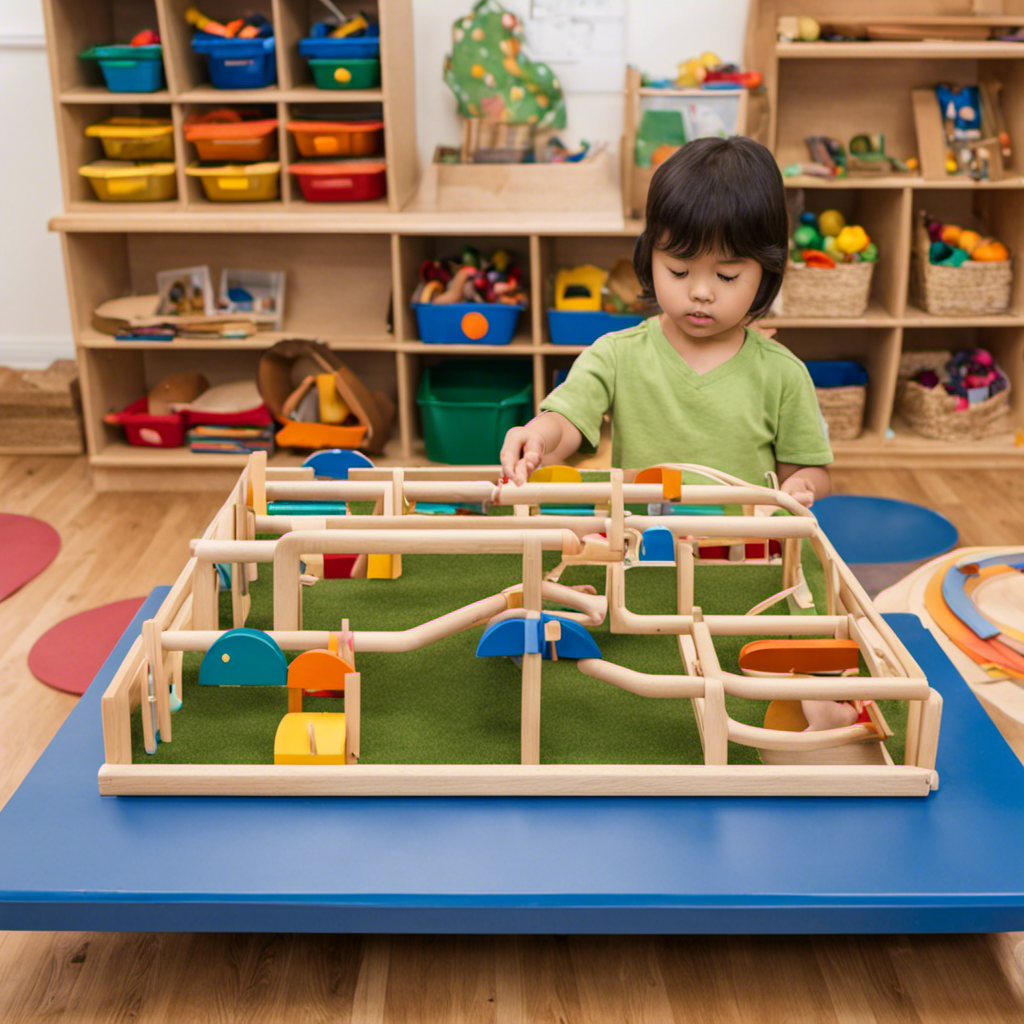
Preparing your child for preschool can feel overwhelming, but building their social confidence is a great place to start. One effective way to do this is through sharing playdates. When your child interacts with peers in a relaxed, familiar setting, they learn essential social skills like turn-taking, sharing, and cooperation. Organize regular playdates with children of similar ages, and encourage your kid to participate actively. During these gatherings, guide them to share toys and take turns, which helps build a sense of fairness and patience. Watching them navigate these interactions will boost their confidence and prepare them for the social environment of preschool.
Sharing playdates helps children develop social skills and confidence for preschool.
Practicing greetings is another key step. Teaching your child simple greetings like “hello,” “hi,” or “good morning” can make a big difference in how they approach new situations and people. Role-play different scenarios at home, where you and your child practice saying hello and introducing yourselves. Use positive reinforcement to encourage them when they try, even if it’s just a small effort. When they confidently greet others during playdates or community activities, they start to see social interactions as less intimidating. Over time, these practiced greetings become second nature, helping your child feel more comfortable in new settings.
It’s important to keep these activities fun and pressure-free. Children are more likely to develop confidence if they associate social interactions with positive experiences. During playdates, praise your child for sharing or trying to greet someone politely. If they’re shy or hesitant, gently encourage them without forcing. Celebrate small successes, like saying “hi” to a new friend, and avoid making them feel self-conscious. Remember, the goal is to create a foundation of comfort and familiarity with social norms.
In addition, you can incorporate these skills into everyday routines. For example, as you run errands or visit neighbors, remind your child to say “hello” or “goodbye” to familiar people. This consistent practice reinforces their learning and helps them see social interactions as a natural part of daily life. Over time, your child will become more at ease approaching others, which is essential for building social confidence before preschool. These small, intentional steps—sharing playdates and practicing greetings—lay the groundwork for a positive, confident start in their preschool journey.
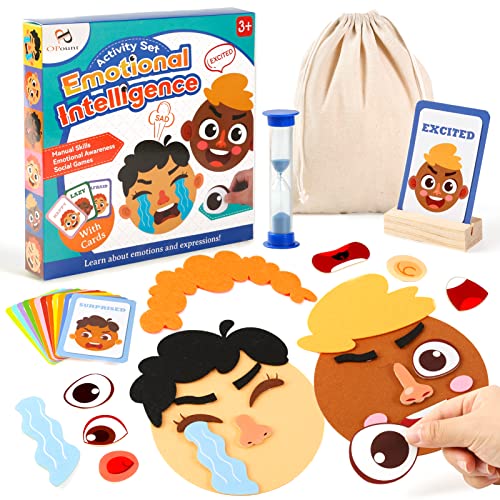
PP OPOUNT Social Emotional Learning Toy, Funny Faces Games
- Educational Social Skills Toy: Enhances emotional understanding and social skills
- Express Emotions Visually: Features 28 facial expressions for kids to explore
- Includes Emotion Flashcards: 12 double-sided cards with emotions and coping tips
As an affiliate, we earn on qualifying purchases.
As an affiliate, we earn on qualifying purchases.
Frequently Asked Questions
How Can I Help My Child Make Friends Quickly?
To help your child make friends quickly, organize playdate strategies that encourage social interaction, like setting up small, enjoyable activities. Encourage sibling interactions to boost confidence and social skills in a familiar setting. You can also teach sharing and taking turns, and model friendly behavior. Over time, these efforts will help your child feel more comfortable around peers, making it easier for them to build friendships naturally.
What Are Signs My Child Is Ready for Preschool Socialization?
You’ll notice your child shows interest in playdate planning and engaging with peers, which signals readiness for preschool socialization. They might start sharing toys, taking turns, or trying social skill games like role-playing or cooperative activities. Also, look for comfort in group settings, ability to follow simple rules, and positive interactions. These signs indicate they’re developing the social confidence needed to thrive in preschool environments.
How Do I Handle Separation Anxiety at Drop-Off?
Separation anxiety can feel like a tidal wave, but you’ve got this! Use parenting strategies like a consistent goodbye routine and reassurance to ease your child’s fears. Employ coping techniques such as bringing a familiar object or practicing deep breaths together. Stay calm and confident, showing your child you’re confident they’ll be okay. Over time, your steady support will turn tears into smiles, making drop-offs smoother and more positive for everyone.
Are There Specific Activities to Boost My Child’s Confidence?
To boost your child’s confidence, try incorporating confidence-building games like role-playing or sharing activities. Plan regular playdates to encourage social skills and practice interacting with peers. During these activities, praise their efforts and successes to foster a positive self-image. Playdate planning helps them get comfortable in social settings, while confidence-building games develop their communication skills and independence, making them more prepared and confident for preschool.
How Can I Encourage My Child to Express Emotions Confidently?
To encourage your child to express emotions confidently, introduce emotional vocabulary through books and conversations, helping them identify and name feelings. Use social storytelling to role-play different scenarios, showing them how to express themselves appropriately. Praise their efforts and validate their feelings, which builds trust and confidence. Regularly engaging in these activities makes your child more comfortable sharing emotions, fostering stronger social skills before preschool.
Conclusion
Remember, practice makes perfect. By gradually introducing your child to social settings and encouraging positive interactions, you’re helping them build the confidence they need for preschool. Be patient and consistent—small steps lead to big progress. As the saying goes, “A journey of a thousand miles begins with a single step.” With your support, your child will feel more comfortable and excited to start preschool, setting a strong foundation for their social growth ahead.