
Using ride-on toys can boost your child’s vestibular processing by encouraging active movement that challenges their balance and spatial awareness. As they ride, turn, and stop, their sensory system gets the gentle, repetitive input needed for stronger sensory integration and coordination. Incorporating different terrains or gentle rocking can further support calming vestibular input. Keep exploring different ways to incorporate ride-on play, and you’ll discover how it can help improve your child’s overall balance and confidence.
Key Takeaways
- Ride-on toys provide dynamic movement that stimulates the vestibular system, essential for spatial awareness and balance.
- Repetitive riding, turning, and stopping enhance sensory processing and improve coordination skills.
- Using low-to-ground, stable ride-on toys offers calming vestibular input and supports children with sensory challenges.
- Regular ride-on play reinforces balance, motor skills, and confidence in movement over time.
- Incorporating ride-on toys into play promotes holistic sensory integration and physical development.

Ride-on toys are more than just fun playthings—they can also boost your child’s vestibular processing skills. When your child hops onto a ride-on, they engage in a dynamic activity that challenges their sense of balance and movement. This natural motion stimulates the vestibular system, which is responsible for helping your child understand where they are in space and how their body moves through different positions. As they push, pedal, or coast, they develop better balance coordination—an essential skill for overall physical development. This process isn’t just about keeping upright; it involves complex sensory integration, where the brain combines information from the inner ear, muscles, and joints to create a cohesive picture of movement and position. Understanding these processes helps caregivers recognize the importance of active play in developing sensory skills.
Using ride-on toys encourages your child to actively participate in their sensory experiences. The repetitive motion of riding, turning, and stopping provides consistent vestibular input that helps strengthen their sensory processing abilities. As they navigate around obstacles or different terrains, they learn to adapt their movements, which enhances their motor planning skills. This kind of active play helps your child better interpret sensory signals, leading to improved balance and coordination, not only in play but in everyday activities like walking, running, or climbing.
Moreover, ride-on toys can be tailored to your child’s specific needs. For example, a sturdy, low-to-the-ground scooter promotes stability and helps children who need to focus on core balance. For kids with sensory processing challenges, gentle rocking or smooth, steady rides can provide calming vestibular input that integrates well with other sensory activities. As your child gains confidence in their movements, they begin to develop a stronger sense of body awareness, which is *vital* for safe and coordinated physical activity.
Encouraging your child to ride regularly helps reinforce these skills. It’s important to supervise and create a safe environment, but the primary goal is to let them explore movement freely. The more they practice balancing on their ride-on, the more their vestibular system benefits. Over time, this activity can translate into more refined motor skills and greater confidence in their physical abilities. By incorporating ride-on toys into your child’s play routine, you’re not only giving them a fun experience but also supporting their sensory integration and balance coordination, laying a solid foundation for healthy development.

Radio Flyer Busy Buggy, for Toddlers 1-3, 3-in-1 Push Walker Ride On Car with 17 Sensory Activities, Anti-Tip Feature, Under-Seat Storage, Horn and Gears, 42 lb Capacity, Toddler Ride On Toys
3-IN-1 WALKER & RIDE-ON: The Radio Flyer Busy Buggy is a versatile first vehicle with push walker, ride…
As an affiliate, we earn on qualifying purchases.
As an affiliate, we earn on qualifying purchases.
Frequently Asked Questions
Are Ride-On Toys Suitable for All Age Groups?
Ride-on toys are not suitable for all age groups; they’re best for children within specific age appropriateness and developmental considerations. Younger kids should use age-appropriate models that support their motor skills and safety, while older children might find larger or more advanced options engaging. Always check the manufacturer’s guidelines to guarantee the toy matches your child’s age and developmental stage, promoting safe and beneficial play.
How Do Ride-On Toys Compare to Other Vestibular Therapies?
Imagine a child zooming around on a ride-on toy, feeling the rush of movement beneath them. Compared to other vestibular therapies, ride-on toys promote active motor skill development and encourage social interaction, making therapy fun and engaging. They help children build balance and coordination naturally, whereas some therapies may feel more clinical. Ride-on toys turn therapy into play, helping kids develop essential skills in a joyful, dynamic way.
Can Ride-On Toys Help With Specific Sensory Processing Disorders?
Yes, ride-on toys can support sensory integration and motor development for children with specific sensory processing disorders. By engaging in active movement, your child experiences vestibular input that helps organize their sensory system. These toys encourage balance, coordination, and spatial awareness, making them a fun way to promote motor skills while addressing sensory challenges. Regular play with ride-on toys can be a valuable part of an all-encompassing sensory processing therapy plan.
What Safety Precautions Should Parents Take During Use?
You must prioritize safety when your child rides on toys—think of it as preventing a tiny tornado of chaos! Always guarantee they wear a helmet for helmet safety, and supervise play at all times. Keep the play area clear of hazards, and check that the ride-on toy is sturdy and in good condition. These precautions help your child enjoy fun while minimizing risks of injury.
How Often Should Children Use Ride-On Toys for Optimal Benefit?
You should aim for ride-on toy sessions a few times a week, following frequency guidelines that suit your child’s developmental milestones. Typically, 15-30 minute sessions are enough to support vestibular development without overstimulation. Pay attention to your child’s cues; if they seem tired or overwhelmed, give them a break. Regular, moderate use helps enhance balance and coordination while ensuring safety and enjoyment.
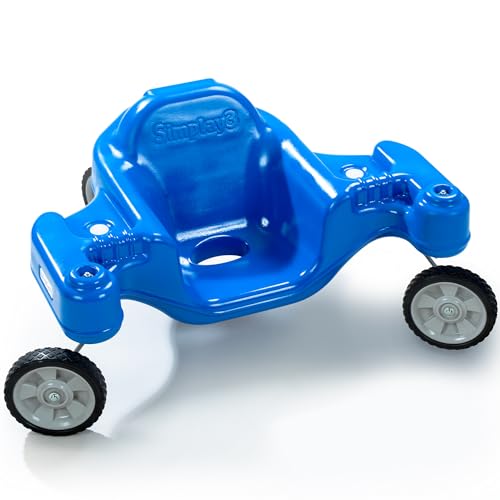
Simplay3 Galaxy Glider Ride-On Toy for Toddlers and Kids Ages 1-1/2 to 5 Years, 360-Degree Spinning Sensory Riding Toy for Kids, Blue
WIGGLE RIDE-ON TOY FOR KIDS AND TODDLERS: Designed to let children spin, scoot, and glide in every direction…
As an affiliate, we earn on qualifying purchases.
As an affiliate, we earn on qualifying purchases.
Conclusion
Imagine your child’s laughter echoing as they whirl and twirl on their ride-on toy, feeling the gentle rush of movement beneath them. Each spin and glide helps their inner ear balance and coordinate, building a sturdy foundation for learning and confidence. By embracing these simple adventures, you’re guiding them through a joyful journey of discovery—where every turn nurtures their vestibular sense, turning playful motion into lifelong resilience and wonder.

BELEEV V1 Scooters for Kids 2 Wheel Folding Kick Scooter for Girls Boys, 3 Adjustable Height, Light Up Wheels, Lightweight Scooter with Sturdy Frame, Kickstand for Children 3 to 12 Years Old (Black)
Adjustable & Lightweight: The kick scooter designs with adjustable handlebar, which means that you can adjust T-bar from…
As an affiliate, we earn on qualifying purchases.
As an affiliate, we earn on qualifying purchases.

hand2mind Calming Sensory Tubes, Rain Sound Fidget Tubes, Rain Stick Instrument, Toddler Sensory Toys, Calm Down Corner Supplies, Science Classroom Weather Toys, Play Therapy Activities
RAIN MAKER SENSORY TOY: Bring soothing rain sounds into calm down time with sensory tubes that invite kids…
As an affiliate, we earn on qualifying purchases.
As an affiliate, we earn on qualifying purchases.