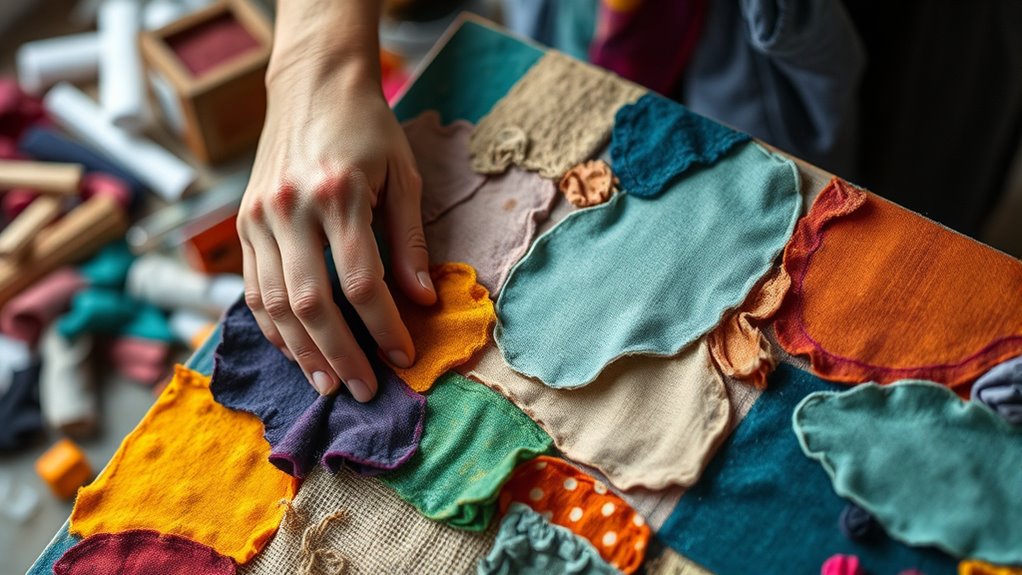

Adding tactile materials to your movement activities boosts sensory integration, helping you become more aware of your body and how it moves. Using textured surfaces, objects, or tools provides immediate sensory feedback, which sharpens motor coordination and balance. Incorporating touch into your routines challenges your nervous system, promoting better control and smoother movements. Keep exploring these techniques, and you’ll discover ways to enhance both your body awareness and physical skills even further.
Key Takeaways
- Incorporate textured surfaces and objects to provide varied tactile feedback, enhancing sensory integration during movement activities.
- Use tactile materials like textured mats or fabrics to improve proprioception and refine motor control.
- Combine touch and movement in activities like dancing or martial arts to boost sensory discrimination and reaction times.
- Repeated tactile stimulation strengthens neural pathways, promoting better body awareness and coordination.
- Adding tactile elements encourages adaptability, allowing for progressive development of motor skills and sensory-motor synergy.
Integrating touch and movement can open new levels of physical awareness and coordination. When you combine tactile materials with movement activities, you tap into sensory integration processes that enhance how your body perceives and responds to its environment. This approach not only sharpens your sensory awareness but also improves motor coordination, making everyday tasks easier and more efficient. By intentionally incorporating different textures and materials into your movement routines, you can stimulate your nervous system to process sensory input more effectively, leading to better balance, timing, and control.
As you experiment with tactile materials, you’ll notice your body becoming more attuned to subtle sensations. For example, walking barefoot on different textured surfaces like sand, grass, or textured mats allows your feet to gather a variety of tactile feedback. This sensory input helps your brain better interpret spatial positioning and pressure, which are critical components of motor coordination. When you engage in activities that involve handling textured objects—such as squeezing stress balls, rolling textured balls under your hands, or feeling different fabric types—you actively promote sensory integration. This process ensures your brain efficiently combines tactile information with movement commands, resulting in smoother, more coordinated actions.
Incorporating tactile materials into movement exercises also encourages you to stay present in your body. For instance, during balance exercises, adding a textured cushion or foam pad under your feet challenges your sensory system to adapt and refine your stabilization strategies. This not only boosts your proprioception but also enhances your overall motor control. The variety of textures and materials provides immediate feedback, allowing you to adjust your movements dynamically. Over time, this repetition strengthens neural pathways involved in sensory processing and motor planning, leading to more precise and fluid movements.
Using tactile materials isn’t limited to static exercises; you can add them to dynamic activities like dancing, stretching, or even martial arts. For example, incorporating textured gloves or mats can deepen your tactile engagement, sharpening your sensory discrimination and reaction times. This heightened awareness supports better coordination, especially in complex movements that demand precise timing and balance. The key is to choose a range of materials that challenge your sensory thresholds without overwhelming you, fostering a steady progression toward more refined motor skills.
Ultimately, combining touch and movement with tactile materials creates a holistic approach to physical development. It encourages your nervous system to integrate sensory input seamlessly with motor output, resulting in improved coordination and body awareness. As you continue to explore different textures and movement patterns, you’ll find your ability to adapt and respond becomes more intuitive. Additionally, sensory integration plays a crucial role in enhancing overall motor skills, empowering you to move with greater confidence and control. This synergy of touch and movement not only supports physical growth but also nurtures a deeper connection to your body, enabling you to move with greater confidence and control.

Maitys 7 Pcs Sensory Mat for Autistic Massage Mats Orthopedic Puzzle Play Mats Textured Sensory Floor Tiles for Autism Room Indoor(Classic Color)
What You Will Get: buy our products, and you will be provided with 7 pieces of massage mats…
As an affiliate, we earn on qualifying purchases.
As an affiliate, we earn on qualifying purchases.
Frequently Asked Questions
How Do Tactile Materials Enhance Motor Skill Development?
Tactile materials enhance motor skill development by engaging your senses through sensorial exploration. As you manipulate different textures, you strengthen your fine motor skills, improving hand-eye coordination and finger dexterity. These materials encourage active movement, making learning enjoyable and effective. By providing varied tactile experiences, you stimulate neural connections, which supports overall motor development and helps you master precise tasks like writing, cutting, or buttoning with greater ease.
What Safety Considerations Are Important With Tactile Materials?
Like Pandora’s box, tactile materials hold great potential but require care. You should follow hygiene protocols to prevent germs, regularly cleaning and sanitizing items. Guarantee the materials are durable enough to withstand frequent use, preventing tears or breakage that could cause injuries. Always supervise children during play, checking for sharp edges or loose parts. By prioritizing safety, you create a secure environment that fosters exploration without risking harm.
Can Tactile Materials Be Integrated Into Digital Learning Environments?
Yes, you can integrate tactile materials into digital learning environments by using virtual interfaces and augmented reality. These tools allow you to simulate touch experiences, making learning more interactive and engaging. You might incorporate haptic feedback devices or AR apps that let learners feel textures virtually. This approach enhances understanding, especially for hands-on subjects, and bridges the gap between physical and digital tactile experiences seamlessly.
How Do Tactile Materials Support Children With Sensory Processing Issues?
You help children with sensory processing issues by providing tactile materials that support sensory integration and tactile exploration. These materials give them a safe way to engage their senses, helping them regulate emotions and improve focus. By actively exploring different textures, children can develop better sensory processing skills, which in turn boosts their confidence and ability to manage sensory overloads more effectively.
What Are Cost-Effective Options for Incorporating Tactile Materials?
You can incorporate tactile materials cost-effectively through DIY projects and budget shopping. Use household items like rice, beans, or pasta for sensory bins, and repurpose materials such as sponges or fabric scraps to create textured surfaces. Shop at discount stores or dollar stores for inexpensive sensory toys and tools. These options allow you to tailor tactile experiences without overspending, making sensory play accessible and fun for children.

RIDEHILL 3 Pack Stress Balls for Adults, Squeeze Balls for Hand Therapy, Hand Strengthening Devices with Different Resistance Levels for Finger Forearm Wrist Exercise Relaxation and Pain Relief
Hand Exerciser Stress Ball – Stress balls for adults can be used as a grip strength trainer that…
As an affiliate, we earn on qualifying purchases.
As an affiliate, we earn on qualifying purchases.
Conclusion
As you explore combining touch and movement, you realize that tactile materials naturally enhance your experience, almost like they were meant to be together. It’s funny how, just when you start to feel stuck, a simple touch or movement sparks new ideas and connections. This coincidence reminds you that blending these senses isn’t just effective—it’s an intuitive dance. Keep experimenting, and you’ll discover how seamlessly tactile materials can transform your approach into something truly engaging.

HAPBEAR Exercise Balance Pad – 15"x12" Non-Slip Textured Bottom Stability Training Mat – 2.25" Thick Soft Cushioned Foam for Adults, Physical Therapy, Core Training & Home Workouts – Blue
Strength Training & Rehabilitation:Ideal for enhancing balance, core strength, and coordination during workouts. Perfect as balance pads for…
As an affiliate, we earn on qualifying purchases.
As an affiliate, we earn on qualifying purchases.

Kathfly 15 Pcs Sensory Bean Bags Shape Texture Color & Feel Sorting Sensory Items with Drawstring Bag for Autistic People Need Supply for ADHD Adults Women Men(Square)
Package Quantity: you will receive 15 pieces of sensory table squares in 15 colors and styles; These tactile…
As an affiliate, we earn on qualifying purchases.
As an affiliate, we earn on qualifying purchases.