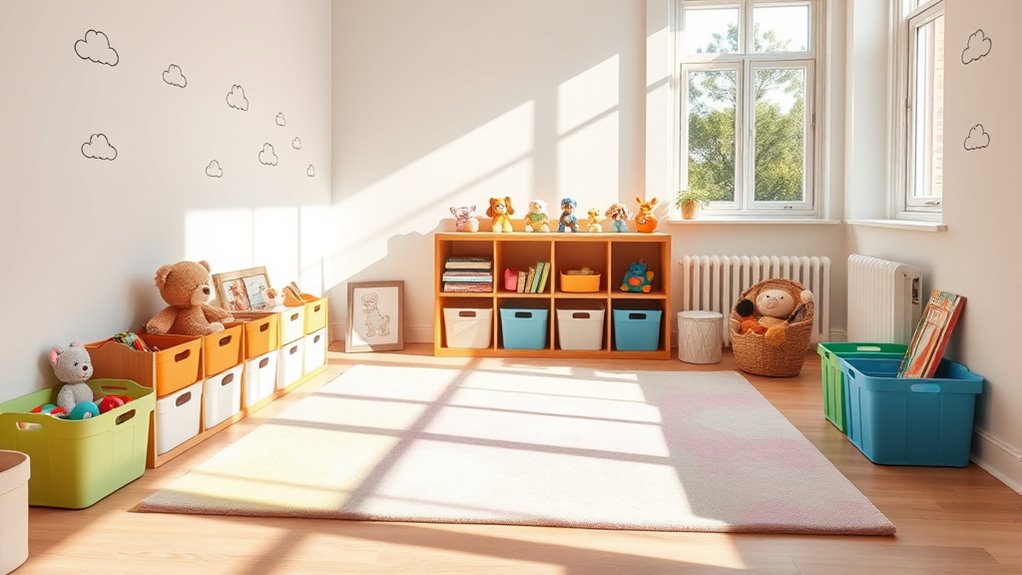

To create a safe play space at home, choose sturdy, non-toxic equipment with rounded edges and secure it properly. Set clear safety rules, supervise your children actively, and regularly inspect play areas for hazards or damage. Use shock-absorbing surfacing materials like rubber mulch or sand, and install high, secure fencing to keep children contained. Keeping the area safe and fun is easier when you follow these guidelines, and exploring further will give you even more helpful tips.
Key Takeaways
- Select durable, non-toxic play equipment with safety features like rounded edges and appropriate size for your child’s age.
- Install a shock-absorbing surfacing such as rubber mulch or foam tiles and keep it well-maintained.
- Use secure, high fencing to enclose the play area and prevent access to hazards like streets or pools.
- Establish clear safety rules, teach proper equipment use, and supervise children actively during playtime.
- Regularly inspect and repair play equipment and surfacing to ensure ongoing safety and remove potential hazards.
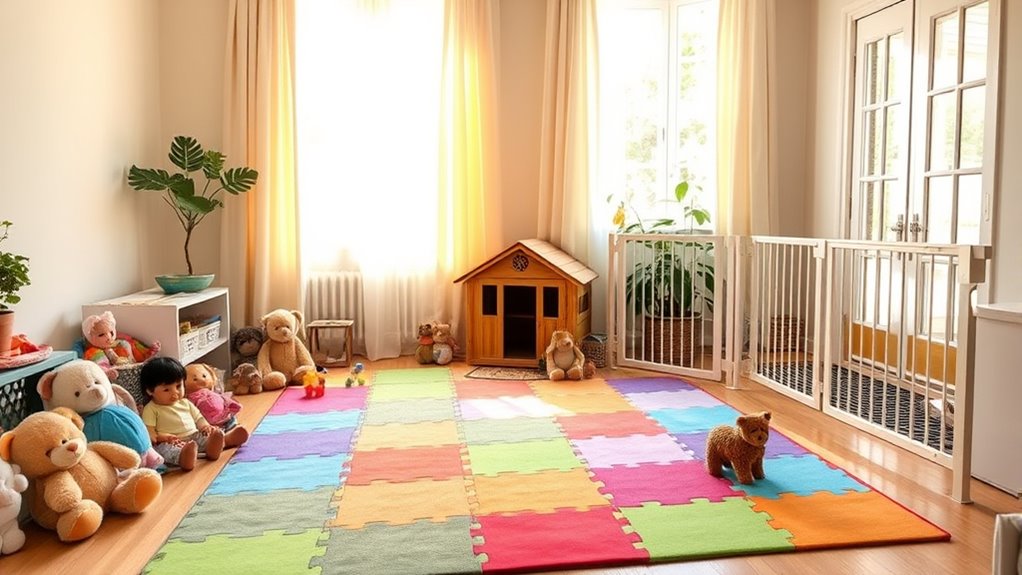
Creating a safe play space at home is essential for ensuring your child’s well-being and encouraging their independence. When designing this area, one of your main priorities should be choosing suitable playground equipment that’s both fun and secure. Look for equipment made from sturdy, non-toxic materials and ensure it’s designed specifically for children’s safety. Swings, slides, climbing structures, and see-saws should come with safety features like rounded edges, secure fastenings, and non-slip surfaces. Before installing any equipment, carefully review the manufacturer’s safety guidelines to confirm it’s appropriate for your child’s age and size. Avoid overly complex or tall structures that could pose a fall risk, and always ensure the equipment is stable and anchored properly to prevent tipping or shifting during play.
Choose sturdy, non-toxic playground equipment with safety features to ensure a secure and fun play space at home.
Once you’ve selected the right playground equipment, establish clear safety guidelines to create a secure environment. Teach your child how to use each piece correctly, emphasizing the importance of waiting their turn and playing gently. Set rules such as no climbing on the outside of structures, no running around or pushing, and always staying within your line of sight. These rules not only promote safety but also help your child develop good habits. Make sure the play area is free from hazards like sharp objects, loose debris, or tripping hazards, and regularly inspect the equipment for signs of wear or damage. Repair or replace any broken parts immediately to prevent accidents.
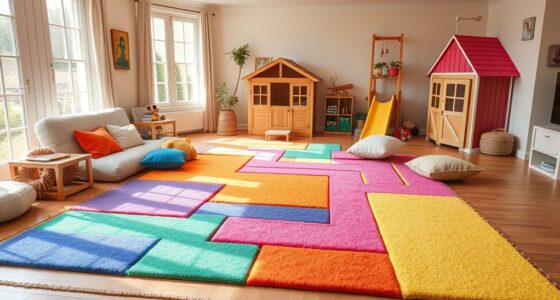
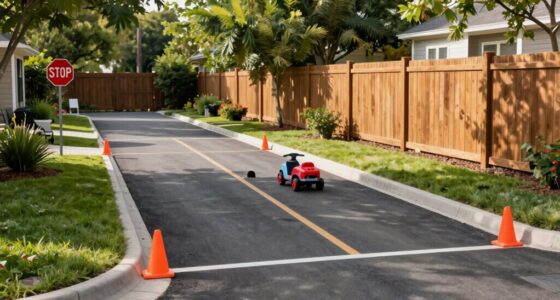
Surfacing is another critical element in creating a safe play space. Instead of hard surfaces like concrete or asphalt, opt for shock-absorbing materials such as rubber mulch, foam tiles, or sand. These surfaces substantially reduce the risk of injury if your child falls. Keep the area well-maintained by raking or replacing surfacing materials as needed, especially after harsh weather or heavy use. Fencing the area can also help keep your child contained and safe from nearby hazards like streets or pools. Make sure gates are self-closing and secure, and that fencing is high enough to prevent climbing over. Additionally, choosing surfacing materials that provide adequate shock absorption enhances safety during active play.
Finally, always supervise your child during playtime. No matter how well you’ve set up the space, active supervision is key to preventing accidents and ensuring safe play. Regularly review your safety guidelines with your child as they grow and become more adventurous. By carefully selecting appropriate playground equipment, following safety guidelines, and maintaining a vigilant eye, you create a play space that’s both enjoyable and secure. This environment will give your child the freedom to explore, learn, and develop independence while you have peace of mind knowing they’re protected.

OCES 5-in-1 Kids Weight Set — Adjustable Fillable Toddler Weights Gym Set (Barbell, Dumbbells, Kettlebell, Ring Toss, Push-up) Kids Workout Equipment Beginner Home Gym Play Exercise Fitness Toy
True 5-in-1 Versatility — Grows with Your Child: Convertible barbell that quickly splits to make two dumbbells, plus…
As an affiliate, we earn on qualifying purchases.
As an affiliate, we earn on qualifying purchases.
Frequently Asked Questions
How Can I Childproof Outdoor Play Areas Effectively?
You can childproof outdoor play areas by installing secure garden fencing to keep kids within safe boundaries and prevent unwanted access. Add sturdy shade structures to protect them from sun exposure. Regularly inspect the area for hazards like sharp objects or broken equipment, and make sure all toys and furniture are safe and age-appropriate. Keep an eye on your children while they play to ensure safety and enjoyment.
What Are the Best Non-Toxic Materials for Play Equipment?
You should choose non-toxic play equipment made from eco-friendly options like sustainably sourced wood, recycled plastics, or natural rubber. Look for safety certifications such as ASTM or EN71 to guarantee quality and safety. These materials are free from harmful chemicals like phthalates and lead, making them safer for your child. By selecting certified, eco-friendly options, you create a healthier, safer play environment while supporting sustainable practices.
How Often Should I Inspect the Play Space for Hazards?
Think of your play space as a garden that needs regular tending. You should perform a hazard check every month, looking for loose bolts, splinters, or sharp edges. Incorporate this into your safety routine, making it as natural as watering plants. Staying vigilant helps catch potential dangers early, ensuring your little one’s playtime remains safe and joyful, like a sunny day without a cloud in sight.
What Are Age-Specific Safety Considerations for Play Areas?
You should tailor safety considerations based on your child’s age. For toddlers, use supervision strategies like close monitoring and safety signage to prevent choking hazards and falls. For older children, guarantee equipment is age-appropriate and secure. Regularly inspect the area for hazards and update safety signage as needed. Adjust supervision strategies accordingly, encouraging independence while maintaining safety, and always stay attentive to your child’s developmental needs.
How Do I Create Inclusive Play Spaces for Children With Disabilities?
You might think a one-size-fits-all play area is enough, but true inclusion means embracing differences. To create an inclusive space, add adaptive equipment that caters to various needs and promote sensory integration with textured walls or calming corners. This way, every child feels valued and engaged. Remember, a thoughtful design isn’t just about accessibility; it’s about opening doors to shared joy and discovery for all children.
shock-absorbing playground surfacing
As an affiliate, we earn on qualifying purchases.
As an affiliate, we earn on qualifying purchases.
Conclusion
Now that you’ve turned your home into a fortress of fun, don’t forget: safety first, chaos second. With foam mats, locked cabinets, and a watchful eye, you’ve crafted a paradise where accidents are just stories waiting to happen—preferably not today. Remember, a safe play space isn’t just about avoiding bumps; it’s about giving your little explorers the freedom to tumble, giggle, and grow—without turning your house into a demolition zone. Happy parenting!

COMOMY 150" Extra Wide Baby Gate with Door, Dog Gates for The House Doorways Fireplace, Auto Close Baby Fence Play Area, Walk Through Pet Gate, Hardware Mounted, 6-Panels (30" Tall, Black)
150'' Super Wide for Multi-scene: Fits openings from 30" to 150" wide, standing at 30" tall with 2.2"…
As an affiliate, we earn on qualifying purchases.
As an affiliate, we earn on qualifying purchases.
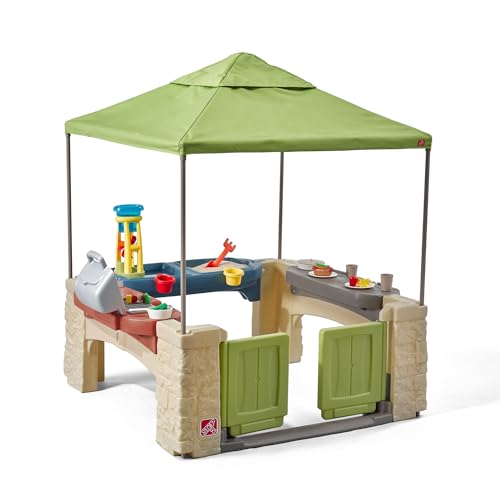
Step2 All Around Playtime Patio with Canopy Playset – Shaded Outdoor Playhouse for Kids with Realistic, Interactive Features, Room for Multiple Toddlers to Play – Dimensions: 60" H x 47.5" W x 47.5" D
FUN PLAYTIME: Entertain your little children for hours with pretend grill, large countertop, water and sand table, supports…
As an affiliate, we earn on qualifying purchases.
As an affiliate, we earn on qualifying purchases.