
To keep your child’s outdoor play safe, always supervise their activities closely and teach them safe play habits like taking turns and avoiding pushing. Regularly inspect and maintain play equipment to fix any hazards such as loose parts or rust. Clear the area of debris and use soft surfaces like rubber mulch to cushion falls. Staying vigilant and caring for the environment can substantially reduce injuries. Continue exploring for more helpful tips to keep playtime safe and fun.
Key Takeaways
- Regularly inspect and maintain play equipment to ensure stability and identify hazards like rust or damage.
- Use soft, impact-absorbing surfaces such as rubber mulch or wood chips beneath play structures.
- Keep the play area clear of debris and potential trip hazards like sticks or broken toys.
- Actively supervise children during play, teaching safe behaviors and intervening when necessary.
- Address hazards promptly, fixing loose parts or cracks, and maintaining a hazard-free environment for safe exploration.

Outdoor play offers children valuable opportunities for physical activity, social interaction, and exploration. However, ensuring their safety during outdoor activities is essential to prevent accidents and injuries. One of the first steps you should take is to childproof the play area by identifying potential hazards. Walk through the space and look for anything that could cause harm, such as sharp edges, exposed nails, or loose parts. Remove or fix these hazards promptly. Childproofing isn’t a one-time task; it requires regular inspection and maintenance to keep the environment safe as equipment ages or weather conditions change. For example, if a swing’s chain becomes loose or a slide’s surface develops cracks, address these issues immediately. Regular equipment maintenance is vital to prevent equipment failure that could lead to falls or other injuries.
Regularly inspect and maintain outdoor play equipment to ensure safety and prevent accidents.
When checking play equipment, pay close attention to the stability and integrity of structures. Ensure that swings, slides, and climbing frames are securely anchored and free from rust or corrosion. If you notice any damage or wear, repair it right away or replace the equipment if necessary. Maintaining a clean and hazard-free play area also involves clearing away debris, such as sticks, rocks, or broken toys, that could cause children to trip or fall. A well-kept space not only minimizes risks but also encourages children to explore freely and confidently. Additionally, airless paint sprayers can be useful for maintaining outdoor structures, such as repainting fences or play equipment to prevent deterioration and extend their lifespan.
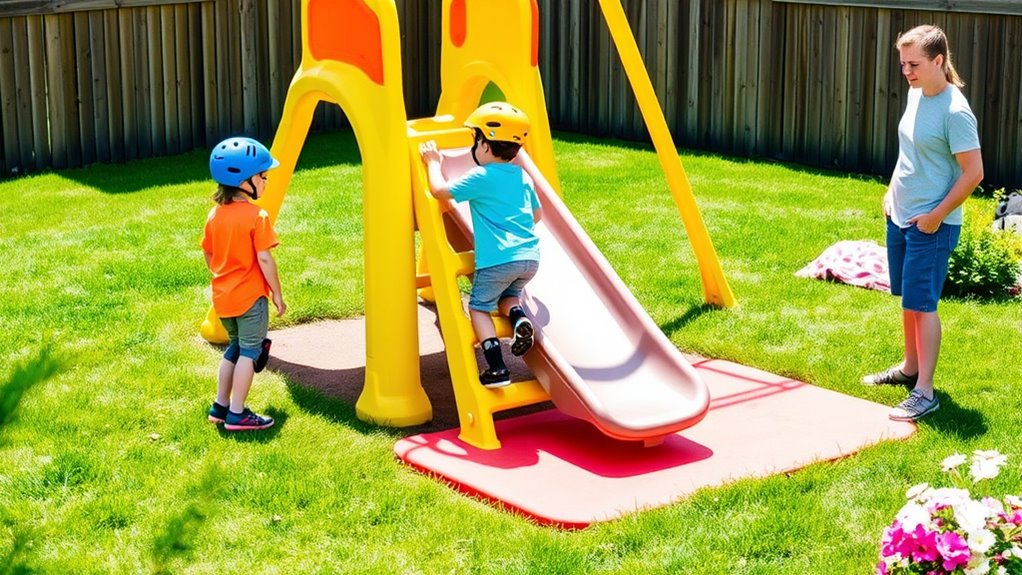
Supervising children actively while they play is equally important. Keep an eye on their activities to catch any unsafe behavior early, and be ready to intervene if they attempt to climb where they shouldn’t or use equipment improperly. Educate your children about safe play practices, like waiting their turn and not pushing others, so they develop good habits that keep everyone safe.
In addition to childproofing and equipment maintenance, consider the surface material under and around play equipment. Soft surfaces like rubber mulch, wood chips, or artificial turf can cushion falls and reduce injuries. Regularly check the surface’s condition and replenish or replace it as needed to maintain a safe play environment.

Generic 1000pcs Plastic Fire Extinguisher Security Seals Tamper Zip Ties for Fire Safety Equipment with Easy Status Verification and Sturdy Plastic Material, for Outdoor and Home Use
- Quick Installation: Easy and fast to apply
- Clear Inspection Markings: Facilitates quick verification
- Tamper-Proof Security: Ensures device remains untouched
As an affiliate, we earn on qualifying purchases.
As an affiliate, we earn on qualifying purchases.
Frequently Asked Questions
How Can I Identify Hidden Outdoor Hazards for Children?
To identify hidden outdoor hazards for children, you need to be proactive. Start by inspecting outdoor spaces regularly, looking for sharp objects, broken equipment, or toxic plants. Check under bushes and behind structures where dangerous items might hide. Pay attention to loose tiles, unstable fences, or standing water that could cause slips or drownings. By thoroughly inspecting outdoor spaces, you can spot and address hidden hazards before children encounter them.
What Safety Gear Is Essential for Outdoor Play?
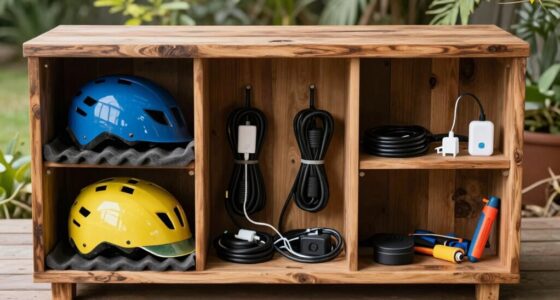
You should always have safety helmets and protective pads for outdoor play. Helmets protect your child’s head during activities like biking or skateboarding, while protective pads shield knees, elbows, and wrists during falls. Ensuring your child wears the right gear reduces injury risks and encourages confident outdoor play. Keep these essentials accessible, and remind your child to wear them consistently for safe, enjoyable outdoor adventures.
How Do I Teach Children About Outdoor Safety Rules?
Teaching children outdoor safety rules is like planting seeds for a secure future. You should start with clear, simple safety education, explaining rules in a fun way. Always practice child supervision to reinforce these lessons, showing them how to stay safe. Use everyday situations to teach about hazards, and encourage questions. Consistent reminders and praise help kids remember, turning outdoor safety into a natural part of their playtime.
What Should I Do in Case of Outdoor Injuries?
If your child gets injured outdoors, stay calm and assess the situation. Apply basic first aid, like cleaning cuts and stopping bleeding, to keep them comfortable. Call emergency contacts immediately if the injury is serious or if you’re unsure about the severity. Keep a first aid kit nearby and make sure you know basic first aid skills. Stay with your child, reassure them, and follow the emergency plan to ensure their safety.
How Can I Prevent Outdoor Play Accidents During Bad Weather?
Imagine outdoor play as sailing across choppy seas—you need weather precautions to navigate safely. During bad weather, you should check forecasts, avoid storms, and guarantee children wear appropriate gear. Emergency planning is your life jacket, so have a plan for quick shelter and communication. By staying alert and prepared, you keep the adventure fun and safe, preventing accidents that could turn a joyful day into a stormy one.
Conclusion
Remember, responsible supervision and regular checks create a safe, spirited space for your child’s outdoor adventures. Stay alert, assess the area, and always anticipate surprises. By blending vigilant vigilance with vibrant, fun-filled play, you provide a protected playground where your little one can explore, experience, and enjoy. With careful caution and cheerful confidence, you turn outdoor outings into memorable, safe moments. So, step outside with safety in mind and watch your child’s world flourish freely and fearlessly.