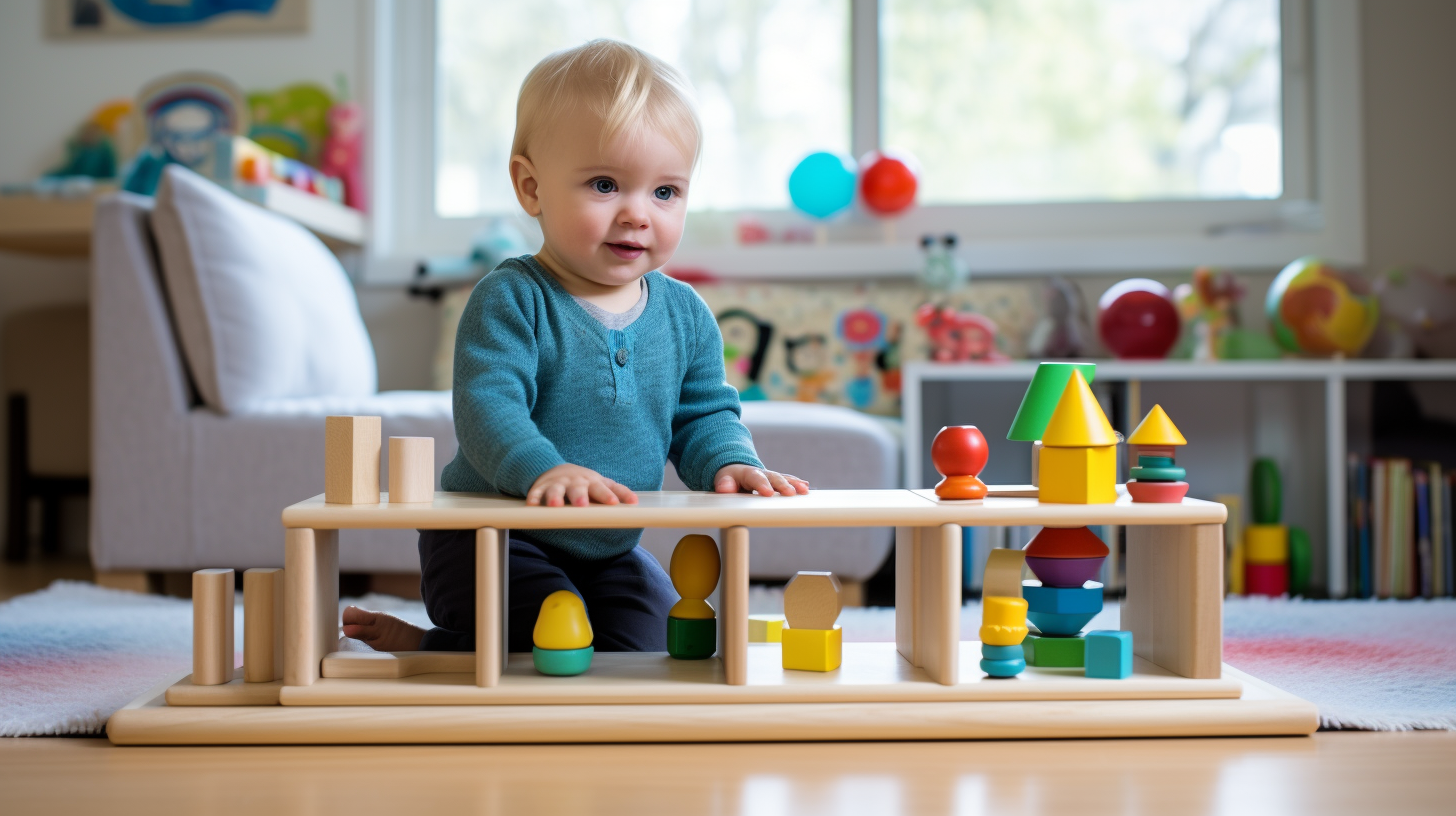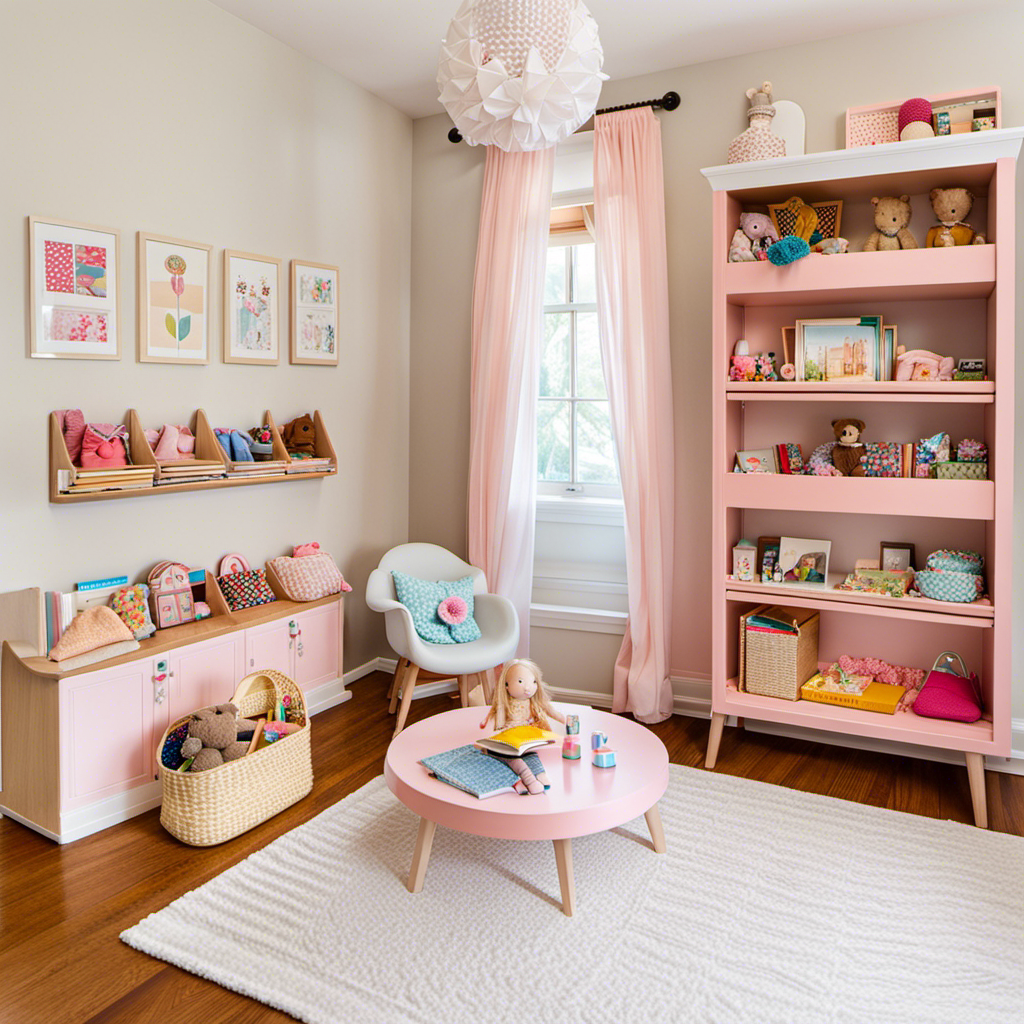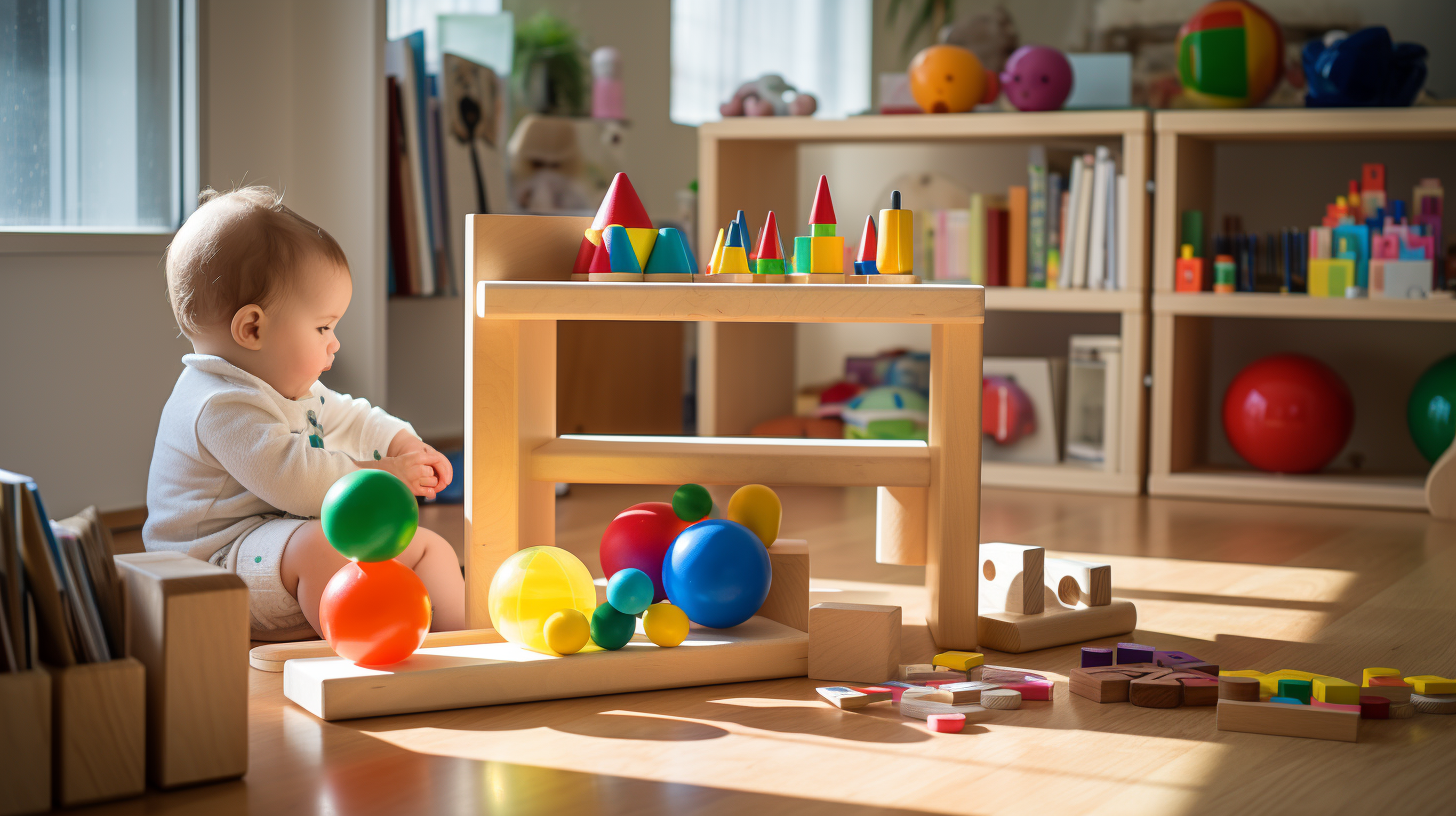
To create a Waldorf-inspired play space at home, focus on natural materials like wood, wool, and cotton, avoiding plastic and bright toys. Keep the environment simple, clutter-free, and filled with handcrafted items that spark imagination and calm. Use soft lighting and natural elements like plants to foster tranquility. Choose functional furniture and cozy textiles that encourage quiet, reflective play. Stay tuned, as these ideas will help you craft a peaceful space for your child to explore and grow.
Key Takeaways
- Use natural materials like wood, wool, and cotton to create warm, inviting, and tactile play objects that inspire imagination.
- Keep the environment simple and clutter-free with carefully selected, meaningful items to foster calm and focus.
- Incorporate soft, natural lighting and natural decor elements to create a peaceful, harmonious atmosphere.
- Include functional, low furniture and cozy textiles like cushions and rugs to support comfort and quiet activities.
- Integrate natural elements such as plants and natural decor to strengthen the connection with nature and promote mindfulness.
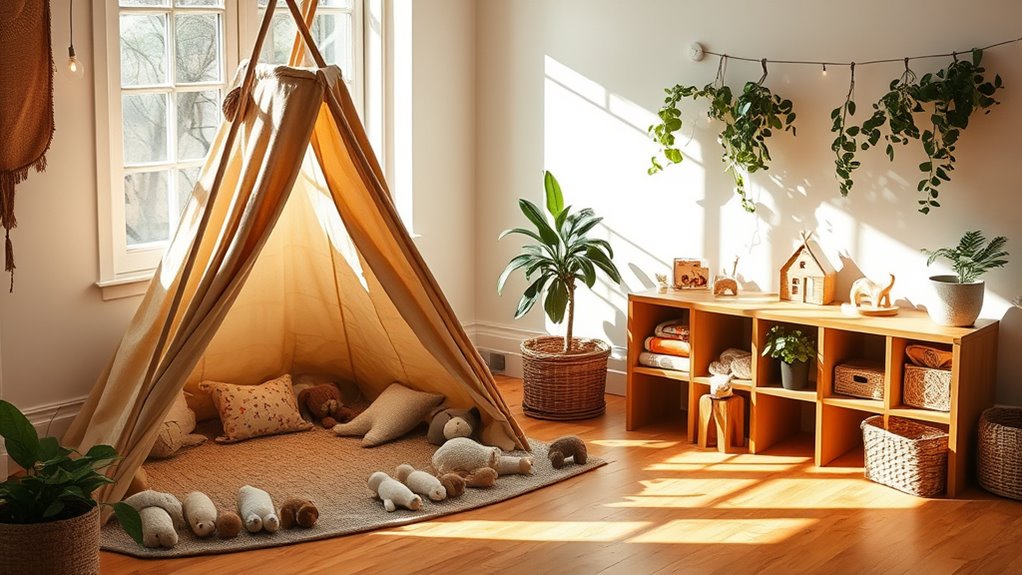
Creating a Waldorf-inspired play space at home is a wonderful way to foster your child’s natural creativity and sense of wonder. The core idea is to create an environment that emphasizes natural materials and aesthetic simplicity. When designing this space, choose items made from wood, wool, cotton, and other natural substances. These materials feel warm and inviting, encouraging your child to engage with their surroundings in a mindful way. Avoid plastic toys or overly bright, commercialized items that can overstimulate the senses. Instead, opt for simple, well-crafted objects that invite open-ended play.
Create a warm, natural play space with simple, handcrafted items that inspire imagination and calm.
The aesthetic simplicity of a Waldorf-inspired area isn’t about minimalism for its own sake but about creating calm and harmony. Keep clutter to a minimum, focusing on a few thoughtfully chosen pieces that serve multiple purposes. For example, a wooden shelf can hold a small collection of handcrafted dolls, a few wooden blocks, and an assortment of natural fiber cloths. This simplicity helps your child focus on the activity at hand, encouraging imaginative play rather than distraction. It also makes cleanup easier, reinforcing a sense of order and responsibility.
Lighting plays a vital role in establishing the right atmosphere. Use soft, natural light whenever possible, such as sunlight streaming through a window or warm, low-wattage lamps. Harsh or fluorescent lighting can detract from the tranquility you’re aiming to create. Keep the space uncluttered and open, giving your child room to move freely and explore without feeling overwhelmed. Incorporate elements that evoke a sense of nature, like potted plants or a small indoor fountain, to enhance the connection with the natural world. Creating a digital-free environment can further support your child’s focus and imagination.
Furniture in a Waldorf-inspired space should be simple and functional. Low, sturdy tables and chairs made from wood serve as perfect settings for art projects, storytelling, or quiet reflection. Soft, handmade cushions or wool rugs provide cozy spots for resting or reading. Remember, the goal is to cultivate an environment that nurtures your child’s innate curiosity while maintaining a peaceful, balanced aesthetic. Every object should feel intentional, fostering a sense of safety and wonder.
As an affiliate, we earn on qualifying purchases.
Frequently Asked Questions
How Much Space Is Needed to Create an Effective Waldorf-Inspired Play Area?
The space requirements for an effective Waldorf-inspired play area depend on your available room and how much you want to include. You’ll want enough room for open-ended play, natural materials, and simple furniture. Consider layout considerations like clear zones for different activities, keeping clutter minimal, and ensuring safety. Even a small corner can work if it’s thoughtfully organized, but larger spaces allow for more freedom and creativity.
What Are Budget-Friendly Materials for Building a Waldorf-Style Play Space?
You can create a Waldorf-inspired play space using budget-friendly materials by upcycling furniture, turning old pieces into charming, natural play areas. DIY decor, like handmade fabric banners or painted wooden blocks, adds warmth without extra costs. Look for secondhand items or natural materials like wood, cotton, and wool, which promote a calming environment. This way, you craft a beautiful, nurturing space without overspending.
How Can I Incorporate Natural Elements Into the Play Environment?
To incorporate natural elements into your play environment, focus on adding natural textures like wood, cotton, and wool for a warm, inviting feel. You can also integrate plants to bring in greenery and promote a calming atmosphere. These elements encourage sensory exploration and connection with nature, fostering creativity and tranquility in your child’s play space. Emphasizing plant integration and natural textures helps create a nurturing, Waldorf-inspired environment at home.
Are There Specific Safety Considerations Unique to Waldorf-Inspired Setups?
Think twice before diving in. Safety in Waldorf-inspired setups calls for attention to non-toxic finishes on toys and furniture, ensuring no harmful chemicals are present. Soft lighting creates a calming environment and reduces eye strain. Always check for sturdy, rounded edges and secure furniture to walls. By focusing on these safety considerations, you protect your child’s well-being while fostering a nurturing, natural play space.
How Can I Adapt the Space for Different Age Groups?
To adapt your space for different age groups, incorporate multisensory activities suited to each stage of development. Use age-appropriate furniture that guarantees safety and comfort, like soft mats for toddlers and sturdy shelves for older children. Adjust the sensory elements to challenge or soothe, such as adding more complex textures or calming colors for older kids. This way, your play space remains engaging and safe for all ages.
Conclusion
Creating a Waldorf-inspired play space transforms your home into a magical garden where imagination blossoms like wildflowers. By choosing natural materials, soft colors, and simple furnishings, you craft a nurturing environment that encourages creativity and wonder. Remember, this space is your child’s sanctuary—an open sky for their dreams to soar. With each thoughtful touch, you plant seeds of growth and joy, turning your home into a gentle, inspiring haven where childhood can truly flourish.