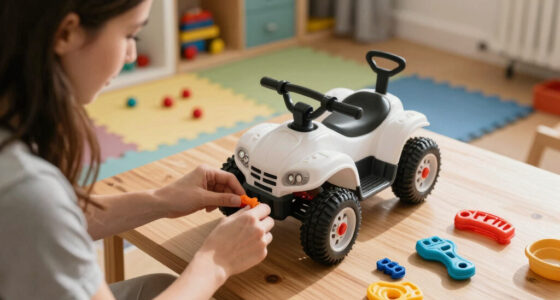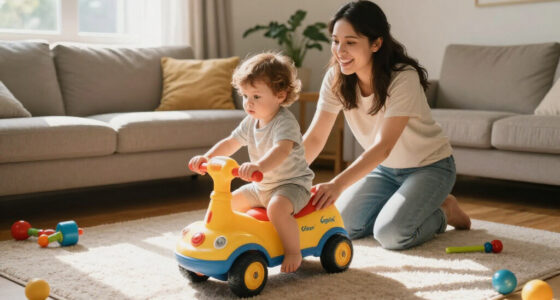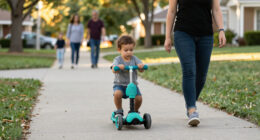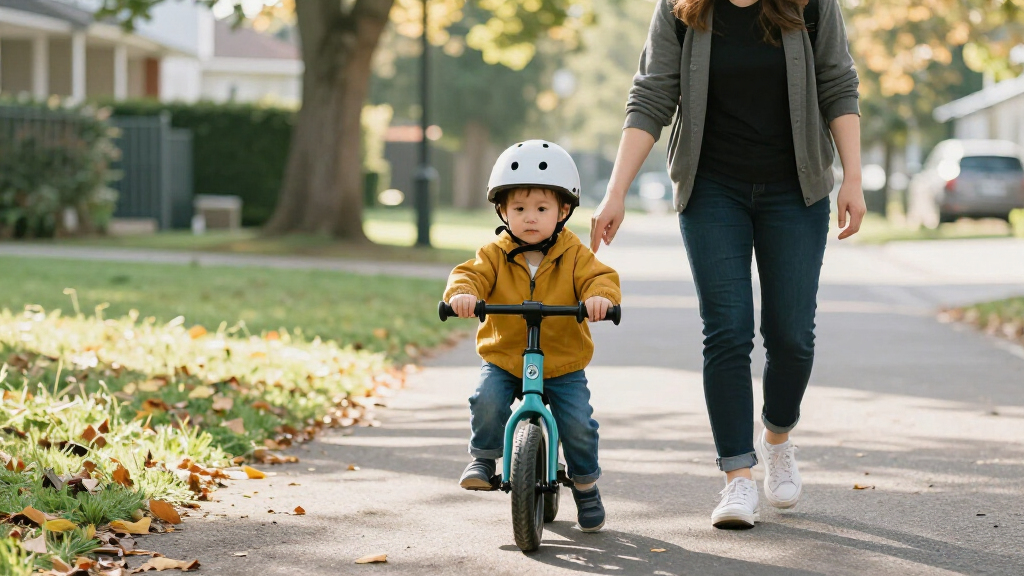

Balance bikes for toddlers come in two very different flavors: four-wheel beginner models for the 12-to-24-month crowd and two-wheel striders that teach real balancing for ages 2 and up. The Strider 12 Sport stands out as the best overall pick thanks to its adjustable seat, lightweight frame, and proven learn-to-glide design, while the SEREED Baby Balance Bike is the smarter choice for wobbling one-year-olds who aren’t ready for two wheels. The main tradeoff you’ll face is stability versus skill development: four-wheel bikes build confidence early but must be replaced sooner, while two-wheel bikes last longer but frustrate very young riders. If you’re torn between the two — or between the many near-identical SEREED and Umatoll variants on the market — keep reading for the full breakdown of which model fits which child and which ones you can skip.

Turn the school run and nap time into listening time
- Thousands of audiobooks, podcasts and originals
- Listen on your phone, tablet or Echo — also offline
- Cancel anytime
Complete the kit


Key Takeaways
- Four-wheel models like the Amazon Basics and SEREED bikes are strictly for the 10–24 month window; by age two, most toddlers outgrow them and need a two-wheel bike like the Strider 12 Sport or SEREED Ages 2–5 model.
- SEREED appears five times in this lineup with nearly identical bikes — the differences come down to age rating, wheel type, and minor frame tweaks, so choosing between them is mostly about matching your child’s age, not comparing quality.
- The Strider 12 Sport is the only true pedal-bike-prep option here, with an adjustable seat that spans roughly ages 1–4, making it the longest-lasting and most expensive pick.
- The JMMD 6-in-1 and the tool-free adjustable models win on versatility for families who want one purchase to cover multiple stages, but folding and converting mechanisms add weight and complexity.
- Customization features like the KRIDDO‘s name plate are fun but cosmetic — seat height range and wheel type predict satisfaction far better than extras.
| Amazon Basics 4-Wheel Balance Bike for Toddlers, 12–24 Months |  | Best First Ride for the Youngest Toddlers | Bike Type: 4-wheel balance bike | Age Range: 12–24 months | Wheels: Scratch-resistant, non-slip | VIEW LATEST PRICE | See Our Full Breakdown |
| SEREED Baby Balance Bike for Toddlers, 12–24 Months (Green) |  | Best Lightweight Pick for Carrying Everywhere | Recommended Age: 12–24 months | Frame Material: Aluminum alloy | Wheel Size: 6.7 inches, enclosed | VIEW LATEST PRICE | See Our Full Breakdown |
| Gamfeiny Baby Balance Bike for Ages 10–36 Months |  | Best for Keeping Reluctant Riders Engaged | Age Range: 10–36 months | Frame Material: Carbon steel | Wheels: 4, enclosed, glowing rear wheels | VIEW LATEST PRICE | See Our Full Breakdown |
| SEREED Baby Balance Bike for Toddlers, 12–24 Months (Pink) |  | Best Floor-Friendly Indoor Rider | Recommended Age: 12–24 months | Frame Material: Aluminum alloy | Wheel Material: EVA, widened | VIEW LATEST PRICE | See Our Full Breakdown |
| KRIDDO Toddler Balance Bike with Customizable Plate, 12-Inch |  | Best Long-Term Grow-With-Me Pick | Age Range: 18 months to 5 years | Wheel Size: 12 inches | Frame Material: Carbon steel | VIEW LATEST PRICE | See Our Full Breakdown |
| Umatoll Baby Balance Bike for Toddlers |  | Best First Ride for Young Toddlers | Recommended age: 12–24 months | Weight: 3.3 lbs (1.5 kg) | Seat: 3-position adjustable | VIEW LATEST PRICE | See Our Full Breakdown |
| Radio Flyer Toddler Balance Bike |  | Best for Outdoor Terrain | Tire size: 12 inches | Tire type: Rubber air tires | Frame material: Steel | VIEW LATEST PRICE | See Our Full Breakdown |
| SEREED Toddler Balance Bike |  | Best No-Fuss Maintenance Pick | Frame material: Carbon steel | Weight: 7.8 lbs | Maximum supported weight: 110 lbs | VIEW LATEST PRICE | See Our Full Breakdown |
| JMMD 6-in-1 Foldable Toddler Bike with Push Handle |  | Most Versatile — Best Multi-Stage Pick | Age range: 18–60 months | Configurations: 6-in-1 convertible design | Frame: Aluminum alloy, foldable | VIEW LATEST PRICE | See Our Full Breakdown |
| SEREED Toddler Balance Bike |  | Best Simple Strider-Style Value | Frame: Carbon steel | Weight: 7.8 lbs | Maximum supported weight: 110 lbs | VIEW LATEST PRICE | See Our Full Breakdown |
| Strider 12 Sport Balance Bike for Kids Ages 1–4 |  | Best Overall | VIEW LATEST PRICE | See Our Full Breakdown | |||
| Toddler Balance Bike, Tool-Free Adjustable |  | Best Value Pick | VIEW LATEST PRICE | See Our Full Breakdown | |||
| SEREED Toddler Balance Bike for Ages 2–5 |  | Best for Growing Riders | VIEW LATEST PRICE | See Our Full Breakdown | |||
| SEREED Toddler Balance Bike |  | Best for Comfort-Focused Riders | VIEW LATEST PRICE | See Our Full Breakdown | |||
| Umatoll Toddler Balance Bike for Ages 2–5 |  | Best for Quick Setup | VIEW LATEST PRICE | See Our Full Breakdown |
More Details on Our Top Picks
Amazon Basics 4-Wheel Balance Bike for Toddlers, 12–24 Months
This option stands out as a true first mobility toy rather than a training bike — the four-wheel layout means a 12-month-old who can barely walk can still scoot around without tipping. Compared with the SEREED 12–24 Month model, the Amazon Basics bike prioritizes stability over portability, and its steering limit and rounded edges translate into fewer pinched fingers and fewer jackknife tip-overs on hardwood floors. The non-slip, scratch-resistant wheels are the real selling point for indoor households: furniture and floors survive early wobbles. The tradeoff is that four wheels teach steering and confidence, not balance — a toddler on this bike is delaying the core skill a two-wheel model builds. Buyers should also accept that it will be outgrown quickly.
Pros:- Four-wheel design keeps the youngest toddlers upright and confident
- Non-slip, scratch-resistant wheels are safe on indoor floors
- Steering limit and rounded edges reduce pinch and tip-over risks
- Light 2.09 kg frame is easy to move between rooms
Cons:- Four wheels don’t develop the balance skills a two-wheel bike builds
- Narrow 12–24 month age range means a short usable lifespan
- No hand brake — relies entirely on foot stopping
Best for: Parents of 12–18-month-olds who want a safe indoor scooting toy before a real balance bike
Not ideal for: Families hoping for one bike that teaches true two-wheel balance or lasts past age 2
- Bike Type:4-wheel balance bike
- Age Range:12–24 months
- Wheels:Scratch-resistant, non-slip
- Brake Style:Foot stop
- Item Weight:2.09 kg (4.6 lbs)
- Steering:Limited steering angle
- Skill Level:Beginner
Our verdict“A sensible first scoot for pre-walkers and brand-new walkers, but plan on upgrading to a two-wheel model within a year.”
SEREED Baby Balance Bike for Toddlers, 12–24 Months (Green)
At 3.5 pounds, this SEREED is the lightest bike in this batch, and that weight difference changes how families actually use it — it hangs on a stroller, rides in a car trunk, and gets carried home when a toddler decides walking is better. The aluminum alloy frame explains the advantage over the carbon-steel Gamfeiny, which is a full pound heavier. Its widened enclosed wheels and 135° steering limit give it similar toddler-safety credentials to the Amazon Basics model, but with a more conventional ride that prepares kids for a two-wheeler like the Strider 12 Sport later on. The honest tradeoff: no brake, a 55-pound weight cap, and the same narrow age window — this is a bridge bike, not a long-term one.
Pros:- Ultra-light 3.5 lb aluminum frame is effortless to carry and transport
- Enclosed wheels and limited steering protect small feet and hands
- Non-slip wheels work indoors and outdoors
- Supportive seat encourages longer practice sessions
Cons:- No brake of any kind — stopping is entirely foot-powered
- Narrow 12–24 month age range limits useful lifespan
- 55 lb maximum weight capacity is lower than steel-framed rivals
Best for: City and travel-focused families who need a featherlight bike for parks, trips, and apartment living
Not ideal for: Parents wanting longevity — the 12–24 month window and 55 lb limit mean it’s outgrown fast
- Recommended Age:12–24 months
- Frame Material:Aluminum alloy
- Wheel Size:6.7 inches, enclosed
- Weight:3.5 lbs
- Maximum Weight:55 lbs
- Brake:None
- Steering:Limited turn
Our verdict“The pick for families who will carry a toddler bike more than they store it, as long as they accept its short service life.”
Gamfeiny Baby Balance Bike for Ages 10–36 Months
Where most toddler bikes compete on weight or frame material, the Gamfeiny competes on motivation: its glowing rear wheels light up as they spin with no batteries to replace, which is often the difference between a toddler who begs to ride and one who ignores the bike in the corner. It starts younger than anything else here — 10 months versus 12 for both SEREED models — and the tool-free buckle assembly means it goes from box to hallway in minutes without a screwdriver hunt. The catch is the carbon-steel frame: at 4.6 pounds it’s the heaviest four-wheeler in this group, so it’s less portable than the green SEREED. Like the others in this age class, there’s no brake and no real two-wheel balance training.
Pros:- Battery-free glowing wheels make riding exciting for hesitant toddlers
- Starts at 10 months — the youngest entry point in this lineup
- Tool-free buckle assembly takes minutes out of the box
- Enclosed wheels and 135° steering limit prioritize safety
Cons:- Carbon-steel frame is the heaviest here at 4.6 lbs
- Four wheels don’t build true two-wheel balance skills
- No braking mechanism beyond foot stopping
Best for: Parents of hesitant 10–18-month-olds who need a fun hook to spark interest in riding
Not ideal for: Families who frequently transport the bike — the steel frame makes it the heaviest option in this batch
- Age Range:10–36 months
- Frame Material:Carbon steel
- Wheels:4, enclosed, glowing rear wheels
- Steering Limit:135°
- Weight:4.6 lbs
- Assembly:Tool-free buckle design
- Seat/Handle Material:PU seat, EVA handles
Our verdict“The engagement play — pick this when getting a toddler interested matters more than shaving off every ounce.”
SEREED Baby Balance Bike for Toddlers, 12–24 Months (Pink)
This pink SEREED is essentially the sibling of the green SEREED 12–24 Month model, with the same aluminum frame and 135° steering limit, but it earns its own slot for one reason: its EVA wheels are explicitly gentle on indoor flooring. For apartment families doing most practice in a hallway or living room, that matters more than anything else — no scuffing, no clatter. It shares the pedal-free push-along format that prepares toddlers for a KRIDDO 12-Inch or Strider later, and the rigid suspension keeps the ride predictable for beginners still figuring out steering. The tradeoffs are familiar for this category: no brake, a tight 12–24 month age window, and little to distinguish it from its green twin beyond color — so choose on aesthetics and price, not capability.
Pros:- EVA wheels are quiet and won’t mark hardwood or tile floors
- Featherlight 3.6 lb aluminum frame is easy for parents to manage
- Widened wheels and 135° steering limit add beginner stability
- Pedal-free design builds early balance and coordination
Cons:- No brake — toddlers stop with their feet only
- Narrow 12–24 month age range limits long-term value
- Largely duplicates the green SEREED model in features
Best for: Apartment families who need a quiet, floor-safe bike for indoor practice sessions
Not ideal for: Anyone wanting a distinct upgrade over the green SEREED — capability is nearly identical
- Recommended Age:12–24 months
- Frame Material:Aluminum alloy
- Wheel Material:EVA, widened
- Weight:1.6 kg (3.6 lbs)
- Suspension:Rigid
- Brake:None
- Turning Limit:135°
Our verdict“Choose it over the green SEREED purely if the color and floor-friendly wheels fit your home — the ride is otherwise the same.”
KRIDDO Toddler Balance Bike with Customizable Plate, 12-Inch
The KRIDDO plays a completely different game from the four-wheelers above it. This is a true two-wheel balance bike in the mold of the Strider 12 Sport, with an adjustable seat and handlebar that stretch its usable life from 18 months to 5 years — versus roughly a single year for the SEREED and Amazon Basics models. The puncture-resistant never-flat tires handle grass and sidewalks where plastic EVA wheels struggle, and the 110 lb weight capacity plus 2-year warranty signal a build meant to be handed down. The customizable name plate with stickers is a genuine engagement tool for ownership-minded kids. The real tradeoff: it demands more from the rider. A cautious 18-month-old who’d cruise happily on the Gamfeiny may find two-wheel balancing frustrating at first.
Pros:- Adjustable seat and handlebar fit kids from 18 months to 5 years
- Puncture-resistant never-flat tires handle grass, gravel, and sidewalks
- Sturdy carbon-steel frame supports up to 110 lbs for hand-me-down use
- Customizable name plate and stickers give kids ownership of the bike
Cons:- Requires real balance skill — steeper learning curve than four-wheel models
- Heavier and less carry-friendly than the sub-4-lb toddler models
- No brake listed, so stopping remains foot-powered
Best for: Families who want one bike from toddlerhood through preschool that teaches genuine two-wheel balance
Not ideal for: Very cautious brand-new walkers who need four-wheel stability before balancing on two
- Age Range:18 months to 5 years
- Wheel Size:12 inches
- Frame Material:Carbon steel
- Tires:Puncture-resistant, never-flat
- Max Weight Capacity:110 lbs
- Adjustability:Adjustable handlebar and seat height
- Warranty:2-year manufacturer defect warranty
Our verdict“The buy-once choice for families committed to teaching real riding skills, provided their toddler is ready for two wheels.”
Umatoll Baby Balance Bike for Toddlers
Most balance bikes aim at 2-year-olds and up, but the Umatoll Baby Balance Bike targets the 12–24 month window almost nobody else serves well. At 3.3 lbs, it is dramatically lighter than the SEREED Toddler model at 7.8 lbs, which matters when a wobbly one-year-old needs to catch the bike — or when a parent has to carry it home. The light-up rear wheels need no batteries, a small touch that keeps early riders engaged, while the 135° steering limiter and fully enclosed wheels reduce jackknife falls during those first tentative pushes. Compare that to the Radio Flyer, whose 12-inch air tires suit bigger kids but overwhelm a young toddler. The tradeoff is lifespan: this bike is outgrown quickly, and the seat must audibly click into place after each adjustment or it can sit unevenly.
Pros:- Featherlight 3.3 lb aluminum frame is easy for young toddlers to manage
- Light-up wheels need no batteries
- 135° steering limiter and enclosed wheels add safety for new walkers
- Three-position seat stretches the usable period
Cons:- Age range tops out at 24 months, limiting long-term value
- Seat adjustment requires a firm click into place or it may sit unevenly
Best for: Parents of 12–24 month olds who want an ultra-light, safe first bike before graduating to a larger model
Not ideal for: Families hoping for a multi-year purchase — most children will outgrow it before age 3
- Recommended age:12–24 months
- Weight:3.3 lbs (1.5 kg)
- Seat:3-position adjustable
- Frame:Aluminum
- Wheels:EVA, non-slip, enclosed
- Steering limiter:135°
- Rear wheels:Light up when spun, no batteries required
- Basket:Removable
Our verdict“A short-lived but well-designed first ride for children under two, best treated as a precursor to a bigger bike like the Strider 12 Sport.”
Radio Flyer Toddler Balance Bike
If your toddler will mostly ride sidewalks, grass, and gravel rather than living-room floors, the Radio Flyer Toddler Balance Bike is the strongest pick in this batch. Its 12-inch rubber air tires absorb bumps that would rattle a rider on the SEREED’s airless foam wheels — foam is convenient on pavement but transmits every crack and root directly to the saddle. The 18-month to 5-year range also makes it one of the longest-serving options here, compared to the Umatoll’s 24-month ceiling. A thoughtful detail is the frame grip tape, which gives hovering feet a no-slip landing zone while gliding — something none of the other models include. The tradeoff: steel construction and air tires mean maintenance and eventual flat-tire risk, and like every balance bike here, no pedals means buying another bike later.
Pros:- 12-inch air tires smooth out rough outdoor surfaces
- Tool-free seat adjustment fits a wide 18-month to 5-year range
- Frame grip tape gives feet a stable spot while gliding
- Lightweight despite the durable steel frame
Cons:- Air tires require pressure checks and can eventually go flat
- No pedals, so a pedal bike purchase is still needed down the road
Best for: Families who ride outdoors on mixed surfaces and want one bike that lasts from toddlerhood into preschool
Not ideal for: Indoor-only households — air tires and a steel frame are overkill on carpet and hardwood, and the tread can scuff floors
- Tire size:12 inches
- Tire type:Rubber air tires
- Frame material:Steel
- Seat:Tool-free adjustable
- Recommended age:18 months to 5 years
- Foot support:Frame grip tape
Our verdict“The clear choice for outdoor families who need real tires and a long age range, at the cost of a little upkeep.”
SEREED Toddler Balance Bike
The SEREED Toddler Balance Bike earns its place by eliminating the two things parents hate most: flats and fiddly adjustments. Its airless EVA foam tires never need pumping — a genuine advantage over the Radio Flyer’s air tires if your riding happens mostly on pavement or indoors. Both the seat and handlebars adjust without tools across a generous range, and the 110 lb weight capacity means siblings can share it long after the original owner moves on. Unlike the Umatoll, this bike suits roughly ages 2–5, so it skips the under-two crowd entirely. The big omission is any brake at all: riders stop with their feet, which is normal for this category but worth knowing if your child rides hills — the JMMD 6-in-1 includes a hand brake for that reason. A customizable plate and stickers add a bit of personality.
Pros:- Airless foam tires never go flat or need inflating
- Tool-free seat and handlebar adjustments
- 110 lb weight capacity supports siblings and long use
- Includes a customizable plate and stickers
Cons:- No brakes at all, relying entirely on foot braking
- Age range is described inconsistently across the listing, so sizing requires checking measurements
Best for: Parents who want a zero-maintenance bike that multiple children can share across several years
Not ideal for: Families on hilly terrain — the lack of any brake means feet-only stopping on slopes
- Frame material:Carbon steel
- Weight:7.8 lbs
- Maximum supported weight:110 lbs
- Seat height:12.6–17.1 inches
- Handlebar height:19.6–22.5 inches
- Tires:Airless EVA foam
- Brakes:None
- Color:Black
Our verdict“A dependable, flat-proof workhorse best suited to flat neighborhoods and shared sibling use.”
JMMD 6-in-1 Foldable Toddler Bike with Push Handle
Every other bike in this roundup does one job; the JMMD 6-in-1 does six. It converts between parent-push, tricycle, and balance bike configurations, which means one purchase covers roughly 18 to 60 months instead of forcing an upgrade path — buy the Umatoll for age one and the SEREED for ages 2–5 separately, and you have spent more for less flexibility. The folding aluminum frame is genuinely useful for trunk storage or apartment closets, something no other model here offers. It also stands alone in including a hand brake, a meaningful safety addition on slopes that both SEREED models lack, plus puncture-proof 12-inch rubber wheels. The compromises are real, though: some assembly is required out of the box, the 60° steering limiter is tighter than Umatoll’s 135°, and multi-function designs rarely match a dedicated balance bike’s simplicity for pure gliding practice.
Pros:- Six configurations span parent-push, tricycle, and balance bike stages
- Folding frame eases storage and car transport
- Hand brake adds control on slopes, unlike brakeless competitors
- Puncture-proof all-terrain rubber wheels
Cons:- Requires assembly before first use
- Convertible design makes it heavier and less pure as a balance trainer than single-purpose models
- 60° steering limiter restricts turning radius more than rivals
Best for: Parents who want a single purchase that grows from parent-guided pushing to independent balancing across three years
Not ideal for: Minimalists who want a simple, ready-to-ride balance bike — assembly and mode changes add complexity
- Age range:18–60 months
- Configurations:6-in-1 convertible design
- Frame:Aluminum alloy, foldable
- Wheel size:12 inches
- Wheels:Puncture-proof rubber, all-terrain
- Brake:Hand brake
- Steering limiter:60°
Our verdict“The smartest buy for families who want one bike to cover ages 18–60 months, provided they accept a bit of assembly and complexity.”
SEREED Toddler Balance Bike
This SEREED Toddler Balance Bike is the straightforward pick: a classic two-wheel glider in the mold of the Strider 12 Sport, but built around a carbon steel frame and airless tires that keep ownership simple. Quick-release levers handle both seat and handlebar height without tools, and the 12.6–17.1 inch seat range matches its SEREED sibling exactly — the practical difference between the two comes down to styling and availability rather than geometry, so choosing between them is mostly a matter of price and color preference on the day you buy. Like that sibling, it uses flat-proof foam tires, trading the cushioned ride of the Radio Flyer’s air tires for zero maintenance. At 7.8 lbs with a 110 lb capacity, it is light enough for a toddler to maneuver and sturdy enough to hand down. As always in this category, the absence of pedals means a pedal bike purchase still looms.
Pros:- Quick-release seat and handlebar adjustments with no tools
- Airless EVA tires never go flat
- Light 7.8 lb frame with a 110 lb weight capacity
- Works indoors and outdoors
Cons:- No pedals, so a pedal bike is still needed later
- Foam tires transmit more vibration than air tires on rough ground
Best for: Buyers who want a proven, no-frills balance bike design with quick adjustments and nothing to maintain
Not ideal for: Riders on rough or gravel paths — foam tires ride harsher than the Radio Flyer’s air tires
- Frame:Carbon steel
- Weight:7.8 lbs
- Maximum supported weight:110 lbs
- Seat height:12.6–17.1 inches
- Handlebar height:19.6–22.5 inches
- Tires:Airless EVA foam
- Pedals:None
Our verdict“A dependable, Strider-style glider for families who value simple ownership over premium suspension or convertibility.”
Strider 12 Sport Balance Bike for Kids Ages 1–4
The Strider 12 Sport is the benchmark the rest of this lineup is measured against, and it earns that status through fit range and weight. With a seat that drops to 11 inches, it accommodates riders as young as 18 months — earlier than the SEREED Ages 2–5 model, which starts around 12.6 inches. At 6.7 lbs., it is also the lightest bike here, and that matters more than it sounds: a toddler who can lift their own bike can recover from wobbles and drag it over curbs without a parent’s help. Compared with the budget picks in this guide, the tradeoff is price — you pay a premium for the brand’s adjustability and the never-flat foam tires. The two-year warranty adds peace of mind the generic listings can’t match.
Pros:- Widest seat height range (11–17 in.) fits riders from roughly 18 months to 4 years
- Lightest bike in the lineup at 6.7 lbs., easy for toddlers to manage
- Never-flat foam tires eliminate maintenance entirely
- Two-year limited warranty with included assembly tools
Cons:- Premium price compared with nearly identical-functioning budget models
- No brakes, so toddlers must learn foot-stopping only
Best for: Parents of very young toddlers (18 months+) who want one bike that fits for three-plus years and holds resale value
Not ideal for: Budget-conscious buyers — cheaper options like the SEREED deliver similar core function at a lower cost
Our verdict“If you want a single balance bike that fits the longest and carries the strongest track record, this is the one to buy.”
Toddler Balance Bike, Tool-Free Adjustable
This unbranded balance bike covers the essentials — tool-free seat adjustment, a low center of gravity, padded saddle, and puncture-resistant tires — at a price point well below the Strider 12 Sport. For a first bike that a child may outgrow or lose interest in within a year, that value argument is legitimate. The 110 lb weight capacity also exceeds what most toddlers need, so durability of the load path is unlikely to be the limiting factor. The real cost of the savings shows up in transparency: unlike the SEREED models, which publish exact frame material and seat height ranges, this listing leaves the frame material and bike weight unspecified. If you like knowing exactly what you’re buying, that vagueness is a genuine drawback.
Pros:- Tool-free seat adjustment makes height changes quick mid-ride
- Low center of gravity keeps wobbles manageable for new riders
- Padded seat and non-slip grips add comfort and control
- High 110 lb stated weight capacity
Cons:- Frame material and bike weight are not disclosed, making comparisons difficult
- No brakes or speed-control features mentioned
- Shorter age window (1–3 years) than the SEREED 2–5 models
Best for: Parents who want a low-cost first balance bike for a 1–3 year old and don’t need brand-name specs
Not ideal for: Detail-oriented buyers who want published weight, frame material, and fit measurements before purchasing
Our verdict“A sensible low-risk purchase for a toddler’s first taste of balancing, as long as unspecified specs don’t bother you.”
SEREED Toddler Balance Bike for Ages 2–5
This SEREED model distinguishes itself with the widest growth range among the budget picks: both the seat (11.8–16.5 in.) and handlebars (19.6–22.5 in.) adjust via quick-release levers, so the bike scales from a tentative 2-year-old to a confident 5-year-old. That dual adjustability is something the cheaper tool-free Toddler Balance Bike can’t claim — it only adjusts the seat. The included footrest also lets children practice coasting with feet up, a skill the Strider supports but many budget bikes ignore. Two caveats: there are no brakes, and the listed weight conflicts between the description (7.8 lbs.) and specs (9 lbs.) — a small discrepancy, but one that suggests loose quality control on the listing itself.
Pros:- Both seat and handlebar heights adjust with quick-release, no tools
- Footrest supports coasting practice as balance improves
- Puncture-resistant, non-slip EVA foam tires work indoors and out
- Customizable plate and stickers let kids personalize the bike
Cons:- No brakes of any kind
- Conflicting weight figures (7.8 vs. 9 lbs.) between description and specs
Best for: Families who want one adjustable bike to span ages 2–5 without buying a second size
Not ideal for: Parents who want brakes for hills — foot-stopping is the only option here
Our verdict“The strongest choice in this batch for a bike a child will ride for three years straight.”
SEREED Toddler Balance Bike
Sibling to the SEREED Ages 2–5 model, this version prioritizes ride comfort over growth range. The soft saddle, rubber grips, and slightly higher seat range (12.6–17.1 in.) suit riders who already have basic balance and longer legs — whereas the other SEREED fits smaller 2-year-olds better at its 11.8-inch minimum. It shares the same quick-release adjustability, carbon steel frame, and airless EVA foam tires, so the practical difference comes down to fit and feel rather than category. Compared with the Strider 12 Sport, it gives up roughly a pound of weight and the longer age window but costs noticeably less. Like nearly everything in this roundup, it has no pedals and no brakes, so plan on a pedal bike later and supervise any downhill stretches.
Pros:- Soft saddle and rubber grips improve comfort on longer rides
- Lightweight at 7.8 lbs., easy for kids to push and maneuver
- Quick-release seat and handlebar adjustments
- Airless anti-slip tires never need pumping
Cons:- Higher minimum seat height excludes smaller toddlers
- No pedals means a separate pedal bike purchase later
- No brakes included
Best for: Parents of taller toddlers who prioritize a soft saddle and comfortable grips for longer rides
Not ideal for: Smaller 2-year-olds — the 12.6-inch minimum seat height is too tall for shorter inseams
Our verdict“Pick this over the standard SEREED if your rider is on the taller side and complains about hard saddles.”
Umatoll Toddler Balance Bike for Ages 2–5
The Umatoll’s selling point is assembly speed — its spring buckle design and tool-free seat and handlebar adjustments mean it can go from box to sidewalk in minutes, a genuine plus for gift-givers or impatient toddlers. In every other respect it runs with the SEREED pack: carbon steel frame, air-free EVA foam tires, and the same 2–5 age window. Where it falls behind the SEREED Ages 2–5 model is documentation — no rider weight or seat height limits are published, so you’re estimating fit rather than measuring it. That makes it harder to recommend for a child near either end of the size spectrum. For a mid-sized 3- or 4-year-old, though, the setup convenience and never-pump tires make it an easy, low-fuss option.
Pros:- Spring buckle design enables very quick assembly
- Seat and handlebar adjust without any tools
- Air-free EVA foam tires never need inflating
- Carbon steel frame matches the durability of pricier picks
Cons:- No published weight capacity or seat height range
- No brakes mentioned anywhere in the product data
- Less established brand track record than Strider
Best for: Gift-givers and busy parents who value fast, tool-free assembly out of the box
Not ideal for: Parents of very small or very large toddlers — without published height or weight limits, fit is a guess
Our verdict“A convenient grab-and-go choice for an average-sized toddler, provided you’re comfortable without official fit limits.”

How We Picked
I evaluated each bike against the factors that actually determine whether a toddler rides it or ignores it: age and size fit (minimum inseam versus seat height), wheel configuration (four-wheel stability versus two-wheel balance training), weight (a toddler can’t maneuver a bike heavier than a quarter of their body weight), and adjustability (how many months or years the bike will realistically last). I also weighed assembly burden, footrest design, tire type, and build quality of the frame and steering limiter.
The ranking logic is developmental rather than purely spec-based. Bikes are ordered to walk a buyer through a child’s growth: infant-friendly four-wheelers first, convertible middle-stage options next, and true balance trainers like the Strider 12 Sport and SEREED Ages 2–5 near the top for the skills that matter before pedals. Duplicated models were ranked against their siblings, with the higher placement going to the version with the broader age range or better fit flexibility.
Factors to Consider When Choosing Balance Bikes For Toddlers
Before picking a specific model, it helps to understand what actually separates a bike your toddler loves from one that sits in the garage. These are the factors that shaped this ranking — and the mistakes I see buyers make most often.Four Wheels Versus Two: Match the Bike to the Developmental Stage
The single biggest mistake parents make is buying a two-wheel balance bike for a child under 18 months, or a four-wheel baby bike for a three-year-old. Four-wheel models like the Amazon Basics and SEREED 12–24 month bikes are essentially ride-on toys: they build leg strength and steering confidence but teach nothing about balance. Two-wheel models require the child to walk, then glide, then lift their feet — a genuinely different skill set. If your budget only covers one purchase, a two-wheel bike with a very low minimum seat height (like the Strider 12 Sport, which fits riders as young as 18 months) covers more developmental ground than any four-wheeler. Families who buy both often find the four-wheeler gets barely six months of use before it’s obsolete.
Seat Height and Inseam: The Fit Test That Matters Most
A bike fits correctly when your child stands over the saddle with feet flat on the floor and a slight bend in the knees — too high and they’ll tiptoe nervously; too low and they’ll outgrow it within months. Measure your child’s inseam before shopping and compare it to the bike’s minimum and maximum seat height, which manufacturers list but buyers routinely ignore. The adjustability range is where cheap bikes cut corners: a model with only two inches of seat travel might fit for a single season, while three to five inches can carry a child from first wobbles to confident gliding. This is the main reason the Strider earns its premium — its seat spans a wider range than any budget model in this lineup. Also check whether seat adjustment requires tools; a quick-release or tool-free clamp lets you tweak fit between siblings or growth spurts in seconds.
Weight: Lighter Is Almost Always Better
The accepted rule is that a bike should weigh no more than about 30% of the rider — which means a 25-pound one-year-old needs a bike under roughly 8 pounds. Heavy bikes are harder to steer, harder to recover from a wobble, and impossible for a fallen toddler to pick up themselves, which is a genuine confidence killer. Four-wheel baby bikes are almost all in the 4–6 pound range, so weight is rarely an issue there. Among two-wheel models, the differences add up quickly: the Strider 12 Sport sits near the light end, while convertible designs like the JMMD 6-in-1 carry extra hardware that pushes the weight up. If your child is on the smaller side, prioritize weight over features every time.
Tires, Turn Limiters, and the Details That Prevent Falls
Toddler balance bikes use three tire types: hard plastic (silent indoors, slippery on wet pavement), EVA foam (the middle ground — no flats, decent grip), and air-filled rubber (best grip and cushioning, but adds weight and maintenance). For one-year-olds on smooth floors, plastic or foam is fine; for three- and four-year-olds on sidewalks and parks, foam is the practical default. A steering limiter — a stop that prevents the handlebar from spinning a full circle — is an underrated safety feature that prevents jackknife falls, and it separates the better-designed models from generic ones. Also check for sharp edges on the frame, pinch points at the stem, and whether grips have flared ends to keep small hands from sliding off. These small details explain more price variation than the brand name does.
Convertibles and Foldables: When Versatility Is Worth It (and When It Isn’t)
Multi-stage bikes like the JMMD 6-in-1 promise to grow from a pushed baby tricycle to a balance bike to a pedal bike, which sounds like a way to buy once and be done. The tradeoffs are real: conversion mechanisms add weight, assembly complexity, and failure points, and some toddlers resist riding a bike that ‘changes’ on them. Foldable designs solve a genuine problem for apartment families and trunk transport, but folding hinges stiffen over time and can develop wobble. My honest take: convertibles make sense for cautious buyers who want one purchase to cover ages 1 through 4, while focused single-purpose bikes ride better and resell easily. If you have storage space and more than one child, two simple bikes usually beat one complicated one.
The Duplicate-Listing Problem: How to Compare Nearly Identical Bikes
Scroll through this category and you’ll notice the same brand names — SEREED, Umatoll — on five or six visually similar bikes with different age labels. These are often the same or near-identical products differentiated only by marketing, color, and stated age range. Rather than agonizing between them, compare the actual specs: minimum seat height, wheel count, weight, and whether a steering limiter is present. The age label on the box is less reliable than the inseam measurement you take yourself. And when two listings are truly identical, let price and shipping availability break the tie — but remember that quality control on ultra-budget listings can be inconsistent, so inspect the wheels and stem bolts on arrival.
Frequently Asked Questions
Should I start my one-year-old on a four-wheel bike or go straight to two wheels?
For most 12-to-18-month-olds, a four-wheel bike is the gentler entry point because it lets them practice steering and pushing without any fear of tipping, and models like the SEREED or Amazon Basics four-wheelers are designed exactly for this window. The catch is that four-wheelers have a short useful life — many toddlers abandon them within six to nine months once walking is mastered. If your child is already a confident, fast walker at 15 or 16 months, you can skip the four-wheeler entirely and start on a low two-wheel bike like the Strider 12 Sport, which fits riders from around 18 months. The honest answer is that four-wheelers are a confidence toy, not a skill tool, so buy one only if your child is cautious or you’re buying for a young one-year-old.
Why do SEREED bikes appear so many times — are they actually different products?
Mostly no, and this confuses a lot of buyers. The various SEREED listings in this category are near-identical bikes differentiated mainly by age label, wheel count (three-wheel versus four-wheel configurations), and color, sold through separate product pages. The SEREED models rated for ages 2–5 with two wheels are a genuinely different bike from the four-wheel 12–24 month versions, but within each type the differences are cosmetic. When choosing between duplicate-style listings, compare the listed seat height, weight, and wheel configuration rather than the brand or age claim. If two listings match on those specs, pick based on availability and price, because the riding experience will be the same.
Is the Strider 12 Sport worth paying more for than a budget balance bike?
It depends entirely on how long you expect to use it and whether a younger sibling will inherit it. The Strider’s advantages are concrete: a wider seat-height range that fits roughly 18 months to 4 years, a lighter frame, a proper steering limiter, replacement parts availability, and strong resale demand. A budget two-wheel bike will teach the same balancing skill, so if your child is already three and pedals are a year away, the cheaper option does the job. Where the Strider earns its price is the early start and the long service life — if you’re buying for a one-and-a-half-year-old, the math favors it because you may skip a middle purchase entirely. It also holds up better to outdoor abuse and being left in the rain, which budget frames don’t always survive.
How long does it take a toddler to learn balance, and when should we move to pedals?
Most toddlers need weeks to a few months of regular riding to progress from walking the bike to confidently gliding with feet up for several seconds. The reliable readiness signs for pedals are gliding with both feet off the ground, steering around obstacles while gliding, and expressing interest in pedal bikes — age alone is a poor indicator. Some children are gliding at two and a half, others not until five, and neither is a problem. Avoid the common mistake of buying a pedal bike with training wheels right after the balance bike, since that re-teaches dependence on supports and undoes the balance skill. A toddler who has truly mastered gliding can usually skip training wheels altogether.
Are convertible bikes like the JMMD 6-in-1 a smart way to save money?
They can be, but only for a specific type of buyer. A 6-in-1 that converts from push tricycle to balance bike to pedal bike covers ages roughly 1 through 4 in one purchase, which is attractive if you have limited storage or an unpredictable budget. The tradeoffs are weight — convertibles run heavier than single-purpose bikes, which hurts the youngest riders most — plus more assembly steps and more parts that can loosen or wear. If your child is timid, the changing configuration can also feel disorienting. My suggestion: convertibles suit families buying for a very young toddler who wants one purchase to last; families with a two-and-a-half-year-old or older will get a better riding experience from a dedicated balance bike.
Conclusion
The right pick here depends less on ‘best bike’ and more on where your child is developmentally. For the best overall choice, the Strider 12 Sport is the strongest long-term buy: it’s the lightest true balance trainer in the lineup, fits the widest age range, and prepares a child directly for pedals. For best value, the SEREED four-wheel models deliver a safe, stable first ride for one-year-olds at a budget-friendly price, with the Umatoll and Gamfefiny equivalents as interchangeable alternatives. For beginners — cautious 12-to-18-month-olds who are barely walking — the Amazon Basics 4-Wheel or SEREED 12–24 Month bikes are the gentlest entry points. For buyers who want one purchase to cover multiple stages, the JMMD 6-in-1 Foldable and the tool-free adjustable models offer the most versatility, accepting some extra weight in exchange. And for toddlers aged two and up who are ready for real balance work without the Strider price, the SEREED Ages 2–5 and Umatoll Ages 2–5 models are the sensible mid-path. Measure your child’s inseam first, match the wheel count to their confidence level, and the choice will mostly make itself.
Cold & flu season Picks
humidifiers
As an affiliate, we earn on qualifying purchases.